
Understanding Foot Drop
Foot drop is a condition in which a person has difficulty lifting the front portion of the foot while walking. This weakness can affect balance, walking efficiency, and confidence during everyday activities. It may develop because of nerve problems, muscle weakness, neurological conditions, or injuries affecting the lower limb. Proper evaluation is important because the underlying cause can differ from one person to another. Effective Management of Foot Drop generally focuses on identifying the cause, improving mobility, protecting the foot, and supporting safer movement through an individualized treatment approach.
Recognizing Common Symptoms
People experiencing foot drop may notice several changes in their walking pattern. The front of the foot may drag against the ground, causing frequent stumbling or difficulty navigating uneven surfaces. Some individuals compensate by lifting the knee higher than usual to prevent the toes from catching the floor. Weakness around the ankle can also make stairs, curbs, and prolonged walking more challenging. Early recognition of these symptoms can encourage timely professional evaluation. Identifying changes before they significantly affect mobility may help reduce the risk of falls and other complications.
Identifying the Underlying Cause
One of the most important factors in managing foot drop is determining why it developed. A healthcare professional may evaluate muscle strength, reflexes, sensation, walking patterns, and joint movement to understand the condition. Nerve related problems, spinal disorders, neurological conditions, muscle disorders, and certain injuries can contribute to foot drop. A detailed medical history can provide additional clues about its onset and progression. Since treatment depends heavily on the underlying cause, accurate assessment should be considered an essential first step before selecting supportive or rehabilitative strategies.
Nerve Related Factors
Nerve dysfunction can play a significant role in the development of foot drop. The peroneal nerve, which helps control muscles responsible for lifting the foot, may become compressed or injured around the knee or lower leg. Nerve problems may also originate higher in the spine or pelvis. Symptoms such as numbness, tingling, burning sensations, or weakness can provide useful information during evaluation. Understanding the location and severity of nerve involvement allows healthcare professionals to develop a more appropriate management plan that addresses both mobility concerns and the condition contributing to weakness.
The Role of Physical Therapy
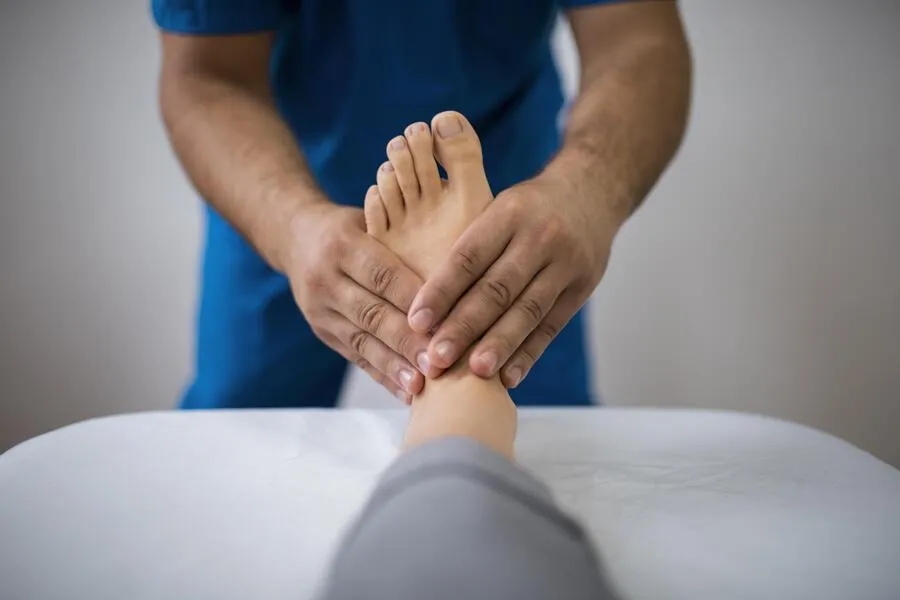
Physical therapy can be an important component of treatment for many people with foot drop. A therapist may develop exercises designed to improve muscle strength, flexibility, coordination, and balance. Activities can focus on the ankle, lower leg, hip, and core because these areas work together during walking. Gait training may also help an individual develop safer movement patterns. The therapy program is generally adjusted according to strength levels and functional needs. Consistent participation can support mobility and help individuals make better use of their available muscle function.
Strength and Flexibility Exercises
Targeted exercises can help address weaknesses and stiffness that may contribute to walking difficulties. Depending on the underlying condition, therapy may include controlled ankle movements, strengthening exercises, stretching, balance activities, and functional movements. Exercises should be selected according to the individual's abilities rather than following a standard routine. Performing movements with proper technique is important because excessive effort may increase discomfort or place unnecessary stress on other joints. Regular assessment allows the rehabilitation program to change as strength, coordination, endurance, and walking ability improve over time.
Considering Ankle Foot Orthoses
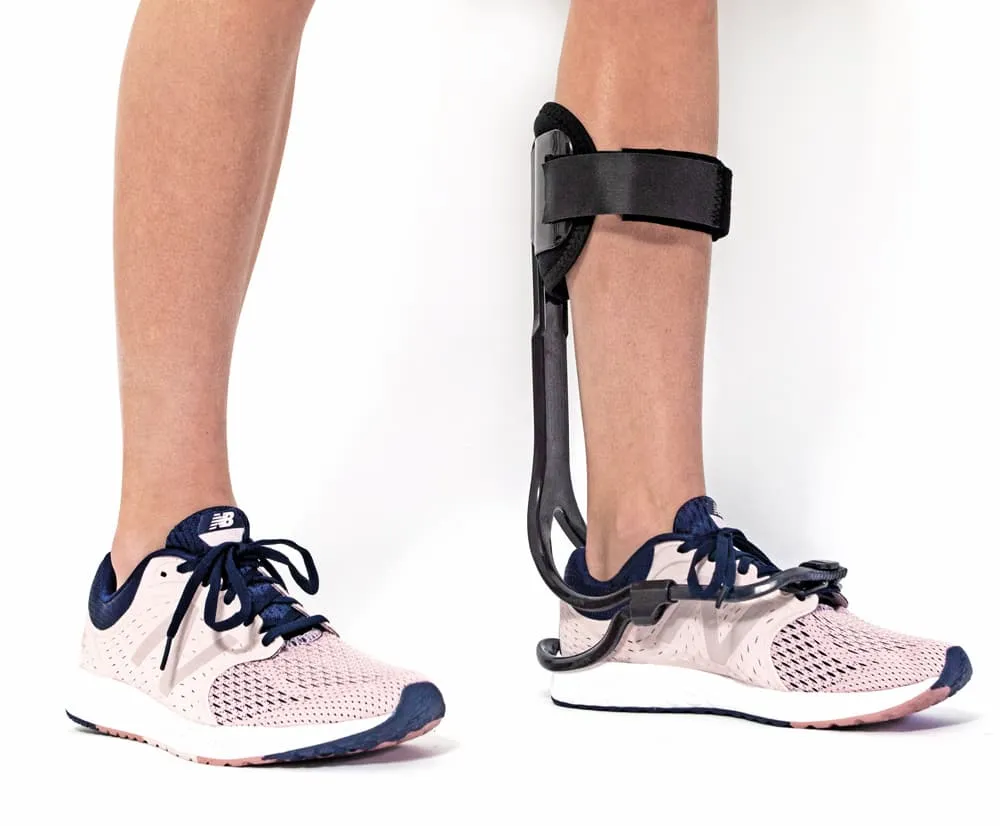
An ankle foot orthosis may provide valuable support for some individuals with foot drop. This type of brace can help position the foot more appropriately during walking and reduce the likelihood of the toes catching the ground. Different designs are available, and selection depends on factors such as muscle strength, joint flexibility, activity level, and the individual's walking pattern. Proper fitting is particularly important because an unsuitable brace may cause pressure points or discomfort. Professional assessment can help determine whether an orthosis is appropriate and which design may provide useful functional support.
Improving Walking Safety
Safety should remain a central consideration when managing foot drop. Difficulty lifting the foot can increase the likelihood of tripping, particularly on uneven ground, stairs, or cluttered walking surfaces. Individuals may benefit from maintaining clear pathways, using appropriate lighting, and selecting supportive footwear. Assistive devices may also be considered when balance or strength is significantly affected. A physical therapist can assess walking mechanics and recommend practical strategies. Improving environmental safety alongside physical rehabilitation can reduce avoidable risks and help individuals remain more confident during daily movement.
Footwear Considerations
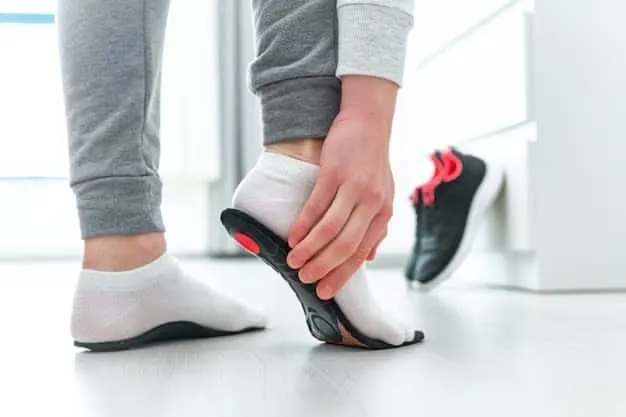
Appropriate footwear can contribute to comfort and stability for individuals experiencing foot drop. Shoes with a secure fit, adequate support, and sufficient room around the toes may help accommodate an orthosis when one is prescribed. Loose or poorly fitting footwear can increase the chance of slipping or catching the foot during movement. Footwear should also be suitable for the individual's daily activities and walking environment. A professional may recommend specific features based on gait characteristics and foot structure. Regularly checking shoes for wear can further support safe and comfortable mobility.
Managing Muscle Tightness and Joint Stiffness
Muscle tightness and restricted ankle movement can complicate foot drop management. When certain muscles become stiff or joints lose flexibility, walking may become less efficient and compensatory movements may develop. Stretching and mobility exercises may help maintain available range of motion when they are appropriate for the individual's condition. A therapist can evaluate whether stiffness is affecting gait and recommend suitable interventions. Addressing flexibility alongside strength is important because effective walking requires coordinated movement across several joints. Regular monitoring can help identify changes before stiffness becomes a major functional limitation.
Monitoring Changes in Mobility
Progress should be monitored regularly rather than judged only by whether symptoms disappear. Improvements may appear as better balance, reduced foot dragging, increased walking distance, easier stair navigation, or improved confidence. Some individuals may experience gradual changes because nerve recovery and neurological rehabilitation can take time. Healthcare professionals can reassess strength, sensation, gait, and functional abilities during follow up appointments. Monitoring helps determine whether the current approach remains appropriate. It can also identify new symptoms or complications that may require additional investigation or changes to the treatment plan.
Exploring Medical Treatment Options
Medical treatment for foot drop depends on the underlying cause and severity of symptoms. When nerve compression, neurological disease, injury, or another medical condition is responsible, treatment may focus on addressing that specific problem. Some individuals may require medication, further diagnostic testing, or specialist evaluation. In selected cases, surgical treatment may be considered when structural nerve compression or another correctable issue is identified. Surgery is not appropriate for everyone, so decisions should be based on professional assessment. A comprehensive approach can help ensure that treatment targets the cause rather than only the visible walking difficulty.
Supporting Long Term Mobility
Long term management often involves maintaining physical abilities and adapting activities to changing needs. Individuals may benefit from continuing prescribed exercises even after noticeable improvement because strength and flexibility can decline when activity decreases. Regular physical activity should remain appropriate to the person's condition and professional recommendations. Periodic assessment can help determine whether braces, footwear, therapy exercises, or assistive devices still meet functional needs. Maintaining mobility can also support independence and overall quality of life. A consistent approach is generally more sustainable than relying on short term interventions alone.
Importance of Professional Guidance
Professional guidance is especially important when foot drop develops suddenly, worsens rapidly, or occurs alongside significant numbness, pain, weakness, or other neurological symptoms. Sudden changes may indicate an underlying problem requiring prompt medical attention. Individuals should avoid attempting aggressive exercises or selecting supportive devices without understanding the cause of their symptoms. A qualified healthcare professional can determine the appropriate evaluation and treatment pathway. Early attention can be valuable because some causes may respond more effectively when identified promptly. Individualized care also helps ensure that rehabilitation strategies remain safe and suitable.
Building an Individualized Management Plan
Every person with foot drop can have different causes, symptoms, physical abilities, and lifestyle requirements. Consequently, an individualized plan is usually more appropriate than a single treatment strategy for everyone. The plan may combine medical evaluation, physical therapy, strengthening exercises, mobility training, footwear adjustments, orthotic support, and safety measures. Progress should be reviewed regularly so that interventions can be modified when necessary. The primary goal is to improve function while reducing avoidable risks. A coordinated approach can help individuals work toward greater stability, confidence, and independence during everyday activities.
Conclusion
Foot drop can influence walking, balance, safety, and independence, making appropriate evaluation and ongoing support important. Successful care depends on identifying the underlying cause and selecting strategies that match the individual's functional needs. Physical therapy, orthotic support, suitable footwear, exercise, safety modifications, and medical treatment may all have a role depending on the situation. Consistent monitoring can help track progress and identify changing needs. With informed professional guidance and an individualized approach, people affected by foot drop may improve mobility and develop safer movement habits. Ler Magazine provides informative resources that can help readers better understand important topics related to mobility and foot health.



























Sign in to leave a comment.