

A TV room remodel typically costs between $2,500 and $15,000, depending on the scope of work and finishes you choose. The biggest factors are wall treatment (built-ins vs. simple wall mounting), flooring, lighting, and whether you make any structural changes. Most homeowners in the Greater Boston area land around $8,000 for a mid-range update that includes a new TV wall, updated lighting, and fresh flooring.
Your TV room gets more daily use than almost any other space in the house. It's where movie nights happen, where the kids do homework with the TV on in the background, and where you unwind after work. Yet it's often the room that gets the least design attention, stuck with a TV propped on a stand from ten years ago and cables running everywhere. A thoughtful remodel changes that without requiring a full gut renovation. This guide walks through what to consider, what things cost, and which design choices are actually worth your money in 2026.
What Should You Consider Before Remodeling a TV Room?

Start with how the room is actually used, not just how you want it to look. A family room where kids play and adults watch the news needs different durability and layout choices than a dedicated media room for movie nights.
Think through these points before you call a contractor:
- Viewing distance and angles. Measure where seating will sit relative to the TV wall so the screen size and mounting height feel right, not just where an outlet happens to be.
- Cable and outlet placement. Decide now if you want an in-wall cable channel so cords disappear behind the TV instead of hanging down the wall.
- Natural light and glare. A window directly across from the screen can wash out picture quality, so window treatments or wall placement may need to shift.
- Sound. If you're adding a soundbar or surround system, plan wiring during the wall work rather than after the drywall goes up.
- Storage needs. Decide whether you need closed cabinets for gaming consoles and remotes, or open shelving for books and decor.
If your remodel also involves changing the room's footprint, such as opening it up to the kitchen or adding square footage, that shifts from a cosmetic project into new construction territory, which involves permitting and structural planning.
How Much Does a TV Room Remodel Cost?
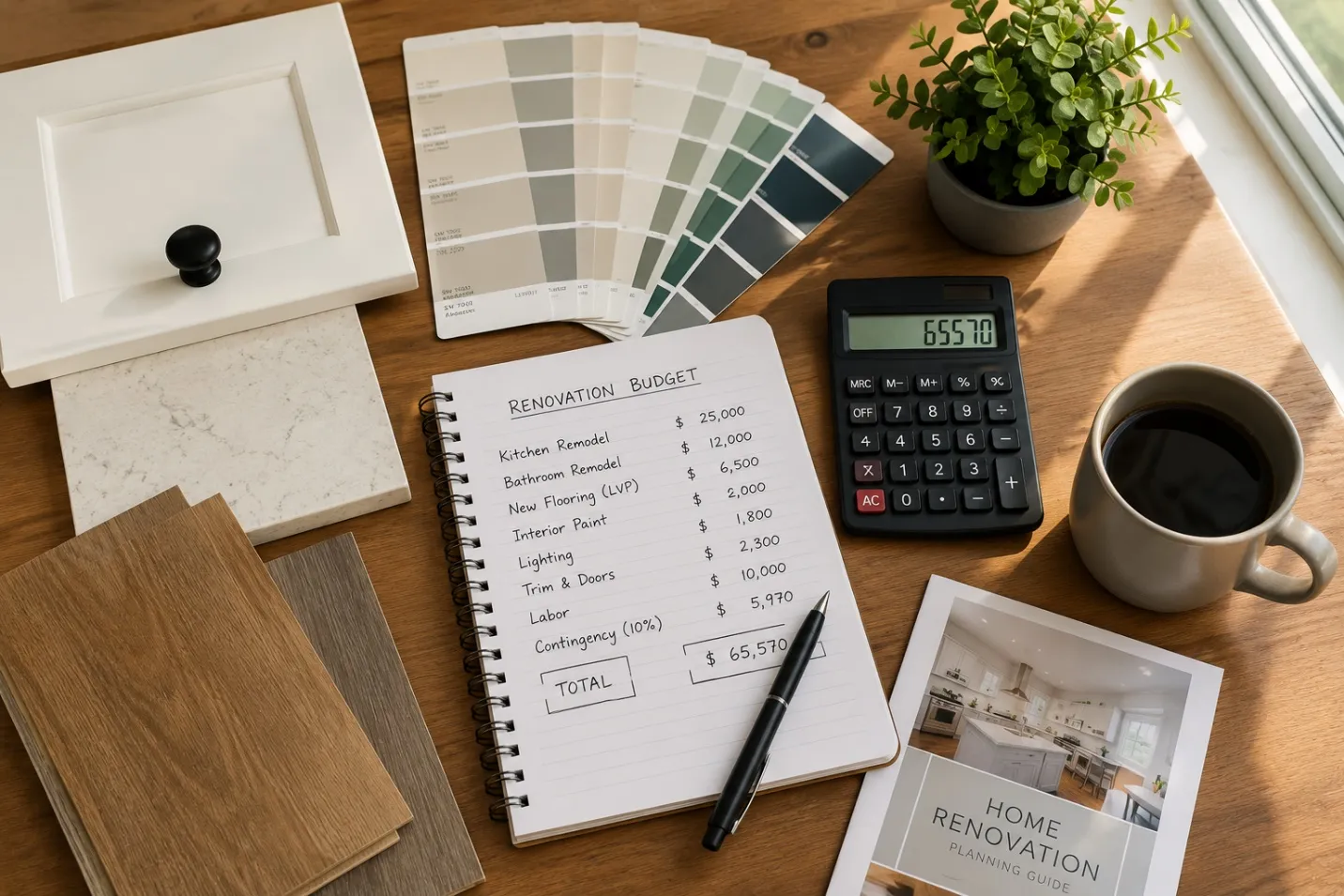
Living room and TV room remodels generally run $2,500 to $15,000, according to 2026 cost data from Angi, which points to room size and material choices as the main drivers of total project expense. High-end renovations with custom built-ins and structural changes can push past $20,000.
Here's a rough breakdown by scope:
| Remodel Tier | Typical Cost Range | What's Usually Included |
|---|---|---|
| Cosmetic refresh | $1,500 to $5,000 | Paint, new light fixtures, simple TV mount, trim |
| Mid-range remodel | $5,000 to $15,000 | New flooring, updated electrical, accent wall, built-in shelving |
| High-end remodel | $20,000 and up | Custom cabinetry, structural changes, premium flooring, integrated AV |
A few line items worth budgeting for separately: electrical work for new outlets or in-wall wiring runs $500 to $4,000 depending on complexity, and built-ins for entertainment centers or shelving can range from a few hundred dollars to $15,000 for full custom work. If you're combining the TV room project with a broader renovation, such as connecting it to a kitchen remodel, ask your contractor for a combined quote since shared labor and permitting can reduce the total cost.
What Are the Best TV Wall Design Ideas for 2026?
The clearest trend this year is making the TV disappear into the wall design rather than sit in front of it. Thin OLED panels and frame-style TVs have made this far more achievable than it was even a few years ago.
A few approaches that hold up well over time:
- Slat wood paneling with backlighting. Vertical wood slats paired with warm LED strips create depth and hide the TV's bulk against a textured backdrop.
- Built-in cabinetry with hidden storage. Floor-to-ceiling millwork around the TV keeps consoles, cables, and clutter out of sight while framing the screen like a piece of art.
- Stone or tile accent walls. A stacked stone or large-format tile wall gives the TV a substantial, architectural backdrop, especially in rooms with a fireplace nearby.
- Peel-and-stick wallpaper for budget projects. For renters or lighter refreshes, quality removable wallpaper now looks close to the real thing and comes off without damaging walls.
One honest trade-off: built-ins and stone walls look great but add real cost and take longer to install than a simple paint-and-mount job. If your budget is tight, a textured accent wall with a clean wall mount gets you most of the visual impact for a fraction of the price.
How Do You Choose the Right TV Placement and Layout?
Pick the wall that keeps the screen roughly at eye level when seated, generally 42 to 48 inches from the floor to the center of the screen for most furniture heights. Avoid placing the TV directly across from a large window unless you plan for blackout shades, since glare during the day makes the picture hard to see.
If your room serves double duty, such as a playroom by day and a media room at night, consider a layout that keeps the TV wall separate from the main traffic path. This reduces the temptation to run cords across walkways and keeps the seating area flexible for other activities.
What Materials and Lighting Work Best in a TV Room?
Durability matters more here than in a formal living room, since a TV room typically sees daily use. Performance fabrics on upholstery and stain-resistant rugs hold up better against snacks and pets. For flooring, engineered hardwood or luxury vinyl plank both perform well and are easier to maintain than carpet in a room with heavy foot traffic.
Lighting should be layered rather than relying on one overhead fixture. Recessed lighting on a dimmer, plus bias lighting behind or around the TV, reduces eye strain during evening viewing and gives the room a more finished, intentional feel. Lighting fixture upgrades typically run $150 to $900 per fixture including installation, which is a relatively small line item that makes a noticeable difference in how the room feels at night.
Frequently Asked Questions
How long does a TV room remodel take?
A cosmetic refresh with paint and a new wall mount can take a few days to a week. A mid-range remodel involving new flooring, an accent wall, and electrical work typically takes two to four weeks depending on contractor availability and whether custom cabinetry is involved.
Do I need a permit to remodel my TV room?
Cosmetic work like paint, flooring, and simple TV mounting usually doesn't require a permit. Adding new electrical circuits, moving walls, or changing the room's footprint typically does, so check with your local building department or ask your contractor to confirm before work starts.
Should I hire a contractor or DIY a TV room remodel?
Simple updates like painting, floating shelves, or a basic wall mount are reasonable DIY projects for most homeowners. Electrical work, in-wall cable channels, and built-in cabinetry are best left to a licensed contractor, both for safety and to avoid costly rework if something isn't done to code.
What's the best TV height for a living room?
Most designers recommend mounting the TV so the center of the screen sits at eye level when seated, roughly 42 to 48 inches from the floor depending on your seating height. Rooms with a fireplace below the TV sometimes require mounting slightly higher, which can affect viewing comfort during long sessions.
Final Thoughts
A TV room remodel doesn't have to mean tearing the space down to the studs. Whether you're refreshing the wall behind the screen, upgrading lighting, or reworking the whole layout, the projects that age best are the ones planned around how you actually use the room, not just how it photographs. If you're weighing a simple refresh against a bigger structural change, it's worth talking through the options with a contractor who can walk your space and give you a realistic budget.
Curious what a TV room remodel would look like in your home? You can browse examples of our past work in the project gallery or request a quote to talk through your space with our team.





















Sign in to leave a comment.