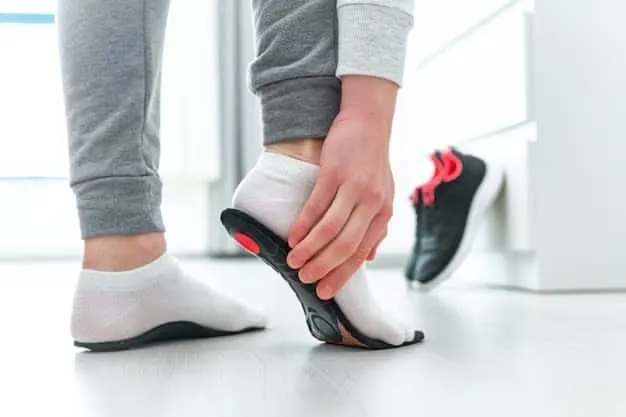

Plantar fasciitis can make ordinary activities such as walking, standing, exercising, and working surprisingly uncomfortable. The condition commonly involves irritation and strain affecting the plantar fascia, a strong band of tissue supporting the bottom of the foot. When symptoms continue, appropriate support can help reduce stress on the affected area and encourage better comfort during recovery. A plantar fasciitis boot can provide structured support that helps maintain the foot and ankle in a controlled position while allowing the individual to manage daily discomfort more effectively.
Understanding Plantar Fasciitis
What Causes Plantar Fasciitis?
Plantar fasciitis develops when repeated stress places excessive strain on the plantar fascia. Activities involving prolonged standing, frequent walking, running, or sudden increases in physical activity may contribute to irritation. Foot structure, body weight, tight calf muscles, limited ankle movement, and unsuitable footwear can also influence symptoms. Discomfort is often noticed near the heel and may become particularly noticeable during the first steps after waking or resting. Understanding these contributing factors can help individuals recognize why proper support and gradual recovery strategies are important.
Common Symptoms to Recognize
The most recognizable symptom is pain around the bottom or inner portion of the heel. Some individuals describe the discomfort as sharp, aching, or burning, particularly after periods of inactivity. Pain may become noticeable during the first few steps in the morning and can sometimes return after prolonged sitting. Extended standing or walking may also increase discomfort. Symptoms can vary between individuals, so persistent or worsening pain should receive appropriate professional assessment. Early attention can help identify contributing factors and support a more suitable approach to foot care.
What Is a Plantar Fasciitis Boot?
Structured Foot and Ankle Support
A plantar fasciitis boot is designed to provide controlled support around the foot and ankle while limiting movements that may place additional strain on irritated tissues. Depending on its design, the boot can help stabilize the foot and distribute pressure more evenly. Some styles may also provide cushioning or adjustable fastening for a more secure fit. The purpose is generally to create a supportive environment that can complement other recommended treatment approaches. Proper selection and fitting are important because excessive pressure or an unsuitable design may create additional discomfort.
Supporting a Neutral Foot Position
Maintaining a more controlled foot position can be helpful when the plantar fascia is irritated. Certain supportive boots are designed to reduce excessive movement and encourage a more stable alignment of the foot and ankle. This support may reduce unnecessary tension during periods when the tissues need time to recover. In some cases, healthcare professionals may recommend wearing a supportive device during particular activities or periods of rest. Individual recommendations can vary depending on symptom severity, foot structure, activity level, and the underlying cause of discomfort.
Key Benefits of Using a Plantar Fasciitis Boot
Helps Reduce Strain
One important benefit of a supportive boot is its ability to help reduce excessive strain on the plantar fascia. By controlling foot movement and providing additional stability, the boot may help limit activities that repeatedly aggravate sensitive tissues. This can be especially useful when ordinary footwear does not provide sufficient support. Reduced mechanical stress may allow the irritated area to settle while other treatment measures are introduced. However, a boot is generally most useful when it forms part of a broader care plan rather than being considered the only solution.
Provides Added Stability
Foot stability can influence how pressure travels through the lower limb during standing and walking. When the foot moves excessively or lacks sufficient support, additional stress may be transferred to the heel and plantar fascia. A properly fitted boot can provide a more controlled environment and reduce unnecessary movement. This added stability may be particularly beneficial for individuals experiencing significant discomfort. The amount of support required can differ considerably between people, making professional guidance valuable when symptoms are persistent, severe, or associated with other foot and ankle problems.
Encourages Comfortable Recovery
Recovery from plantar fasciitis can take time because the plantar fascia is repeatedly involved in standing and walking. A supportive boot may help create periods of reduced stress, allowing the affected tissues an opportunity to recover. By limiting aggravating movements, it may also make necessary daily activities more manageable. Recovery can be supported further through appropriate stretching, strengthening, activity modification, and footwear changes when recommended. A gradual approach is generally important because returning too quickly to demanding activities may cause symptoms to return even when initial improvement has occurred.
When a Boot May Be Considered
Persistent Heel Discomfort
A supportive boot may be considered when heel discomfort continues despite basic measures such as rest, appropriate footwear, gentle stretching, and activity modification. Persistent symptoms can indicate that the plantar fascia continues to experience repeated stress. In such situations, additional support may help reduce mechanical demands on the foot. Professional assessment is important before relying on a boot for an extended period. A healthcare provider can evaluate the symptoms, rule out other causes of heel pain, and determine whether structured support is suitable for the individual's particular condition.
During Periods of Increased Activity
Individuals who spend long hours standing, walking, or participating in physically demanding activities may experience greater stress on the plantar fascia. A supportive device can sometimes help manage symptoms during recovery when activity cannot be avoided completely. However, continued high levels of activity may slow healing if the underlying irritation is not addressed. Activity modification remains an important consideration. Shorter periods of activity, adequate rest, supportive footwear, and gradual increases in workload can work together to reduce repeated stress and create better conditions for recovery.
Choosing the Right Boot
Fit and Comfort Matter
A suitable fit is one of the most important considerations when selecting a plantar fasciitis boot. The boot should provide appropriate support without creating excessive pressure around the heel, toes, ankle, or sides of the foot. Adjustable fastening can help accommodate individual foot shapes and provide a secure fit. Excessive looseness may reduce stability, while excessive tightness can create discomfort and pressure points. Individuals with swelling, reduced sensation, diabetes, or other foot concerns should seek professional advice before selecting or using a supportive boot.
Consider the Level of Support
Different boots provide different levels of rigidity, cushioning, stability, and motion control. The most appropriate option depends on the individual's symptoms, activity requirements, foot structure, and recovery stage. A highly rigid device may not be necessary for every person, while someone experiencing substantial discomfort may require greater support. Professional evaluation can help determine the appropriate level of stability. The goal should be effective support without unnecessarily restricting normal movement. Comfort, function, and safety should all be considered when choosing a device.
Combining Boot Use With Other Care
Stretching and Strengthening
Stretching the calf muscles and plantar fascia may be recommended as part of a broader recovery program. Gentle exercises can help improve flexibility and reduce excessive tension around the heel and ankle. Strengthening exercises may also support the muscles involved in maintaining foot stability. These activities should be introduced gradually and performed according to professional recommendations. Individuals experiencing increased pain during exercise should avoid pushing through significant discomfort. A balanced approach involving mobility, strength, appropriate activity levels, and supportive footwear may provide better long term results than relying on one intervention alone.
Appropriate Footwear
Supportive everyday footwear can play an important role in managing plantar fasciitis symptoms. Shoes with adequate cushioning, sufficient room for the toes, and appropriate support may reduce unnecessary pressure on the heel. Very worn footwear may provide less protection and stability than it once did. Walking barefoot on hard surfaces may also increase discomfort for some individuals. Combining suitable shoes with a supportive boot when recommended can create a more consistent approach to foot care. Footwear choices should reflect the individual's activities, comfort needs, and foot structure.
Common Mistakes to Avoid
Wearing an Unsuitable Size
Using a boot that does not fit correctly can create new pressure points and make existing symptoms more uncomfortable. A boot that is too small may compress the foot, while one that is too large may allow excessive movement. Individuals should follow sizing guidance and check that the heel and foot remain comfortably positioned inside the device. Any unusual numbness, swelling, skin irritation, or increasing pain should be taken seriously. Professional fitting may be particularly valuable for individuals with complex foot conditions or reduced sensation.
Relying Only on the Boot
A boot can provide valuable support, but it does not necessarily address every factor contributing to plantar fasciitis. Muscle tightness, activity patterns, unsuitable footwear, foot mechanics, and training errors may continue to influence symptoms. For this reason, individuals may benefit from a broader recovery strategy. Appropriate exercises, rest, footwear changes, and professional guidance can complement the support provided by a boot. If symptoms continue for an extended period or become increasingly severe, medical assessment can help identify whether another condition is contributing to the discomfort.
When Professional Assessment Is Important
Persistent or Severe Symptoms
Heel pain that remains severe, repeatedly returns, or interferes with normal activities deserves professional attention. Not every case of heel pain is caused by plantar fasciitis. Other conditions involving bones, nerves, tendons, joints, or soft tissues can produce similar symptoms. A healthcare professional can review the individual's symptoms, medical history, activity patterns, and foot mechanics to identify possible causes. Early assessment may also help prevent inappropriate self treatment. Professional guidance becomes particularly important when pain affects sleep, walking ability, work, exercise, or everyday independence.
Conclusion
A plantar fasciitis boot can offer structured support, improved stability, and reduced mechanical stress for individuals dealing with persistent heel discomfort. Its effectiveness can be enhanced when it is combined with appropriate stretching, strengthening, activity modification, suitable footwear, and professional guidance. The right choice depends on the individual's symptoms, foot structure, daily activities, and recovery needs. Proper fitting and responsible use are essential for comfort and safety. Individuals seeking reliable educational information about foot health, mobility, and supportive care can explore resources provided by Ler Magazine for additional guidance.























Sign in to leave a comment.