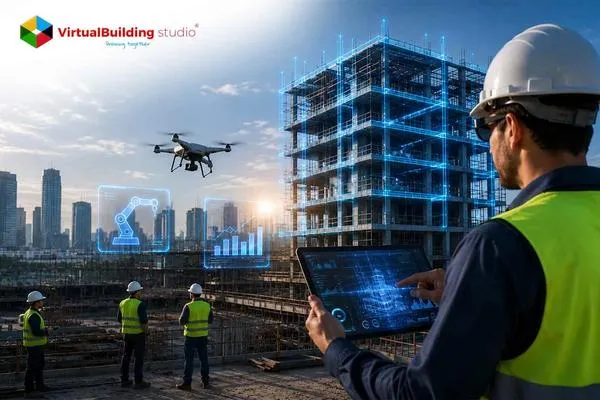

Every jobsite generates a mounstain of information. Drawings pile up next to cost sheets, delivery logs, sensor readings, and a camera roll that grows by the hour. Plenty of it reaches the trailer long after the moment it could have shaped a call. Crews lose whole mornings matching one file against the next. Smart systems change that rhythm. They read what streams in, study the jobs that already closed, and raise a warning early enough for a team to act. This piece walks BIM engineers through the mechanics, the wins worth tracking, and where the work heads next.
What Intelligent Automation Means on the Jobsite
Picture software that learns from records and reads a chaotic site the way a veteran superintendent would. It steps into the judgment calls that once demanded a spreadsheet and a decade of scars. The footprint runs wide, from the design studio to the concrete pour and on behind a finished building for years.
A short roster of technologies carries the load. Machine learning combs old job files and surfaces the quiet patterns in output, slippage, and cost creep. Generative tools sketch fresh design options that already honor the budget and the code. Vision engines scan camera and drone footage, clocking progress and flagging a hazard a walkthrough skims right over. Language models mine contracts and logs, so a person skips the long page hunt for a single clause. Robotics puts it all to work on the deck.
Uptake runs uneven still. Surveys peg a heavy share of firms at the pilot stage, with a thin slice weaving the technology through the entire shop. That drag hands the bold operator a lead worth having. Field research backs the momentum. A systematic review in the academic journal Buildings, covering 122 studies, tracked safety research on these systems climbing from 5 papers in 2016 to 23 in 2024. The curve reads like a field stepping out of the lab and onto the site.
Where the Value Lands, Structured for the Practitioner
The payoff sorts into a handful of workflows a technical team already touches. Here is how each one plays on a live project.
Project management: The software handles documentation, RFI traffic, and progress logs on its own, so reporting lag falls away. Scheduling models flex as the ground shifts, nudging timelines the moment a delivery slips or a storm rolls through. In practice, AI in construction clears the manual reconciliation that used to take an afternoon.
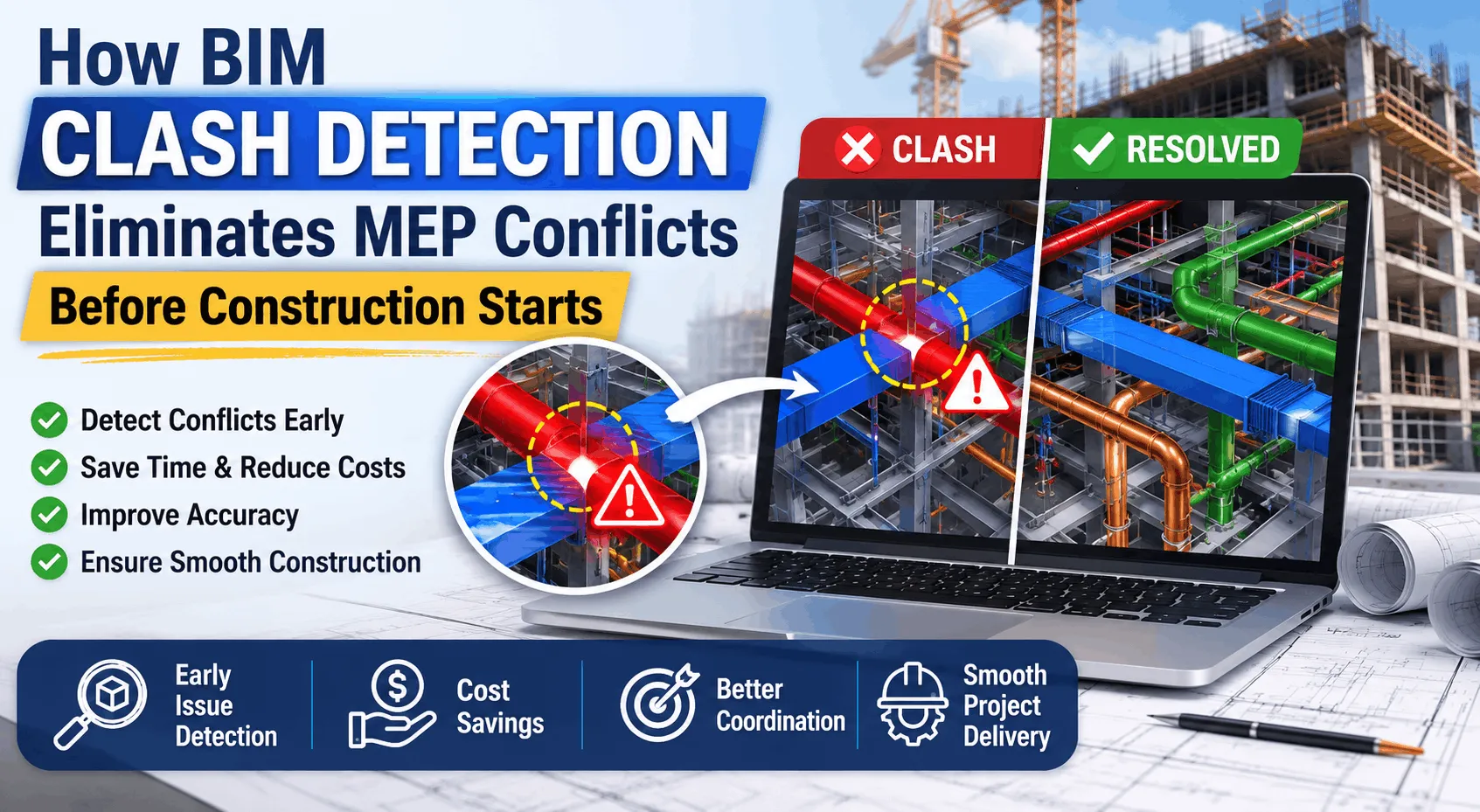
Coordination sharpens: Here AI in BIM proves its worth. Federated files feed vision engines that hold finished work up against design intent and measure the gap. Routing conflicts between mechanical, electrical, and plumbing runs are identified well before a crew arrives to build them. I have audited federated models under deadline pressure and seen the software catch clashes that a rushed manual pass would have missed. Resolve that conflict during modeling for pennies. Let it reach a live facility, and the number climbs somewhere an owner hates to hear.
Estimation: Quantity extraction keeps pace with the design, recalculating as it moves rather than waiting for a milestone. Cost exposure gets weighed against past jobs, supplier habits, and the shape of the contract. Takeoffs that once took weeks wrap in hours, which lets a firm bid sharp and hold its margin. Teams comparing BIM outsourcing services costs buy a predictable budget alongside quicker access to model-ready data.
Safety oversight: Vision runs across live video, catching a bare head, a risky move, or a foot straying into a closed zone in close to real time. Wearables layer on, tracking distance from machinery and early signs of fatigue. The system lines old incident data next to today's conditions and marks the windows where danger spikes.
Quality control catches: Drones and vision engines compare finished conditions against the model early, back when a fix stays cheap. They flag rebar spacing slips, surface defects, and installation misses that a manual pass often lets through. Sustainability gains ride along too, as the model’s trim material waste and tune energy use across the building's whole life. A study puts hard numbers on it, reporting delay cuts of 7% to 47% for coordination gains across the cases it reviewed.
Documentation and digital twins: Language models pull deadlines and obligations from contracts and logs, so word travels faster between the deck and the office. After handover, the twin ties operating data back to the original design. It grows into a control layer that mirrors what the building actually does.
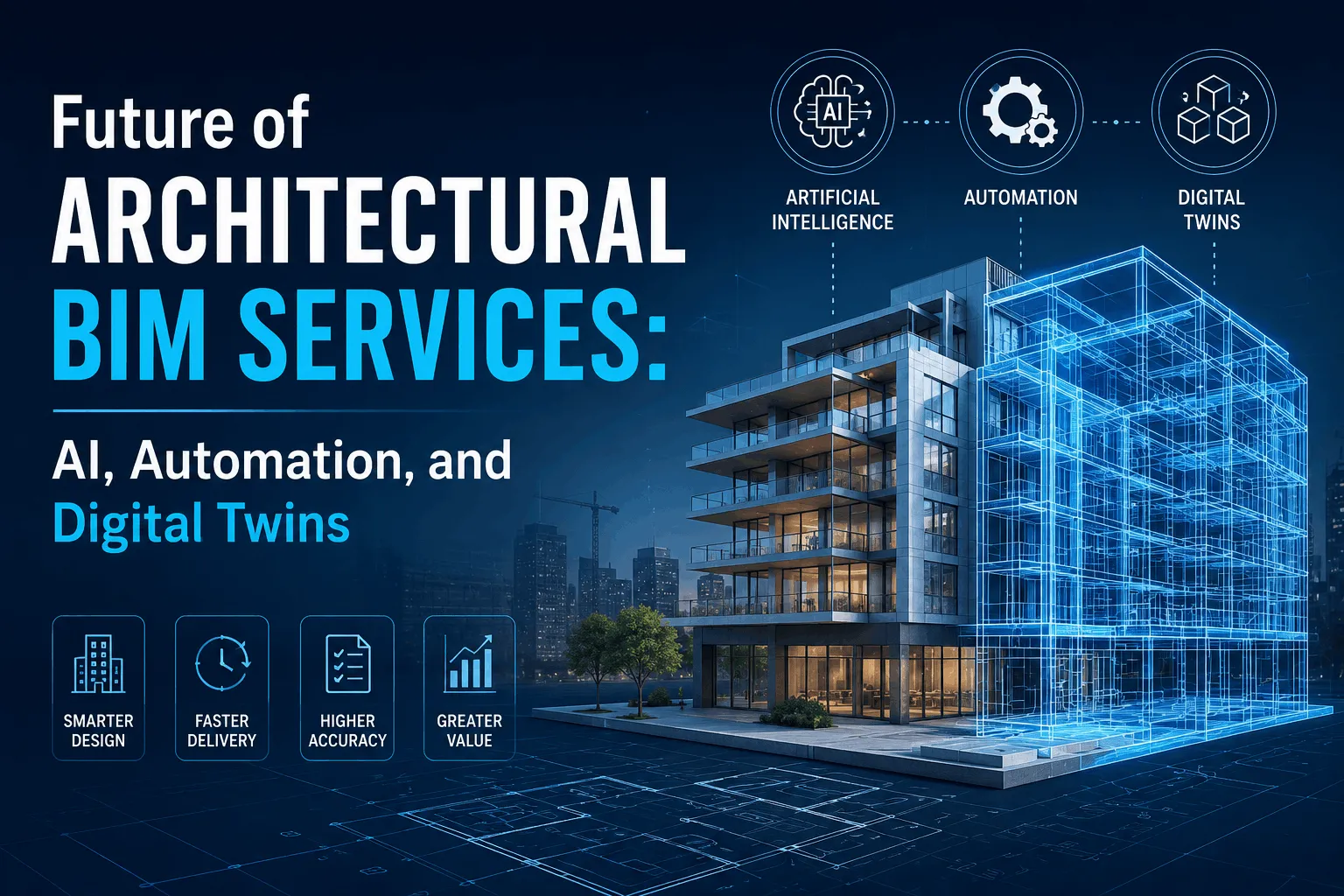
The road ahead points the same way. AI in building construction leans toward autonomous fleets on the deck and active decision support baked into the daily grind. Prefab and modular delivery accelerate as the technology integrates design, manufacturing, and logistics. Specialist partners shorten the climb: Architectural BIM services provide design intent models that are primed for generative work and ready to feed geometry into a coordination engine.
Conclusion
Smart systems change how a team wrestles with the unknown across a job, from first sketch to final inspection. They read live data, call the likely outcome, and back a decision early enough for the clock to allow one. Management is more efficient, coordination is clearer, estimates are more accurate, and safety monitors the site continuously. Research confirms the gains in delays and coordination, even as the figures swing with each project. Real results still ask for clean data, a phased rollout, and a steady human hand at every checkpoint. Firms that lay this groundwork now line up for a way of building where planning, fabrication, and fieldwork move as one. The technology closes the distance between what a crew expects and what the site delivers.


























![[Download] Residential ADA Checklist: A Step-by-Step DIY Compliance Guide](https://writeupcafe.com/data/post/1568969/454b4451af4dff3a1b61c43fb23b812b.jpg.webp)
Sign in to leave a comment.