

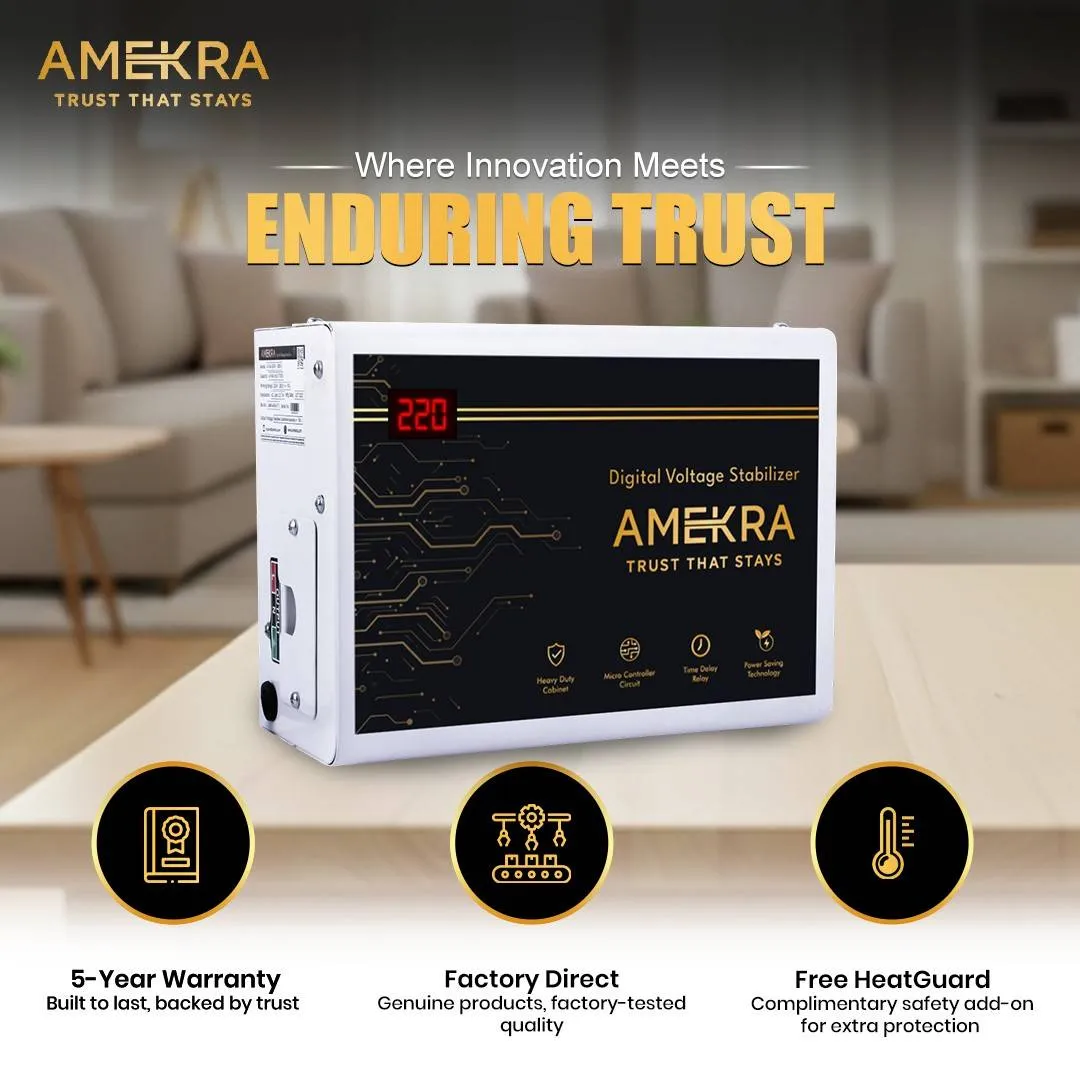
In many urban areas, electricity supply is considered more stable compared to rural regions. This often leads homeowners to believe that running an air conditioner without a stabilizer is completely safe. But is that really the case? While modern infrastructure has improved power reliability, voltage fluctuations, surges, and unexpected outages still occur—even in cities.
In this blog, we explore whether it’s safe to operate an AC without a stabilizer in urban environments and when investing in one becomes essential.
Understanding Power Conditions in Urban Areas
Urban locations generally have better electrical infrastructure, but that does not guarantee a constant voltage supply. During peak summer months, when electricity demand rises sharply, even city power grids can experience:
- Sudden voltage drops due to overload
- Power surges during restoration after outages
- Short fluctuations caused by heavy appliance usage
These variations may seem minor, but they can gradually impact your air conditioner’s performance and lifespan.
Can You Run an AC Without a Stabilizer?
Yes, technically you can run an AC without a stabilizer—especially if the unit is labeled “stabilizer-free.” However, these ACs are designed to operate within a limited voltage range, typically around 150V to 260V. If the voltage goes beyond this range, internal components may still be at risk.
Urban areas are not completely immune to such fluctuations. Frequent small variations may not cause immediate damage, but over time they can lead to:
- Reduced cooling efficiency
- Increased wear on the compressor
- Higher electricity consumption
- Unexpected breakdowns
Risks of Running an AC Without a Stabilizer
Even in cities, skipping a stabilizer can expose your AC to several risks:
1. Compressor Damage
The compressor is the most critical and expensive part of an air conditioner. Voltage instability can cause overheating or improper functioning, leading to costly repairs.
2. PCB and Circuit Failure
Modern ACs include advanced electronic circuits that are sensitive to voltage changes. A sudden surge can damage these components instantly.
3. Frequent Tripping
Voltage fluctuations may cause your AC to switch off unexpectedly, affecting comfort and performance.
4. Shortened Lifespan
Continuous exposure to unstable voltage can reduce the overall life of your AC unit.
Do Urban Homes Still Need an AC Stabilizer?
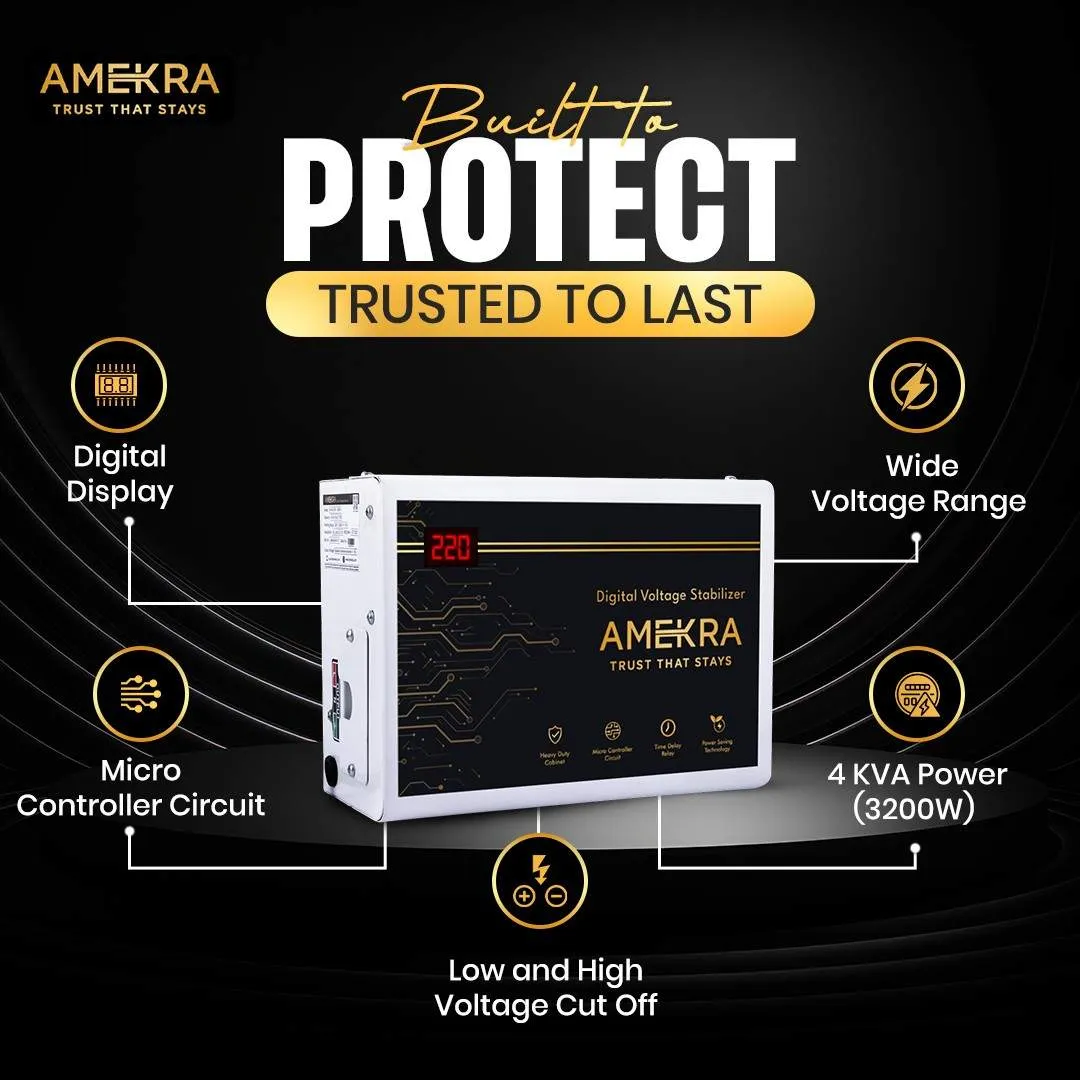
The answer depends on your local power conditions. Even in urban settings, using a stabilizer provides an added layer of protection, especially if:
- You experience occasional power cuts
- Voltage fluctuates during peak hours
- You use multiple high-power appliances at home
- Your area has frequent electrical load changes
Installing the right stabilizer ensures your AC operates safely and efficiently under all conditions.
Choosing the Right Stabilizer for Your AC
Selecting the correct stabilizer capacity is crucial for optimal performance. It should match the tonnage of your air conditioner to provide effective protection.
Here’s a simple guide:
- Use an ac stabilizer for 1 ton AC for smaller rooms or compact units
- Choose an ac stabilizer for 1.5 ton AC for medium-sized spaces
- Install an ac stabilizer for 2 ton AC for larger rooms or heavy-duty cooling
Proper capacity selection prevents overload and ensures stable voltage regulation.
What About Stabilizer-Free ACs?

Many modern air conditioners claim to work without a stabilizer, but this feature has limitations. Stabilizer-free ACs only handle fluctuations within a defined range. If voltage goes beyond that, the risk of damage still exists.
Adding an external stabilizer provides:
- Wider voltage protection range
- Better safety during sudden surges
- Improved long-term performance
- Peace of mind during extreme weather conditions
When Should You Definitely Use a Stabilizer?
Even in urban areas, you should strongly consider a stabilizer if:
- Your lights flicker when heavy appliances are used
- Your AC frequently restarts or trips
- You live in an area with high-rise buildings and shared load systems
- There are frequent thunderstorms or grid disturbances
In such cases, a stabilizer acts as a reliable safeguard against unexpected electrical issues.
Final Thoughts
While urban areas generally offer more stable electricity, running an air conditioner without a stabilizer is not entirely risk-free. Voltage fluctuations, though less frequent, can still affect your AC’s efficiency and durability over time.
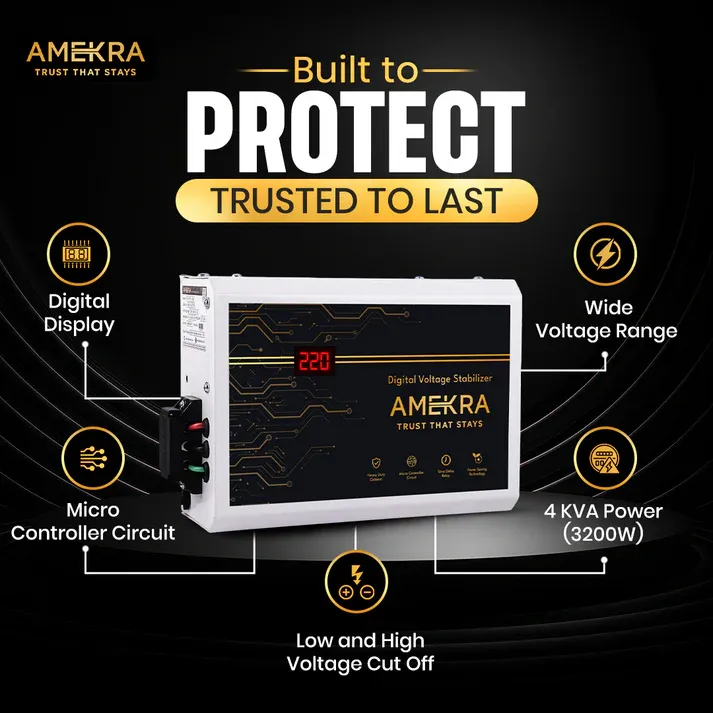
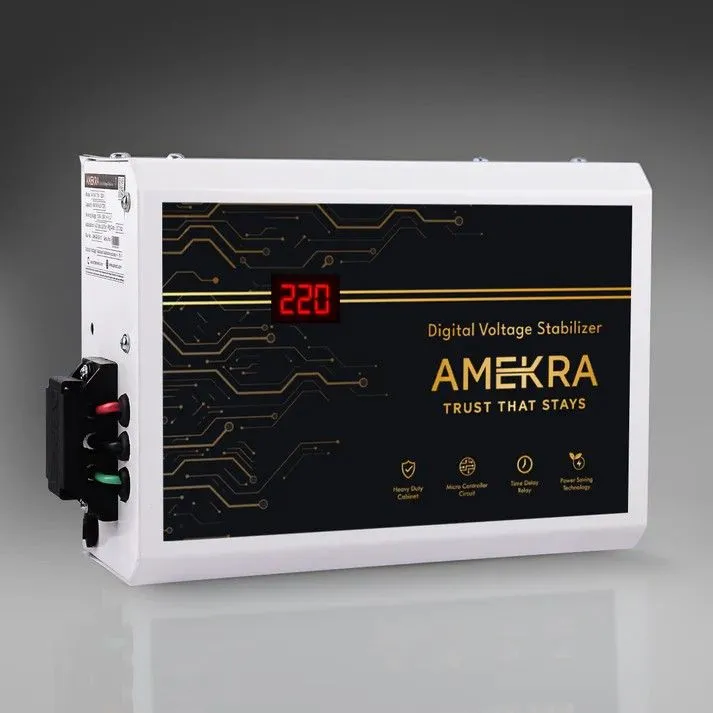
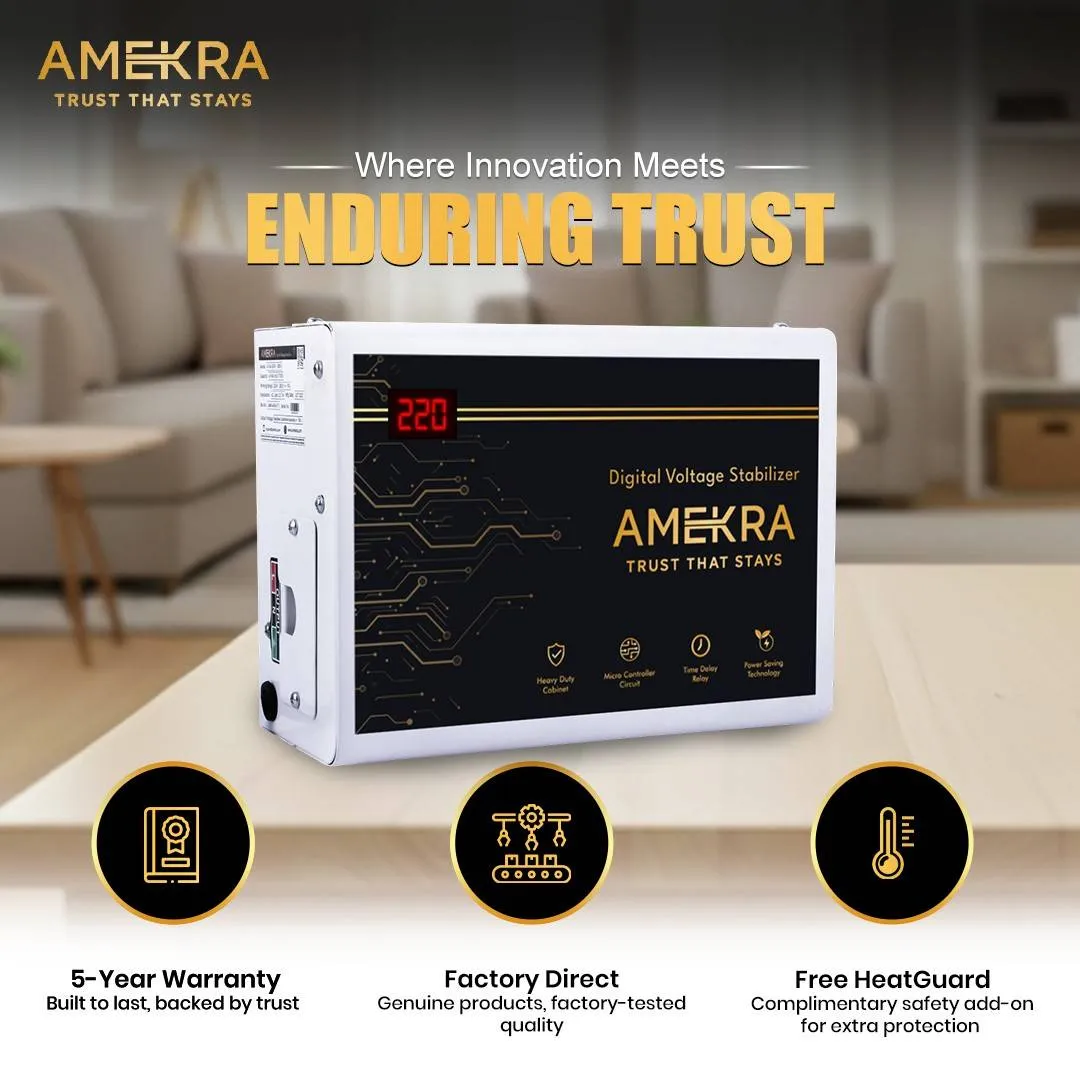
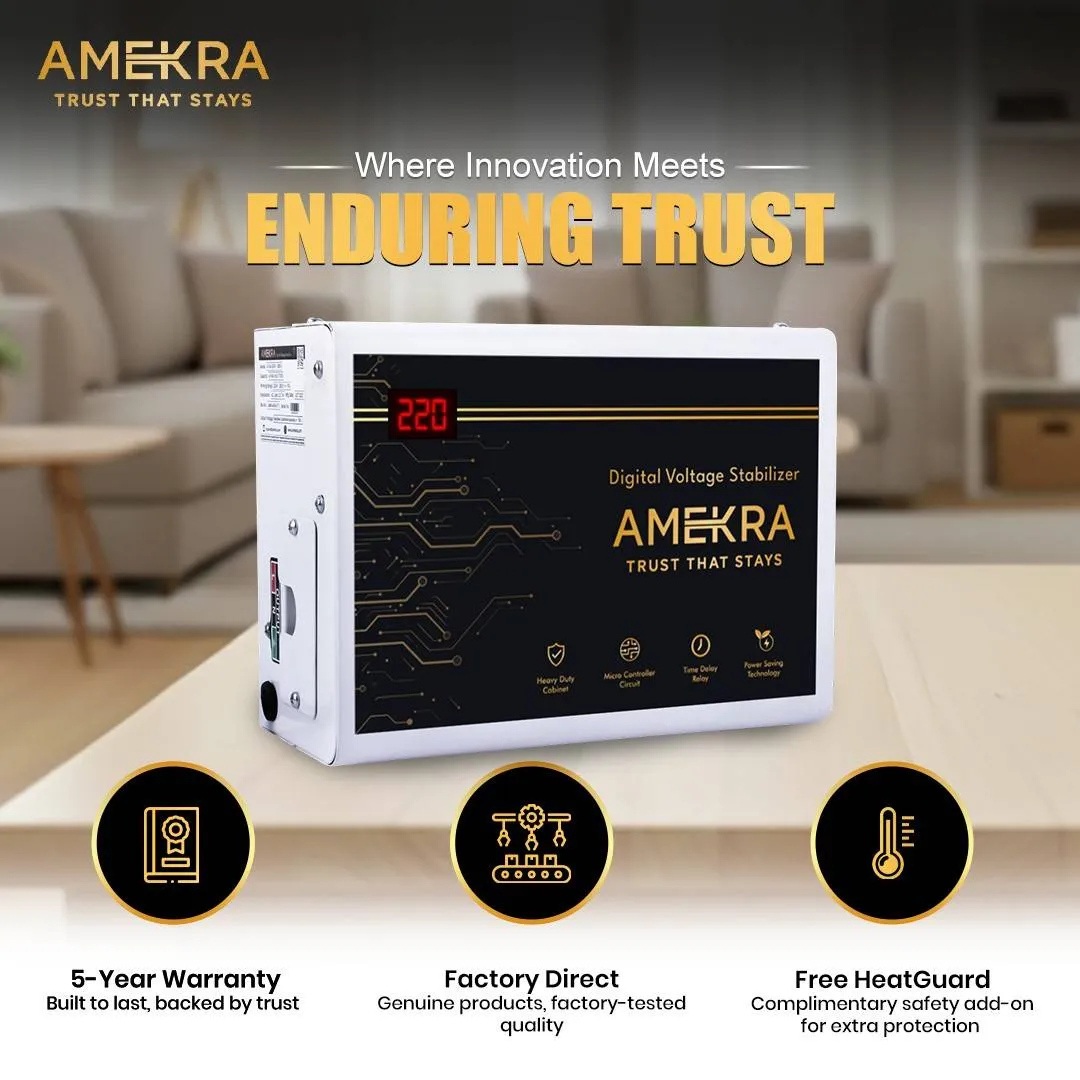
Investing in the right stabilizer—whether an ac stabilizer for 1 ton, ac stabilizer for 1.5 ton, or ac stabilizer for 2 ton—ensures consistent performance, protects critical components, and extends the life of your air conditioner.
For long-term reliability and peace of mind, using a stabilizer remains a smart and practical choice—even in modern urban homes.



























Sign in to leave a comment.