
Air conditioners are designed to deliver consistent cooling, but their performance depends heavily on a stable power supply. In many homes, especially during peak summer months, voltage levels can drop below the required range. Low voltage is one of the most common yet overlooked issues that can affect your AC’s efficiency and lifespan. Understanding its impact can help you take the right steps to protect your appliance.
Why Low Voltage Is a Problem for Air Conditioners
Air conditioners require a specific voltage range to operate smoothly. When the supply drops below this level, the system struggles to function properly. Low voltage forces the compressor and motor to work harder than usual, leading to increased stress on internal components.
This can result in:
- Reduced cooling performance
- Increased electricity consumption
- Frequent shutdowns or tripping
- Long-term damage to the compressor
Without proper protection, continuous exposure to low voltage can significantly shorten the life of your air conditioner.
Common Signs of Low Voltage in Your AC
Identifying low voltage issues early can help prevent serious damage. Here are some common warning signs:
- The AC takes longer to cool the room
- Lights dim when the AC starts
- The compressor struggles to start or makes unusual noise
- The unit turns off unexpectedly
- Cooling performance becomes inconsistent
If you notice these symptoms regularly, your home may be experiencing voltage drops that need immediate attention.
How Low Voltage Affects AC Components
Low voltage does not just reduce performance—it can damage critical parts of your air conditioner over time.
Compressor Stress
The compressor is the heart of your AC. When voltage is too low, it struggles to start and maintain proper operation. This can lead to overheating and eventual failure.
Motor Inefficiency
The fan motor may run slower under low voltage, reducing airflow and affecting cooling efficiency.
Circuit Board Damage
Modern air conditioners have sensitive electronic circuits that require stable power. Low voltage can disrupt their functioning and lead to costly repairs.
Can Low Voltage Increase Your Electricity Bill?
Yes, low voltage can indirectly increase your electricity costs. When your AC does not receive enough power, it takes longer to achieve the desired temperature. This extended runtime results in higher energy consumption.
In simple terms, your AC works harder but delivers less cooling, leading to inefficient performance and increased expenses.
How a Stabilizer Helps Solve Low Voltage Issues
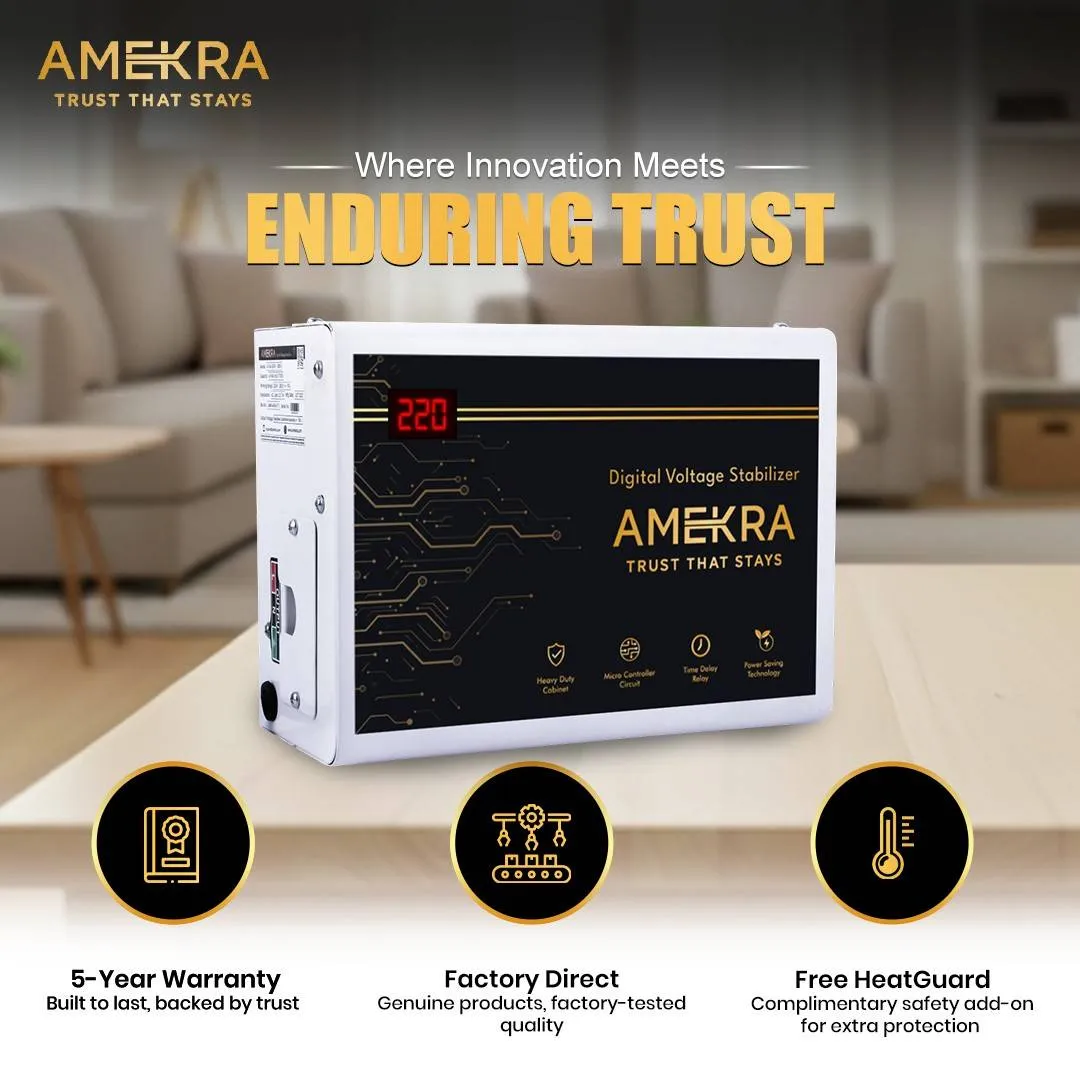
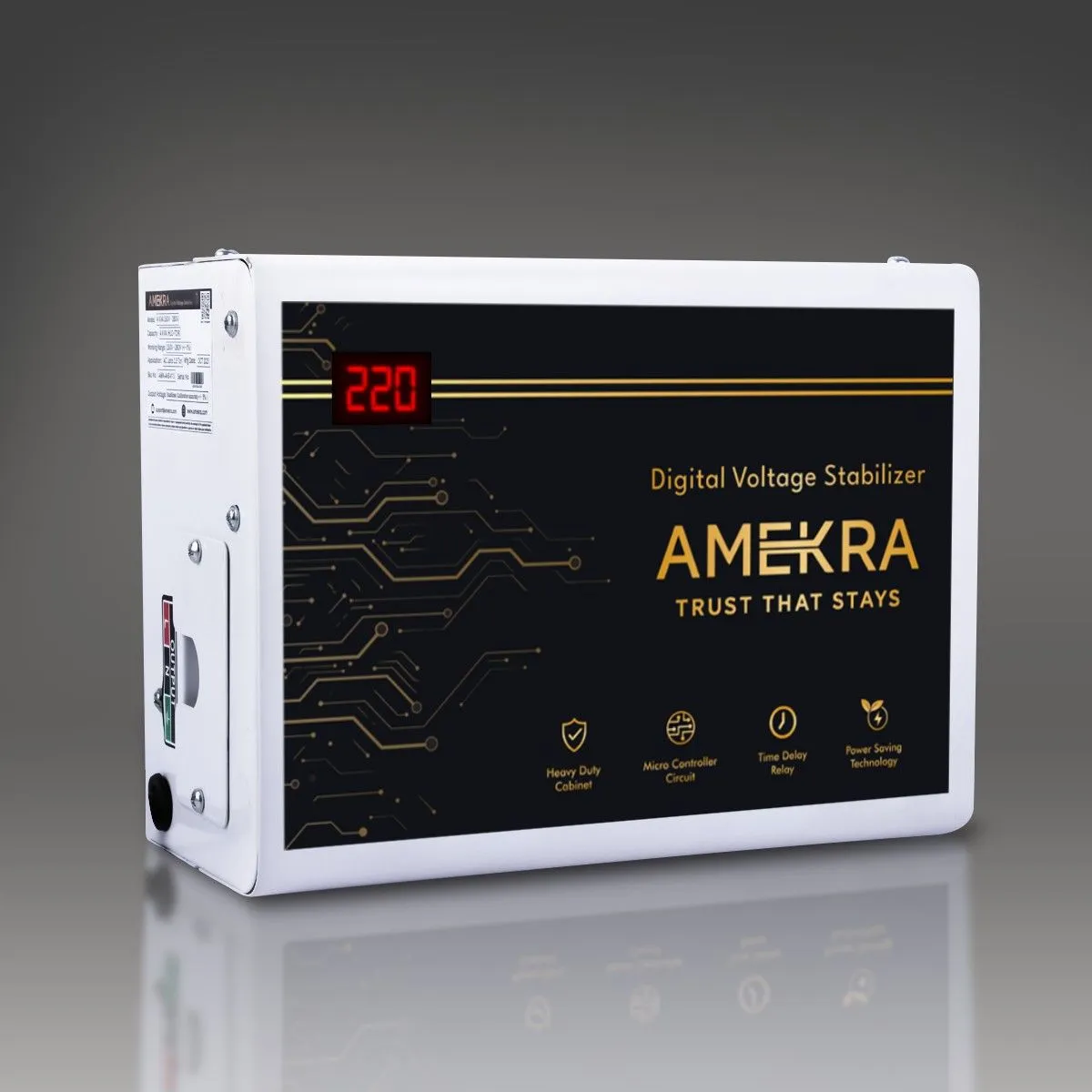
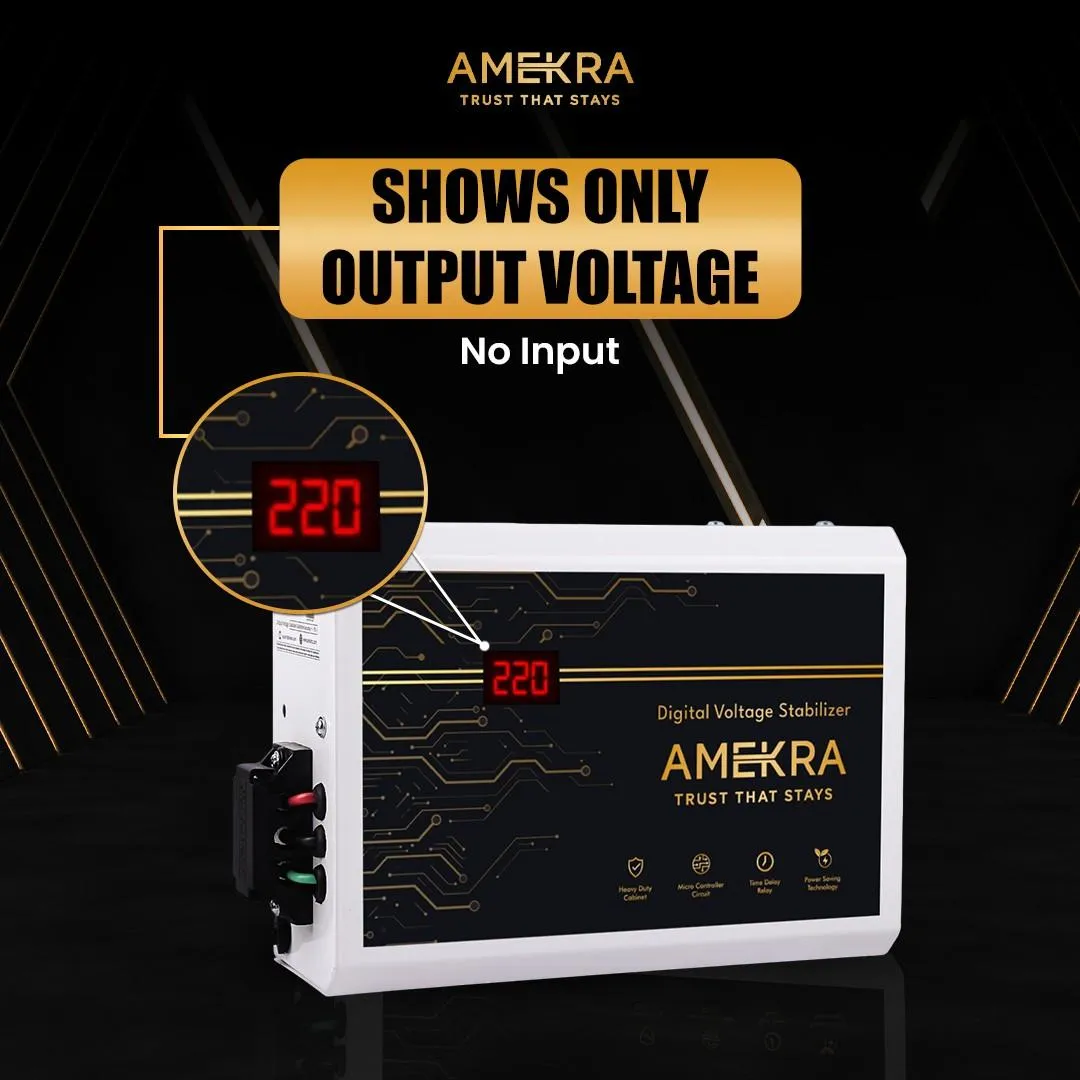
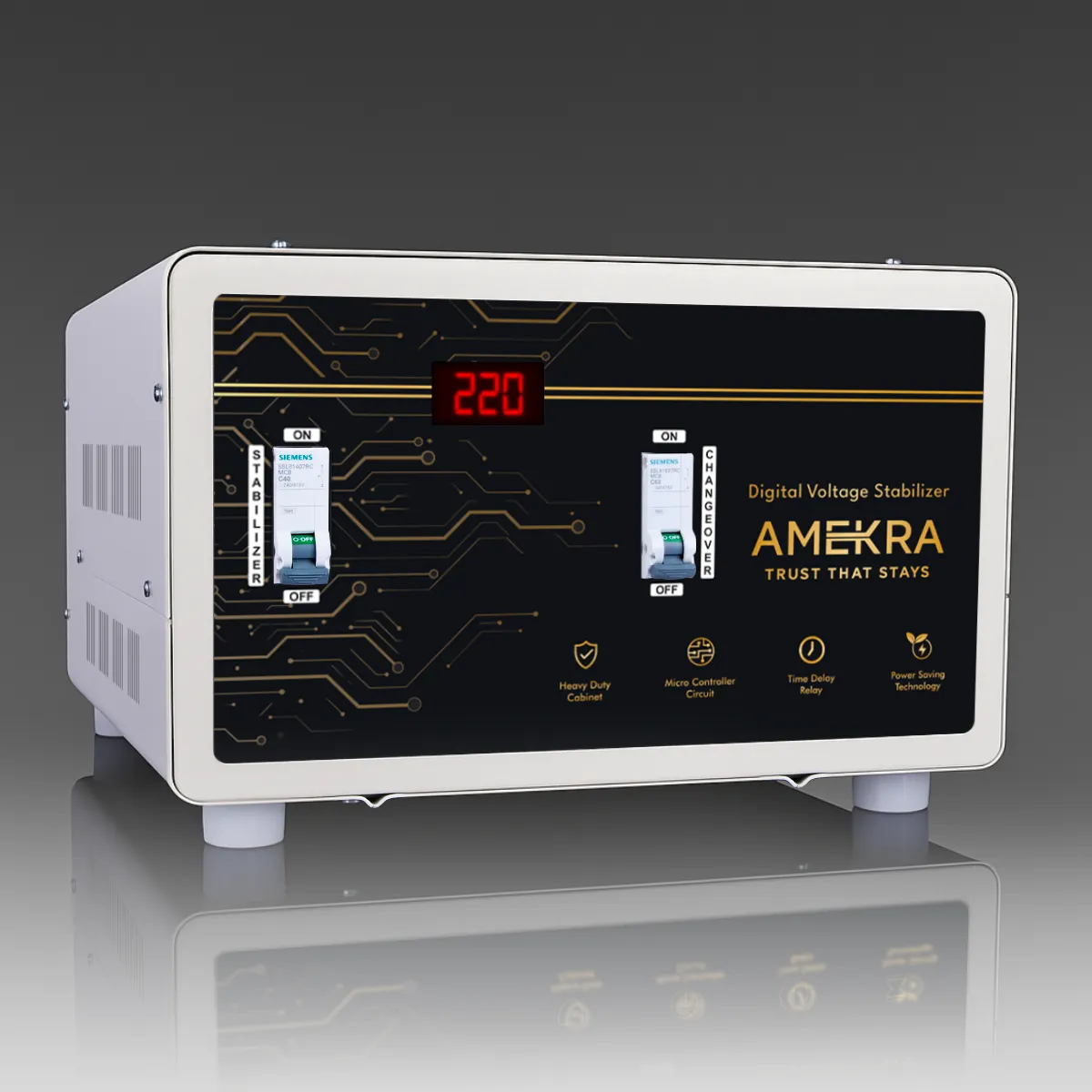
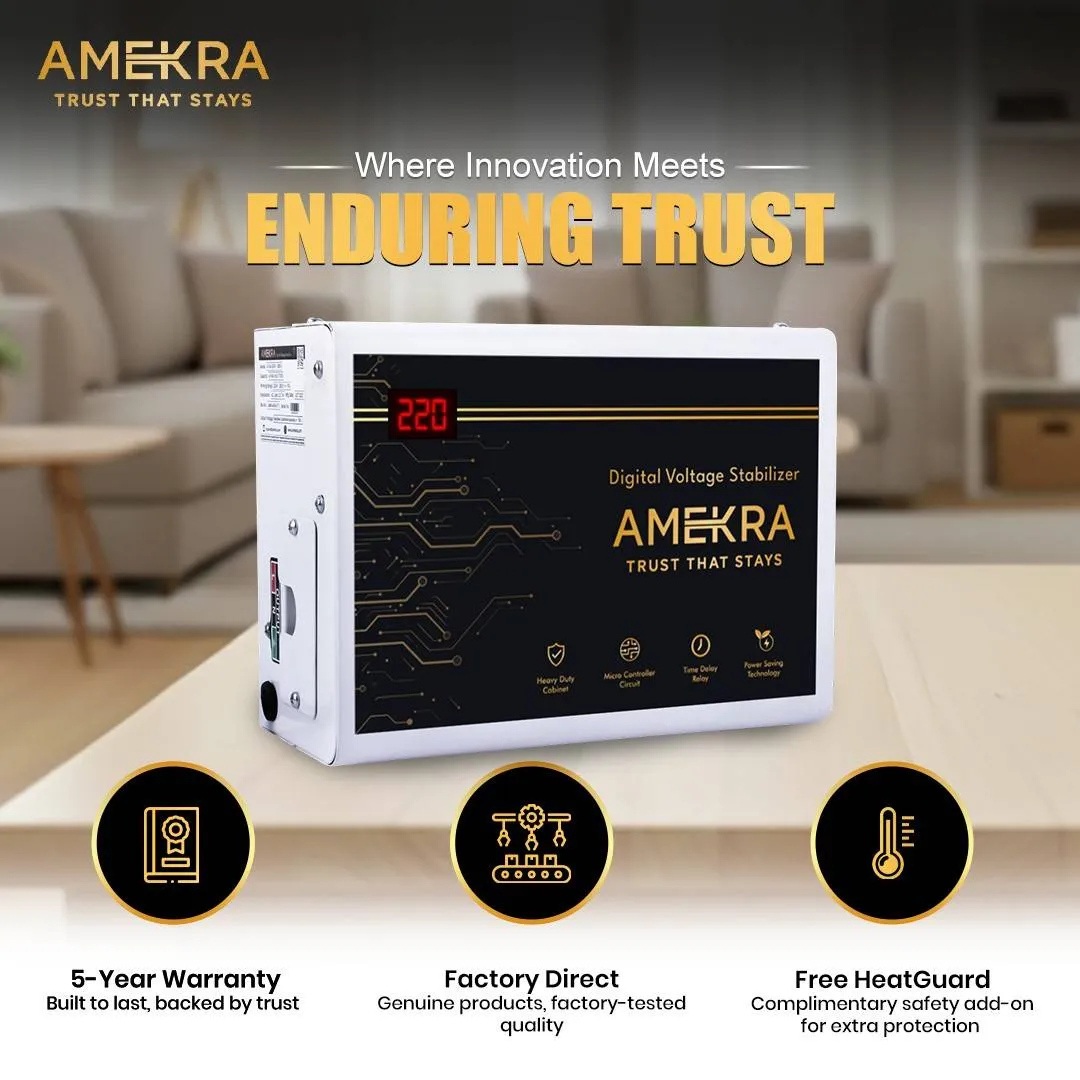
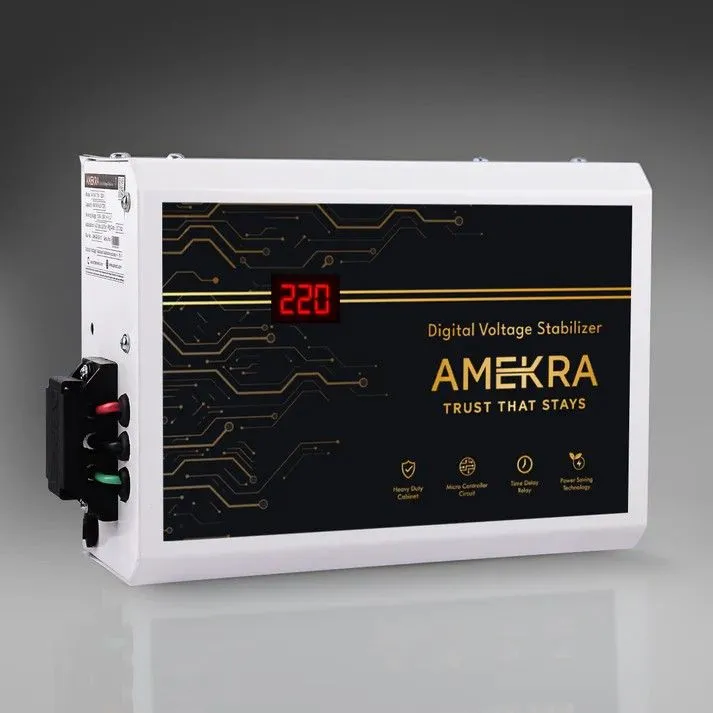
The most effective way to protect your air conditioner from low voltage is by using a voltage stabilizer. A stabilizer regulates incoming power and ensures that your AC receives a consistent voltage supply.
With a stabilizer:
- The compressor operates smoothly without strain
- Cooling performance remains consistent
- Power consumption stays optimized
- Internal components are protected from damage
Choosing the right stabilizer based on your AC capacity is essential for maximum efficiency.
Choosing the Right Stabilizer for Your AC
Selecting the correct stabilizer ensures that your air conditioner gets the protection it needs. The capacity of the stabilizer should match your AC’s tonnage.
- An ac stabilizer for 1 ton is ideal for smaller rooms and compact AC units
- An ac stabilizer for 1.5 ton is suitable for medium-sized spaces
- An ac stabilizer for 2 ton is recommended for larger rooms and higher cooling loads
Using the right stabilizer prevents overloading and ensures stable operation even during voltage drops.
Additional Tips to Prevent Low Voltage Damage
Apart from installing a stabilizer, you can take a few additional steps to protect your AC:
- Avoid using multiple heavy appliances on the same power line
- Ensure proper wiring and electrical connections
- Schedule regular maintenance for your AC
- Monitor voltage levels during peak usage hours
These simple practices can help improve performance and reduce the risk of damage.
Long-Term Benefits of Voltage Protection
Protecting your AC from low voltage offers several long-term advantages:
- Improved cooling efficiency
- Lower electricity bills
- Reduced maintenance costs
- Longer lifespan of the appliance
Investing in voltage protection today can save you from expensive repairs in the future.
Conclusion
Low voltage is a serious issue that can affect your air conditioner’s performance, efficiency, and durability. From reduced cooling to compressor damage, the impact can be significant if not addressed in time. Installing a stabilizer is one of the most effective ways to ensure a stable power supply and protect your AC from electrical stress.
Whether you need an ac stabilizer for 1 ton, ac stabilizer for 1.5 ton, or ac stabilizer for 2 ton, choosing the right capacity ensures reliable performance and long-term safety. By taking the right precautions, you can keep your air conditioner running efficiently and enjoy uninterrupted comfort even during extreme summer conditions.




























Sign in to leave a comment.