

Launching a hybrid crypto exchange feels achievable until the build actually begins. The concept is solid, the team is capable and the early estimates look reasonable on paper. Then the architecture decisions start compounding, the scope expands in ways nobody planned for and the budget that felt comfortable in week one starts showing cracks by week eight. The projects that avoid this pattern are not the ones with deeper pockets. They are the ones where someone understood the real cost structure before the first commitment was made.
Two Infrastructures Mean Two Sets of Real Costs
A hybrid exchange does not allow the luxury of choosing one infrastructure model. The on-chain layer demands smart contract development, security auditing and active maintenance across every chain the platform supports. The off-chain layer requires a high-performance matching engine, custody systems and API reliability that holds under genuine trading pressure. Neither side is a background task.
Both require dedicated engineering effort, ongoing investment and a budget that accounts for their individual complexity from the very beginning. Hybrid crypto exchange development cost is not one number. It is the sum of two demanding systems built to work as one.
Security Spending Shapes Everything Else
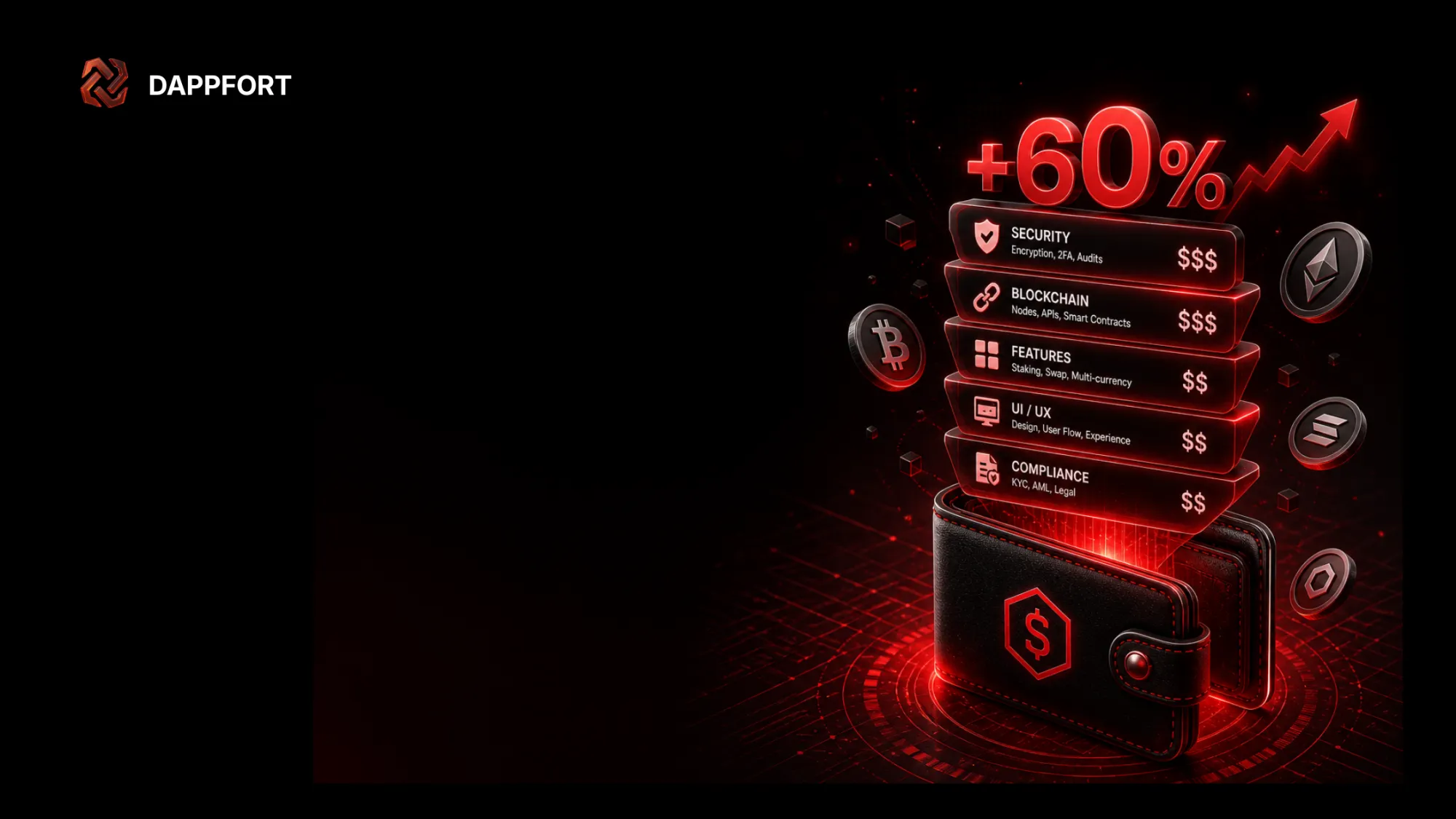
Cutting the security budget feels like a reasonable tradeoff early in the planning process. In practice it is one of the most expensive decisions a team can make. Smart contract audits, penetration testing, multi-signature key management and cold storage architecture are not optional layers added after the platform matures. They are the foundation user trust is built on. Platforms that treat security as a phase two priority tend to meet the consequences of that decision at the worst possible time.
Compliance Infrastructure Belongs in the First Budget Draft
KYC systems, AML monitoring and jurisdiction specific legal review are not features that slot in once the core product is stable. They influence backend architecture, data handling and user verification flows from the ground up. Teams that defer compliance planning do not buy themselves more time. They guarantee a more expensive and disruptive rebuild later while real users are already depending on the platform.
Liquidity Is an Ongoing Operational Commitment
Connecting to liquidity providers and maintaining reliable order depth across both on-chain and off-chain sides of the book is not a launch task that gets checked off and forgotten. It is a continuous operational responsibility that grows with trading volume and demands consistent attention long after the platform goes live.
Clarity Before Commitment Changes Everything
The exchanges that build well and hold their ground share one common thread. The leadership team sat with the full financial picture before any technical direction was locked in. Before the first architecture meeting or vendor conversation, work through a detailed cost to build a hybrid crypto exchange breakdown and give every decision the foundation it deserves.





























Sign in to leave a comment.