
There is a moment every founding team hits. Someone opens a whiteboard, draws a box labeled wallet, and nods along like the hard part is already behind them. The documentation exists. Developers are available. The market opportunity is real. So the team moves fast, makes early calls, and locks in decisions that feel small at the time. Months later, some of those decisions are the reason everything is harder than it should be.
The Gap Between What You Think You Are Building and What You Actually Are
A crypto wallet is not a bank account in new technology. It is a system built around cryptographic proof of ownership, and that changes everything about how it needs to be designed. The first decision that trips most teams up is key custody.
It sounds like a product choice. It is actually a legal position, a security architecture and an operational responsibility all at once. Teams that treat it casually in week one spend months quietly working around a foundation that was never solid to begin with.
The Multichain Promise That Becomes a Multichain Problem
Adding chain support sounds straightforward until you are deep inside it. Ethereum and Solana operate on different assumptions entirely. Bitcoin has its own model that does not care about the shortcuts EVM development taught you.
Each new chain is not a checkbox. It is a new surface area for bugs, for edge cases and for the kind of failures that only show up after real users are depending on the product. Teams that navigate this well treat multichain as a planning conversation, not an afterthought saved for a later sprint.
Compliance Is Not a Later Problem
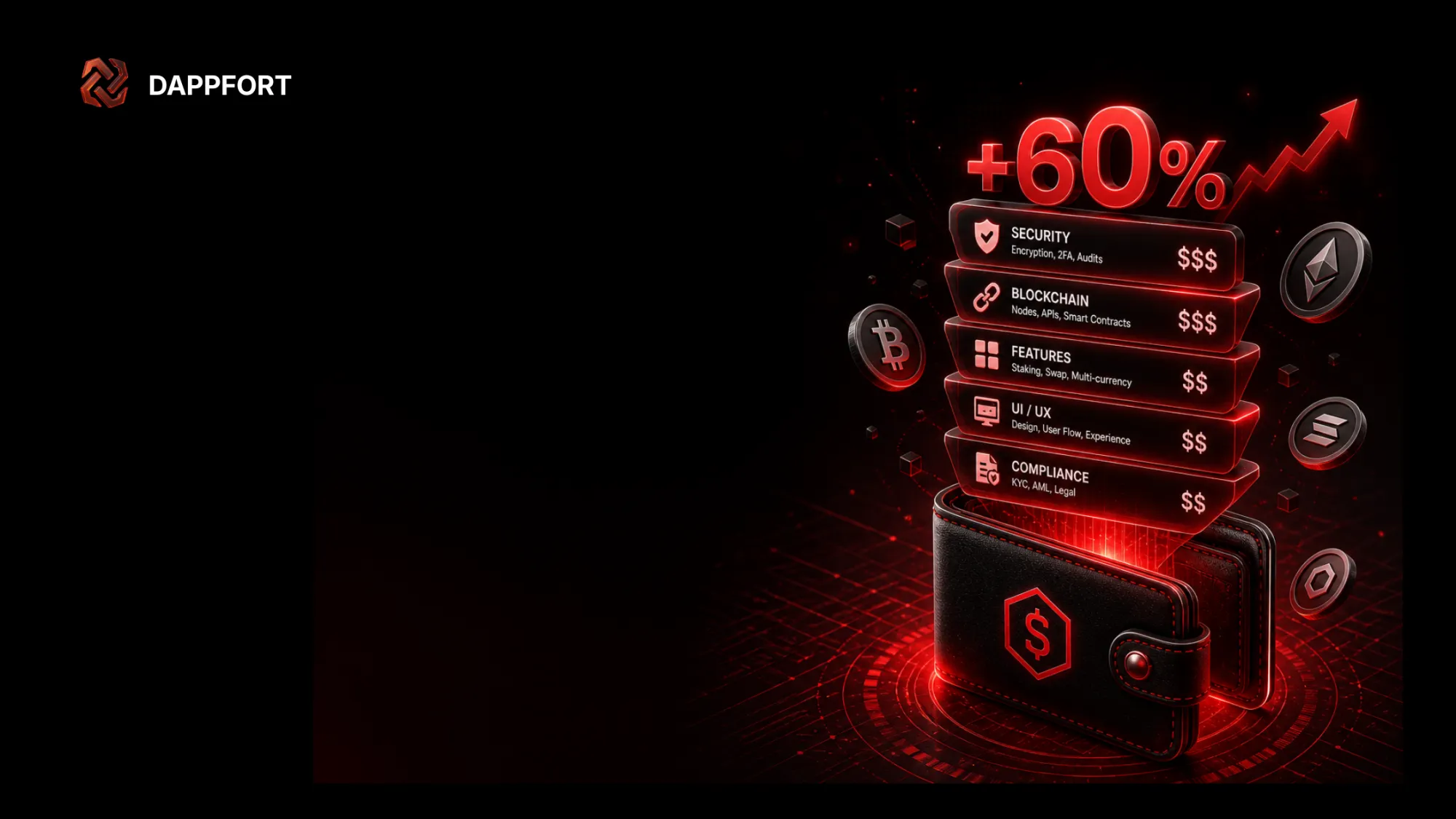
A lot of teams put compliance on a list labeled when we scale. By the time scaling happens, the cost of building it properly has multiplied. KYC flows, transaction monitoring and audit infrastructure are not features you layer on top of a finished product. They are decisions that shape the product from the inside. Leaving them out early does not buy time. It just means the work gets done under pressure instead of with intention.
What Actually Separates the Wallets That Survive
The projects that make it to real users with their reputation intact are not always the ones that moved fastest or raised the most. They are the ones where someone on the team had the discipline to slow down before the first architecture meeting and actually understand what was being built. Not the surface of it. The full weight of it.
If that kind of thinking matters to you, start with a proper cryptocurrency wallet development guide before the decisions get locked in. The teams that build well do not get lucky. They get clear on the problem before the problem gets expensive.




























Sign in to leave a comment.