
Introduction
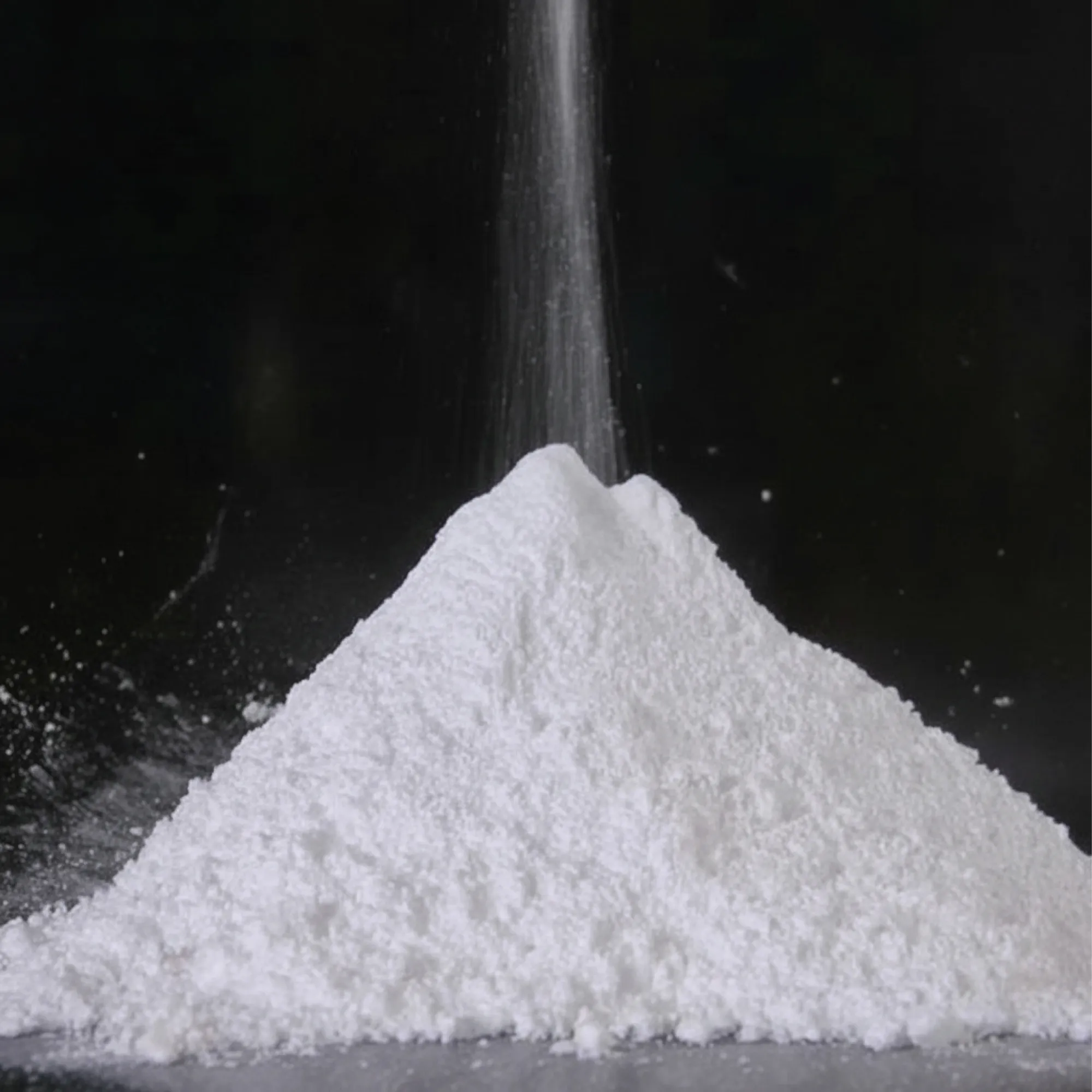
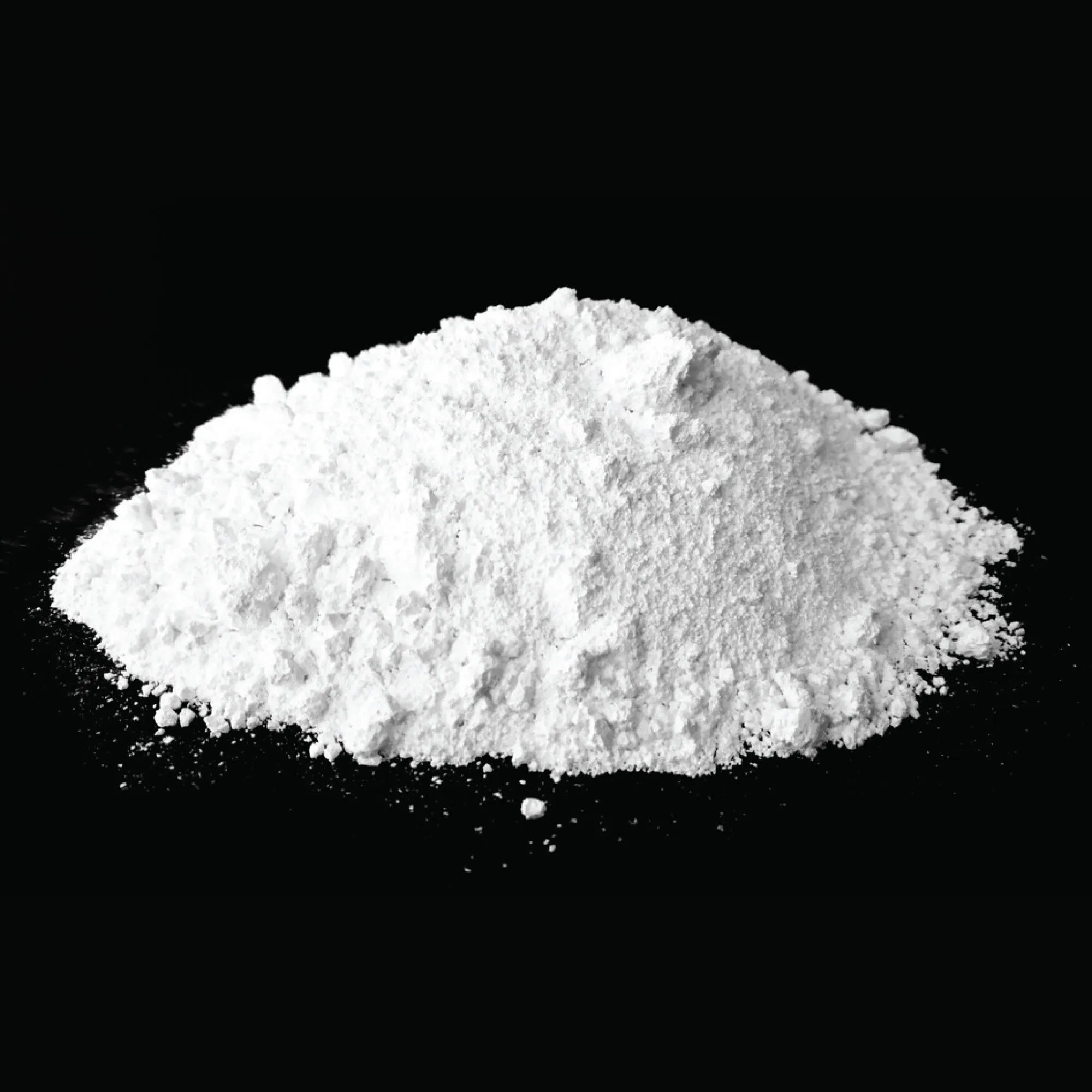
Finding reliable talc powder suppliers in India isn't as straightforward as it sounds. The market has no shortage of sellers, but buyers across paints, cosmetics, plastics, and ceramics regularly run into problems that slow production, inflate costs, or damage their end product. This article breaks down the most common quality issues — and what you can actually do to avoid them.
Inconsistent Whiteness and Purity Levels
This is probably the most common complaint. A supplier ships one batch that meets spec. The next one is slightly off in whiteness or has elevated calcium content. It doesn't seem like a big deal until it shows up in your finished product — dull coatings, uneven textures, or failed QC checks.
The root cause is usually poor mine-to-mill traceability. Some suppliers blend talc from multiple sources without telling buyers. The only way to protect yourself is to ask for lot-specific test reports — not just a general product spec sheet. If a supplier hesitates on that, take note.
Wrong Particle Size Distribution
Talc behaves very differently depending on its fineness. A product labeled "400 mesh" from one supplier may not have the same particle size profile as 400 mesh from another. That difference matters in applications like rubber compounding or polymer filling, where flow behaviour and dispersion are critical.
Before committing to a supplier, ask for particle size analysis data (D50, D90 values specifically). Better yet, run a small trial batch through your actual process before placing a bulk order.
Moisture Content Problems
This one gets overlooked. Talc that has absorbed moisture during storage or transport causes clumping, affects powder flow, and can create issues in moisture-sensitive applications. Some suppliers store talc in conditions that aren't temperature or humidity controlled, and it shows up in the material you receive.
Ask about packaging standards and storage practices. Good suppliers use multi-layer moisture-resistant bags and have covered warehouse storage. If you're buying in large quantities, specify moisture limits in your purchase order — not just the product spec.
Surface Contamination and Foreign Matter
In poorly managed processing facilities, contamination from equipment, dust, or cross-contact with other minerals is a real issue. Even small traces of silica or iron oxide in talc can cause problems in applications where colour or chemical inertness matters.
Reputable talc powder suppliers in India will have documented cleaning protocols and ideally third-party lab certifications. Look for ISO 9001 certification at minimum. If a supplier can't show you recent independent lab results, that's a gap worth pushing on.
Lack of Documentation and Traceability
The less visible problem — and arguably the most frustrating — is when suppliers can't back up their claims with paperwork. No SDS (Safety Data Sheet), no COA (Certificate of Analysis) for each batch, no traceability back to the source mine.
This becomes a serious issue if you supply to regulated industries like cosmetics, food-grade packaging, or pharmaceuticals. Regulatory audits will ask for this documentation, and if you can't produce it, the liability lands on you — not your supplier.
Set minimum documentation requirements before you sign any supply agreement. COA per batch, SDS, mine origin disclosure, and test methodology should all be non-negotiable.
Why Choose Sudarshan Group
Sudarshan Group sources talc from controlled mine locations and processes it through dedicated milling lines with consistent monitoring at each stage. Every batch comes with a full Certificate of Analysis, and the team is available to share particle size data, whiteness readings, and moisture specs before purchase.
The company has long-term supply relationships across paints, rubber, ceramics, and polymer industries — not because of marketing, but because consistent material quality reduces headaches for buyers over time. Sudarshan Group also maintains proper documentation standards, which matters if you're audited or exporting to international markets.
Conclusion
Quality problems with talc in India rarely come from a single dramatic failure. They're usually slow, cumulative issues — a slightly different whiteness here, a moisture spike there — that add up to real cost and production disruption over months.
The fix isn't complicated: verify documentation, run trial batches, ask hard questions about sourcing, and work with suppliers who can actually answer those questions. Sudarshan Group is set up to do exactly that.
FAQs
What should I check before buying talc powder from a new supplier in India? Ask for a recent Certificate of Analysis for the specific grade you need, particle size data (D50 and D90), moisture content limits, and mine origin. Run a small trial batch before placing bulk orders.
How do I know if talc whiteness is consistent between batches? Request lot-specific whiteness (brightness) readings with each shipment — not just a general product spec. Whiteness is measured in GE or ISO brightness units. Any reputable supplier should be able to provide this per lot.
What causes clumping in talc powder during storage? Clumping is almost always a moisture issue. Talc absorbs humidity if stored in open or poorly sealed packaging. Look for suppliers who use sealed multi-layer bags and store material in covered, dry warehouses.
Is ISO certification important when choosing talc powder suppliers in India? It's a useful baseline indicator of process discipline, but it doesn't replace product-specific testing. A supplier can be ISO certified and still have inconsistent output. Ask for lab results alongside any certification.
What particle size is suitable for paint and coating applications? Most paint applications use talc in the 10–45 micron range (roughly 325–1250 mesh). The right grade depends on the specific coating system. Always confirm with your formulation chemist and test the actual material in your process before finalizing a grade.



























Sign in to leave a comment.