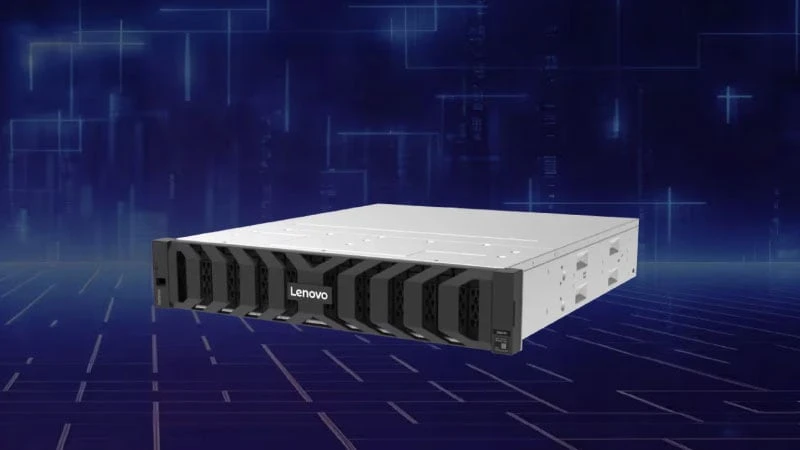

Ransomware attacks have become one of the biggest fears for businesses today. A single attack can lock files, stop operations, and cause serious financial damage. Many companies lose access to their data within minutes. When that happens, teams feel helpless, and pressure builds quickly.
This is where strong data storage systems start to matter. Storage is no longer just a place to keep files. It now plays an active role in protecting valuable information. Modern storage tools use smart monitoring, automation, and secure backups to reduce risk.
AI powered ransomware protection works best when storage systems include the right safety features. These features help detect strange activity, block attacks, and recover files quickly. When storage is designed for security, businesses can continue working without fear.
Let us explore how the right protection turns storage from a passive tool into a strong digital shield.
1. Real Time Threat Detection
Ransomware rarely attacks silently. It changes files quickly and creates unusual activity in storage systems. Smart storage solutions can detect these patterns early and raise alerts before major damage happens.
When data storage features track file behavior in real time, they notice sudden spikes in file edits or encryption attempts. This type of monitoring helps teams respond faster. Even small warning signs can stop an attack before it spreads across the network.
AI Behavior Monitoring
AI behavior monitoring studies how files normally move and change. When something unusual appears, the system flags it instantly.
For example, AI may notice that hundreds of files suddenly start changing names or formats. This behavior often signals ransomware activity. The storage system can respond right away by freezing suspicious processes.
Key benefits include
- Early detection of ransomware patterns
- Faster security alerts
- Reduced damage to stored data
Real time monitoring acts like a guard that never sleeps. It constantly watches data activity and protects files from hidden threats.
2. Immutable Data Protection
Ransomware often tries to modify or delete backups first. If attackers remove recovery files, businesses lose their safety net. Immutable storage helps prevent this problem.
Immutable storage locks important data so that no one can change or delete it for a fixed period of time. Even administrators cannot alter the files during this lock period. This protection keeps backup data safe from ransomware attacks.
Write Once Storage Technology
Write once storage allows files to be saved but not edited afterward. Once data enters the system, it stays unchanged until the protection period ends.
This feature creates a reliable recovery point. If ransomware encrypts active files, teams can restore clean versions from protected storage.
Practical advantages include
- Protection against backup deletion
- Reliable file recovery after an attack
- Strong defense against insider threats
Immutable storage gives businesses peace of mind. It ensures that safe copies of data always remain available.
3. Automated Backup Snapshots
Manual backups often fail because people forget to run them regularly. Ransomware takes advantage of these gaps. Automated snapshots solve this issue by creating frequent backup copies without human effort.
Snapshots capture the exact state of data at a specific moment. If ransomware encrypts files later, teams can restore the earlier version quickly. This reduces downtime and prevents permanent data loss.
Scheduled Snapshot Recovery
Modern storage systems create snapshots automatically based on smart schedules. Some platforms even increase snapshot frequency when they detect unusual activity.
This approach helps protect sensitive data in real time. Instead of relying on daily backups, businesses may create snapshots every few minutes.
Benefits of automated snapshots include
- Quick restoration of damaged files
- Reduced recovery time
- Continuous data protection
Frequent snapshots act like checkpoints in a game. If something goes wrong, teams can return to a safe point and continue working.
4. Secure Access Controls
Many ransomware attacks start with stolen login credentials. Once attackers enter a system, they move through storage networks and target valuable data. Strong access control helps stop this movement.
Secure storage platforms limit who can open, edit, or delete files. They also track every action that happens inside the system. This visibility helps detect suspicious behavior quickly.
Role Based Permission Systems
Role based permissions assign access based on a person's job responsibilities. Employees only see the files they truly need.
For example, a finance employee may access billing data but cannot change system backups. This simple rule reduces the chance of accidental damage or insider threats.
Important security benefits include
- Limited access to sensitive data
- Clear control over file permissions
- Better monitoring of user activity
When access rules stay strict and organized, ransomware struggles to spread across the system.
5. Fast Data Recovery Tools
Even with strong defenses, some attacks still succeed. Recovery speed then becomes the most important factor. Businesses need storage systems that restore data quickly and safely.
Fast recovery tools help teams rebuild systems within minutes instead of days. This speed prevents long service interruptions and protects business reputation.
Instant File Restoration
Instant recovery tools allow teams to restore specific files without rebuilding the entire system. This feature saves time and keeps work moving.
If ransomware locks one folder, teams can restore that folder alone. They do not need to recover every file on the server.
Helpful recovery features include
- One click file restoration
- Rapid system rollback
- Minimal downtime during recovery
Fast recovery tools reduce panic during an attack. Teams know they can recover files quickly and continue working without long delays.
Final Thoughts
AI powered ransomware protection depends heavily on strong storage features. When storage systems include smart monitoring, immutable backups, automated snapshots, strict access controls, and fast recovery tools, businesses gain powerful protection.
These features work together like layers of security. One layer detects threats. Another layer protects backups. A third layer restores data quickly if needed.
Ransomware attacks continue to grow each year. Strong storage solutions help organizations stay prepared. When data remains safe, teams can focus on their work with confidence.






















Sign in to leave a comment.