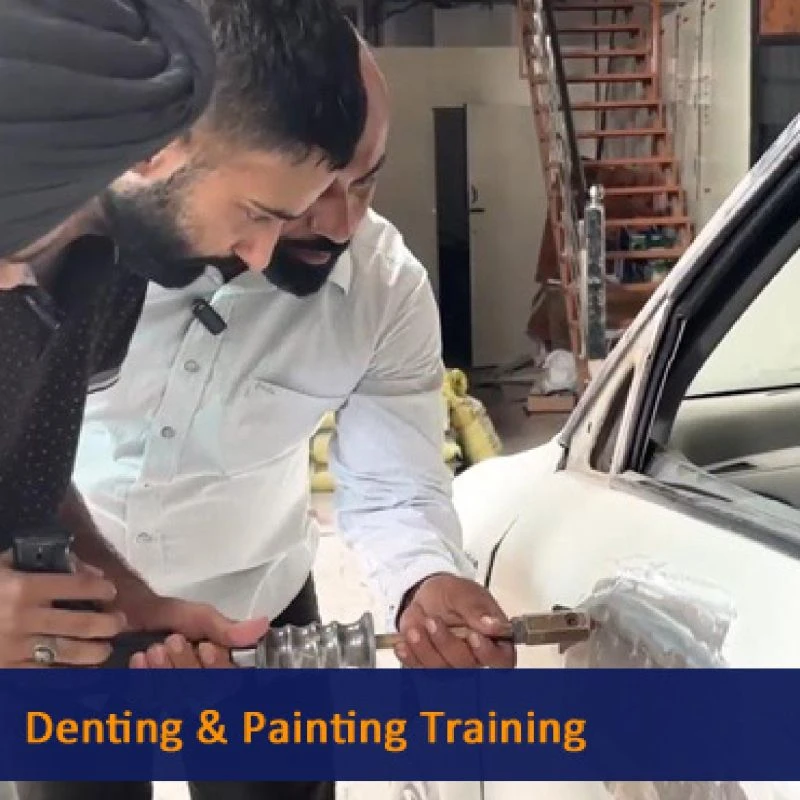

The automotive industry always needs skilled mechanics. A job repairing car bodies offers real promise. Special training gives you the hands-on skills you need. These courses prepare you for jobs at garages and service centres. Being equipped with such skills implies greater employment security and higher wages.
The first step is to select the appropriate training course. This specialised instruction transforms motivated beginners into industry-ready technicians. Continue reading to learn about five essential topics covered in a quality denting & painting training course.
1. Complete Knowledge of Car Body Parts and Assembly
A thorough understanding of a car's structure is foundational. Training begins with comprehensive knowledge of all car body components. This includes fenders, doors, bonnets, and quarter panels. Trainees learn how different parts fit together. They study the materials used to build today's cars. Knowing a part's name and job is key to good repair work. This first step prepares you for the harder hands-on skills in denting & painting training.
2. Core Manual and Machine Denting Techniques
Mastering dent removal is central to body repair work. The course covers both traditional manual denting methods. This involves hammers, dollies, and specialised levers. Students also learn modern machine denting techniques. These advanced methods include various pulling and suction processes. Trainees practise removing small dings and major collision damage. Manual skills are vital for finesse, while machines handle tough structural corrections. This dual approach ensures comprehensive repair capability.
3. Surface Prep
Perfect paintwork depends heavily on excellent surface preparation. Technicians must learn the detailed process of body filling. They apply fillers to smooth out imperfections after dent repair. Careful rubbing and sanding ensure a perfectly level surface. This phase is critical for the final paint adhesion and finish. The training concludes with final polishing techniques. This makes the car's paint shine like new. This careful method promises a good, professional result.
4. Specialisation in Bumper and Plastic Component Repair
Newer cars use many plastic parts, especially for bumpers and trims. You need special skills to fix these car parts. The course includes hands-on practice in plastic welding. It prevents the need for costly part replacement every time. Students also learn proper disassembly and reassembly of these parts. This specialisation makes trainees more valuable to employers. This denting & painting training enhances their overall repair service offering.
5. Comprehensive Painting Techniques and Systems
The painting segment goes beyond simple colour application. It covers preparation, colour matching, and spray booth operations. Students learn about different types of automotive paints and clear coats. They practise spraying techniques for an even, high-quality finish. The training also integrates principles of effective denting and painting techniques. Proper masking and paint mixing are key areas of focus. This ensures the repaired area perfectly blends with the original paintwork.
All in all, enrolling in a quality denting & painting training course is a smart career move. The two-month course duration provides intensive, focused learning. Topics like glass fitting and gas welding add extra versatility. Students gain complete skills for accident body repair and detailing. For those outside Khanna, accommodation and meals are arranged nearby. The low cost for food and lodging, about 6500−7000 each month, makes it accessible. This type of training leads right to steady and rewarding job openings.































Sign in to leave a comment.