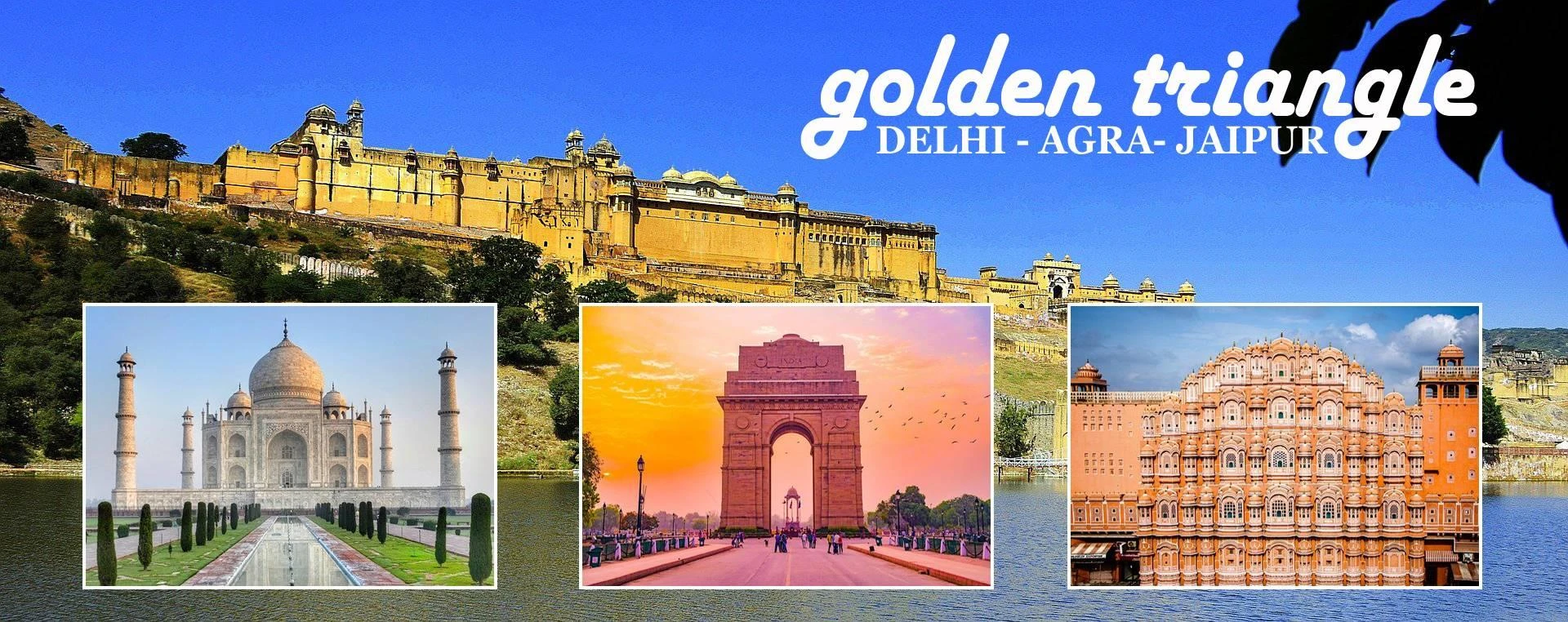

The allure of India is in its vibrant tapestry of history, culture, and architecture. The Golden Triangle, a popular tourist circuit connecting Delhi, Agra, and Jaipur, offers a glimpse into the country\'s rich past and diverse heritage. The 5 Day Golden Triangle Tour India promises an unforgettable journey through time, where every destination tells a unique story. Here are the five must-see destinations on this enchanting tour from Delhi.
1. Delhi: The Heart of India
Humayun\'s Tomb: The Garden Tomb of India
Humayun\'s Tomb, a UNESCO World Heritage Site, is a magnificent example of Mughal architecture. Built in the mid-16th century, this garden tomb is the precursor to the Taj Mahal. Its symmetrical gardens, grandiose marble dome, and intricate lattice work offer a serene escape from the bustling city.
Qutub Minar: A Towering Marvel
Qutub Minar stands as a testament to the architectural brilliance of the early mediaeval period in India. At 73 metres, this towering minaret is a UNESCO World Heritage Site and is adorned with intricate carvings and inscriptions from the Quran. The surrounding Qutub Complex houses several other historical monuments, making it a comprehensive historical site.
India Gate: A War Memorial
The India Gate, a majestic archway in the heart of Delhi, commemorates the soldiers of the British Indian Army who died in World War I. Designed by Sir Edwin Lutyens, this iconic structure is surrounded by lush lawns and is particularly captivating when illuminated at night.
Chandni Chowk: The Bustling Bazaar
A visit to Delhi is incomplete without exploring Chandni Chowk, one of the oldest and busiest markets in the city. This bustling bazaar offers an authentic taste of Delhi\'s street food, traditional jewellery, textiles, and a myriad of other goods. The chaotic charm of Chandni Chowk provides a stark contrast to the city\'s monumental serenity.
Red Fort: The Majestic Fortress
The Red Fort, a UNESCO World Heritage Site, epitomises the zenith of Mughal architecture and power. This colossal red sandstone fort served as the main residence of the Mughal emperors for nearly 200 years. Its imposing walls, palatial structures, and lush gardens reflect the opulence and grandeur of the Mughal era.
2. Agra: The City of Love
Taj Mahal: The Epitome of Love
No mention of Agra is complete without the Taj Mahal, one of the Seven Wonders of the World. This white marble mausoleum, built by Emperor Shah Jahan in memory of his beloved wife Mumtaz Mahal, is an architectural masterpiece. Its intricate carvings, symmetrical design, and the surrounding lush gardens make it a symbol of eternal love.
Agra Fort: A Mughal Masterpiece
Agra Fort, another UNESCO World Heritage Site, is a massive red sandstone fortress that was the main residence of the Mughal emperors until the mid-17th century. The fort complex comprises numerous palaces, halls, and mosques, each showcasing the grandeur of Mughal architecture.
Fatehpur Sikri: The Ghost City
Just a short drive from Agra lies Fatehpur Sikri, a UNESCO World Heritage Site and a stunning example of Mughal town planning. Built by Emperor Akbar in the 16th century, this city served as the Mughal capital for a brief period. The city is known for its well-preserved palaces, courtyards, and the iconic Buland Darwaza, the largest gateway in the world.
Mehtab Bagh: The Moonlight Garden
For a unique view of the Taj Mahal, visit Mehtab Bagh, a charbagh complex located across the Yamuna River. Known as the Moonlight Garden, it provides a breathtaking backdrop for viewing the Taj Mahal, especially during sunset. The garden\'s alignment with the Taj Mahal offers a mirror image of the monument on the river, creating a surreal experience.
Tomb of Itimad-ud-Daulah: The Jewel Box
Often referred to as the "Baby Taj," the Tomb of Itimad-ud-Daulah is a Mughal mausoleum that predates the Taj Mahal. This exquisite white marble tomb is adorned with intricate inlay work and is considered a draft of the Taj Mahal. Its delicate architecture and serene surroundings make it a must-visit site in Agra.
3. Jaipur: The Pink City
Amber Fort: The Majestic Fortress
Perched atop a hill, Amber Fort is a stunning blend of Hindu and Mughal architecture. This sprawling fort complex, built from pale yellow and pink sandstone and white marble, overlooks Maota Lake. The fort\'s ornate halls, intricate mirror work, and elaborate carvings transport visitors to a bygone era of royal splendour.
City Palace: The Royal Residence
The City Palace, located in the heart of Jaipur, is a magnificent complex of courtyards, gardens, and buildings. The palace, which still serves as the residence of the Jaipur royal family, showcases a splendid fusion of Rajput, Mughal, and European architectural styles. Highlights include the Chandra Mahal, Mubarak Mahal, and the Peacock Gate.
Hawa Mahal: The Palace of Winds
Hawa Mahal, or the Palace of Winds, is an iconic five-story pink sandstone structure with 953 small windows called jharokhas. Built in 1799, it was designed to allow royal women to observe street festivities while remaining unseen. The palace\'s honeycomb structure and intricate lattice work make it a quintessential symbol of Jaipur\'s architectural heritage.
Jantar Mantar: The Astronomical Observatory
Jantar Mantar, a UNESCO World Heritage Site, is an astronomical observatory built by Maharaja Jai Singh II in the early 18th century. It houses a collection of 19 architectural astronomical instruments, including the world\'s largest stone sundial. The observatory reflects the scientific advancements of its time and offers insights into the astronomical practices of ancient India.
Nahargarh Fort: The Abode of Tigers
Overlooking the city of Jaipur, Nahargarh Fort offers panoramic views of the Pink City and the surrounding landscape. Built in the 18th century, this fort was part of the city\'s defence strategy. The fort\'s rugged exterior and delicate interior frescoes and murals provide a fascinating contrast. It is also a popular spot for witnessing stunning sunsets over Jaipur.
4. Pushkar: The Sacred Town
Pushkar Lake: The Holy Waters
Pushkar Lake is considered one of the most sacred lakes in India, surrounded by 52 ghats where pilgrims come to take a holy dip. According to legend, the lake was created by the tears of Lord Shiva. The serene waters and the surrounding temples create a tranquil ambiance, making it a spiritual haven for visitors.
Brahma Temple: The Rare Shrine
Pushkar is home to one of the few temples dedicated to Lord Brahma, the creator in Hindu mythology. This 14th-century temple is a significant pilgrimage site and is known for its distinctive red spire and the silver turtle at the entrance. The temple\'s spiritual aura attracts devotees and tourists alike.
Pushkar Camel Fair: The Vibrant Festivity
The Pushkar Camel Fair, held annually in November, is one of the largest and most colorful livestock fairs in the world. This vibrant event attracts thousands of visitors who come to witness camel races, cultural performances, and traditional bazaars. The fair is a unique spectacle that offers a glimpse into the rural life and culture of Rajasthan.
Savitri Temple: The Hilltop Shrine
Perched atop Ratnagiri Hill, the Savitri Temple is dedicated to Goddess Savitri, the wife of Lord Brahma. Visitors can reach the temple by climbing a series of steps or by taking a cable car ride. The temple offers panoramic views of Pushkar and the surrounding desert landscape, making it a rewarding excursion.
Varaha Temple: The Ancient Monument
The Varaha Temple, dedicated to the boar incarnation of Lord Vishnu, is one of the oldest and most revered temples in Pushkar. Built in the 12th century, the temple features intricate carvings and sculptures that depict various mythological scenes. Its historical and religious significance makes it a must-visit destination in Pushkar.
5. Ranthambore: The Wildlife Haven
Ranthambore National Park: The Tiger Reserve
Ranthambore National Park, one of the largest and most renowned national parks in Northern India, is a major attraction for wildlife enthusiasts. This former royal hunting ground is now a protected area known for its population of Bengal tigers. Safari tours offer a chance to spot these majestic creatures in their natural habitat.
Ranthambore Fort: The Ancient Stronghold
Located within the national park, Ranthambore Fort is a UNESCO World Heritage Site that dates back to the 10th century. The fort\'s strategic location atop a hill provides sweeping views of the park. The ruins of temples, palaces, and water tanks within the fort tell tales of its historical significance.
Surwal Lake: The Birdwatcher\'s Paradise
Surwal Lake, located near Ranthambore, is a seasonal lake that attracts a variety of migratory birds. The tranquil surroundings and the sight of flocks of birds make it a popular spot for birdwatching. Early mornings are the best time to visit when the lake is alive with the chirping and fluttering of birds.
Kachida Valley: The Leopard\'s Lair
Kachida Valley, situated on the outskirts of Ranthambore National Park, is known for its rugged terrain and scenic beauty. The valley is home to a significant population of leopards and sloth bears. Safari tours through Kachida Valley offer a unique opportunity to observe these elusive animals in the wild.
Trinetra Ganesh Temple: The Divine Abode
Located within Ranthambore Fort, the Trinetra Ganesh Temple is one of the oldest temples in Rajasthan. Dedicated to Lord Ganesha, this temple holds great religious significance and is visited by devotees year-round. The temple\'s spiritual ambiance and the panoramic views from the fort make it a serene spot for visitors.
Conclusion
Embarking on the 5 Day Golden Triangle Tour India is an immersive experience that delves into the heart of India\'s rich cultural and historical heritage. From the bustling streets of Delhi to the serene ghats of Pushkar, each destination offers a unique narrative that weaves together the tapestry of India\'s past and present. This journey through the Golden Triangle not only showcases architectural marvels and historical landmarks but also provides a deeper understanding of the diverse and vibrant culture that defines India. Whether you are a history enthusiast, a cultural explorer, or a nature lover, the Golden Triangle Tour promises an unforgettable adventure filled with remarkable sights and experiences.



























Sign in to leave a comment.