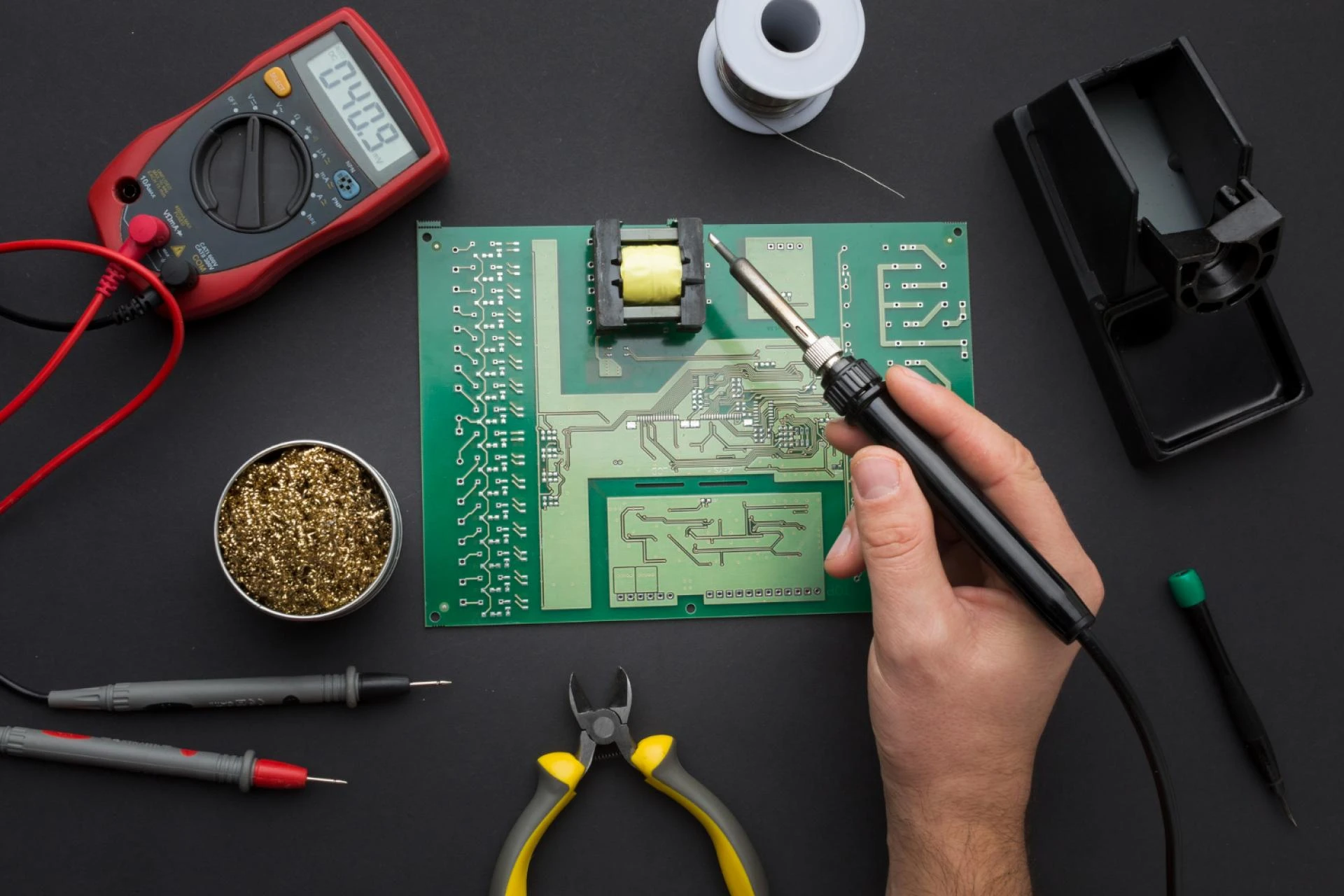

In the current technologically advancing and fast-paced world, the career choice is more crucial than ever. Among the numerous technical sciences on offer, Electrical Engineering is one of the most sought after and versatile branches. Selecting this profession at the polytechnic level (after 10th or 12th grade) is an intelligent choice for students seeking a solid foundation within the world of engineering.
Following are five strong reasons why studying Electrical Engineering at a polytechnic is an excellent option:
1. Practical Learning with Real-World Application
Polytechnic education focuses on hands-on learning and practical knowledge. In Electrical Engineering, students have the chance to use actual electrical systems, wires, machines, and equipment. Such practical exposure helps train students for actual job settings and makes them job-ready from the outset.
Unlike theoretical programs, polytechnic courses emphasize skill acquisition so that intricate ideas become easier to grasp by working on them in a lab setting and applying them practically.
2. Earlier Career Beginnings and Employment Opportunities
A degree in Electrical Engineering can be completed within three years, enabling the student to enter the workforce sooner. This is excellent for those who desire to start their careers sooner than later.
There is a consistent requirement for electrical engineering diploma holders across various industries. Some of the areas include:
Power generation and distribution entities
Manufacturing and automation companies
Construction and infrastructure development projects
Telecommunications sector
Railways and public transport
Polytechnic graduates usually get employment as technicians, junior engineers, or electrical supervisors, with decent initial pay packages and opportunities for career advancement.
3. Gateway to Higher Education
Fulfilling a diploma doesn't mean your studies have ended. Actually, it serves as a robust base for future studies. Students in polytechnics can enroll for a Bachelor of Engineering (B.E.) or Bachelor of Technology (B.Tech) by lateral entry, directly entering the second year.
This streamlines time and finances while giving students a closer look at high-level concepts, enabling them to achieve a complete engineering degree with a head start.
4. Evergreen Career with Advancing Technology
Electricity supports all contemporary technologies. With the development of newer systems—such as renewable power, electric vehicles, smart houses, and robotics—electrical engineers are driving the innovation trend.
Because electrical engineering is an essential branch, it remains popular in every epoch. Whether classical power systems or newer innovations, expert professionals within this field always remain in vogue.
5. Government Employment Opportunities
Most government departments and public sector organizations hire diploma electrical engineers on a regular basis. They are:
Indian Railways
State Electricity Boards
Public Works Departments (PWD)
Bharat Heavy Electricals Limited (BHEL)
National Thermal Power Corporation (NTPC)
Indian Defense Services
These posts provide job security, good pay, and long-term benefits, which is why they are sought after by diploma holders.
Conclusion
Selecting Electrical Engineering in Polytechnic is not merely selecting a course—it's about building a future that is pragmatic, progressive, and full of possibilities. Whether you wish to join the workforce early, go for higher studies, or seek a government job, a diploma in electrical engineering provides you with the skills and versatility to design your career your way.


























Sign in to leave a comment.