
When students choose a Polytechnic Civil Engineering diploma, they are not just earning a certificate; they are building a set of practical, job-ready skills that shape their future careers. In today’s fast-growing infrastructure and construction sector, employers look beyond academic marks and focus more on what candidates can actually do on-site and in real working conditions.
Many students and parents ask an important question: What skills will I really gain from a civil engineering diploma? The answer is simple: polytechnic education focuses strongly on hands-on learning, field exposure, and industry-relevant training. From understanding construction methods to managing site operations, a diploma in civil engineering equips students with the skills required to enter the workforce confidently.
Let’s explore the top skills you learn in a Polytechnic Civil Engineering diploma and how they prepare you for a successful career.
Understanding the Polytechnic Civil Engineering Diploma
What Is a Polytechnic Civil Engineering Diploma?
A Polytechnic Civil Engineering diploma is a technical course designed for students who want to enter the engineering field early, usually after Class 10. Unlike degree programs that focus heavily on theory, diploma courses emphasize practical learning and real-world application.
Students learn through:
- Classroom instruction
- Laboratory work
- Field training
- Technical projects
This makes diploma holders highly suitable for technical and supervisory roles in the construction and infrastructure industry.
Why Civil Engineering Skills Are in High Demand
With rapid urbanization, road construction, housing projects, and government infrastructure schemes, skilled civil engineers are in constant demand. Diploma holders play a key role in executing projects on the ground, making their skill set extremely valuable.
Core Technical Skills You Learn in a Civil Engineering Diploma
Surveying and Measurement Skills
Surveying is one of the most fundamental skills taught in civil engineering diplomas. Students learn how to:
- Measure land accurately
- Use instruments like leveling machines and theodolites
- Prepare site layouts and maps
These skills are essential in the early stages of any construction project and help ensure that buildings and roads are constructed in the correct location and alignment.
Construction Technology and Methods
Another important skill is understanding how construction actually happens. Students learn:
- Types of construction methods
- Use of building materials like cement, steel, bricks, and concrete
- Modern construction techniques
This knowledge allows diploma holders to work efficiently on-site and follow proper construction standards.
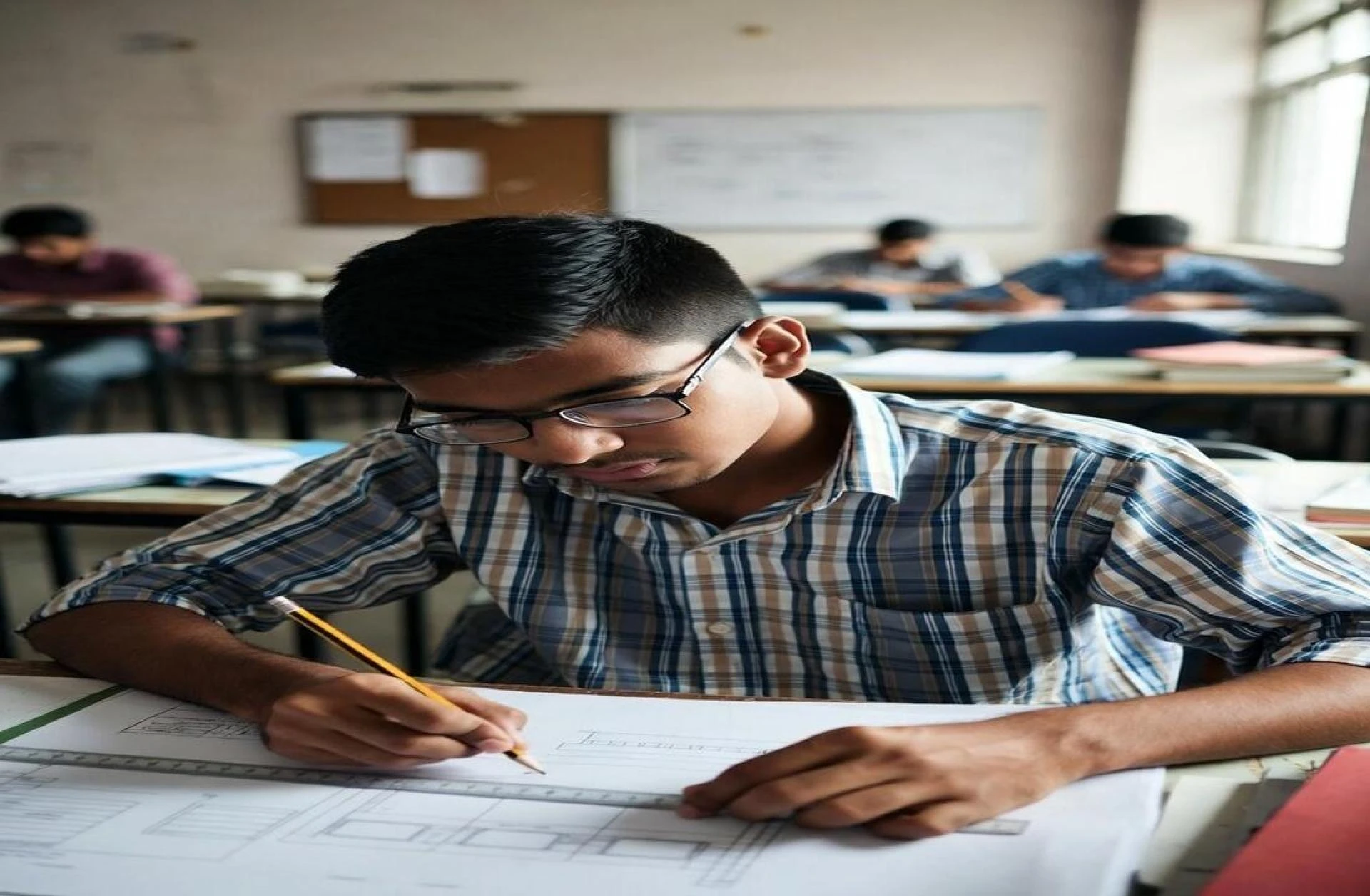
Structural Drafting and Drawing Skills
Civil engineering students are trained to read and prepare engineering drawings. This includes:
- Understanding building plans
- Preparing technical drawings
- Basics of AutoCAD and drafting
These skills help students convert design ideas into practical structures and communicate effectively with engineers and architects.
Site Management and Practical Field Skills
On-Site Supervision and Coordination
Diploma students learn how to manage daily activities on a construction site. This includes:
- Supervising workers
- Allocating tasks
- Monitoring progress
Such skills prepare students for roles like site supervisor or junior engineer.
Quality Control and Material Testing
Ensuring quality is a critical part of civil engineering. Students learn how to:
- Test cement, concrete, and soil
- Maintain quality standards
- Identify defects in materials
These skills help ensure that structures are safe, durable, and compliant with engineering norms.
Safety and Risk Management Skills
Safety is a top priority in construction. Diploma students are trained in:
- Site safety rules
- Use of safety equipment
- Risk prevention techniques
This reduces accidents and promotes responsible engineering practices.
Digital and Software Skills in Civil Engineering
Computer-Aided Design (CAD) Skills
Modern civil engineering relies heavily on software tools. Students learn to use:
- AutoCAD and similar software
- Digital layouts and design drawings
These digital skills increase employability and help students adapt to modern engineering environments.
Basic Project Planning Tools
Students are also introduced to basic project scheduling and workflow planning, helping them understand timelines, deadlines, and coordination in construction projects.
Problem-Solving and Soft Skills
Analytical and Problem-Solving Skills
Construction sites often present unexpected challenges. Diploma students learn to:
- Analyze problems
- Make quick, practical decisions
- Apply technical knowledge under pressure
This makes them valuable assets in real-world engineering situations.
Communication, Teamwork, and Discipline
Apart from technical knowledge, students develop:
- Communication skills for reporting and instructions
- Teamwork through group projects
- Time management and discipline
These soft skills are essential for career growth and leadership roles in the future.
How These Skills Shape Career Opportunities
With these skills, diploma holders can pursue careers as:
- Site supervisors
- Survey technicians
- Junior engineers
- Construction managers (with experience)
Many students also choose higher education through lateral entry into B. Tech or B.E. programs, further expanding their career opportunities.
Conclusion: Are You Ready to Build Your Career with Civil Engineering Skills?
A Polytechnic Civil Engineering diploma is more than just an academic qualification; it is a powerful platform for career building. From technical expertise and site management to digital skills and professional discipline, students gain a complete skill set that prepares them for real-world engineering challenges.
If you are someone who enjoys practical work, problem-solving, and contributing to real infrastructure projects, civil engineering can be a highly rewarding career choice.
Ready to turn these skills into a successful career? Choose the right polytechnic institute today and take your first step toward building not just structures but a strong professional future.





























Sign in to leave a comment.