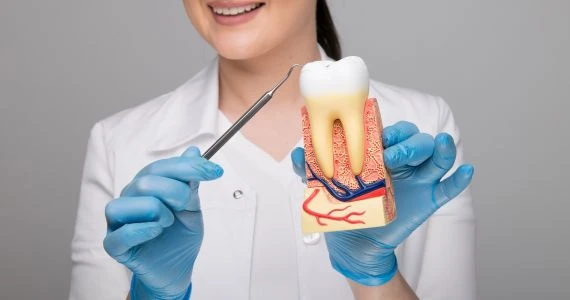

Tooth pain is never something to ignore. While some dental discomfort can be minor and temporary, persistent or severe symptoms may signal a deeper issue inside the tooth. One of the most common treatments for serious tooth infections is a root canal. Understanding the warning signs early can help you save your natural tooth and avoid further complications.
Here are five key signs that you might need a root canal treatment.
1. Persistent Tooth Pain
One of the most obvious signs that something is wrong is ongoing tooth pain. This pain may feel:
- Deep and throbbing
- Sharp when biting or chewing
- Constant or intermittent
- Radiating to the jaw, ear, or face
Unlike temporary sensitivity that goes away, pain related to an infected pulp (the soft tissue inside your tooth) often lingers or worsens over time. The discomfort may intensify when you lie down or apply pressure while eating.
Persistent pain usually indicates that the tooth’s nerve is inflamed or infected. A root canal removes the infected tissue, cleans the inside of the tooth, and seals it to prevent further damage.
2. Sensitivity to Hot and Cold That Lingers
It’s normal to experience brief sensitivity when consuming hot coffee or cold ice cream. However, if the sensitivity:
- Lasts longer than 30 seconds
- Becomes increasingly intense
- Occurs even without direct contact with hot or cold food
it may be a sign of nerve damage inside the tooth.
Lingering sensitivity typically indicates that the pulp is inflamed or infected. When the nerve cannot heal on its own, root canal treatment is often necessary to eliminate the infection and relieve discomfort.
3. Swollen or Tender Gums
Inflammation around a painful tooth is another major warning sign. You may notice:
- Swelling in the gums near the affected tooth
- Tenderness when touching the area
- A small pimple-like bump (known as a dental abscess)
- A bad taste in your mouth
An abscess forms when infection spreads beyond the tooth root into the surrounding tissues. This condition requires immediate attention. If left untreated, the infection can spread to other parts of the body and cause serious health complications.
A root canal removes the source of infection, allowing the surrounding gum tissue to heal.
4. Tooth Discoloration
A tooth that turns gray, dark yellow, or brown may indicate internal damage. Discoloration often occurs when:
- The tooth has experienced trauma
- The nerve inside the tooth has died
- There is long-standing decay
When the pulp becomes infected or dies, the tooth may lose its healthy appearance. Unlike surface stains, this type of discoloration cannot be fixed with whitening treatments.
A root canal eliminates the damaged tissue inside the tooth. In many cases, a dental crown is placed afterward to restore strength and improve appearance.
5. Pain When Chewing or Touching the Tooth
If you experience discomfort when biting down, tapping the tooth, or applying pressure, it could mean the infection has spread to the ligaments surrounding the tooth root.
This type of pain may:
- Feel sharp or sudden
- Occur only when chewing
- Worsen over time
Pressure sensitivity is often a sign that the pulp is severely infected or dying. Without treatment, the infection can destroy surrounding bone and tissues.
Root canal treatment addresses the infection at its source and prevents further structural damage.
When selecting a dental clinic, experience and precision matter. For patients seeking reliable root canal treatment in Chembur, personalized and patient-focused care combined with advanced technology and a gentle approach ensures comfortable and efficient treatment at Dr Manisha Shah's Dental Clinic.
What Happens During a Root Canal Treatment?
Many people associate root canals with pain, but modern dentistry has made the procedure relatively comfortable. In fact, a root canal is designed to relieve pain—not cause it.
Here’s what typically happens:
- The dentist numbs the area with local anesthesia.
- A small opening is made in the tooth.
- The infected pulp is removed.
- The inside of the tooth is cleaned and disinfected.
- The canal is filled and sealed.
- A crown may be placed to protect the tooth.
The procedure usually takes one or two appointments, depending on the severity of the infection.
Why Early Treatment Matters
Ignoring the signs of infection can lead to:
- Severe pain
- Tooth loss
- Spread of infection to other areas
- Costlier and more complex dental procedures
Root canal treatment helps preserve your natural tooth, maintain proper chewing function, and prevent shifting of surrounding teeth.
Saving your natural tooth is almost always better than extraction. A treated and restored tooth can last a lifetime with proper oral hygiene and regular dental checkups.
Aftercare and Recovery
Recovery from a root canal is generally smooth. Mild soreness for a few days is normal and can usually be managed with over-the-counter pain relievers.
To promote healing:
- Avoid chewing on the treated tooth until fully restored
- Maintain good oral hygiene
- Brush and floss regularly
- Attend follow-up appointments
Once a crown is placed, the tooth functions just like any other natural tooth.
When to See a Dentist
If you experience any of the signs mentioned above, schedule a dental appointment as soon as possible. Early diagnosis increases the chances of saving the tooth and preventing complications.
Keep in mind that sometimes infections may not cause obvious pain. Regular dental checkups and X-rays are essential for detecting hidden issues before they become serious.
Root canal treatment is a safe, effective way to treat deep tooth infections and protect your oral health. Persistent tooth pain, lingering sensitivity, swollen gums, discoloration, and discomfort when chewing are all warning signs that shouldn’t be ignored.
Seeking prompt dental care can relieve pain, eliminate infection, and restore your smile. If you suspect you might need a root canal, consult your dentist for a thorough evaluation and personalized treatment plan.
Taking action early can make all the difference in saving your natural tooth and maintaining a healthy, confident smile.
Original Sources : - 5 Signs You Might Need a Root Canal Treatment



























Sign in to leave a comment.