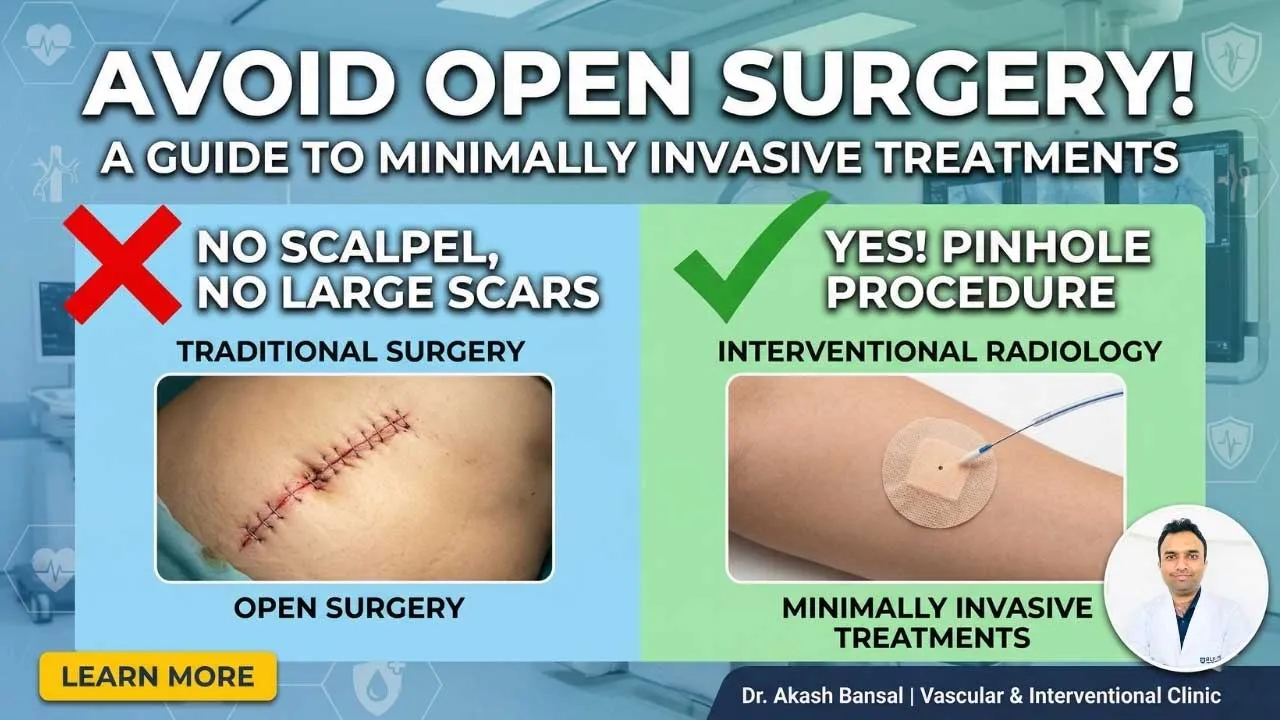

A doctor’s perspective on safer, faster recovery through minimally invasive treatments
I’m Dr. Akash Bansal expert Interventional Radiologist, and over 10+ years in practice, I’ve had countless conversations with patients who walk into my clinic genuinely terrified. Most have just been told they need a major operation or open surgery. That news instantly triggers valid fears of massive incisions, weeks stuck in a hospital bed, and a long, painful absence from work and family.
For a long time, that really was the standard, unavoidable way to handle serious medical issues. But healthcare has moved forward drastically. Today we have many times safer and more precise alternatives with the advent of minimally invasive treatment methods in interventional radiology, avoiding the necessity of open surgery in many cases.
The Hidden Cost of Traditional Surgery
Let’s be honest about traditional surgery. it is incredibly hard on the body. To fix an internal issue, a surgeon typically has to cut through perfectly healthy muscle and tissue just to reach the problem. This means you aren't just recovering from the actual repair; your body is forced to heal from the trauma of the surgical access itself. That secondary trauma is what causes the severe post-operative pain and prolonged downtime patients dread.
As an interventional radiology specialist, my entire focus is treating the root cause of your condition without putting your body through that collateral damage. We manage complex vascular and structural problems using minimally invasive pinhole procedures. Thanks to advanced image-guided procedures, we can now treat a wide variety of conditions through an entry point no larger than a few millimeters.
How Minimally Invasive Treatments Work
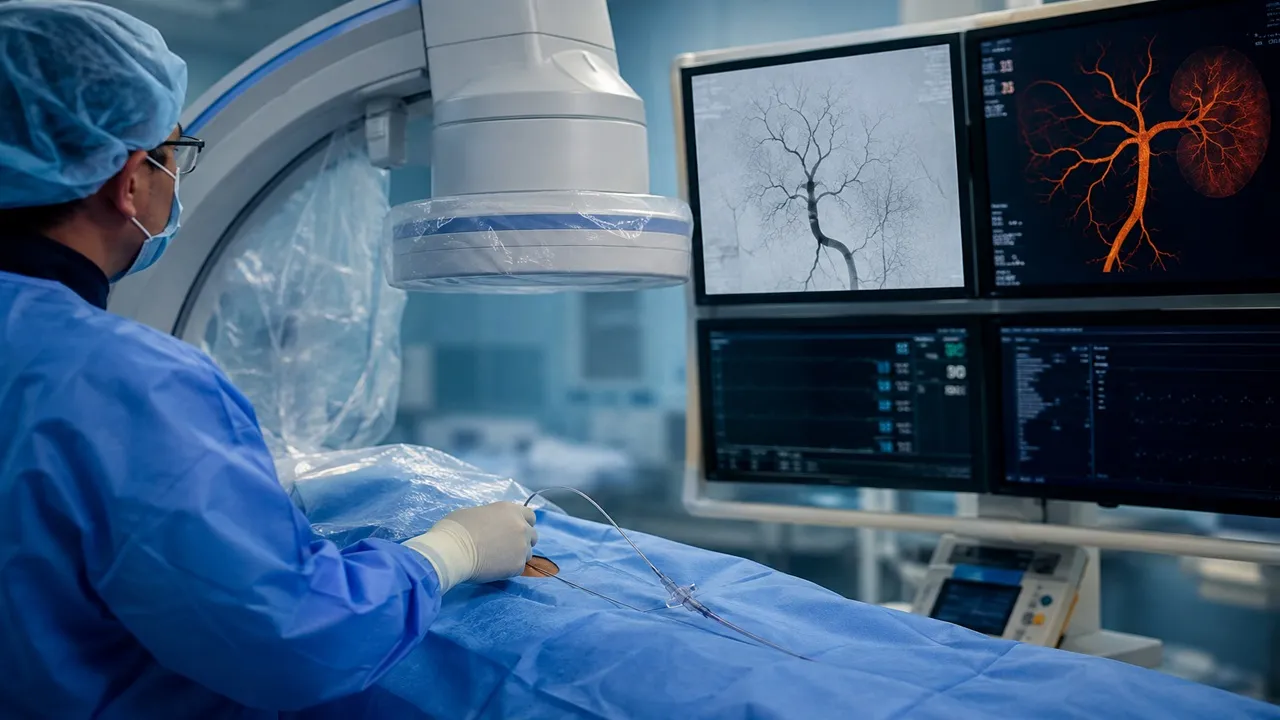
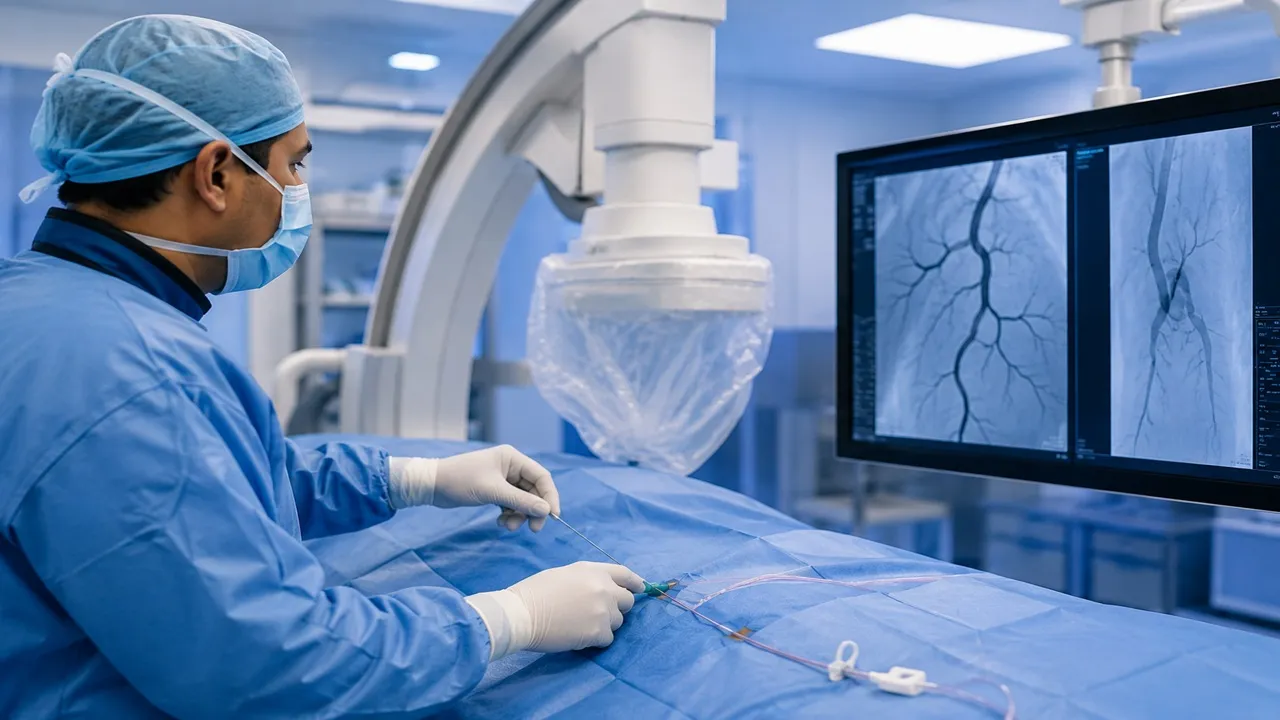
Instead of cutting you open to see what's wrong, we use high-definition, real-time image guided Procedures—like ultrasound or fluoroscopy—to guide us. This technology completely changes the patient experience. I make a tiny nick in the skin, usually at the wrist or groin, and carefully thread microscopic instruments and thin catheters directly to the problem site.
By traveling through your body’s natural vascular pathways, we deliver treatment exactly where it’s needed. We fix the issue while leaving the surrounding healthy tissue untouched. The result? Your body undergoes a fraction of the trauma it would during an open operation.
Recovery After Minimally Invasive Care
Moving away from large incisions totally rewrites the recovery timeline. Because we aren't damaging healthy muscle, your body doesn't need to spend weeks repairing itself. The difference is night and day.
Patients undergoing these minimally invasive Care generally notice:
- Much less post-procedure pain: Discomfort is minimal and is often managed easily without heavy medication.
- Minimal or no visible scarring: There are no large surgical scars, usually just a small mark similar to a blood draw site.
- Shorter hospital stays: Most of our procedures allow for same-day discharge, letting you recover in your own bed.
- Rapid return to normalcy: Getting back to work and family routines happens in days, not weeks.
Clinically speaking, keeping the body "closed" also significantly drops the risk of infections and complications.
Conditions That No Longer Require a Scalpel
We are routinely using these image-guided methods for issues that used to guarantee a trip to the operating room. In my practice, we frequently manage:
- Uterine Fibroids: We use Uterine Fibroids treatment to shrink fibroids and relieve symptoms while keeping the uterus intact.
- Varicose Veins: We precisely seal off malfunctioning Varicose veins to stop pain and swelling.
- Thyroid Nodules: We offer non-surgical ablation that protects your healthy thyroid tissue.
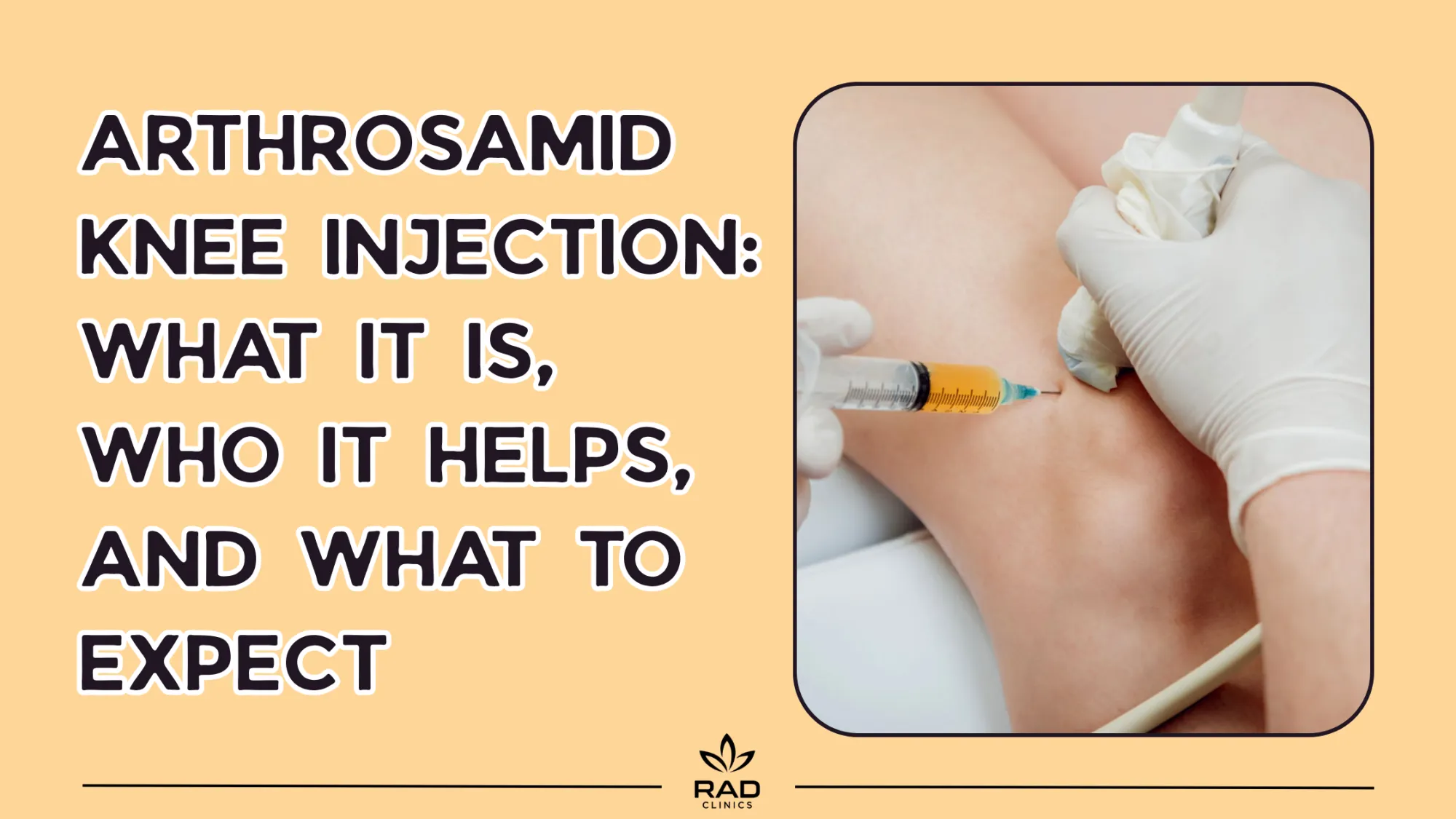
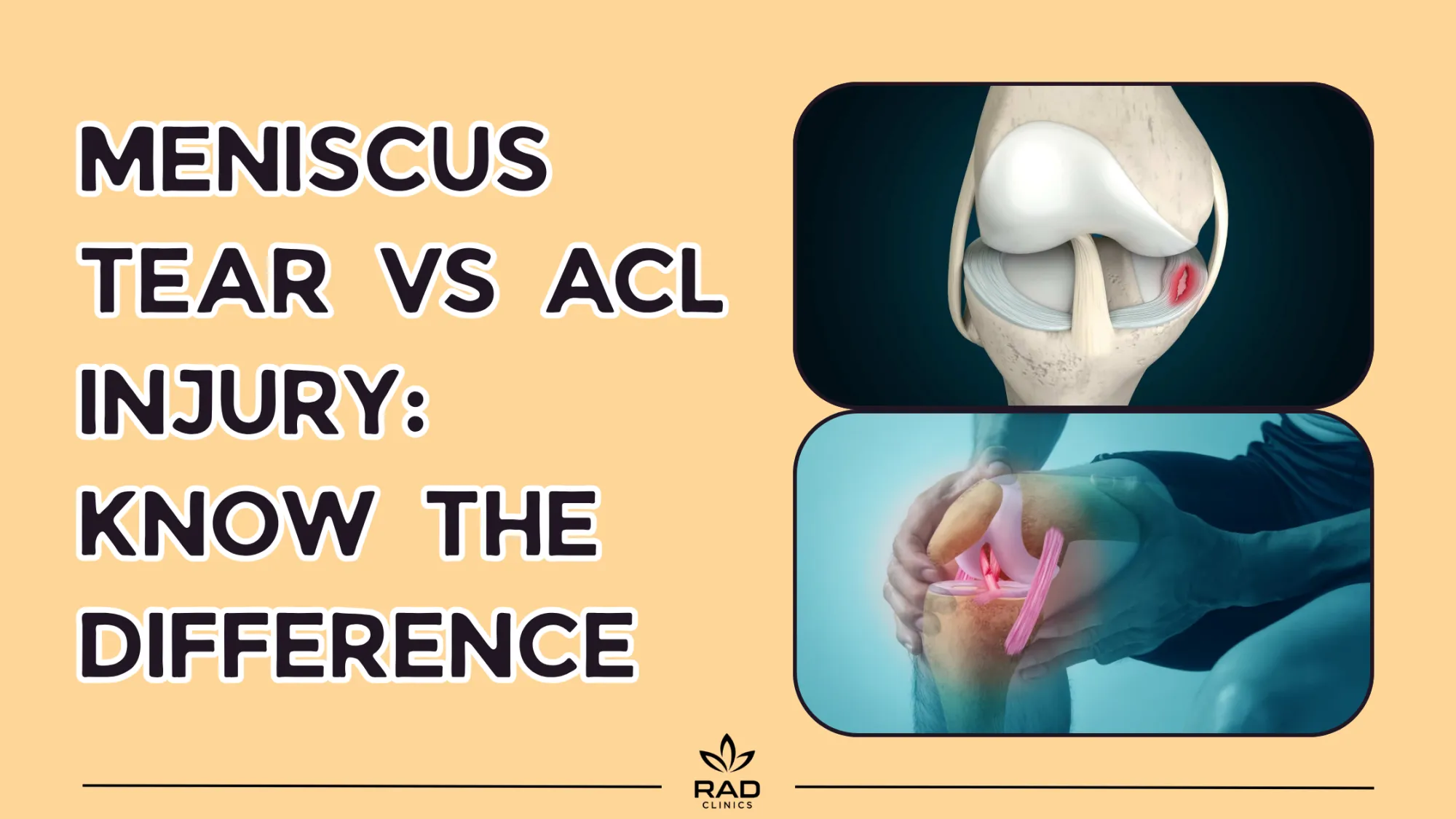
- Knee Chronic Pain: We target the internal sources of Chronic pain Treatment via interventional radiology.
Finding the Right Path for You
Interventional radiology isn't a magic cure-all that replaces every single surgery. Not everyone is an ideal candidate. I always perform a careful clinical evaluation to make sure this approach fits your specific anatomy and health history.
But if another doctor has told you that surgery is your only option, it is completely reasonable to hit pause and ask if a less invasive route exists. Often, patients just don't know these non-surgical treatment options are out there. You can explore a detailed guide on minimally invasive alternatives to surgery here to see if your diagnosis qualifies.
The goal of modern medicine should always be to fix the problem with the least amount of disruption to your life.
As a expert interventional Radiologist, my best advice is to sit down for a consultation so we can look at your specific case together. Exploring these options with a specialist is often the smartest first step toward effective, comfortable treatment.























Sign in to leave a comment.