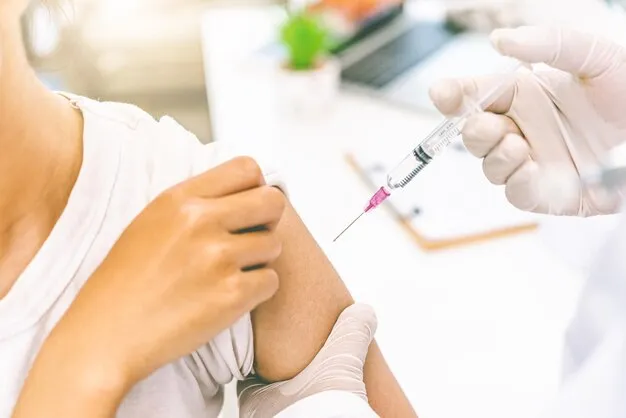
Pain can affect nearly every part of daily life, from movement and exercise to sleep, work, and overall well-being. While conventional pain management can be helpful for many people, some patients and healthcare providers are also exploring injection-based approaches that focus on supporting the body's natural healing processes.
Regenerative Injection Therapy is one approach that has gained attention in the field of integrative and functional pain care. Depending on the patient's condition and clinical assessment, regenerative injection techniques may be incorporated into a broader treatment plan to support tissue health and manage pain.
For healthcare professionals interested in expanding their knowledge of advanced injection techniques, education and hands-on training can help build a stronger understanding of patient assessment, injection methods, and appropriate clinical applications.
Here are five important things to know about Regenerative Injection Therapy and its role in modern pain care.
1. Regenerative Injection Therapy Focuses on Supporting the Body's Healing Response
The basic idea behind Regenerative Injection Therapy is to use targeted injections as part of a treatment approach designed to support the body's natural healing and recovery processes.
Pain can have many causes. It may be related to injuries, overuse, inflammation, joint degeneration, irritated nerves, or soft-tissue problems. Because every patient's condition is different, regenerative approaches are generally considered within the context of a complete clinical evaluation.
Depending on the treatment protocol and provider's training, different injectable substances may be considered. The goal is often to address specific areas of concern while supporting tissue function and improving comfort.
It is important to understand that regenerative injection treatments are not a one-size-fits-all solution. A qualified healthcare professional should determine whether a particular approach is appropriate based on the patient's medical history, symptoms, physical examination, and overall treatment goals.
For providers, learning the principles behind regenerative care can help them better understand where injection therapy may fit into an integrative pain management plan.
2. Regenerative Injection Therapy May Be Used for Different Types of Pain
Pain is complex, and its source can vary from one person to another. Regenerative injection techniques may be explored in the management of certain musculoskeletal and soft-tissue concerns, depending on the provider's scope of practice and the patient's individual needs.
Some areas that may be considered include:
- Joint-related discomfort
- Tendon and ligament concerns
- Sports and activity-related injuries
- Chronic musculoskeletal pain
- Soft-tissue conditions
- Certain degenerative conditions
The treatment plan should always be individualized. For some patients, injection therapy may be combined with physical rehabilitation, exercise, lifestyle changes, or other supportive approaches.
This is where a comprehensive understanding of pain mechanisms becomes important. A provider needs to consider whether pain is primarily related to tissue injury, inflammation, mechanical stress, nerve irritation, or a combination of factors.
For this reason, Regenerative Injection Therapy should be viewed as part of a broader clinical strategy rather than as a standalone answer to every type of pain.
3. Perineural Injection Therapy and Neural Therapy Are Different Approaches
One area that can sometimes be confused with regenerative care is perineural injection therapy. Although both involve injections and may be used within integrative pain care, they are distinct approaches with different principles and clinical applications.
Perineural injection therapy focuses on targeted treatment around superficial nerves and is often discussed in relation to nerve-associated pain and sensitivity. The approach aims to influence the local environment around irritated or sensitive nerves.
Neural therapy injection is another specialized technique used in integrative medicine. It involves targeted injections and is based on a broader therapeutic framework involving the autonomic nervous system and the body's regulatory mechanisms.
These approaches may sometimes be incorporated into a larger pain-care strategy, depending on the provider's training and the patient's needs. However, they should not be treated as interchangeable terms.
Understanding the differences between regenerative approaches, perineural techniques, and Neural therapy injection methods is important for healthcare providers who want to develop a well-rounded approach to pain management.
For professionals looking to develop practical skills in this area, perineural injection therapy training can provide education on relevant anatomy, patient assessment, injection techniques, and clinical considerations.
4. Proper Training and Clinical Knowledge Matter
Injection therapy requires more than simply knowing where to place a needle. Safe and effective clinical practice depends on a strong understanding of anatomy, patient selection, contraindications, injection techniques, and appropriate follow-up.
Healthcare providers considering Regenerative Injection Therapy should seek education that aligns with their professional license, scope of practice, and clinical responsibilities.
Training may cover topics such as:
- Relevant anatomy and injection landmarks
- Patient evaluation and clinical decision-making
- Injection technique and positioning
- Safety and infection-control principles
- Potential risks and complications
- Patient communication and informed consent
- Integrating injection therapy into a broader care plan
For providers interested in expanding their injection skills, specialized education can be particularly valuable. Perineural injection therapy training and other advanced injection courses may help clinicians develop a stronger foundation in targeted injection techniques.
At Learn Neural Therapy, healthcare professionals can explore educational opportunities related to Neural Therapy, perineural injection techniques, and integrative injection approaches.
Education should always be combined with appropriate clinical judgment. Providers should practice only within their legal scope and use techniques for which they have received suitable training.
5. Patient Selection and Individualized Care Are Essential
One of the most important things to understand about Regenerative Injection Therapy is that patient selection matters.
Not every patient with pain is an appropriate candidate for regenerative injection treatment. A provider should first identify the potential source of pain and consider the patient's overall health, medical history, current medications, previous treatments, and expectations.
A detailed assessment can help answer important questions:
- What is causing the patient's pain?
- How long has the condition been present?
- Is there an identifiable injury or tissue problem?
- Are nerves involved?
- What treatments have already been tried?
- What are the patient's goals?
- Are there factors that could affect treatment or recovery?
These questions help create a more personalized treatment strategy.
In some cases, regenerative injections may be considered alongside rehabilitation and other conservative treatments. In others, a different approach may be more appropriate. The key is to avoid viewing any single treatment as a universal solution.
An individualized approach allows healthcare providers to focus on the patient's specific condition and develop care plans based on clinical findings rather than assumptions.
What Can Patients Expect From Regenerative Injection Therapy?
The experience can vary depending on the type of injection, the area being treated, and the provider's approach.
Before treatment, the provider typically reviews the patient's medical history and evaluates the area of concern. The provider may also discuss the expected benefits, possible risks, alternatives, and aftercare instructions.
During the procedure, the injection is administered to the targeted area using an appropriate technique. Some procedures may involve imaging guidance when clinically indicated.
After treatment, patients may receive instructions regarding activity, exercise, rehabilitation, and follow-up care. Recovery and response can vary significantly between individuals.
Patients should have realistic expectations and understand that results are not guaranteed. A qualified healthcare professional can explain whether a particular injection approach may be appropriate for their specific situation.
Why Education in Advanced Injection Techniques Is Important
As interest in integrative and regenerative approaches to pain care continues to grow, healthcare providers may benefit from developing a broader understanding of injection-based therapies.
Learning about Regenerative Injection Therapy, perineural injection therapy, and Neural Therapy can help providers understand different approaches to pain care and how they may fit into appropriate clinical settings.
For healthcare professionals, continuing education can also support better patient communication and clinical decision-making. A strong educational foundation helps providers recognize when a technique may be appropriate, when additional evaluation is needed, and when another treatment approach should be considered.
Learn Neural Therapy provides educational resources and training opportunities for healthcare professionals interested in expanding their knowledge of Neural Therapy and advanced injection techniques. To explore available resources and educational content, visit the Learn Neural Therapy.
Final Thoughts
Regenerative Injection Therapy is an evolving area of pain care that focuses on targeted injection approaches and the body's natural healing processes. While it may be considered for certain musculoskeletal and soft-tissue conditions, treatment decisions should always be individualized and based on a thorough clinical assessment.
Understanding the differences between regenerative techniques, perineural injection therapy, and Neural therapy injection approaches is also important for healthcare professionals who want to expand their knowledge of integrative pain care.
With appropriate education, clinical training, and patient-centered decision-making, providers can develop a more comprehensive understanding of advanced injection therapies.
If you are a healthcare professional interested in expanding your knowledge of Neural Therapy and injection techniques, explore educational resources and training opportunities from Learn Neural Therapy.
Frequently Asked Questions
1. What is Regenerative Injection Therapy?
Regenerative Injection Therapy is an injection-based approach that aims to support the body's natural healing and recovery processes. It may be considered for certain pain and musculoskeletal conditions based on individual patient needs.
2. Is Regenerative Injection Therapy the same as perineural injection therapy?
No. Regenerative Injection Therapy and perineural injection therapy are different approaches. Perineural injection therapy generally focuses on targeted treatment around superficial nerves, while regenerative approaches focus on supporting tissue healing and recovery.
3. What conditions may be treated with regenerative injections?
Depending on the specific technique and clinical situation, regenerative injections may be considered for certain joint, tendon, ligament, soft-tissue, and musculoskeletal conditions. A qualified healthcare provider should determine whether treatment is appropriate.
4. Who can learn perineural injection therapy?
Healthcare professionals who are legally permitted to perform injections may pursue relevant perineural injection therapy training. Eligibility depends on professional licensing, scope of practice, and local regulations.
5. Does Regenerative Injection Therapy work for everyone?
No treatment works for everyone. Results can vary depending on the underlying condition, patient health, treatment approach, and other factors. A healthcare provider can help determine whether regenerative injection therapy may be suitable for an individual patient.




























Sign in to leave a comment.