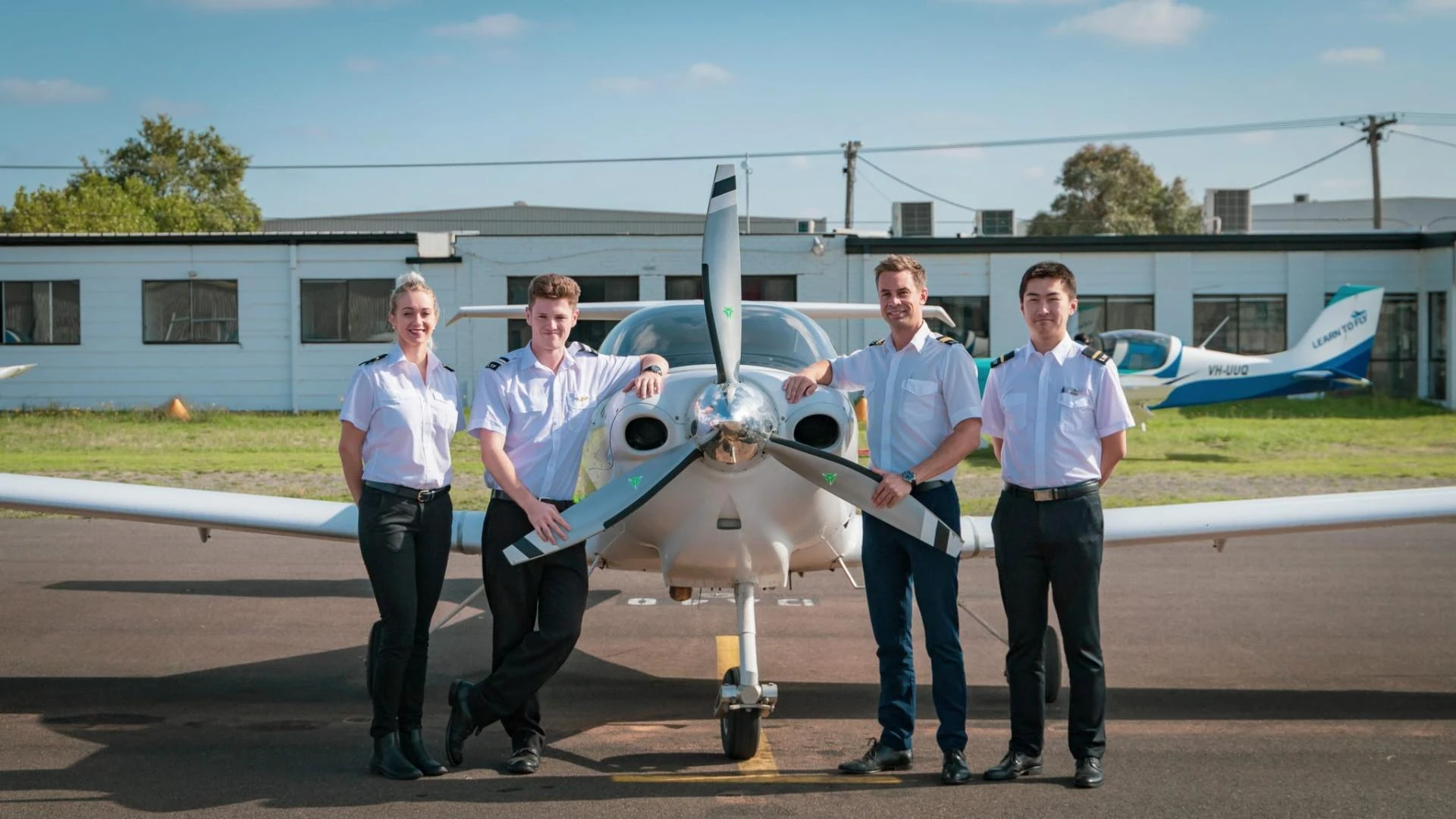

The Covid pandemic created chaos in the aviation industry around the world. This meant that a large number of pilots retired, and many others moved into other careers. Now that the pandemic is easing, air travel is surging back, and the need for new professionally trained commercial pilots is increasing again. By the year 2030, it is expected that there could still be a shortage of over 60,000 pilots! If you’ve been on the fence about getting your commercial pilot licence for a while, let this be the push you need to enrol yourself in a commercial pilot licence program.
But before you make the leap into the world of flying, here are a few things you need to know:
The importance of learning theoryJust like learning any other skill or trade, learning to fly will require going back to school, passing exams, and learning about regulations and laws. You will be doing a lot of reading, attending theory classes, watching videos and learning about aircraft even before you step foot in a real cockpit.
To become a commercial pilot, you will need to progress through study in a range of topics, and there are written exams to pass for each as well as the practical flight training and flight tests. You will progress through Recreational Pilot Licence (RPL) and Private Pilot Licence (PPL) syllabus first before starting on your Commercial Pilot Licence (CPL) syllabus. You’ll need to pass the CPL theory exams prior to moving on to the practical syllabus and flight hour building.
You will learn new languagesNamely, radio talk and textual weather. It is essential for all pilots to learn to speak radio talk effectively to be able to communicate with other pilots and ground control and reduce errors due to miscommunication.
On the other hand, textual weather is an alphanumeric code that tells pilots of the weather conditions in their area. METAR and PIREP are the two most common textual weather coding systems, the former of which refers to hourly or half-hourly weather reports pilots receive. PIREP is the actual conditions the pilot faces in the air.
Maths and Physics will become your best friendsBeing in the air requires a lot of calculations as well as a sound understanding of how the plane works, and how different weather conditions may affect your ability to fly. Aerodynamics plays a vital role in the work of a pilot and you will need to make adjustments to your flying based on how your plane reacts to various factors.
Aerospace systems will become an integral part of your learning. This is a network of aerospace sections where you will learn what the worst weather conditions you are able to fly in are, which are also known as the weather minimums.
Become one with the aircraftMost pilots know an aircraft inside out, know all of the mechanisms involved in flying, are deeply attuned to everything that can go wrong and know exactly what to do when things do go wrong. They know that taking the time to fully immerse themselves in aviation theory will allow them to become one with their aircraft. The best pilots know everything about all the controls in their cockpit as well as every one of the other aircraft systems, and the external factors that may impact their flight.
Not knowing the rules is no excuseBefore you even step foot in an actual aircraft, you will learn and familiarise yourself with hundreds of CASA regulations. Just like there are laws and rules when driving a car, there are extensive rules for airspace and conducting flights. Knowing air law will help to make sure your flight is safe not only for you but for everybody else in the air and on the ground.
Getting the right flight instructorPerhaps one of the most important factors, having a great flight instructor makes getting your commercial pilot licence a whole lot easier. A good instructor will not only know all of the information, but they will also be able to identify the best way to teach you and help your learning journey. The right flight training academy will be able to find you the right instructor, as well as providing high-quality aircraft, great training facilities, and a range of training options to suit your needs.

























Sign in to leave a comment.