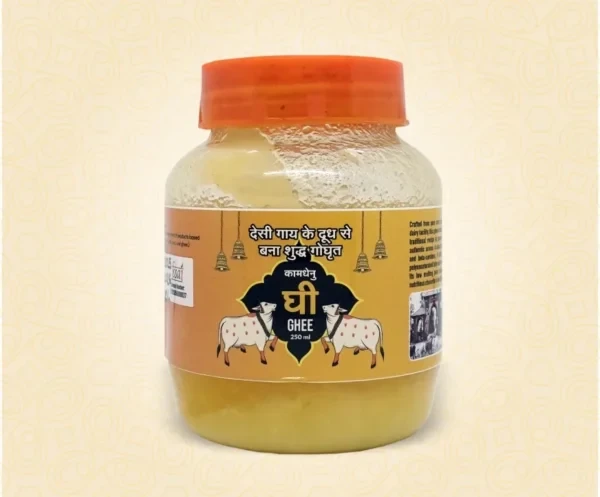

Indian cooking is inseparable from the aroma of ghee gently heating in a pan. Among the many varieties available today, Desi Ghee—especially Desi cow ghee—holds a special place in traditional kitchens. Made from the milk of indigenous cows using time-honored methods, it is prized for its nutty flavor, golden color, and nourishing qualities.
From festive sweets to everyday comfort meals, a spoonful of ghee can transform a simple dish into something extraordinary. In this article, we explore five classic Indian recipes that truly shine when prepared with Desi cow ghee, along with why it matters, how to choose the best one, and what influences the cow ghee rate in today’s market.

Why Desi Cow Ghee Makes Such a Difference
Before diving into the recipes, let’s understand why Desi cow ghee is so revered:
- Richer flavor: Slow-churned butter and traditional bilona methods give it a deep, caramelized aroma.
- High smoke point: Ideal for sautéing, roasting, and tempering spices.
- Digestive benefits: In Ayurveda, Desi Ghee is believed to aid digestion and nourish tissues.
- Nutrient dense: Contains fat-soluble vitamins like A, D, E, and K.
When used thoughtfully, Desi cow ghee elevates both taste and texture—something refined oils simply can’t replicate.
1. Dal Tadka – Comfort in a Bowl
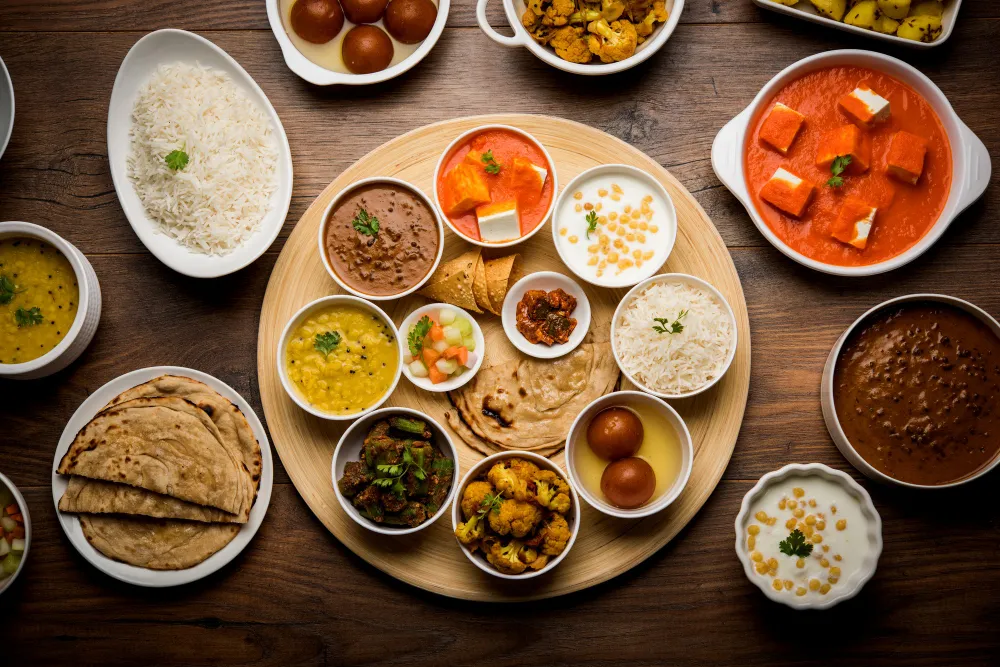
A staple in most Indian households, dal tadka becomes truly irresistible when the tempering is done in Desi cow ghee.
Why Ghee Works Here
The sizzling mixture of cumin seeds, garlic, dried red chilies, and hing releases an intoxicating aroma when bloomed in ghee. Its richness balances the earthy lentils and adds a silky finish.
Tip:
Use a final drizzle of warm Desi Ghee just before serving—it enhances flavor and gives the dal a restaurant-style gloss.
2. Poori – Golden, Puffy Perfection
Pooris are festive, indulgent, and best enjoyed hot off the stove. Frying them in Desi cow ghee instead of vegetable oil takes them to another level.
Why Ghee Works Here
- Produces crisp exteriors with soft, airy centers
- Adds subtle sweetness and depth
- Feels lighter on the stomach compared to heavily processed oils
Serve ghee-fried pooris with aloo sabzi or chana masala for a traditional weekend meal.
3. Gajar Ka Halwa – Winter’s Sweetheart
Carrot halwa is synonymous with cold evenings, slow cooking, and generous spoonfuls of ghee.
Why Ghee Works Here
Grated carrots sautéed in Desi cow ghee release natural sugars and develop a luscious, roasted flavor. It also helps the milk solids caramelize beautifully.
Pro Tip:
Don’t rush the process—slow cooking in ghee is what gives gajar ka halwa its signature richness and aroma.
4. Khichdi – Simple, Healing, and Nourishing
Khichdi is India’s ultimate comfort food—light, soothing, and deeply satisfying. A topping of Desi cow ghee transforms it from plain to soulful.
Why Ghee Works Here
- Enhances digestibility
- Adds warmth and aroma
- Complements mild spices like turmeric and cumin
In many homes, khichdi and Desi Ghee are inseparable—especially during illness or fasting days.
5. Parathas – Crisp Edges, Soft Centers
Whether it’s aloo paratha, methi paratha, or plain lachha paratha, cooking them in Desi cow ghee brings out unmatched flavor.
Why Ghee Works Here
Brushing the dough with ghee before rolling creates flaky layers, while roasting on a hot tawa gives crispy edges and a buttery finish.
Finish with a dollop of melted Desi Ghee on top and serve with curd or pickle for a classic North Indian breakfast.
How to Choose Good Quality Desi Cow Ghee
With so many brands on the shelf, selecting authentic Desi cow ghee can be confusing. Look for:
- Source: Milk from indigenous Indian cows
- Method: traditional churning methods
- Aroma & color: Pleasant nutty smell and yellowish tint
- Ingredients: Pure butterfat, no additives
What Affects the Cow Ghee Rate?
The cow ghee rate varies widely depending on:
- Breed of cow
- Feeding practices (grass-fed vs. commercial feed)
- Production method
- Organic certification
- Small-batch or artisanal sourcing
While premium Desi cow ghee may cost more, many people consider it worth the investment for taste, purity, and nutritional value.
Frequently Asked Questions (FAQ)
1. What is the difference between Desi Ghee and regular ghee?
Desi Ghee typically refers to ghee made from indigenous cow milk using traditional methods, while regular ghee may come from mixed dairy sources or industrial processes.
2. Can I use Desi cow ghee for everyday cooking?
Yes. In moderate amounts, Desi cow ghee is suitable for daily use—especially for sautéing, tempering, and drizzling over cooked food.
3. Is Desi cow ghee healthy?
When consumed in balance, it provides healthy fats and fat-soluble vitamins. Many traditional systems of medicine consider it beneficial for digestion and immunity.

4. Why is the cow ghee rate higher than refined oils?
The cow ghee rate reflects the cost of maintaining indigenous cows, slower milk yield, traditional preparation, and higher quality standards.
5. How should Desi Ghee be stored?
Store it in an airtight container away from moisture and sunlight. Pure ghee does not require refrigeration and has a long shelf life.
Final Thoughts
From humble khichdi to festive halwa, these traditional dishes prove that cooking with Desi cow ghee is about more than indulgence—it’s about honoring heritage, enhancing flavor, and nourishing the body.
Whether you’re recreating family recipes or exploring Indian cuisine for the first time, adding high-quality Desi Ghee can make every meal feel special. While the cow ghee rate may vary, the richness it brings to your kitchen is timeless.

























Sign in to leave a comment.