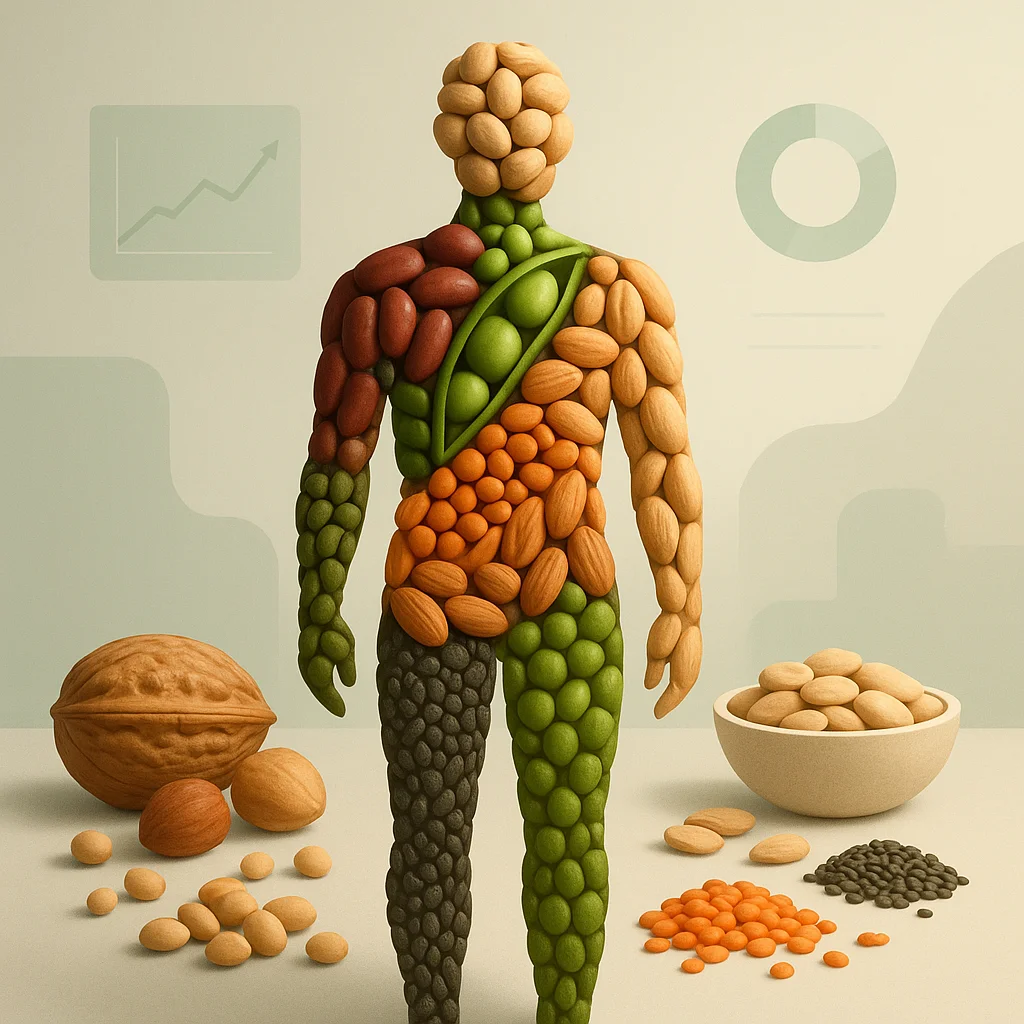

Setting the Table: The Rise of Plant-Based Proteins
It was just over a decade ago when plant-based protein alternatives were niche products, primarily found in health food stores or specialty sections. Fast forward to 2026, and these alternatives have not only entered mainstream grocery aisles but have also sparked a global dialogue about nutrition, sustainability, and food technology. In grocery stores across the United States and beyond, from Atlanta to Tokyo, shoppers are greeted by an expanding lineup of plant-based burgers, sausages, dairy substitutes, and protein powders. This surge is backed by industry reports pointing to a compound annual growth rate exceeding 15% in plant-based protein segments since 2020, according to Statista data.
Consider this: In 2025 alone, plant-based meat alternatives accounted for over $8 billion in global sales, a figure that continues to grow despite emerging challenges. The consumer shift is driven by varied motivations—health concerns, environmental awareness, ethical considerations, and culinary curiosity. Yet, as the market matures, scrutiny over nutritional profiles, ingredient sourcing, taste fidelity, and functional performance in cooking intensifies.
This article aims to provide a comprehensive review of plant-based protein alternatives, exploring their development, current landscape, scientific nuances, and what the future holds. We will also weave in insights from recent industry trends and expert perspectives to offer a grounded, data-rich analysis.
Tracing the Roots: How Plant-Based Proteins Came to the Fore
The evolution of plant-based proteins is a story of innovation meeting necessity. The early 2000s witnessed the emergence of soy-based products, familiar to many as tofu and tempeh. However, these foods primarily served vegetarian and vegan communities rather than the broader public. The turning point came in the late 2010s when startups like Beyond Meat and Impossible Foods introduced products mimicking the taste and texture of animal meat with remarkable fidelity. This was achieved through novel ingredients like pea protein isolates and heme molecules derived from plants.
Driving this momentum were several converging factors:
- Environmental urgency: Scientific consensus around climate change highlighted the significant carbon footprint of animal agriculture, pushing consumers and investors toward sustainable alternatives.
- Health trends: Rising awareness of the link between red meat consumption and chronic diseases spurred interest in plant-based options perceived as healthier.
- Technological advances: Improvements in food science and processing technologies enabled better taste, texture, and nutritional profiles.
- Increased investment: Venture capital and corporate funding flooded the sector, accelerating product development and market expansion.
Major food companies joined the fray, with brands like Danone launching new lines such as Silk Protein, aimed at reinvigorating interest in plant-based dairy, as reported by Yahoo Finance. This shift from niche to mainstream set the stage for the diverse, competitive market we see today.
Analyzing the Alternatives: Nutritional Profiles and Functional Performance
Not all plant-based proteins are created equal. Their sources vary widely—peas, soy, wheat gluten, rice, mung beans, and even novel sources like algae and mycoproteins (fungi-derived protein). Each brings distinct nutritional and functional attributes to the table.
Nutritional comparison:
- Protein content: Pea protein isolates typically contain 80-85% protein by weight, comparable to whey protein. Soy protein ranges from 70-90%, while wheat gluten hovers around 75%. Mycoprotein offers a complete amino acid profile with moderate protein density.
- Amino acid completeness: Soy and mycoprotein are notable for providing all essential amino acids, making them closer to animal proteins. Pea protein often lacks methionine but can be combined with other sources to balance this.
- Digestibility: Protein digestibility-corrected amino acid score (PDCAAS) rates soy protein near animal proteins, whereas some plant proteins score lower due to fiber and antinutrients.
- Micronutrients: Many plant-based proteins lack vitamin B12, iron, and zinc found in animal products, requiring fortification or dietary supplementation.
Functional performance in cooking: Texture, flavor, and cooking behavior are critical for consumer acceptance. According to a biochemist interviewed by MSN, the ability of plant-based proteins to mimic meat’s taste and aroma depends heavily on the Maillard reaction and fat encapsulation, which are challenging to replicate precisely.
Recent advances have improved these qualities:
- Texturization: High-moisture extrusion techniques create fibrous structures that mimic muscle meat.
- Flavor engineering: Use of yeast extracts, heme proteins, and natural flavor compounds enhances umami and meat-like aromas.
- Fat integration: Incorporation of plant oils and novel emulsifiers simulates juiciness and mouthfeel.
However, challenges remain in achieving the exact sensory profile of animal proteins, especially for whole cuts and organ meats.
2026 Market Landscape: Trends and Innovations Shaping Plant-Based Proteins
The plant-based protein market in 2026 reflects a nuanced phase of growth and recalibration. While early hype has somewhat stabilized, innovation continues at a brisk pace. Companies are pivoting from mere imitation toward functional and hybrid products, blending plant and animal proteins or enhancing plant proteins with novel ingredients.
Notable 2026 developments include:
- Return of dairy whey: According to The Guardian, dairy milk and whey proteins are seeing renewed demand amid a protein boom, challenging plant-based alternatives to prove their value beyond environmental marketing.
- Focus on functionality: FoodNavigator reports that plant-based proteins are increasingly valued for their functional properties in food manufacturing—such as emulsification, gelation, and water retention—beyond just meat replacement.
- Expansion into global cuisines: Companies are localizing products to include culturally relevant flavors and ingredients, such as jackfruit-based meats in Southeast Asia or lentil proteins in the Mediterranean.
- Emergence of precision fermentation: This technology produces proteins identical to animal-derived forms without animals, blurring lines between plant-based and cultivated proteins.
These trends highlight an industry moving from novelty to maturity, demanding more transparency, better nutrition, and diverse applications.
Voices from the Field: Expert and Industry Perspectives
Experts in nutrition, environmental science, and food technology offer valuable insights into the role and future of plant-based proteins. Dr. Maria Sanchez, a food scientist at a leading university, notes:
“Plant-based proteins are crucial for sustainable diets, but their success depends on balancing sensory appeal, nutrition, and environmental impact. It's not enough to just imitate meat; we need a holistic approach.”
From an industry angle, executives at established brands emphasize diversification. A Danone spokesperson, following their Silk Protein launch, stated:
“Our goal is to reignite consumer interest through innovation that combines taste, nutrition, and sustainability. We see plant-based proteins as part of a broader portfolio that meets evolving consumer needs.”
These perspectives reinforce the complexity of the market and the importance of continuous research and development.
Looking Ahead: What to Watch in Plant-Based Protein Alternatives
As we move forward, several key factors will shape the trajectory of plant-based proteins:
- Ingredient transparency and clean labeling: Consumers demand clear information about sourcing, processing, and additives.
- Nutrition optimization: Fortification strategies to address micronutrient gaps and improve amino acid profiles will be critical.
- Technological breakthroughs: Advances in precision fermentation, cellular agriculture, and ingredient engineering promise to expand possibilities.
- Regulatory frameworks: Labeling laws and safety standards will influence market access and consumer trust.
- Market segmentation: Growth in hybrid products and niche applications—such as plant-based protein for kids, discussed in our related article—will diversify offerings.
These dynamics suggest a future where plant-based proteins are not merely alternatives but integral components of a more sustainable and health-conscious food system.
For those interested in plant-based lifestyle choices beyond nutrition, exploring products like plant-based skincare can offer additional benefits, as covered in this WriteUpCafe piece.
Summary and Practical Takeaways
To sum up, plant-based protein alternatives have evolved from fringe curiosities into mainstream players with significant market presence and technological sophistication. Their nutritional profiles are improving, though challenges remain in matching animal proteins completely. Market trends in 2026 indicate a pivot toward functionality and diversified applications rather than pure imitation.
For consumers and professionals navigating this space, here are five practical steps to evaluate plant-based proteins:
- Assess ingredient lists: Look for sources, presence of additives, and fortification.
- Consider protein quality: Check amino acid completeness and digestibility scores when available.
- Evaluate sensory attributes: Taste, texture, and aroma should align with intended use.
- Review environmental impact: Prioritize brands with transparent sustainability claims.
- Stay informed on innovations: Follow industry news and scientific advances to anticipate new product releases.
Plant-based proteins are not a one-size-fits-all solution but a dynamic segment with growing potential to reshape food systems globally.



































Sign in to leave a comment.