
The Crispy Revolution: A New Era for French Fries
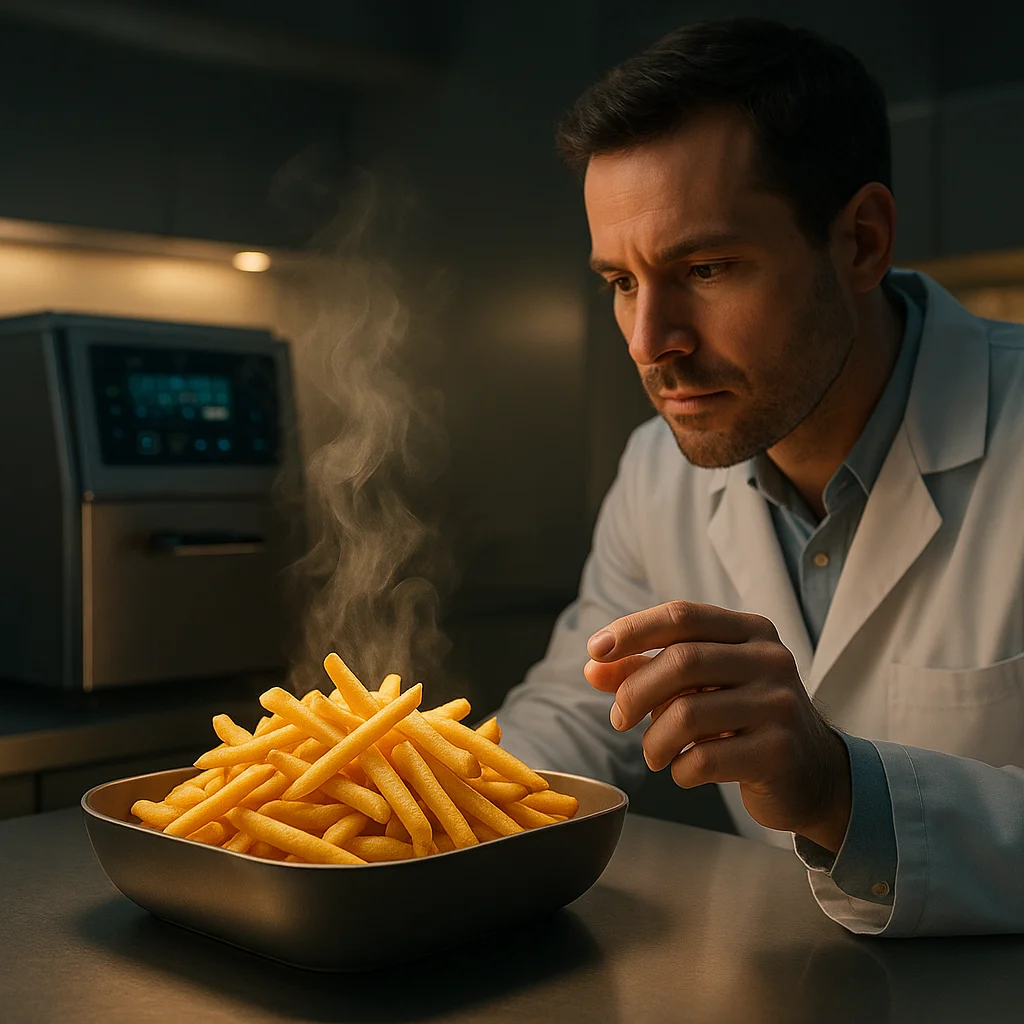
Picture the golden, crunchy exterior of a perfectly cooked French fry, the steam rising as you bite in. The satisfying crunch and soft inside have made fries a beloved comfort food worldwide. Yet, for decades, health experts have warned about their high fat content and the acrylamide produced during frying, a potential carcinogen formed when starchy foods are cooked at high temperatures. This familiar scene, so common in homes and fast-food chains, is on the cusp of transformation thanks to a recent scientific breakthrough. Researchers have developed a method to make French fries significantly healthier without compromising their cherished crispiness or flavor.
The breakthrough, announced in early 2026, promises to redefine how we approach frying potatoes, marrying indulgence with improved nutrition. This development could impact everything from home kitchens to global food service industries. As we unravel the innovation behind this, it’s worth reflecting on how French fries have evolved and what made this advancement possible.
“Our goal was to retain the iconic texture and taste of French fries while reducing the health risks associated with deep frying,” said Dr. Elena Martinez, lead food scientist behind the research, according to MSN.
Tracing the Journey: How We Got Here
The history of French fries is as rich and layered as the fries themselves. Originating as a popular fried potato dish in Europe and quickly becoming a global staple, French fries have long been associated with indulgence and convenience. However, health concerns have shadowed their popularity, particularly due to their high fat and calorie content, and the presence of acrylamide, which forms when potatoes are fried at temperatures above 120°C (248°F).
Early attempts to make fries healthier involved alternative cooking methods such as baking and air frying. While these methods reduce oil usage, many consumers reported a loss of the characteristic crunch and mouthfeel. Efforts also included using different potato varieties and pre-soaking techniques to reduce sugar content and minimize acrylamide formation. Still, a comprehensive solution that maintained taste, texture, and safety remained elusive.
In the 2010s and 2020s, food scientists intensified research on frying oils, temperature control, and food chemistry. The rise of plant-based diets and increased consumer awareness about processed foods added urgency to these efforts. According to Statista, the global French fry market is projected to reach an estimated $15 billion by 2030, underscoring the importance of healthier innovations in this sector.
Technological advances, such as precision heating and microfluidic frying, were explored but often too complex or costly for widespread adoption. Meanwhile, acrylamide reduction methods generally involved trade-offs that compromised either taste or nutritional value.
“Previous strategies were either ‘good for health’ but ‘bad for taste’ or vice versa,” notes Dr. Martinez. “We wanted to break that binary.”
The Science Behind the Breakthrough
The core innovation lies in a novel multi-step process combining pre-treatment, ingredient modification, and optimized frying techniques. The research team, based at the Institute for Food Science and Technology in Belgium, has developed a patented method that reduces acrylamide formation by up to 70% and lowers fat absorption by nearly 40%, according to published data in Food Chemistry journals.
The process involves three critical steps:
- Enzymatic treatment: Potatoes are treated with asparaginase, an enzyme that breaks down asparagine, the amino acid precursor to acrylamide.
- Modified starch infusion: A thin layer of modified starch is infused on the potato surface, which acts as a barrier reducing oil penetration during frying.
- Multi-stage frying: The fries undergo a two-stage frying process. The first stage at a lower temperature removes moisture gently, and the second stage at a higher temperature crisps the exterior without excessive acrylamide formation.
These steps collectively preserve the fries’ signature crunch while improving their health profile. The enzymatic treatment is particularly effective because it targets the root cause of acrylamide formation rather than merely masking it.
Comparative testing against traditional fries revealed:
- 70% reduction in acrylamide levels
- 40% less oil content, cutting overall calories
- No significant difference in taste or texture in blind taste tests involving over 200 participants
- Improved shelf life due to the starch barrier protecting against moisture ingress
Such detailed data provides strong evidence of the potential impact of this method. It also opens doors for further applications in other fried potato products and even bakery items prone to acrylamide.
2026 Developments: From Lab to Table
As of May 2026, this innovation is moving beyond the research lab into commercial and home use. Food manufacturers have started pilot programs integrating this technique into frozen French fry lines. Early adopters include several major brands in North America and Europe, aiming to offer healthier options to increasingly health-conscious consumers.
Additionally, kitchen appliance makers are collaborating with researchers to design frying devices capable of replicating the multi-stage frying process at home. This could transform how consumers cook fries, making healthier options accessible without complicated procedures.
Government agencies and health organizations have taken notice. The European Food Safety Authority (EFSA) is reviewing these findings as part of ongoing efforts to recommend dietary guidelines minimizing acrylamide exposure. Meanwhile, the U.S. Food and Drug Administration (FDA) has expressed interest in promoting such technologies through public-private partnerships.
Some challenges remain, including scaling enzymatic treatments cost-effectively and consumer education about the benefits of these healthier fries. However, optimism is high, given the alignment of scientific, commercial, and regulatory interests.
You might enjoy exploring the detailed coverage in French Fry Innovation: A 2026 Culinary Breakthrough for more context on these commercial rollouts.
Industry and Expert Perspectives
Experts in food science and nutrition are cautiously optimistic. Dr. Harriet Chung, a nutritionist at the University of Toronto, remarks, “The reduction in acrylamide and fat absorption addresses two major health concerns associated with fried potatoes. This breakthrough could shift consumer habits if widely adopted.”
Restaurants and fast-food chains are watching closely. Chains like McDonald's and Burger King have reportedly initiated internal testing to adapt their cooking processes, hoping to maintain their iconic fry taste while responding to growing health trends.
Industry analysts suggest that this breakthrough aligns with broader moves toward functional foods—those that offer health benefits beyond basic nutrition. As consumers demand transparency and healthier alternatives, the ability to innovate within familiar comfort foods is a significant commercial advantage.
“Healthier fries without compromising taste is a promise that could redefine fast food,” says food industry analyst Mark Reynolds.
Meanwhile, some skepticism persists regarding cost implications and whether these fries will be priced competitively. However, early market tests indicate consumer willingness to pay a premium for healthier indulgences.
Looking Ahead: What This Means for the Future
This breakthrough is more than just about fries; it signals a broader shift in food technology and consumer expectations. Several trends emerge as key takeaways:
- Health and indulgence can coexist: The innovation proves that taste and health are not mutually exclusive, encouraging similar advances in other snack and convenience foods.
- Science-driven food innovation: Enzymatic and biochemical approaches will likely become staples in food processing to tackle longstanding health challenges.
- Consumer empowerment: With healthier options entering mainstream markets, consumers can make better choices without sacrificing enjoyment.
- Regulatory momentum: Positive scientific developments provide regulators with evidence to update guidelines and recommendations.
- Environmental impact: Reduced oil usage and longer shelf life could contribute to lower food waste and resource consumption.
The next few years will be critical in determining how widely this method is adopted and whether it triggers a wave of similar breakthroughs in fried and processed foods.
For readers interested in complementary food innovations, also worth reading is Plant-Based Protein Alternatives Review: Trends, Science, and Market Leaders, which examines parallel shifts in the food industry toward healthier, sustainable options.
“This breakthrough exemplifies how targeted scientific research can transform even the most traditional foods,” Dr. Martinez concluded. “It’s a step toward reimagining what healthful eating can look like — without compromise.”































Sign in to leave a comment.