
From Gaudí’s Curves to Smart Curves: The Rise of Wearable Health Devices
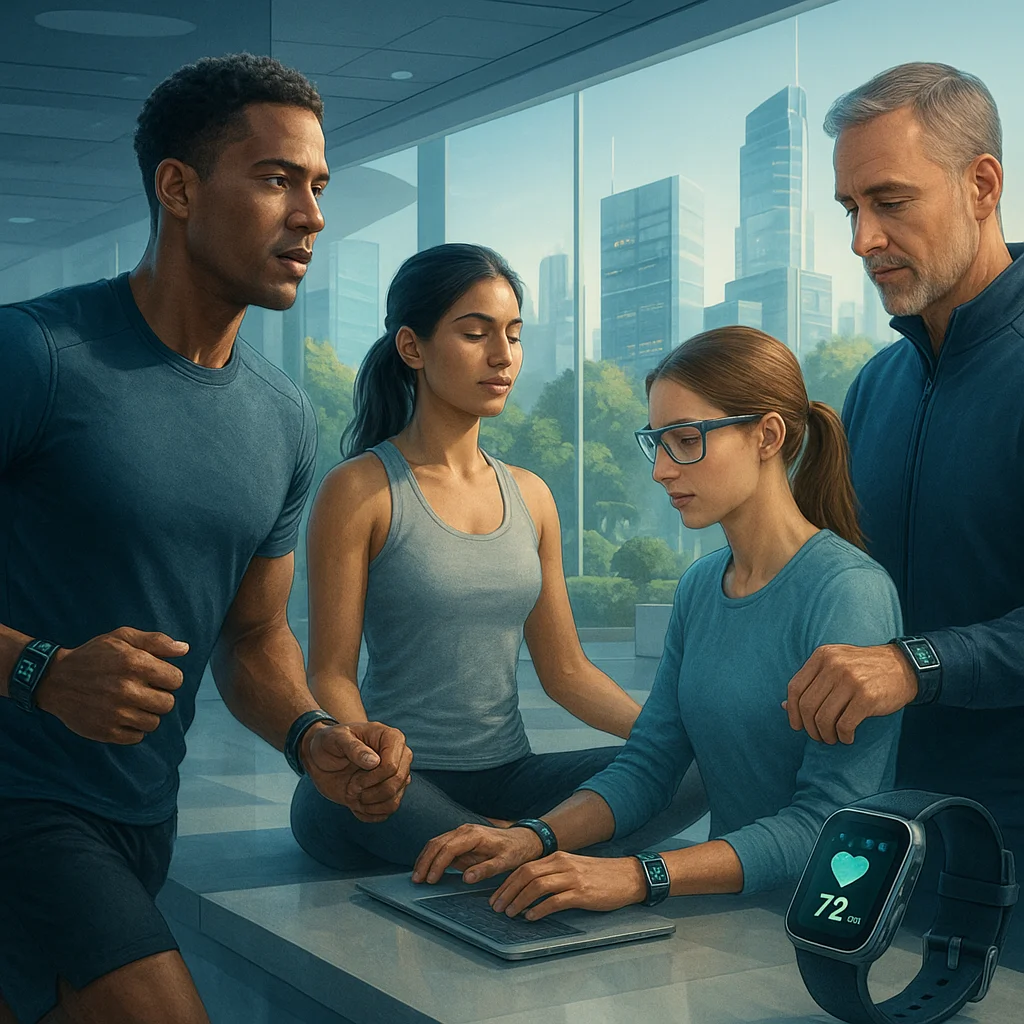
Imagine strolling through the winding streets of Barcelona during La Mercè festival, where tradition meets innovation in a vibrant dance of culture and technology. Much like Antoni Gaudí’s organic, flowing architectural masterpieces, wearable health devices have evolved into sophisticated, seamless companions that curve around our wrists, fingers, and even clothes, shaping a personalized wellness experience. These devices do more than count steps—they map heart rhythms, monitor blood oxygen, track sleep quality, and offer insights that can pivotally influence our health journeys.
As of 2026, the global market for wearable health devices is booming, with projections hinting at a compound annual growth rate (CAGR) of nearly 15% in various regions, including the Middle East’s GCC. This surge is driven by consumers’ growing appetite for real-time health insights and advancements in sensor technology, AI, and connectivity. The Mediterranean lifestyle, with its emphasis on balance and well-being, finds a natural ally in these devices, which encourage mindful activity and proactive health management.
“Wearable health devices are no longer mere gadgets; they are integral partners in personalized healthcare, blending technology and lifestyle seamlessly.” — Industry Analyst, TechCrunch
Tracing the Path: How Wearable Health Tech Arrived Here
The story of wearable health devices is a tale of relentless innovation. Early iterations started as simple pedometers and heart rate monitors, often bulky and limited in function. The big leap came in the 2010s with the advent of smartwatches and fitness bands equipped with accelerometers and optical sensors. Over time, integration of GPS, ECG, and SpO2 sensors expanded their capabilities, making them invaluable for both casual users and medical patients.
By the mid-2020s, AI-powered algorithms began to interpret complex physiological data, turning raw metrics into actionable health advice. The pandemic accelerated consumer interest in remote monitoring, pushing companies to develop devices that support continuous health tracking without clinical visits. This shift marked a transformation from fitness-focused wearables to comprehensive health companions.
This evolution parallels Barcelona’s own blend of history and modernity—where old meets new in a harmonious, functional design. Today’s wearables are sleeker, more comfortable, and embedded with sophisticated analytics that empower users to understand their bodies better than ever.
Analyzing the Best of the Best: Top Wearables in 2026
Choosing the right wearable is akin to selecting the perfect mosaic tile—each piece must fit your lifestyle and health goals. In 2026, several devices stand out, pushing the boundaries of technology and user experience. Here’s a detailed look at some front-runners:
- Apple Watch Series 9: With advanced sensors for blood glucose estimation, ECG, and body temperature, the Series 9 leads in comprehensive health monitoring. Its new AI-driven wellness assistant offers personalized recommendations based on continuous data, appealing to tech-savvy users seeking precision.
- Fitbit Luxe Pro: Emphasizing stylish design and affordability, this device excels in stress management and sleep analytics, integrating mindfulness exercises with biometric feedback.
- Oura Ring Gen 4: This smart ring packs a punch with high-accuracy heart rate variability (HRV) tracking and temperature sensing, perfect for users wanting discreet yet powerful health tracking. According to TechTimes, smart rings are reshaping how users engage with health data.
- Garmin Venu 3: Tailored for athletes and outdoor enthusiasts, it offers enhanced GPS tracking, pulse oximetry, and hydration monitoring, wrapped in a rugged yet elegant design.
- Withings ScanWatch Horizon: A hybrid smartwatch that combines classic watch aesthetics with medical-grade ECG and respiratory sensors, appealing to those who want a clinical edge without sacrificing style.
These devices vary not only in features but in ecosystem compatibility, battery life, and price points. For instance, Apple Watch’s integration with iOS offers a seamless user experience, while Garmin’s extensive sport modes attract active users. Choosing the right device depends on individual needs—whether prioritizing medical insights, lifestyle tracking, or fashion.
“The convergence of fashion and function in wearables is critical to user adoption; devices that look good are more likely to be worn consistently, enhancing health outcomes.” — Maya Rodriguez, Health & Wellness Tech Writer
2026 Developments: Innovation Meets Sustainability and AI
The current year has introduced some notable shifts in wearable health tech. Foremost among these is the integration of sustainable materials and eco-conscious manufacturing processes. Research highlighted by Nature emphasizes reducing the environmental footprint of wearables, a crucial step given concerns over e-waste. TechCrunch reports warn that wearable health devices could generate over a million tons of e-waste by 2050, urging manufacturers to adopt circular economy principles.
On the AI front, devices now leverage machine learning models that personalize health insights with increased accuracy. These models adapt to individual physiological baselines, minimizing false alerts and enhancing predictive capabilities. For example, some wearables use AI to detect early signs of atrial fibrillation or respiratory anomalies, enabling timely interventions.
Connectivity has also advanced with 5G and low-power wide-area networks (LPWAN), ensuring devices maintain robust, real-time data transmission without draining batteries. The growing smart IoT ecosystems are enhanced through wearable app technology, creating holistic health environments that sync data from home devices, gyms, and medical providers, as explored in our article on Smart IoT Ecosystems Enhanced Through Wearable App Technology.
Expert Insights and Industry Impact
Industry leaders and healthcare professionals increasingly recognize wearable health devices as pivotal tools for preventive medicine. Dr. Elena Martínez, a cardiologist based in Madrid, notes, “Patients using wearables demonstrate better adherence to medication and lifestyle modifications due to continuous feedback loops.” This real-time data empowers clinicians to tailor treatments dynamically.
From a market perspective, the GCC region exemplifies rapid adoption, with MarkNtel Advisors projecting a market value surpassing USD 3.12 billion by 2032, fueled by government investments and rising health awareness. This trend mirrors global patterns where public health initiatives prioritize digital health solutions.
Moreover, the rise of AI-powered wearable health tech is redefining roles across the healthcare ecosystem—shifting some diagnostic and monitoring responsibilities from clinics to consumers themselves. This democratization of health data requires robust privacy and security frameworks to protect sensitive information.
“The wearable health device industry is not just about gadgets but about reshaping healthcare delivery towards a more proactive, personalized model.” — Healthcare Technology Expert, Newspoint on MSN
Looking Ahead: What the Future Holds for Wearable Health Devices
As we look beyond 2026, several trends will shape the trajectory of wearable health technology. First, miniaturization will continue, with devices becoming less obtrusive yet more powerful—think smart textiles woven with biosensors and implantable devices offering continuous metabolic monitoring.
Second, interoperability across platforms and healthcare systems will be crucial. The vision is a seamless flow of data that supports holistic health management across different providers and applications, reducing fragmentation and enhancing patient outcomes.
Finally, sustainability will gain even more prominence. Industry stakeholders are exploring biodegradable components and take-back programs to mitigate environmental impacts, as detailed by Nature and TechCrunch reports. Consumers, especially Millennials and Gen Z, increasingly demand ethical tech that aligns with their values.
For those curious to explore the latest in wearable health devices and AI advancements, our detailed coverage on The Rise of AI-Powered Wearable Health Tech in 2026 offers deeper insights into how these innovations translate into healthier lives.
- Continued integration of AI will improve diagnostic accuracy and personalized recommendations.
- Expansion of wearables beyond wrists and fingers into clothing and implantables will broaden health monitoring possibilities.
- Greater emphasis on privacy and ethical data use will build consumer trust.
- Environmental sustainability efforts will reshape manufacturing and disposal practices.
Embracing these changes promises a future where wearable health devices are as indispensable as the Mediterranean sun that energizes Barcelona’s vibrant streets—brightening personal wellness every day.






























Sign in to leave a comment.