

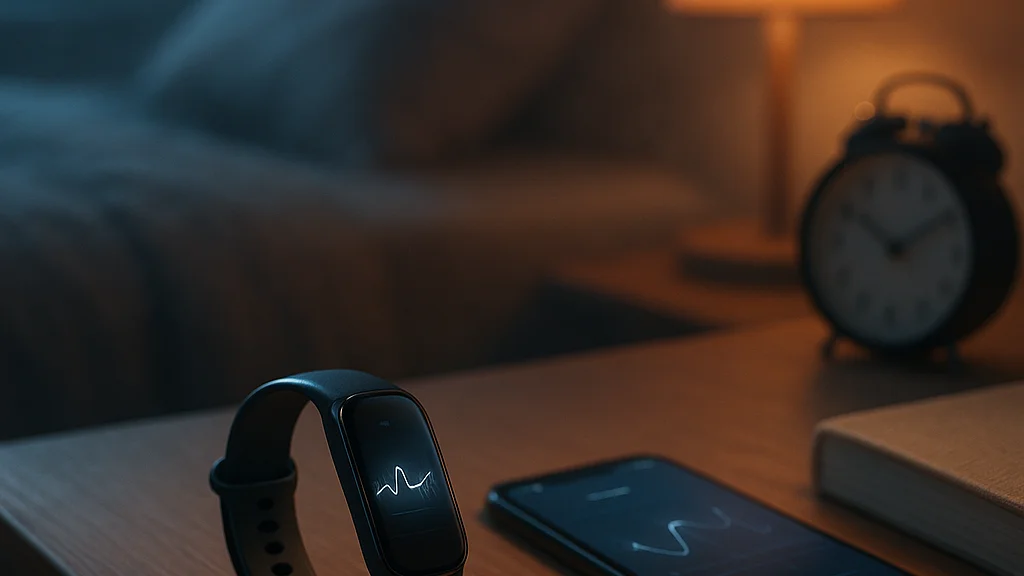
At 2:17 a.m., a wrist on a pillow lights up for a second, records a pulse variation, and quietly adds another line to a sleep graph that will be inspected over coffee in the morning. That tiny moment captures the promise and the problem of sleep tracking technology. We want sleep to become visible. We want patterns, reassurance, and a plan. Yet sleep is not a spreadsheet alone. It is rhythm, biology, stress, light, movement, alcohol, hormones, room temperature, and the stubborn unpredictability of being human. In Barcelona, where late dinners and lively plazas can stretch the evening like one of Gaudí's flowing facades, this tension feels especially familiar. We crave both pleasure and recovery!
The market has responded with enthusiasm. Smartwatches, smart rings, under-mattress sensors, bedside radar devices, and app-based coaching systems now promise sharper sleep scores, better recovery, and even circadian guidance. Recent consumer coverage from AOL's roundup of leading sleep wearables and BGR's comparison of smart rings and smartwatches shows how mainstream this category has become. But the crucial question is not whether devices can collect more data. It is whether they can help people build better habits without creating anxiety, false confidence, or obsessive score-chasing.
That is where the conversation has matured in 2026. The best sleep tech is no longer sold merely as a gadget. It is becoming a behavior tool, one that works only when paired with practical changes: consistent wake times, darker bedrooms, fewer late stimulants, and more respect for circadian timing. Readers looking for a broader foundation can compare this piece with Sleep Tracking Technology for Better Sleep Habits and Sleep Tracking Technology and the Science of Better Sleep. The technology matters, certainly. But the habit loop matters more.
Key insight: A sleep tracker is most useful when it changes what you do before bed, not when it simply tells you what happened after the fact.
How sleep tracking went from novelty to nightly ritual
A decade ago, many consumer sleep tools were little more than motion detectors wrapped in wellness branding. If you moved less, the app assumed you slept better. That was a crude shortcut. Over time, companies layered in optical heart-rate sensors, skin temperature trends, blood oxygen estimates, respiratory rate detection, and heart rate variability, or HRV. This gave devices a richer view of overnight physiology, though still an indirect one compared with clinical polysomnography, the gold standard used in sleep labs.
The shift from novelty to habit came when sleep tracking merged with broader wellness ecosystems. Apple, Fitbit, Garmin, Samsung, Oura, Whoop, and others stopped treating sleep as an isolated metric. Instead, they connected it to readiness, recovery, training load, stress, menstrual health, and daily energy. That move was clever because it translated a fuzzy goal, “sleep better,” into something more tangible: perform better, recover faster, think more clearly, crave less sugar, and feel less wrecked by the afternoon slump.
Another important change was form factor. Many people dislike sleeping in a bulky watch. Rings, patches, and contact-free bedside devices reduced friction. According to BGR's reporting on rings versus watches, rings often appeal to users who want less screen interaction and more comfort overnight. That matters because adherence determines value. A tracker worn only twice a week is like a beautiful Catalan festival costume left in the wardrobe: impressive, but not doing much in real life.
Software also grew more sophisticated. Instead of raw charts alone, platforms now surface bedtime consistency, sleep debt, chronotype clues, and recovery recommendations. The Charlotte Observer's article on MSN about circadian scores argues that the next wave may focus less on a generic sleep score and more on whether your sleep timing aligns with your internal clock. That is a meaningful evolution. Sleep duration is important, but timing and regularity often explain why two people can both log seven and a half hours yet wake up feeling completely different.
- Early trackers emphasized movement and guessed sleep stages.
- Second-generation devices added heart rate, HRV, respiratory rate, and temperature trends.
- Current platforms increasingly combine sleep quantity, timing, regularity, and recovery coaching.
What these devices actually measure, and where they still struggle
Consumer sleep trackers do not directly “see” sleep the way a clinical study does. In a lab, clinicians can measure brain waves, eye movement, muscle tone, breathing effort, oxygen saturation, and more. Most wearables cannot do that. They infer sleep based on signals such as stillness, pulse patterns, skin temperature, and overnight variability in the autonomic nervous system. This is useful, but it has limits. Quiet wakefulness can look like light sleep. Restless sleep can be mistaken for wake time. Stage estimates may be directionally helpful while remaining imprecise at the individual-night level.
That gap explains why many sleep specialists urge consumers to focus less on exact stage percentages and more on trends. If your tracker says deep sleep fell from 1 hour 18 minutes to 54 minutes after three glasses of wine and a midnight snack, the broader message is probably valid even if the exact numbers are not. Likewise, if your resting heart rate runs higher overnight after a stressful week, that can be a meaningful recovery signal. The danger comes when people treat every metric as diagnostic truth.
The Tech Edvocate, in a sharply critical piece on misleading sleep trackers, warns that a large share of devices and apps can overpromise accuracy or exploit consumer confusion. The article's headline is dramatic, but the underlying caution is fair. Marketing language often blurs the line between wellness insight and medical reliability. A tracker may help identify that your sleep is fragmented; it cannot confirm sleep apnea, insomnia disorder, restless legs syndrome, or narcolepsy. Those require clinical evaluation.
There is another subtle problem: the psychology of measurement. Some users develop what sleep clinicians have increasingly described as sleep performance anxiety, sometimes called orthosomnia. They go to bed trying to “achieve” a score. They check the app at 3 a.m. They panic over one red metric. Ironically, the pursuit of perfect sleep can disrupt sleep itself.
Important caution: If a tracker makes you more anxious, more obsessive, or more likely to stay in bed chasing numbers, it is no longer serving your health.
Still, dismissing the whole category would be a mistake. For many people, trackers are effective mirrors. They reveal bedtime drift, alcohol-related disruption, inconsistent wake times, late caffeine effects, and the cost of doomscrolling. The most valuable data points are often the least glamorous:
- Sleep regularity: Are you sleeping and waking at roughly the same times?
- Total sleep opportunity: Are you actually giving yourself enough time in bed?
- Overnight recovery signals: Are HRV, resting heart rate, and respiratory rate stable or drifting?
- Behavior-response patterns: What happens after travel, heavy meals, intense training, or evening alcohol?
Why better sleep habits matter more than better hardware
The most elegant sensor in the world cannot rescue a chaotic routine. Sleep is deeply behavioral. That sounds almost old-fashioned in an age of rings and algorithms, but it remains the center of the story. A person who goes to bed at wildly different times, uses bright screens in bed, drinks espresso after dinner, and sleeps in on weekends may buy an expensive tracker and still wake up tired. The device may document the problem beautifully. It will not solve it on its own.
What works, consistently, is surprisingly simple. Wake at a regular time. Get morning light exposure. Keep the bedroom cool, dark, and quiet. Limit alcohol close to bedtime. Reduce caffeine later in the day. Use exercise strategically, but not so late that it leaves you overstimulated. Build a wind-down routine that feels calming rather than punitive. This is where sleep tech can shine: not as a magic cure, but as a feedback loop that makes invisible habits visible.
Consider one common pattern. A user believes they are a “bad sleeper” because they wake up groggy. Their tracker reveals something else: bedtime ranges from 11:00 p.m. to 1:40 a.m. across the week, and weekend wake times shift by nearly two hours. The issue may be less about mysterious poor sleep and more about social jet lag. Once they anchor wake time and trim late-night screen exposure, sleep efficiency improves. That is not glamorous. It is effective.
The newer WriteUpCafe guide, How Sleep Tracking Technology Shapes Better Sleep Habits in 2026, explores this behavior-first model well. The strongest use case for trackers is not endless analysis but practical experimentation. Try a consistent lights-out window for 10 nights. Pull caffeine earlier. Add a 20-minute evening walk. Compare the trend, not just one night. Like the repeating patterns in mosaic tiles, small routines gain power through consistency.
- Best habit for most users: keep wake time within a 30-minute range, even on weekends.
- Most underrated intervention: morning outdoor light within the first hour after waking.
- Most overestimated fix: buying a new device before fixing bedtime inconsistency.
- Most common saboteur: alcohol, which can shorten sleep onset while fragmenting the second half of the night.
Smart rings, watches, mattresses, and bedside sensors in 2026
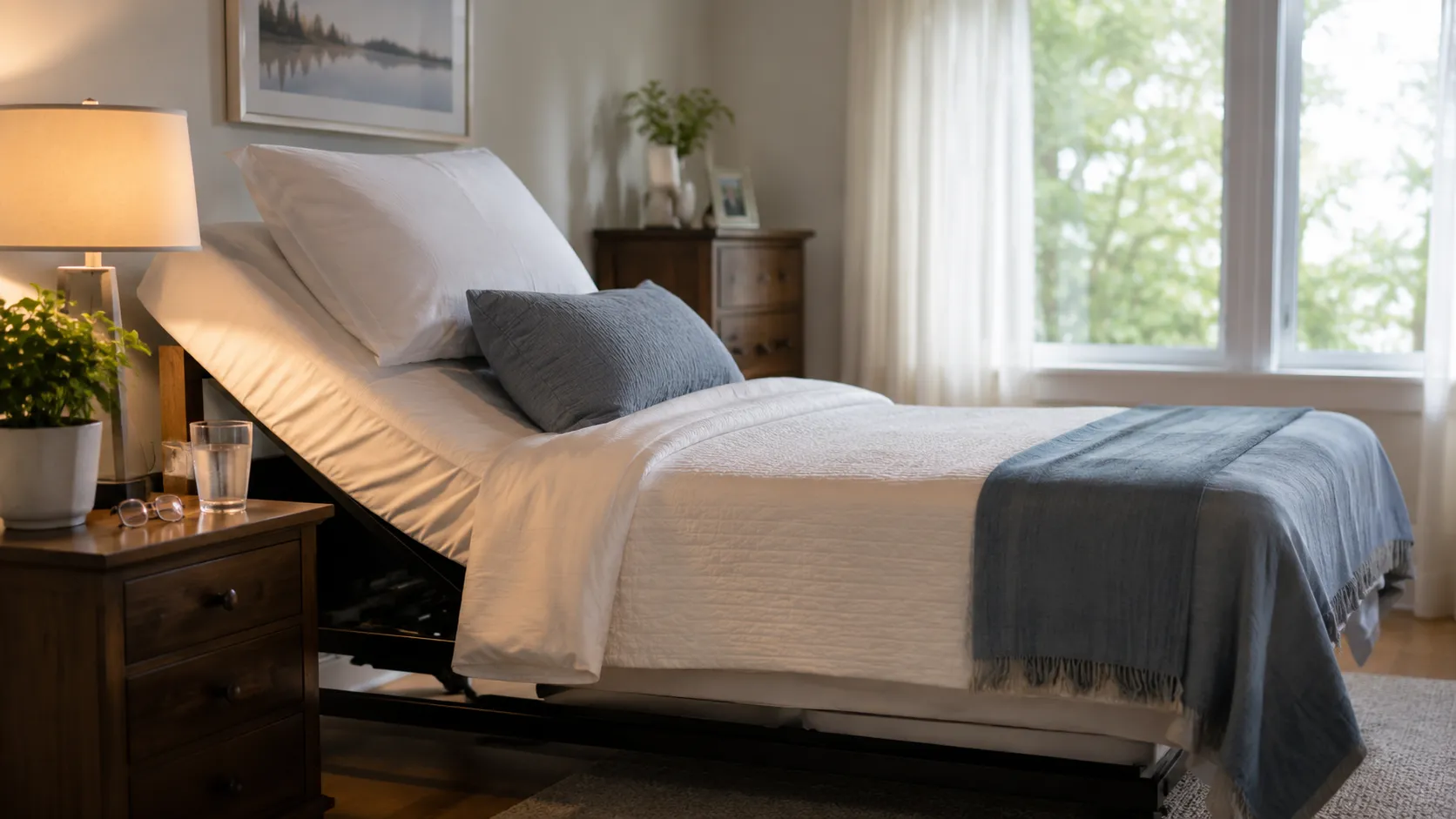
The hardware category is more diverse in 2026 than it was even two years ago. Smart rings have become the darlings of sleep-focused consumers because they are discreet, generally comfortable, and less distracting than a glowing watch face. Watches remain powerful because they combine sleep tracking with daytime activity, GPS training, notifications, and broader health monitoring. Under-mattress sensors and bedside devices appeal to people who do not want to wear anything at all. Smart mattresses and climate systems add another layer by adjusting temperature or firmness through the night.
According to talkandroid.com's 2026 look at sleep tech, the category now spans wearables, smart mattresses, and contact-free systems, with a growing emphasis on whether any of it actually changes outcomes. That is the right question. Features are easy to list. Meaningful benefit is harder to prove. AOL's wearable roundup also reflects how crowded the market has become, with mainstream buyers now comparing battery life, comfort, ecosystem integration, and coaching quality rather than simply asking whether sleep tracking exists at all.
Each category has trade-offs. Rings tend to be strong on comfort and overnight wear compliance. Watches may offer richer daytime context but can be bulky at night. Bedside radar-style devices eliminate wearability issues but may struggle in shared beds or with environmental interference. Smart mattresses can improve thermal comfort, which truly matters for sleep, but they are expensive and often lock users into proprietary ecosystems.
For most people, the best device is not the one with the longest feature list. It is the one they will use consistently and understand clearly. If the app buries useful insights under dozens of metrics, adherence falls. If charging habits are annoying, overnight data gaps appear. If the recommendations are vague, behavior does not change. A good sleep tracker should answer three practical questions every morning: How regular was I? How recovered do I seem? What one thing should I adjust tonight?
The rise of circadian scores and why timing may beat totals
One of the most interesting developments in recent coverage is the move toward circadian scoring. The MSN-hosted Charlotte Observer article on circadian scores highlights a shift from counting sleep alone to evaluating alignment. That sounds abstract, but the principle is simple: your body keeps time. Hormones, temperature, alertness, digestion, and sleepiness all move in daily cycles. If your schedule regularly fights those rhythms, quantity alone may not save you.
This matters because many users fixate on duration. Seven hours and 45 minutes looks respectable on a dashboard. But if that sleep starts at wildly different times each night, or if it regularly pushes against your natural rhythm, daytime function can still suffer. Research over the past several years has continued to support the importance of regularity. Sleep consistency is associated with better mood, metabolic stability, and cardiovascular health markers. Consumer devices are now trying to translate that science into user-friendly scoring systems.
The promise here is real. Circadian-aware platforms can nudge users toward steadier sleep timing, better light exposure habits, and more realistic expectations around shift work or travel. But they also risk oversimplification. Human schedules are messy. Parents, nurses, hospitality workers, founders, and caregivers cannot always obey an idealized routine. A useful circadian score should guide, not shame.
For readers who enjoy tracking but want to avoid overcontrol, the healthiest mindset is to treat circadian data as a compass. Aim for direction, not perfection. If your bedtime slips during festivals, travel, or summer evenings by the sea, your body is not broken. The goal is to return to a stable rhythm quickly. Think of it like restoring balance after a long night at La Mercè: joy has its place, but recovery needs structure the next day.
- Duration tells you how much sleep you got.
- Efficiency estimates how consolidated that sleep was.
- Timing shows when sleep occurred.
- Regularity reveals whether your schedule is stable enough for your body clock.
Where sleep tracking helps most: real-world behavior changes
The strongest evidence for consumer sleep tech is often practical rather than clinical. A person notices that late strength training raises bedtime alertness. Another sees that even one extra glass of wine elevates overnight heart rate. A frequent traveler learns that morning light and an early local walk reduce jet lag faster than sleeping in. These are not trivial discoveries. They can improve energy, mood, recovery, and decision-making within days.
Athletes and highly active adults were early adopters because recovery metrics map neatly onto performance goals. But the broader population may benefit just as much. People with desk jobs often underestimate how much irregular schedules and low daytime light exposure affect sleep. Remote work intensified this for many households. Without a commute, some people lost a natural morning light cue and slid into later rhythms. Trackers helped surface the drift.
There are also meaningful uses for midlife adults, especially during periods of hormonal change, caregiving stress, or rising health concerns. Temperature trends, elevated resting heart rate, and increased night wakings can flag that something has shifted, even if the device cannot diagnose why. That can prompt earlier conversations with a clinician. The tracker becomes a diary with timestamps, not a doctor in disguise.
Still, the clearest wins usually come from a handful of habit experiments:
- Moving caffeine cutoff from 5 p.m. to 1 p.m.
- Keeping wake time consistent for two weeks.
- Reducing bedroom temperature by a few degrees.
- Replacing late scrolling with 20 minutes of reading or stretching.
- Taking a short walk outdoors within an hour of waking.
- Limiting alcohol on work nights and comparing overnight heart rate trends.
What surprises many users is how quickly patterns emerge. Within 10 to 14 days, most platforms can show whether a change is helping. That immediacy is powerful. It turns vague advice into visible cause and effect. And when people can see the difference, they are more likely to stick with the habit.
Red flags, medical boundaries, and how to use trackers wisely
There is a line sleep tech should not cross, and consumers should know where it is. If you snore heavily, gasp during sleep, wake with headaches, feel dangerously sleepy during the day, or have persistent insomnia symptoms, a wearable is not enough. Those are clinical flags. According to major sleep medicine guidance over recent years, symptoms suggestive of sleep apnea, chronic insomnia, or other sleep disorders warrant professional assessment. Consumer devices can support the conversation, but they should not delay it.
Another red flag is overinterpretation. A bad score after one poor night does not mean your health is collapsing. Sleep naturally varies. Menstrual cycles, illness, travel, heat waves, stress, and intense exercise all change the data. The Mediterranean approach has something to teach here: rhythm matters, but so does perspective. One disrupted night is weather. A repeated pattern is climate.
The best way to use a tracker is with a few guardrails:
- Check trends weekly rather than obsessing over every night.
- Prioritize consistency, total sleep opportunity, and how you feel during the day.
- Use metrics to test behaviors, not to judge yourself.
- Seek medical advice for persistent symptoms, loud snoring, or excessive daytime sleepiness.
- Turn off unnecessary notifications if the device itself disturbs your rest.
Privacy also deserves attention. Sleep data can reveal intimate details about schedules, health patterns, and behavior. Before buying, users should review how companies store data, whether they share it with third parties, and what happens if they discontinue support for a device. This is not paranoia. It is basic digital hygiene.
Sleep tracking technology is at its best when it behaves like a wise companion: observant, calm, and useful. Not intrusive. Not judgmental. Not noisy. The future of the category will likely bring better sensors, more passive monitoring, and stronger AI-driven coaching. But the central truth will remain beautifully simple. Better sleep begins with better habits, and good technology helps those habits take root. Like a Gaudí staircase, the path works because each curve supports the next. The data can guide you there. The nightly choices still belong to you.



























Sign in to leave a comment.