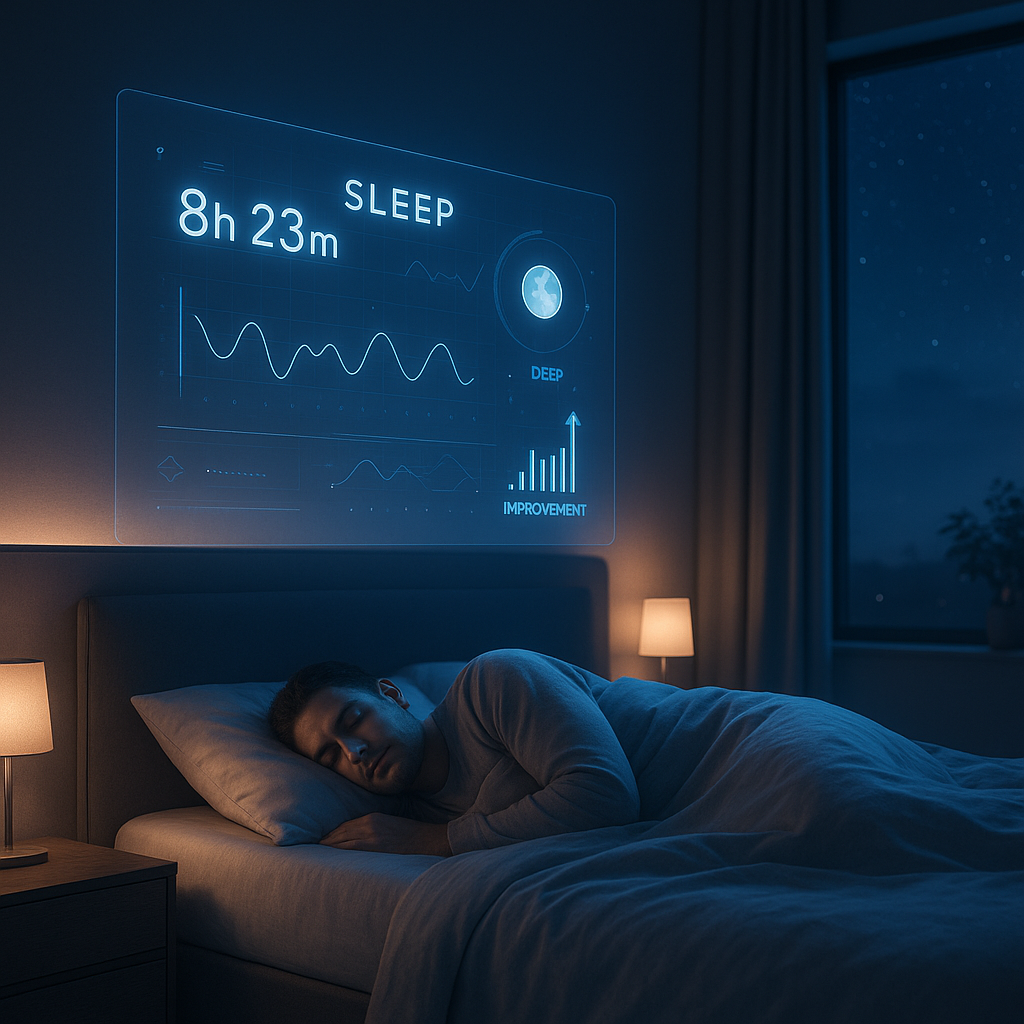

Nightfall in a Digital Age: How Sleep Tracking Became a Daily Ritual
Imagine winding down after a long day, slipping beneath your sheets, and knowing that your wearable device or smart mattress is silently monitoring your every breath, heartbeat, and movement. This is not a futuristic fantasy but a reality for millions worldwide in 2026. The rise of sleep tracking technology has transformed once passive nights into data-rich sessions, offering unprecedented insight into our most vital restorative process. According to Statista, over 150 million consumers globally now use some form of sleep tracking device or app, a figure that has tripled since 2020.
As we navigate the challenges of modern life—ranging from increased screen time to persistent stress—sleep problems have surged. The Centers for Disease Control and Prevention (CDC) reports that nearly 40% of adults in the U.S. suffer from insufficient sleep. Sleep tracking technologies have emerged as accessible tools to combat this trend, helping users identify patterns and make informed behavioral changes. This digital revolution in sleep monitoring also aligns with a larger health and wellness technology movement, where data-driven habits empower individuals to take control of their wellbeing.
Yet, beneath the glowing screens and sleek devices lies a complex interplay of science, technology, and psychology shaping how these tools influence better sleep habits. This article unpacks the evolution, current state, and future trajectories of sleep tracking technology, revealing how it is redefining the quest for restorative rest.
The Evolution of Sleep Tracking: From Lab to Wrist in Two Decades
Sleep monitoring began as a specialized clinical procedure known as polysomnography—an elaborate process involving electrodes, cameras, and sensors to record brain waves, eye movements, muscle activity, heart rhythm, and breathing during sleep. While these tests remain the gold standard for diagnosing sleep disorders, they are inaccessible for routine self-monitoring due to cost and complexity.
The first consumer-grade sleep trackers appeared in the early 2010s, primarily as wristbands measuring movement to infer sleep duration and quality. Early devices like Fitbit and Jawbone revolutionized accessibility but offered limited accuracy compared to clinical tools. Over time, advances in sensor technology, machine learning algorithms, and miniaturization have vastly improved data precision and the range of measurable parameters.
Today’s devices integrate multiple sensors—optical heart rate monitors, accelerometers, skin temperature sensors, and even electrodermal activity detectors—to create comprehensive sleep profiles. Smart mattresses and pillows equipped with pressure sensors and sound detection now complement wearables, providing contactless options for sleep analysis. Software evolution has been equally impressive; AI-driven analytics synthesize raw data into actionable insights and personalized recommendations.
Industry giants such as Apple, Garmin, and Oura are competing with innovative startups like Sleepal®, whose AI-powered smart lamp debuted at CES 2026 with award-winning technology advancing circadian rhythm regulation and ambient sleep environment control. These developments underscore a maturing ecosystem focused on holistic and user-friendly sleep health solutions.
Data-Driven Insights: How Sleep Trackers Inform Better Habits
At the core of sleep tracking technology is data collection and interpretation. In 2026, the average consumer sleep tracker measures an array of metrics, including:
- Total sleep time
- Sleep stages (light, deep, REM)
- Sleep onset latency
- Wake after sleep onset (WASO)
- Heart rate variability (HRV)
- Respiratory rate
- Environmental factors (noise, temperature, light)
These parameters provide a multidimensional view of sleep quality rather than simplistic duration metrics. For example, deep sleep and REM sleep are critical for physical restoration and cognitive processing, respectively. Insights into fragmented sleep or prolonged latency help identify potential issues such as insomnia or sleep apnea.
Several longitudinal studies reinforce the efficacy of sleep trackers in fostering better habits. A 2025 Harvard Medical School study involving 1,200 participants found that those who actively used sleep tracking data to adjust bedtime routines, screen exposure, and caffeine intake reported a 30% improvement in subjective sleep quality over six months.
“Sleep tracking technology acts as a mirror, reflecting sleep behaviors that often go unnoticed. When users see clear, personalized data, they are more motivated to adopt healthier habits,” said Dr. Lila Thompson, a sleep scientist and consultant.
However, accurate data interpretation is key. The San Diego Union-Tribune highlighted in February 2026 that many users face challenges due to device limitations and misinterpretation of sleep metrics, sometimes leading to anxiety or counterproductive behaviors. This underscores the importance of combining technology with expert guidance.
2026 Breakthroughs: AI, Ambient Tech, and Integrative Platforms
The year 2026 marks a milestone in sleep technology with several innovations shaping the landscape. One standout is the integration of artificial intelligence capable of not only tracking but also predicting sleep disruptions and suggesting tailored interventions in real time.
Sleepal®’s AI Lamp, launched early this year, exemplifies this trend. It uses a combination of circadian lighting, ambient sound modulation, and biometric sensing to create an adaptive sleep environment that aligns with the user’s biological rhythms. According to Benzinga.com, this startup clinched multiple CES awards for disrupting traditional sleep health tech by merging environmental control with predictive analytics.
Meanwhile, major wearable manufacturers have enhanced interoperability. Apple’s Watch Series 10 now syncs seamlessly with home smart devices to adjust bedroom temperature and lighting autonomously based on sleep stage data. Garmin’s latest sleep tracking algorithm incorporates blood oxygen saturation trends to flag early signs of sleep apnea or respiratory issues.
“The convergence of AI and ambient technology is transforming sleep tracking from passive monitoring to active sleep coaching,” observed Dr. Elena Ruiz, Head of Sleep Research at a leading tech-health consortium.
Additionally, platforms have grown more holistic, integrating sleep data with nutrition, exercise, and mental health apps. This ecosystem approach reflects a growing understanding that sleep quality is intertwined with overall lifestyle factors, resonating with the insights detailed in our article on sleep and immune health.
Expert Views and Industry Impact: Between Promise and Caution
While excitement around sleep tracking technology is palpable, experts caution against overreliance without clinical oversight. Sleep specialists emphasize that these tools are valuable for raising awareness but are not substitutes for professional diagnosis or treatment of sleep disorders.
Dr. Monica Chen, a neurologist specializing in sleep medicine, explains, “Consumer devices are improving but still fall short of clinical polysomnography in accuracy. They should be used as adjuncts to promote better habits, not as diagnostic instruments.” This sentiment echoes recent editorials in The Tech Edvocate warning about the stress some insomnia sufferers experience from obsessive monitoring and data overload.
From an industry perspective, the sleep tech market is projected to exceed $15 billion by 2028, according to market research firms. This growth is driving substantial investments in research and development, with cross-sector collaborations between healthcare providers, tech companies, and wellness brands becoming more common.
- Companies are focusing on user privacy and data security given sensitive health information collected.
- Regulatory bodies are beginning to draft specific guidelines for medical claims related to sleep devices.
- Insurance providers are exploring incentives for users who demonstrate improved sleep metrics through tracked data.
The industry’s challenge remains balancing innovation with realistic expectations and ethical considerations.
Looking Ahead: What Sleep Tracking Means for Tomorrow’s Sleepers
As we move further into 2026 and beyond, sleep tracking technology is poised to deepen its role in personal health management. Future developments may include:
- Advanced biomarker integration from non-invasive sensors detecting hormonal changes related to sleep cycles.
- Greater AI sophistication enabling behavior prediction and preemptive sleep disruption alerts.
- Expanded ambient control devices that personalize bedroom environments dynamically throughout the night.
- Integration with mental health platforms addressing stress and anxiety factors impacting sleep.
- Broader healthcare integration allowing physicians to monitor patient sleep remotely and adjust treatments accordingly.
For consumers, actionable takeaways include prioritizing consistent use of tracking data to identify patterns, adopting recommended behavioral changes gradually, and seeking professional advice when persistent issues arise. The synergy between technology and evidence-based sleep hygiene practices, like those discussed in our framework for better habits, offers the best pathway to improved rest.
Sleep tracking technology, when employed thoughtfully, holds promise not just for better nights but healthier days, underscoring the timeless truth that quality sleep remains foundational to wellbeing.




























Sign in to leave a comment.