
Awakening to a New Era: The Rising Role of Technology in Sleep Apnea Care
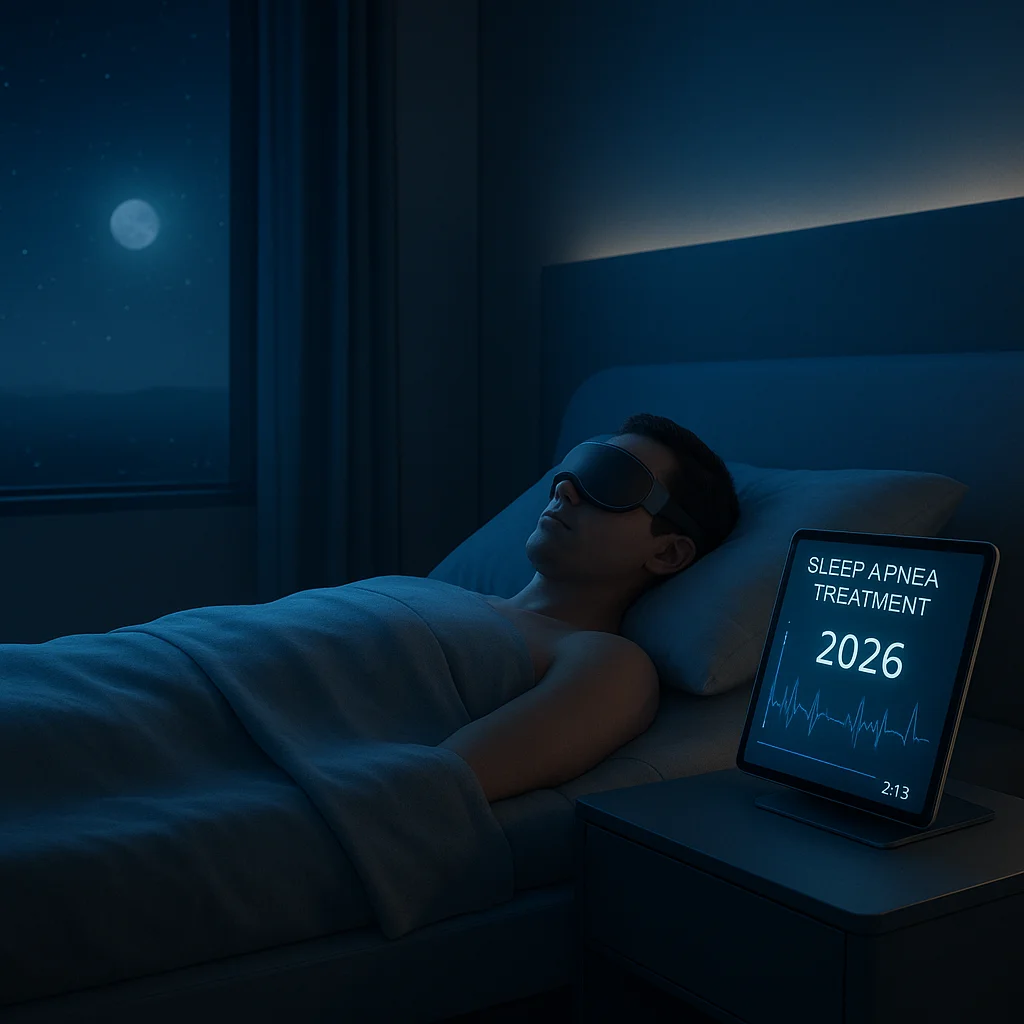
Imagine a typical night in 2026: wearable devices monitor your vitals silently, AI algorithms analyze your sleep patterns in real time, and your smartphone gently nudges you toward healthier breathing habits. For millions suffering from sleep apnea, these innovations are not just futuristic fantasies but daily realities transforming how this pervasive condition is managed. The American Sleep Apnea Association estimates that over 22 million Americans have sleep apnea, yet many remain undiagnosed or receive suboptimal treatment. The traditional reliance on cumbersome CPAP (Continuous Positive Airway Pressure) machines, often plagued by discomfort and poor adherence, has long stymied effective management.
Now, technology is stepping in to overhaul this landscape. From smart masks that adjust pressure dynamically to AI-powered diagnostics that expedite detection, the integration of health tech is rewriting the rules. This article offers a comprehensive beginner's guide to the cutting-edge technological advances redefining sleep apnea treatment in 2026, providing context, analysis, and expert perspectives on what lies ahead.
“The convergence of wearable tech, AI, and personalized medicine is finally addressing the long-standing barriers in sleep apnea care.” – Dr. Ryan Foster
Tracing the Trajectory: How Sleep Apnea Treatment Reached the Tech Inflection Point
Sleep apnea has been recognized medically since the mid-20th century, but treatment options remained limited for decades. CPAP devices, introduced in the 1980s, became the gold standard, delivering pressurized air to keep airways open during sleep. Despite their clinical efficacy, patient compliance has been a persistent challenge—studies indicate up to 50% of users discontinue CPAP within the first year due to discomfort, noise, and inconvenience.
Over the years, incremental improvements emerged: more comfortable masks, quieter motors, and data logging for compliance tracking. However, the fundamental approach remained unchanged. The real turning point arrived with the digital health revolution in the late 2010s and early 2020s. The proliferation of wearables capable of capturing sleep metrics and oxygen saturation, combined with advances in machine learning, opened new avenues for non-invasive diagnostics and personalized therapy.
Meanwhile, pharmaceutical research began to explore alternatives to mechanical devices. Efforts to develop oral medications targeting the neurological and muscular aspects of sleep apnea have yielded promising early results. According to AOL’s recent coverage, a new sleep apnea pill under clinical trial could potentially reduce the need for CPAP, marking a paradigm shift in treatment philosophies.
Dissecting the Technologies: From Smart Devices to AI-Driven Diagnostics
The core of sleep apnea’s tech transformation lies in three major domains: wearable technology, AI diagnostics, and novel therapeutic devices. Each plays a critical role in improving diagnosis accuracy, treatment personalization, and patient adherence.
Wearables and Sensors
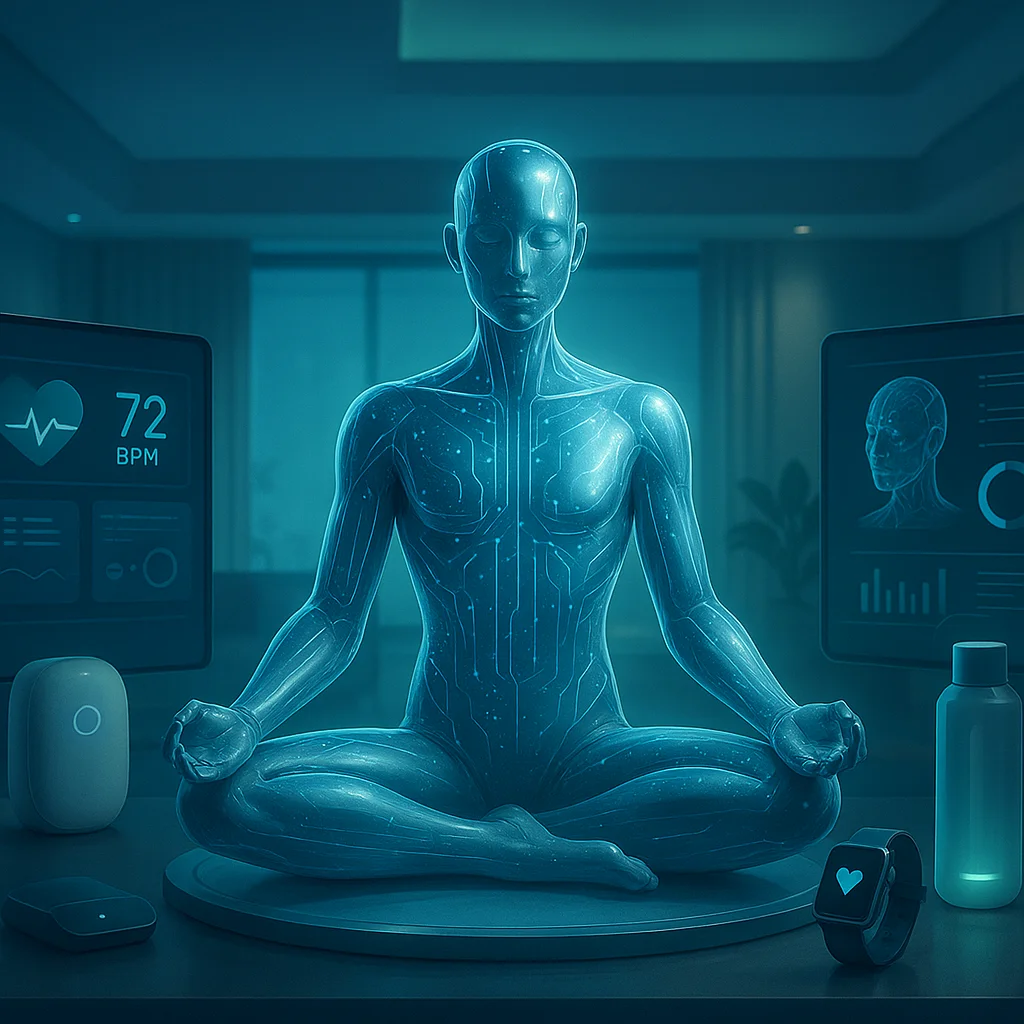
In 2026, wearables have evolved beyond step counters to sophisticated sleep monitoring platforms. Devices like the Oura Ring Gen 5 and Apple Watch Ultra now include multi-sensor arrays tracking respiratory rate, blood oxygen levels, heart rate variability, and even snoring intensity. These metrics feed into proprietary algorithms that detect apnea events with up to 90% accuracy, rivaling laboratory polysomnography.
Continuous home monitoring enables early detection and ongoing assessment without the need for disruptive overnight hospital stays. Patients can review detailed sleep reports and receive actionable insights, fostering engagement. Importantly, these devices integrate seamlessly with cloud-based platforms, allowing clinicians to remotely monitor treatment progress and adjust interventions in near real-time.
AI and Machine Learning in Diagnosis
Artificial Intelligence has revolutionized sleep apnea diagnostics by automating complex data interpretation. AI models trained on vast datasets can differentiate obstructive from central sleep apnea, classify severity, and predict treatment outcomes. For example, companies like SleepTech Innovations have deployed AI-based screening tools that analyze smartphone audio recordings of breathing patterns during sleep, offering an accessible preliminary diagnosis.
These technologies reduce barriers to care by minimizing reliance on expensive, hard-to-access sleep labs. Moreover, AI-driven platforms facilitate personalized treatment plans by identifying patient-specific phenotypes and comorbidities, enhancing therapeutic precision.
Advanced Therapeutic Devices
Besides the traditional CPAP, 2026 introduces several new devices leveraging technology to improve comfort and efficacy:
- Auto-titrating Positive Airway Pressure (APAP): These machines automatically adjust air pressure throughout the night based on detected airway resistance.
- Smart BiPAP Systems: Incorporate AI to optimize inspiration and expiration pressures dynamically, reducing patient discomfort.
- Implantable Neuromodulation Devices: Stimulate the hypoglossal nerve to maintain airway patency, offering an alternative for patients intolerant of masks.
- Oral Appliances with Embedded Sensors: Track jaw position and adjust fit remotely to enhance compliance.
“Technological innovation is not just about new gadgets; it’s about integrating patient data and preferences to tailor treatment uniquely.” – Dr. Emily Chen, Sleep Medicine Specialist
2026 Breakthroughs: What’s New and Emerging This Year?
The current year has witnessed several notable advances accelerating the shift in sleep apnea care. Among the highlights are:
- FDA Approval of AI-Based Home Sleep Testing Kits: In early 2026, the FDA authorized new at-home diagnostic kits that combine wearable sensors with AI analytics, providing comprehensive sleep assessments without in-person visits.
- Launch of Digital Therapeutics Apps: Apps incorporating cognitive behavioral therapy for insomnia (CBT-I) tailored to sleep apnea patients have gained traction, addressing comorbid sleep disorders.
- Progress in Pharmacological Treatments: Phase III clinical trials of novel oral agents, such as respiratory stimulants and muscle tone enhancers, show promising efficacy and safety profiles, potentially supplementing or replacing device-based therapies.
- Integration with Broader Health Ecosystems: Sleep apnea management platforms now link with cardiovascular and metabolic health data, reflecting the condition's systemic impact and enabling holistic care.
These developments are detailed extensively in the WriteUpCafe article Technology Is Reshaping Sleep Apnea Treatment in 2026, which provides a deep dive into the year’s innovations and their clinical implications.
Expert Perspectives and Industry Impact
Leading voices in sleep medicine emphasize that technology is not merely improving diagnostics and treatment but also transforming patient empowerment and healthcare delivery models.
Dr. Michael Torres, Chief Medical Officer at SomnoTech Solutions, notes, “We are witnessing a shift from reactive treatment to proactive management. Patients equipped with real-time data and personalized insights are more engaged and adherent, which in turn reduces complications like cardiovascular disease linked to untreated sleep apnea.”
The technology sector is responding with increased investment. According to industry reports, global sleep apnea device market revenues are projected to surpass $8 billion in 2026, growing at a CAGR of 12% driven by innovation in AI and wearable tech.
Furthermore, insurance providers are beginning to reimburse AI-facilitated home testing and digital therapeutics, recognizing their cost-effectiveness. This trend supports broader accessibility, particularly in underserved rural and low-income populations.
“The convergence of digital health and sleep medicine is creating new paradigms for chronic disease management.” – Dr. Sophia Nguyen, Digital Health Researcher
Looking Forward: What to Watch in the Next Five Years
As we look beyond 2026, several emerging trends and challenges will shape the future of sleep apnea care:
- Expanded Use of AI for Predictive Analytics: Anticipating apnea exacerbations and comorbidities to enable preventive interventions.
- Personalized Medicine Advances: Leveraging genomics and microbiome data to understand individual susceptibility and tailor therapies.
- Improved Integration with Mental Health Support: Addressing the bidirectional relationship between sleep apnea and conditions like depression and anxiety.
- Greater Focus on Patient Experience: Designing devices and platforms with user-centric approaches to boost adherence.
- Regulatory and Ethical Considerations: Ensuring data privacy and equitable access as technology becomes more embedded in care.
For those newly diagnosed or seeking to understand treatment options, resources like Ventura Sleep Apnea Treatment: Regain Restful Sleep and Health offer practical guidance and insights into contemporary therapies.
Ultimately, the fusion of technology and sleep medicine is poised to enhance quality of life for millions by making diagnosis easier, treatment more effective, and management more personalized than ever before.
Case Study: From Diagnosis to Recovery with Integrated Tech Solutions
Consider the case of Mark, a 42-year-old software engineer from San Francisco diagnosed with moderate obstructive sleep apnea in early 2026. Traditional CPAP therapy had previously failed due to mask discomfort and inconsistent use. Upon referral to a sleep specialist using advanced digital tools, Mark underwent AI-assisted home sleep testing with a wearable ring and smartphone app. The diagnosis was refined to include positional apnea components.
His treatment plan combined a smart BiPAP device with embedded sensors that adjusted pressure dynamically, coupled with a digital therapeutic app providing behavioral support and sleep hygiene coaching. Mark’s device data synced daily with his clinician’s dashboard, enabling timely adjustments.
Within three months, Mark reported significant symptom improvement, better daytime alertness, and comfort. His adherence rate improved to over 90%, a stark contrast to prior attempts. This case exemplifies how technology integration can overcome traditional barriers and enhance outcomes.
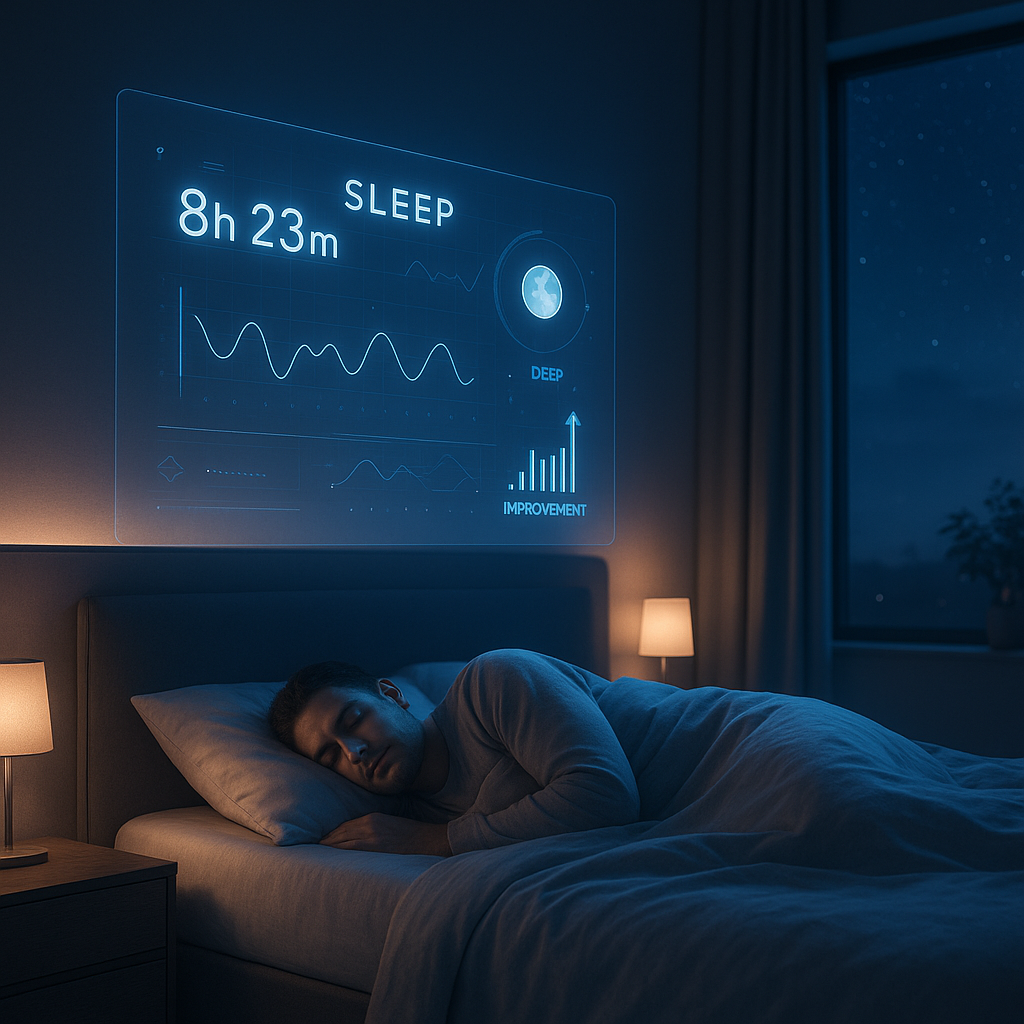
For further understanding of such patient journeys, see How Sleep Tracking Technology Shapes Better Sleep Habits in 2026, which explores behavioral impacts of sleep tech.




























Sign in to leave a comment.