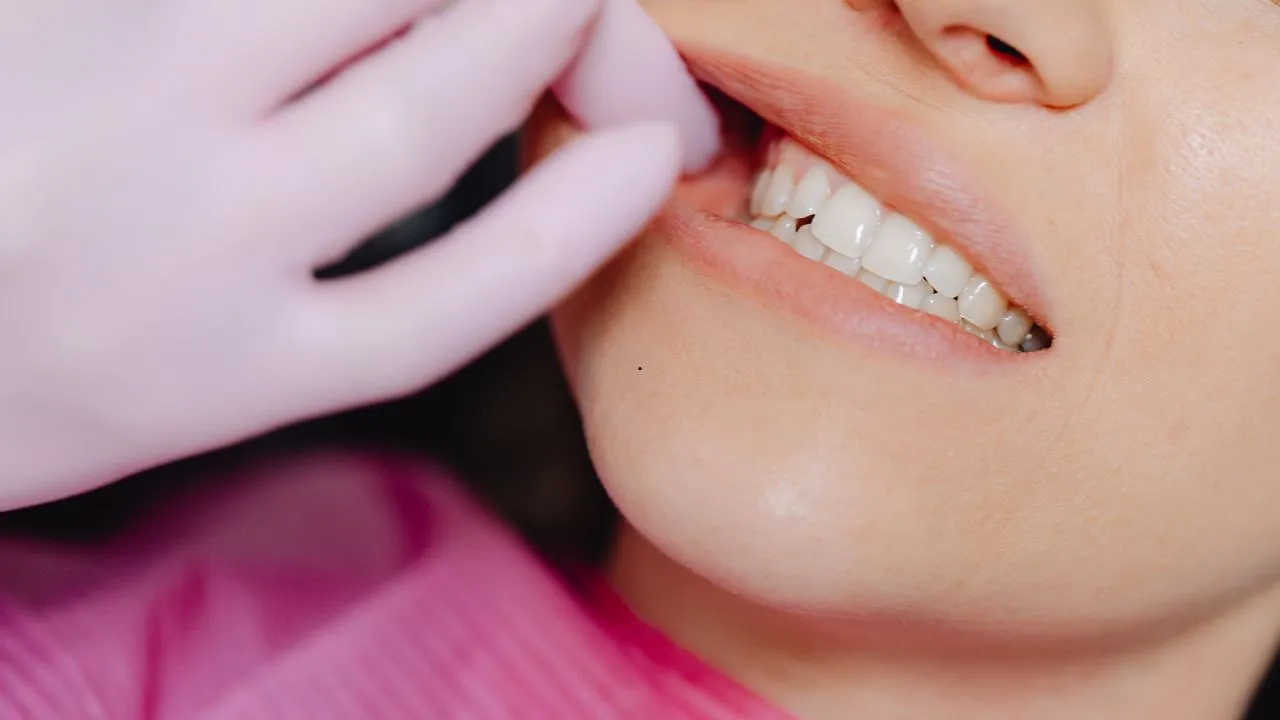

Third molars, often called wisdom teeth, usually come in during late adolescence or early adulthood. This is the last stage of dental development. For decades, it was common for dentists to remove these molars as a precautionary measure, even if the teeth weren't causing any problems at the time. Modern oral surgery and evidence-based dentistry, on the other hand, have moved toward a more personalized, nuanced approach. The clinical discourse regarding the retention of wisdom teeth extraction has become increasingly personalized. A thorough clinical and radiographic evaluation is necessary to ascertain whether these late-erupting teeth constitute a significant risk to a patient's long-term oral health or if they can be securely retained within the dental arch.
The Pathology That Leads to Surgical Extraction
Impacted wisdom teeth are those that don't fully erupt through the gingival tissue because there isn't enough space. Impaction often causes a number of localized problems that require surgery to fix. Partially erupted third molars create a soft tissue flap called an operculum that easily traps food particles and harmful bacteria. This setting is very good for treating pericoronitis, a painful and potentially serious localized infection. If not treated, this infection can spread to nearby fascial spaces.
Also, wisdom teeth that are angled mesially and tilted forward toward the front of the mouth put constant pressure on the second molars next to them. Because of this strange position, it's almost impossible to keep your mouth clean because regular brushing and flossing can't get to the tight spaces between your teeth. This greatly raises the chance that dental caries (cavities) and advanced periodontal disease will go undetected in the nearby teeth that are otherwise healthy. In more serious cases, the presence of disease in the dental follicle, like cysts or benign tumors, makes it medically necessary to surgically remove the tooth to keep the jawbone and nearby structures from getting worse.
The Clinical Case for Keeping Third Molars
On the other hand, having third molars does not always mean that oral surgery is necessary. If a person's jaw has enough arch length and width to fit the teeth that are coming in, they can come in fully and line up perfectly with the teeth on the other side, just like first and second molars. Wisdom teeth that are fully erupted, functional, and asymptomatic, and that are easy to reach for daily hygiene, do not need to be removed.
Keeping healthy third molars helps keep the bone density in the back of the maxilla and mandible. Also, avoiding unnecessary surgery gets rid of the risks that come with invasive oral surgery. These risks include bleeding after surgery, localized osteitis (also known as dry socket), and possible paresthesia (nerve damage that may be temporary or permanent) of the inferior alveolar nerve or the lingual nerve. When the risks of surgery are greater than the possible benefits, retention and active monitoring are the best ways to go.
Diagnostic Imaging and Accurate Risk Evaluation
Advanced diagnostic imaging is the most important tool for figuring out where third molars will go in the future. Standard bitewing X-rays won't cut it in this instance.
Maxillofacial surgeons use panoramic radiographs (OPGs) and Cone Beam Computed Tomography (CBCT) to accurately determine the position of tooth roots in relation to important anatomical structures. Advanced imaging techniques are crucial for measuring the distance between the roots of molars and the mandibular canal.
This information is then used to assess the potential for neurological problems during tooth extraction surgery.
Before deciding on any treatment for wisdom teeth, a thorough evaluation by a qualified dental professional is essential. This assessment should be based on the best available evidence.
Close observation during those twice-a-year dental checkups is key to keeping tabs on how these teeth are coming in and where they're sitting. Top dental schools, including Dentprime, focus on treatment plans that put the patient first and take a conservative approach.
They leverage advanced digital diagnostics to determine the safest and most effective approach for each individual case.
The main goal is always to keep the patient's teeth healthy and strong, whether the clinical recommendation is to remove them as a preventive measure to avoid future orthodontic relapse and decay or to carefully watch perfectly healthy teeth that don't hurt. Taking care of third molars ahead of time with strict professional supervision is the best way to keep your mouth healthy and greatly reduces the chances of having painful dental emergencies in the future.


























Sign in to leave a comment.