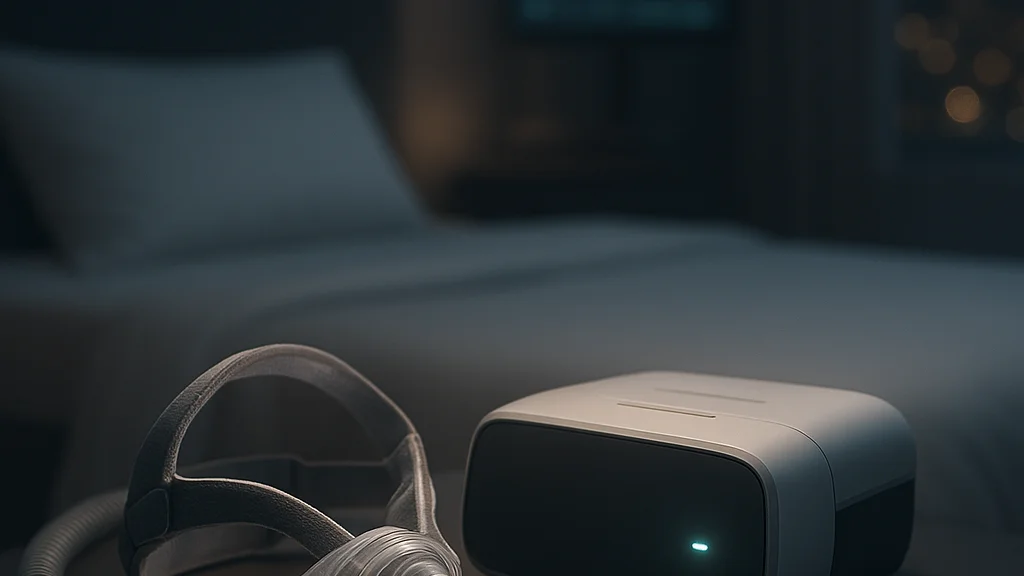

A quieter night is becoming a smarter one
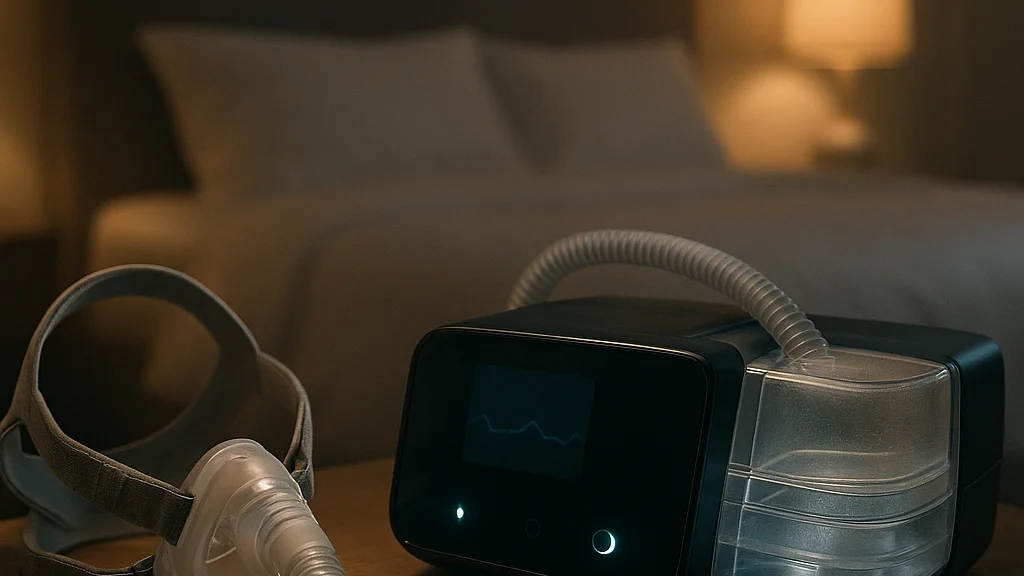
Sleep apnea used to arrive in the public imagination with a single image, a bedside machine humming in the dark, hose draped across a pillow, mask pressing lines into the face by dawn. For millions of patients, that image was not wrong, only incomplete. Obstructive sleep apnea, the most common form, remains a serious disorder tied to repeated pauses in breathing, fragmented sleep, daytime exhaustion, higher accident risk, and elevated odds of hypertension, heart disease, stroke, and metabolic trouble. Yet the treatment story is changing, and changing quickly. The old center of gravity, continuous positive airway pressure, or CPAP, is still important, still often the clinical first choice, but it no longer stands alone like a solitary streetlamp in fog.
That shift has become visible in mainstream reporting. Wired’s reporting on how technology is reshaping sleep apnea treatment described a market moving beyond one-size-fits-all equipment toward wearables, connected diagnostics, implantable devices, and software-driven personalization. MSN also highlighted the same turn, noting that newer options are widening the field for patients who struggle with traditional therapy. If you have followed the category only from a distance, the speed of change can feel surprising. If you live with sleep apnea, or love someone who does, it can feel overdue.
The deeper story is not simply that gadgets are getting sleeker. It is that sleep medicine is inching toward something more precise. Sensors are smaller. Home testing has become more common. Algorithms can flag patterns that once disappeared into the static of a single overnight lab visit. Surgeons have better tools for selecting candidates for implantable therapies. Dentists are using digital workflows to refine oral appliances. Clinicians can now see adherence data remotely rather than waiting for a patient to return weeks later, tired and discouraged. The result is not a miracle cure, and it is not a clean replacement of old methods with new ones. It is a more layered ecosystem, one that asks a better question: which treatment fits this patient, this anatomy, this tolerance, this life?
Sleep apnea treatment is no longer just about forcing air through a mask. It is increasingly about matching the right technology to the right airway, behavior pattern, and risk profile.
That is the frame worth keeping in mind. Technology is not erasing the complexity of sleep apnea. It is making that complexity more visible, and, in the best cases, more treatable.
How we got here: from sleep labs and CPAP dominance to a broader toolkit
CPAP earned its place for a reason. For many patients with moderate to severe obstructive sleep apnea, it remains highly effective when used consistently. By delivering pressurized air that keeps the upper airway from collapsing during sleep, it can dramatically reduce apnea-hypopnea events and improve oxygenation. Decades of clinical use built a large evidence base, and insurers, clinicians, and manufacturers organized around that reality. Sleep medicine, for a long stretch, looked like a narrow hallway leading toward diagnosis in a lab and treatment with a machine.
But the hallway always had cracks in the paint. Adherence has long been the field’s most stubborn problem. Some patients adapt well to CPAP and never look back. Others do not. Masks can leak. Pressure can feel claustrophobic. Dryness, skin irritation, noise, bed-partner disruption, and the simple burden of sleeping tethered to hardware can turn a clinically sound therapy into a practical failure. A treatment does not help much if it spends more time on the nightstand than on the face.
That reality pushed the market and the clinic in several directions at once. Home sleep apnea testing became more accepted for appropriate patients, reducing cost and friction compared with in-lab polysomnography. Connected CPAP devices added wireless monitoring, allowing providers and durable medical equipment companies to track nightly use, mask leak, and residual events. At the same time, alternative treatments matured. Mandibular advancement devices, often fitted by dentists trained in dental sleep medicine, gained traction for selected patients, especially those with mild to moderate disease or CPAP intolerance. Positional therapy, once low-tech and inconsistent, became more sophisticated through wearable prompts and vibration-based trainers. Weight management, upper-airway surgery, and myofunctional approaches all remained part of the conversation, though evidence and patient selection varied.
Then came a more consequential turn: the rise of neurostimulation and digital triage. Implantable therapies for carefully chosen patients, especially hypoglossal nerve stimulation, moved from niche awareness toward broader recognition. Instead of blowing air through the airway, these systems stimulate nerves that help keep the tongue and airway structures from collapsing during sleep. The image is almost cinematic, less wind tunnel, more electrical choreography. It is not for everyone, and it requires surgery, but it changed the psychology of the field by proving that sleep apnea therapy could be designed around anatomy and physiology rather than around a single external machine.
WriteUpCafe has tracked that widening toolkit in pieces such as Technology Is Reshaping Sleep Apnea Treatment with Innovation and Precision and Beginners Guide to How Technology Is Reshaping Sleep Apnea Treatment in 2026. The through line is clear: the field is moving from a dominant-device model to a portfolio model, where diagnosis, anatomy, tolerance, and long-term behavior matter as much as raw efficacy on paper.
Where the technology is moving now: diagnostics, wearables, and connected care
The first major change is happening before treatment even begins. Diagnosis is becoming less centralized, less dependent on a single overnight lab study, and more informed by streams of data collected at home. Home sleep apnea tests have been around for years, but the surrounding ecosystem is improving. Devices are easier to use, software is better at signal interpretation, and telemedicine has made it more realistic for a patient to move from suspicion to testing to treatment without the old sequence of delays. That matters because untreated sleep apnea often hides in plain sight, under labels like snoring, burnout, poor concentration, resistant blood pressure, or simple aging.
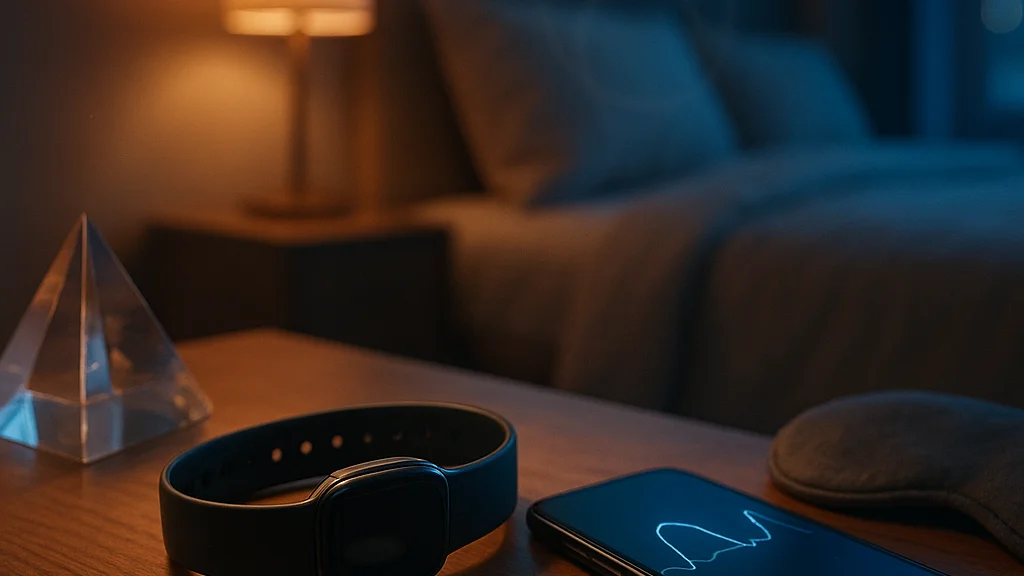
Consumer wearables have also changed patient behavior, even when they are not diagnostic on their own. Smartwatches, rings, and bedside trackers can detect trends in oxygen saturation, heart rate variability, movement, and sleep fragmentation. Clinicians are right to be cautious, because consumer devices are not substitutes for formal diagnosis, but they have become useful prompts. A patient who notices repeated overnight oxygen dips or persistent poor sleep scores may finally bring the issue to a physician. In medicine, attention is often the first intervention.
Connected care is the second major shift. Modern PAP devices can transmit data on usage hours, mask leak, pressure responses, and residual apnea indices. That creates a feedback loop that did not exist in the old model. Instead of waiting a month to discover that a patient abandoned therapy after three nights, clinicians can intervene early, adjusting mask fit, humidity, pressure settings, or coaching. For sleep centers under strain, remote monitoring can help triage who needs urgent follow-up and who is doing well.
- Home testing lowers barriers for many patients and can accelerate time to treatment.
- Wireless monitoring allows providers to spot adherence problems before they harden into treatment failure.
- Consumer sleep tracking increases awareness, though it should not be treated as a stand-alone diagnosis.
- Telehealth workflows reduce the number of in-person visits required for many routine steps.
There is a business dimension here too. Manufacturers are no longer selling only hardware. They are building platforms, data services, patient apps, and clinician dashboards. That changes incentives. A company that can improve adherence through software may gain as much value as one that improves airflow mechanics. It also raises questions about privacy, interoperability, and whether patients truly understand how their nightly data moves through the system.
The future of sleep apnea care may be less about a single breakthrough device and more about a chain of small, smart interventions, each one reducing friction between diagnosis, treatment, and long-term use.
For patients, that may be the most meaningful innovation of all. A therapy can only work if it becomes livable. Technology is finally paying attention to that plain, stubborn fact.
Beyond CPAP: implants, oral devices, and precision treatment matching
The biggest misconception in public discussion is that “new sleep apnea tech” means one new machine. In reality, the field is fragmenting in a useful way. It is beginning to recognize that sleep apnea is not one mechanical problem repeated millions of times. Airway anatomy differs. Body position matters. Weight matters. Nasal resistance matters. Neuromuscular tone matters. A patient with severe obesity and multilevel airway collapse is not the same case as a leaner patient whose apnea worsens mainly when sleeping on the back. Better treatment means better sorting.
Hypoglossal nerve stimulation has become the emblem of that precision turn. The best-known commercial example in the United States has been Inspire, though candidacy is selective and typically involves specific clinical criteria, sleep-study findings, and airway evaluation. The device is implanted and works by stimulating the nerve that controls tongue movement, helping maintain airway patency during sleep. For the right patient, particularly one who cannot tolerate CPAP, this can be transformative. Yet it is not a universal answer. Surgery brings cost, recovery, and screening complexity. Insurance coverage can also shape access as much as clinical suitability.
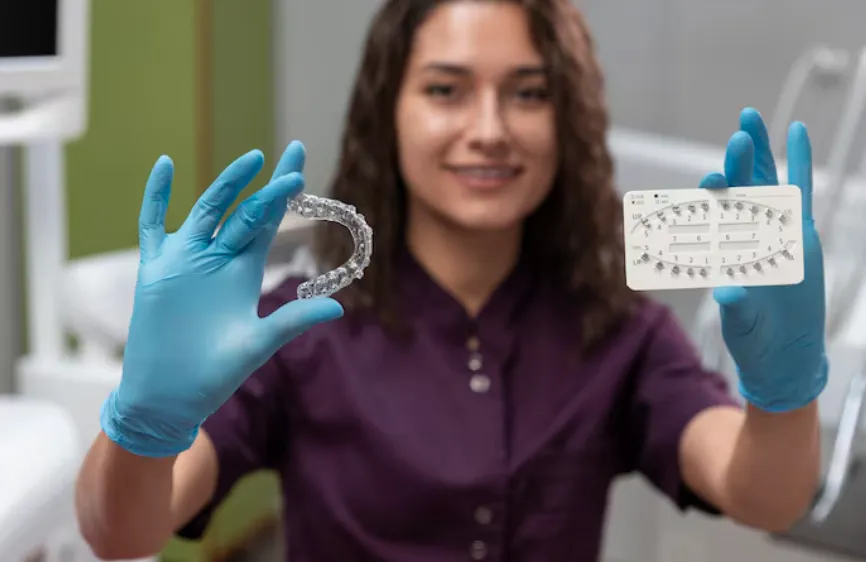
Oral appliance therapy is evolving too, helped by digital dentistry. Instead of relying only on traditional impressions and incremental adjustment, some practices now use digital scans and more refined fabrication workflows. Mandibular advancement devices pull the lower jaw forward to reduce airway obstruction. They tend to be smaller, quieter, and easier to travel with than CPAP, though efficacy can be lower for some patients with more severe disease. The key point is not whether oral appliances beat CPAP in a head-to-head contest. It is whether they outperform no treatment at all for a patient who will not use CPAP.
Positional therapy has also matured from tennis-ball folklore into wearable systems that vibrate when the sleeper rolls onto the back, encouraging position change without fully waking the person. This can be useful in positional obstructive sleep apnea, where events cluster in certain sleep postures. Meanwhile, surgical planning has grown more targeted. Drug-induced sleep endoscopy, for example, can help clinicians observe airway collapse patterns and make more informed decisions about whether a patient may benefit from a specific intervention.
- CPAP and APAP remain central, especially for moderate to severe cases, because efficacy is strong when adherence is strong.
- Hypoglossal nerve stimulation offers an alternative for selected CPAP-intolerant patients after careful evaluation.
- Oral appliances can be practical and effective for many mild to moderate cases or for patients who reject PAP therapy.
- Positional therapy works best when sleep-study data show position-dependent obstruction.
- Surgical options are becoming more individualized rather than broadly applied.
If there is one lesson in this spread of options, it is that treatment success increasingly depends on matching rather than insisting. The era of telling every patient to simply “get used to CPAP” is fading, not because CPAP failed, but because medicine is finally admitting that people are not interchangeable.
What changed recently, and why 2026 feels different
By 2026, the conversation has shifted from novelty to integration. A few years ago, many of these technologies were discussed as alternatives on the margin. Now they are being folded into standard care pathways, reimbursement debates, and consumer awareness. Reporting by Wired and MSN captured that broader momentum, but the underlying reasons are structural. Sleep apnea remains underdiagnosed. Cardiometabolic disease is still common. Employers and insurers continue to absorb the downstream costs of fatigue, hypertension, and untreated chronic illness. A therapy market that once looked mature has turned out to be unfinished.
One recent development is the stronger overlap between sleep medicine and metabolic health. The explosion of interest in anti-obesity medications has changed how clinicians think about obstructive sleep apnea, especially in patients whose excess weight is a major driver of airway collapse. Weight loss has long been recommended, but newer pharmacologic options have made the discussion more concrete for some patients. These drugs are not sleep apnea devices, and they do not replace direct airway treatment when breathing remains compromised, but they are reshaping the treatment context. A patient who loses substantial weight may see apnea severity improve, pressure needs change, or candidacy for certain interventions shift. That means sleep medicine is becoming more interdisciplinary, with endocrinology, primary care, cardiology, and obesity medicine more tightly connected.
Another visible change is the consumerization of sleep health. Patients increasingly arrive at appointments with months of wearable data, app screenshots, and online research. Some of that information is noisy. Some of it is genuinely useful. Either way, it changes the clinical encounter. The patient is no longer a passive recipient of a diagnosis delivered after an opaque lab process. They are often an informed participant, sometimes anxious, sometimes misled, but more engaged than before. That engagement can improve adherence if clinicians meet it with clarity rather than dismissal.
There is also more public discussion of comfort engineering. Manufacturers have spent years refining masks, humidification, pressure algorithms, and noise control. Those improvements are easy to underestimate because they sound incremental. Yet in a therapy where abandonment often happens over irritation, dryness, embarrassment, or disrupted intimacy, incremental comfort can have outsized consequences. A softer mask seal or smarter auto-adjusting pressure curve may not make headlines, but it may keep a patient on therapy long enough to feel the difference.
For readers who want a broader snapshot of this acceleration, Technology Is Reshaping Sleep Apnea Treatment in 2026 offers a useful companion view. The important point is not that every innovation is mature. It is that the field now has momentum in multiple lanes at once, diagnostics, devices, software, remote care, and patient-centered design.
The hard part technology cannot solve on its own
For all the gleam around new devices, sleep apnea treatment still fails in ordinary, human ways. A patient may fear surgery. Another may not have insurance coverage for an implant. Someone working night shifts may struggle to follow up with specialists. Rural patients may still face limited access to accredited sleep centers. A person with nasal obstruction or chronic insomnia may be given PAP therapy without enough support to address the reasons it becomes intolerable. Technology can widen options, but it does not automatically widen access.
Cost remains one of the field’s sharpest dividing lines. CPAP equipment, replacement supplies, oral appliances, home testing, specialist visits, and implantable therapies each sit in different reimbursement buckets, often with different prior authorization hurdles. The most elegant treatment pathway on paper can collapse under paperwork, network restrictions, or out-of-pocket costs. This matters because untreated sleep apnea tends to cluster with other burdens, obesity, cardiovascular disease, diabetes, lower income, shift work, all the conditions and circumstances that already make healthcare harder to use.
There is also a data literacy problem. Remote monitoring can improve care, but it can also create a false sense of precision. A dashboard full of nightly metrics is only as useful as the interpretation behind it. Patients may fixate on a single oxygen dip or machine score without understanding clinical context. Clinicians, meanwhile, can drown in data if systems are poorly designed. More information does not always produce better care. Sometimes it produces more noise, more alerts, more administrative drag.
Privacy deserves more attention than it usually gets. Connected devices gather intimate data from the most vulnerable hours of life, breathing patterns, sleep schedules, sometimes location-linked app activity. Patients should ask who sees that information, how long it is stored, and whether it is shared across vendors, insurers, or third-party service providers. The sleep-tech market is becoming more software-centric, and software markets have a habit of treating data as a secondary product.
- Ask whether your diagnosis came from a full sleep study, a home test, or consumer wearable signals, and what the limitations are.
- If CPAP is prescribed, ask about mask options, humidity settings, pressure ramp features, and remote follow-up support.
- If CPAP fails, ask specifically about oral appliances, positional therapy, surgical evaluation, or hypoglossal nerve stimulation candidacy.
- Review insurance coverage before committing to a device or procedure, especially for nontraditional therapies.
- Request a clear explanation of what data your device collects and who can access it.
That list may sound basic, but the future of treatment will belong not only to the smartest devices, it will belong to the systems that make those devices understandable, affordable, and realistically usable.
What patients, clinicians, and investors should watch next
The next phase of sleep apnea technology will likely be less dramatic in appearance and more consequential in coordination. Expect more blending of categories. Diagnostic tools will increasingly talk to treatment devices. Consumer wearables will continue to influence referral patterns, even if they remain adjunctive rather than definitive. Artificial intelligence will likely be used more aggressively for signal analysis, risk stratification, and workflow triage, though any serious deployment will need validation and guardrails. The likely winners will not be companies with the flashiest hardware alone, but those that reduce friction across the whole patient journey.
For clinicians, the challenge is to resist both nostalgia and hype. Old tools still work. CPAP is not obsolete. Nor is every new intervention inherently superior because it feels modern. The practical question is whether a technology improves diagnosis accuracy, adherence, quality of life, or long-term outcomes for a clearly defined patient group. Sleep medicine has seen enough overpromising to know better than to confuse novelty with evidence.
For patients, the hopeful news is simple. If you could not tolerate the standard therapy ten years ago, the menu today is broader, and the support around it is often better. If you have symptoms but have delayed testing because a lab study felt intimidating or expensive, the path to evaluation may now be easier. If you already use CPAP successfully, the story is not that you need something newer. It is that the field is finally expanding for everyone else too.
Investors and health systems should watch three pressure points. First, underdiagnosis remains enormous, which means the addressable market is still growing. Second, adherence is still the economic hinge, because any business model built on prescribed therapy fails if patients stop using it. Third, reimbursement will shape the pace of adoption more than engineering alone. A beautiful device that insurers resist can remain a boutique product. A merely good device integrated into care pathways can change a market.
The best metaphor is probably not a revolution but a station at dusk, trains arriving from different directions, each carrying part of the future. CPAP is still there, steady as steel. Implants, oral appliances, wearables, telehealth, and software are pulling in beside it. The platform is busier now, noisier too, but more alive. For a disorder that steals rest one breath at a time, that kind of movement matters.
























Sign in to leave a comment.