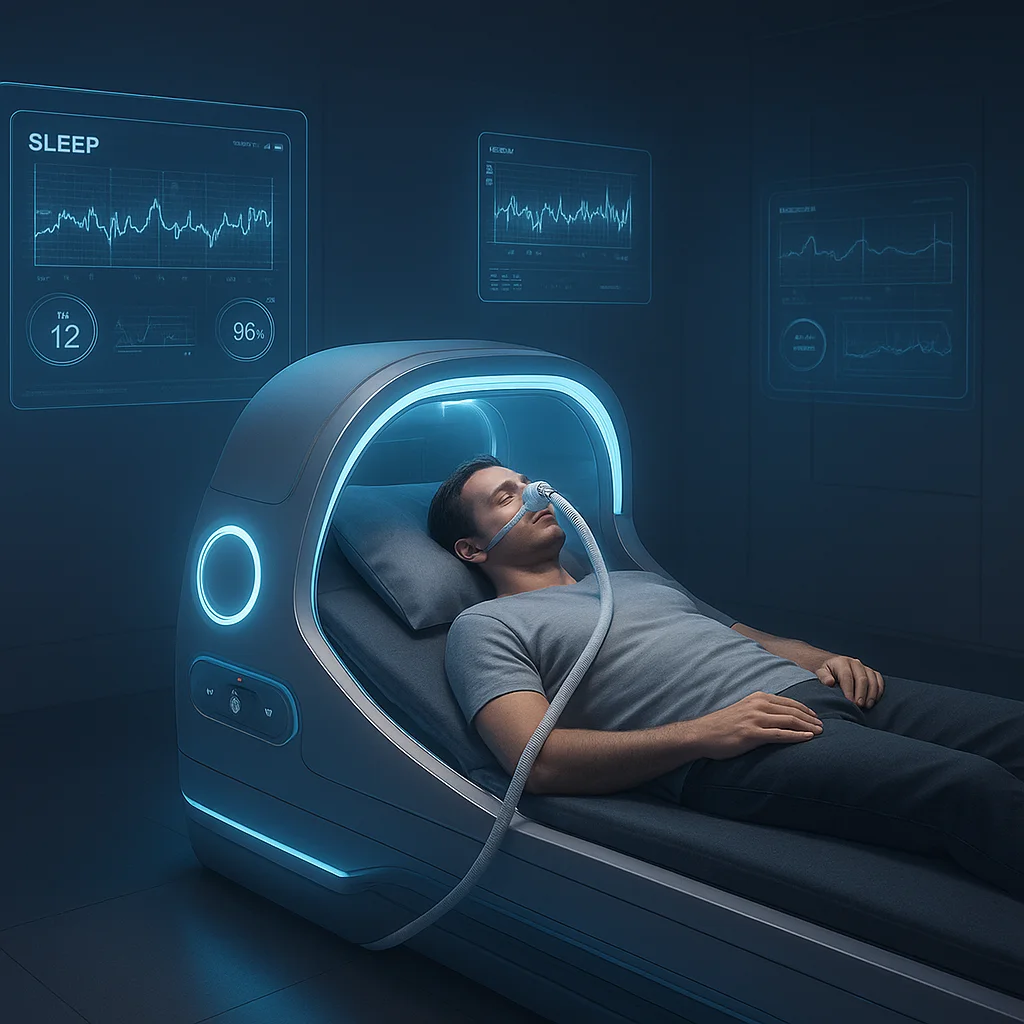

The Nighttime Struggle: Sleep Apnea’s Hidden Toll and the Promise of Technology
Imagine a bustling Catalan festival — vibrant, alive, full of energy — yet one of its participants struggles silently in the night, waking repeatedly gasping for air. Sleep apnea, a condition marked by interrupted breathing during sleep, affects an estimated 936 million adults worldwide according to recent estimates by the American Academy of Sleep Medicine. It steals rest quietly but profoundly, impairing cognitive function, increasing cardiovascular risk, and eroding quality of life. Yet, like Gaudí’s mosaics that combine intricate pieces into a masterpiece, modern technology is piecing together new solutions for this pervasive disorder.
Historically, treating sleep apnea has been cumbersome, often involving bulky Continuous Positive Airway Pressure (CPAP) machines or invasive surgeries. But 2026 marks a turning point — innovative devices, digital health ecosystems, and novel pharmacological approaches are reshaping this landscape with unprecedented precision and patient-centricity. This article explores the technological renaissance in sleep apnea treatment, revealing how emerging tools are transforming patient outcomes and everyday experiences.
“Sleep apnea is no longer a condition managed by one-size-fits-all solutions. Today, technology empowers personalized care that adapts to each patient’s unique needs,” explains Dr. Sofia Martínez, a sleep medicine specialist in Barcelona.
Tracing the Path: From CPAP to Digital Diagnostics
Understanding how we arrived at this inflection point requires a glance back. For decades, CPAP machines have been the cornerstone of obstructive sleep apnea (OSA) treatment, delivering pressurized air to keep airways open. While effective, adherence rates historically hover around 50% due to discomfort and inconvenience, according to USA Today. This gap fueled the search for alternatives.
Parallel to device evolution, technology's role in diagnosing sleep apnea advanced dramatically. Traditional polysomnography required overnight stays in clinics—costly and disruptive. The past decade saw the rise of home sleep apnea tests (HSAT), wearable sensors, and smartphone-based monitoring, enabling data collection in natural sleep environments. These tools have democratized access to diagnosis, making early detection more feasible globally.
Furthermore, the integration of artificial intelligence (AI) in interpreting sleep data has revolutionized diagnostic accuracy. Machine learning models can now analyze vast datasets from wearables, discerning subtle patterns indicative of apnea events. This synergy of data and technology mirrors the intricate patterns of Gaudí’s Sagrada Família — complex yet coherent.
“AI-powered diagnostics are the new frontier, shifting sleep apnea care from reactive to proactive,” notes Dr. Elena Rovira, a digital health researcher.
Innovations in Treatment: Beyond the CPAP Paradigm
While CPAP remains a mainstay, 2026 has witnessed a blossoming of diverse treatment modalities powered by technology. Here are some groundbreaking developments:
- Smart CPAP Devices: Modern CPAP machines incorporate adaptive algorithms that adjust pressure in real time, enhancing comfort and compliance. These devices connect to cloud platforms, allowing clinicians to monitor usage and efficacy remotely.
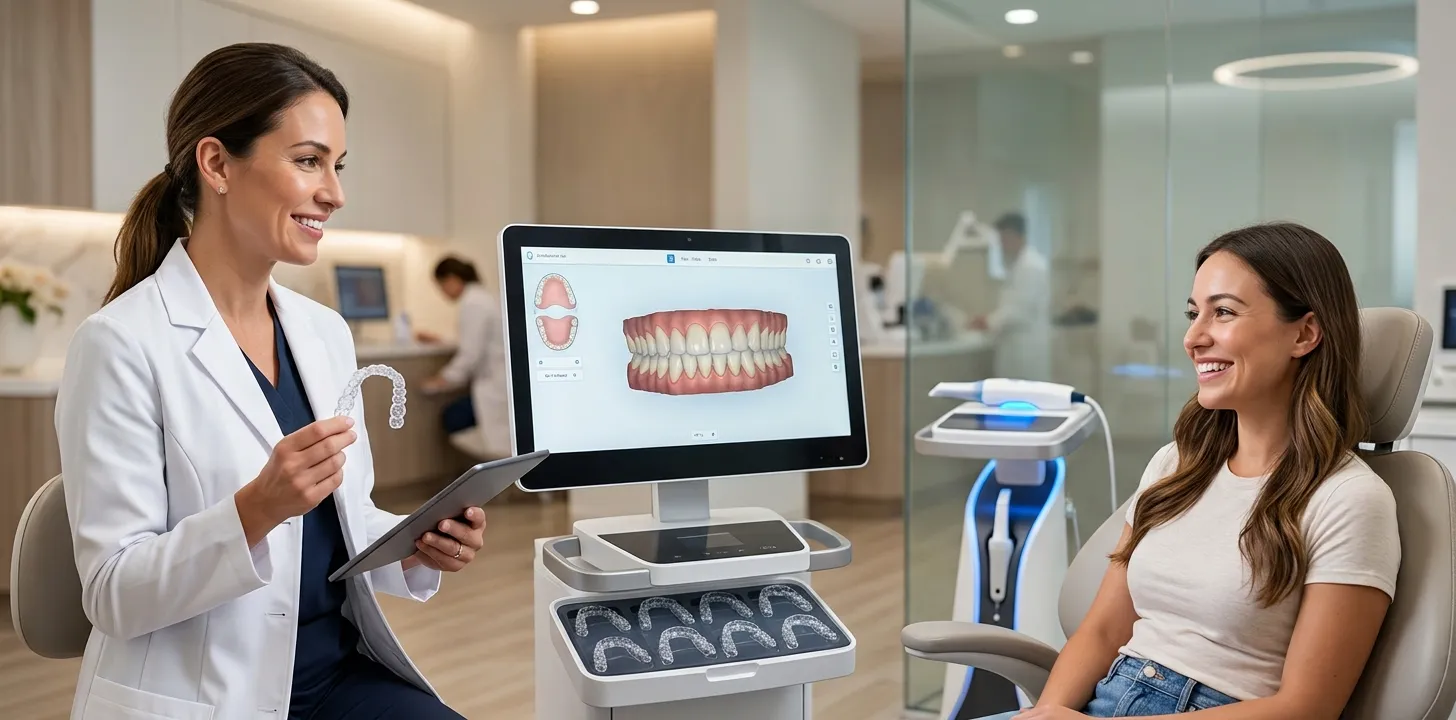
- Oral Appliance Technologies: Companies like Zyppah, recently acquired by Kronos Advanced Technologies Inc. (Seeking Alpha), are pioneering digitally designed mandibular advancement devices that use 3D scanning and printing for a precise fit, improving effectiveness and patient satisfaction.
- Implantable Neurostimulation: Devices that stimulate the hypoglossal nerve to maintain airway patency during sleep have gained traction. These minimally invasive implants are programmable and track patient response through integrated sensors.
- Pharmacological Advances: Encouraging results from clinical trials on drugs targeting upper airway muscle tone and respiratory drive hint at medications complementing device therapies. As reported by Gizmodo, a new pill showed significant apnea reduction in early trials, opening doors for non-device treatments.
These innovations form a multi-faceted arsenal that can be tailored per patient, improving adherence and outcomes.
2026: A Year of Digital Health Integration and Personalized Care
The current year has seen an acceleration of digital health integration in sleep apnea treatment. The rapid expansion of telemedicine platforms allows for virtual consultations, remote device setup, and continuous monitoring, reducing barriers traditionally associated with sleep clinics.
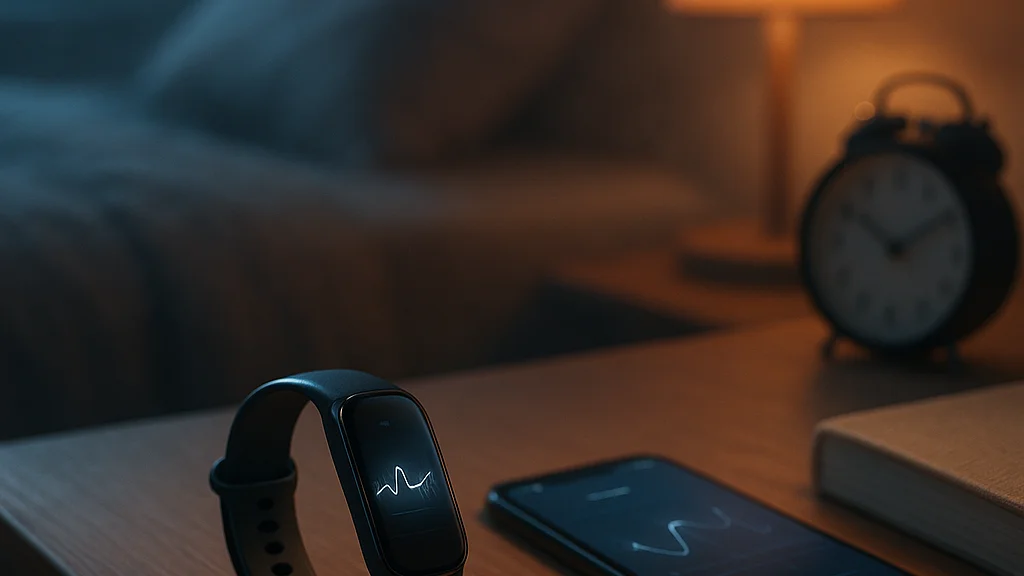
Wearable technology has also matured. Devices now track respiratory patterns, oxygen saturation, and sleep architecture with clinical-grade accuracy. For example, new wristbands and smart rings can detect apnea events and alert users and healthcare providers in real time, enabling timely interventions.
Moreover, patient data ecosystems are becoming more sophisticated. Cloud-based platforms aggregate sleep data, device usage, and patient-reported outcomes, enabling clinicians to customize treatment plans dynamically. This data-driven approach is revolutionizing how sleep apnea is managed, shifting from episodic care to continuous, personalized management.
Companies like ResMed and Philips have launched integrated suites combining devices, apps, and cloud analytics, reflecting a trend towards holistic, tech-enabled care. This evolution aligns with the Mediterranean ethos of harmony—melding technology, lifestyle, and health into a cohesive experience.
Transforming Lives: Case Studies Highlighting Tech-Driven Success
Consider the case of Javier, a 48-year-old software developer from Valencia. Diagnosed with moderate obstructive sleep apnea, he struggled with traditional CPAP machines, citing discomfort and claustrophobia. Upon switching to a digitally customized mandibular advancement device from Zyppah’s new line, designed with 3D facial scans, his adherence soared. Remote monitoring allowed his sleep specialist to fine-tune device settings weekly without in-person visits, leading to a substantial drop in apnea-hypopnea index (AHI) from 28 to 6 events per hour.
Another inspiring story is Lucia, a 62-year-old retired teacher from Barcelona, who opted for hypoglossal nerve stimulation implant after unsuccessful CPAP use. The device’s smart sensors adapted stimulation intensity nightly, improving her oxygen saturation and daytime alertness. Her care team accessed data remotely, making adjustments that enhanced comfort and efficacy.
Such real-world examples demonstrate the immense potential of technology to personalize and improve treatment journeys, echoing the patient-centric philosophy seen in successful health tech innovations worldwide.
Expert Insights: The Intersection of Technology, Sleep Medicine, and Patient Empowerment
Leading sleep specialists emphasize that technology is not merely about devices, but about empowering patients to take ownership of their health. Dr. Marta Soler, a sleep researcher, highlights, “The future lies in integrating behavioral health, digital tools, and clinical care into seamless patient experiences.”
She points to emerging apps that guide users through lifestyle modifications—weight management, positional therapy, and sleep hygiene—complementing device use. These digital coaches leverage AI to provide personalized feedback, nudging patients toward better habits.
Industry analysts also note how the convergence of big data, AI, and telehealth is creating new business opportunities and improving healthcare equity by reaching underserved populations.
“Technology is a catalyst for change, democratizing access and tailoring treatment for those who once faced barriers,” says Carlos Jiménez, a health tech entrepreneur.
Looking Ahead: What to Watch in the Future of Sleep Apnea Treatment
Looking forward, several trends promise to further revolutionize sleep apnea care:
- Artificial Intelligence-Powered Predictive Models: Predicting apnea severity and treatment response before intervention could refine patient selection and reduce trial-and-error.
- Closed-Loop Therapies: Devices that autonomously adjust therapy in response to real-time physiological signals, akin to a self-regulating Mediterranean irrigation system, will enhance comfort and efficacy.
- Combination Therapies: Integrating pharmacological agents with devices for synergistic effects is an exciting frontier.
- Expanded Use of Wearables and Telemonitoring: Increasingly affordable and accurate consumer devices will empower patients and clinicians alike.
- Regenerative Medicine Approaches: Research into tissue engineering to repair airway structures could offer curative options.
These developments underscore the need for continuous innovation and cross-disciplinary collaboration to address a condition affecting millions globally.
For those eager to understand the broader technological advances shaping sleep apnea care, our Beginners Guide to How Technology Is Reshaping Sleep Apnea Treatment in 2026 offers a detailed entry point. Additionally, exploring How Sleep Tracking Technology Shapes Better Sleep Habits in 2026 contextualizes the role of monitoring in enhancing therapy adherence and outcomes.































Sign in to leave a comment.