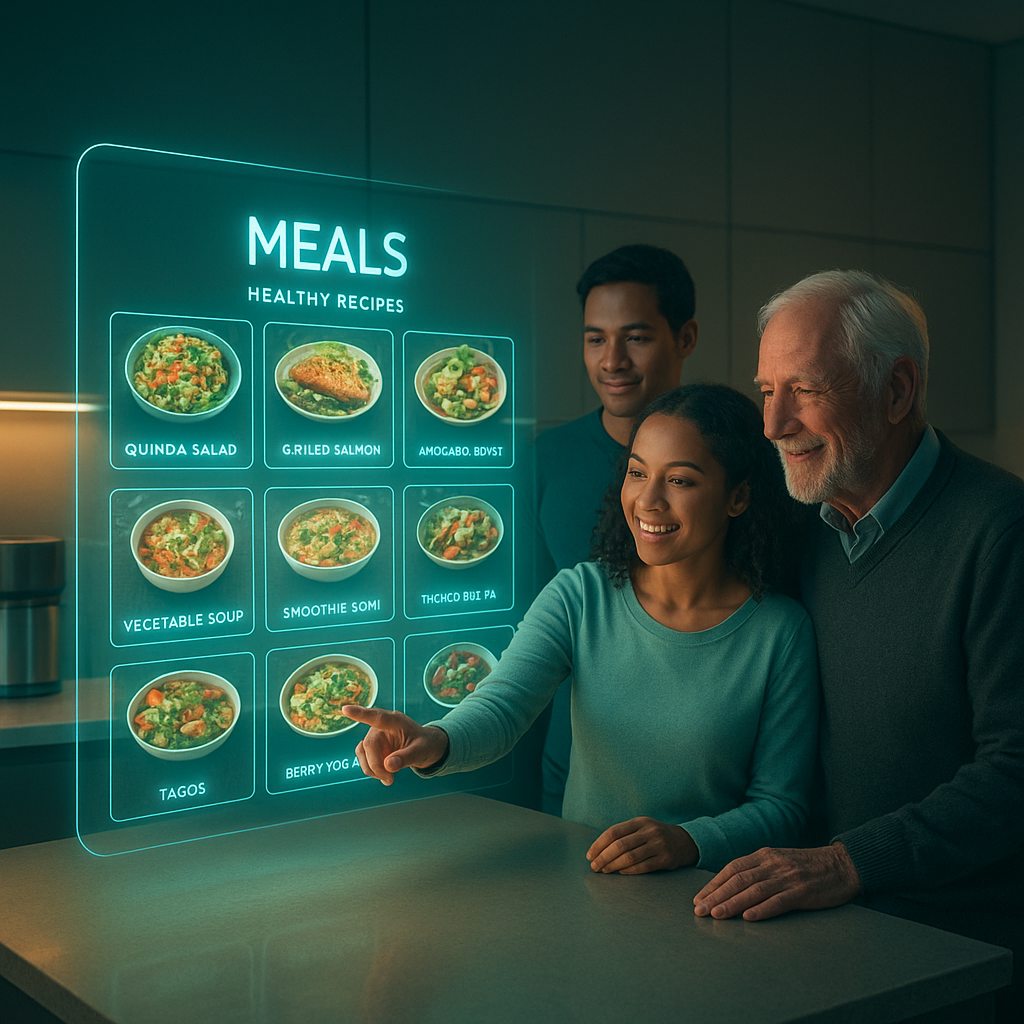

A Mediterranean Table Meets AI: The New Era of Nutrition Planning
Imagine sitting at a sun-drenched terrace in Barcelona, surrounded by the vibrant colors of fresh vegetables, the fragrant aroma of herbs, and the warm embrace of olive oil—this is the essence of Mediterranean nutrition. Now, picture that same sensory richness, but curated precisely for your unique health needs with the help of artificial intelligence. By 2026, nutrition apps leveraging AI have transformed meal planning from a tedious chore into an inspired, personalized experience that feels as natural as a stroll through Park Güell.
Recent studies indicate that nearly 40% of health-conscious adults worldwide use digital tools to guide their eating habits, and the rise of AI-driven meal planning apps is a significant contributor to this trend. These platforms do more than track calories; they analyze individual biometrics, dietary preferences, allergies, and even cultural food customs to craft meals that optimize health and delight the palate.
As someone who appreciates the dynamic interplay of tradition and innovation—much like Gaudí’s architectural masterpieces—I'm fascinated by how AI integrates data science with culinary art. The result? Highly adaptive meal suggestions that evolve with users’ changing lifestyles, making healthy eating accessible and enjoyable.
Tracing the Roots: From Food Diaries to Intelligent Nutrition Assistants
The journey to AI-powered nutrition apps is a fascinating one, marked by leaps in technology and shifting consumer demands. Initially, diet apps were simple digital food diaries—users logged meals manually, hoping to track calories and macros. By the late 2010s, apps like MyFitnessPal had popularized nutrition tracking, yet their utility was limited by user input accuracy and lack of personalized guidance.
The integration of machine learning algorithms in the early 2020s marked a turning point. These algorithms began to interpret patterns in individual eating habits, suggesting adjustments to improve outcomes. However, it was the incorporation of natural language processing and advanced AI models around 2023-2024 that truly revolutionized the space.
Now, apps can understand not just what you eat but why and how. They factor in your biological data, lifestyle changes, and even local food availability. This evolution echoes the shift from one-size-fits-all diets to customized nutrition, aligning with emerging scientific consensus on the importance of personalized medicine and nutrition.
Interestingly, the growing interest in plant-based diets and sustainable eating has also propelled AI meal planners to incorporate environmental impact metrics, allowing users to align health goals with ecological values. This trend resonates deeply with the Mediterranean ethos of balance and respect for nature.
Unpacking the Tech: How AI Crafts Your Personalized Meal Plan
At the heart of these cutting-edge nutrition apps lies a complex interplay of AI technologies working in concert. To understand their sophistication, let’s explore the core components driving AI meal planning.
- Data Collection: Users provide initial input—age, weight, health conditions, dietary restrictions, food preferences, and fitness goals. Some apps integrate biometric data via wearables or health records for real-time insights.
- Machine Learning Models: These models analyze historical eating patterns, metabolic responses, and nutritional needs, learning to predict optimal meal compositions.
- Natural Language Processing (NLP): NLP enables the app to interpret user queries, suggest recipes conversationally, and adapt plans based on feedback.
- Ingredient Availability & Preferences: AI considers local grocery inventories, seasonal produce, and cultural culinary practices, ensuring meals are feasible and culturally relevant.
- Dynamic Adaptation: Plans evolve based on user adherence, feedback, and changing health markers, creating a truly personalized nutrition journey.
For example, Munchvana, an AI-powered meal planning app that gained attention in 2025, uses deep learning algorithms to generate weekly menus that balance macro- and micronutrients while considering user taste profiles and cooking skill levels. According to The National Law Review, this level of customization has helped users reduce food waste and improve diet quality simultaneously.
“AI meal planners are not just about calorie counting anymore—they’re about creating a holistic, enjoyable food experience tailored to the individual’s biology and lifestyle,” says Dr. Clara Gómez, a nutrition technology researcher based in Barcelona.
2026 Landscape: Innovations and Industry Shifts in AI Nutrition Apps
This year, the AI nutrition app market is more vibrant and competitive than ever. Major players like MyFitnessPal have expanded capabilities through acquisitions, notably acquiring Cal AI in late 2025, which has dramatically enhanced their predictive nutrition features and user engagement, as reported by Yahoo Finance.
Meanwhile, startups are pushing boundaries with integrations of AI chatbots that offer real-time nutrition advice and emotional support for users navigating dietary challenges. However, this rapid expansion has stirred debate. Nutritionists warn that some AI meal plans disproportionately emphasize proteins and fats, potentially skewing users’ diets if not properly monitored, as highlighted by MSN.
Despite these concerns, the apps’ ability to incorporate vast datasets and personalized feedback loops is unprecedented. Users can now track nutrient timing, gut microbiome interactions, and even emotional well-being linked to food choices—all within a single platform.
In the spirit of the Catalan festivals, where tradition meets innovation on the streets, the health tech industry is embracing collaboration. Partnerships between AI developers, dietitians, and behavioral scientists are becoming standard to ensure meal planning advice is both scientifically sound and user-friendly.
According to Wired, “Users reported that AI apps helped them discover nutritional insights they had never considered, turning meal planning from a task into a learning experience.”
Case Studies: Real-World Impact of AI Meal Planning Apps
To appreciate the transformative power of AI nutrition apps, consider the example of Marta, a 42-year-old software engineer from Valencia. Struggling with type 2 diabetes, Marta turned to an AI meal planner in early 2026. Within six months, thanks to a dynamically adjusted diet that accounted for her glucose levels and taste preferences, she reduced her HbA1c by 1.2 points and reported increased energy and reduced cravings.
Another compelling case is that of a Mediterranean diet enthusiast who wanted to adopt a vegan lifestyle without sacrificing the diet’s characteristic flavors. Using AI-driven suggestions from apps featured in our Budget Friendly Vegan Meal Prep Ideas for Weekly Planning article, she crafted menus that balanced plant protein sources with traditional Mediterranean herbs and spices, maintaining nutritional adequacy and culinary delight.
Moreover, on the industry front, companies leading the nutrition app market, detailed in our piece on Top 10 Diet and Nutrition App Development Companies Dominating the Nutrition Tech Market, are increasingly embedding AI to differentiate their offerings. This is changing how users interact with technology around food, emphasizing convenience without sacrificing customization.
- Average user adherence to AI-generated meal plans has increased by 35% compared to manual plans (2026 industry report).
- Food waste among users of AI meal planners has dropped by 22%, reflecting better portion control and ingredient usage.
- Users report a 40% improvement in variety and enjoyment of meals, countering the monotony often associated with diet regimes.
Looking Ahead: The Future of AI in Nutrition and Wellness
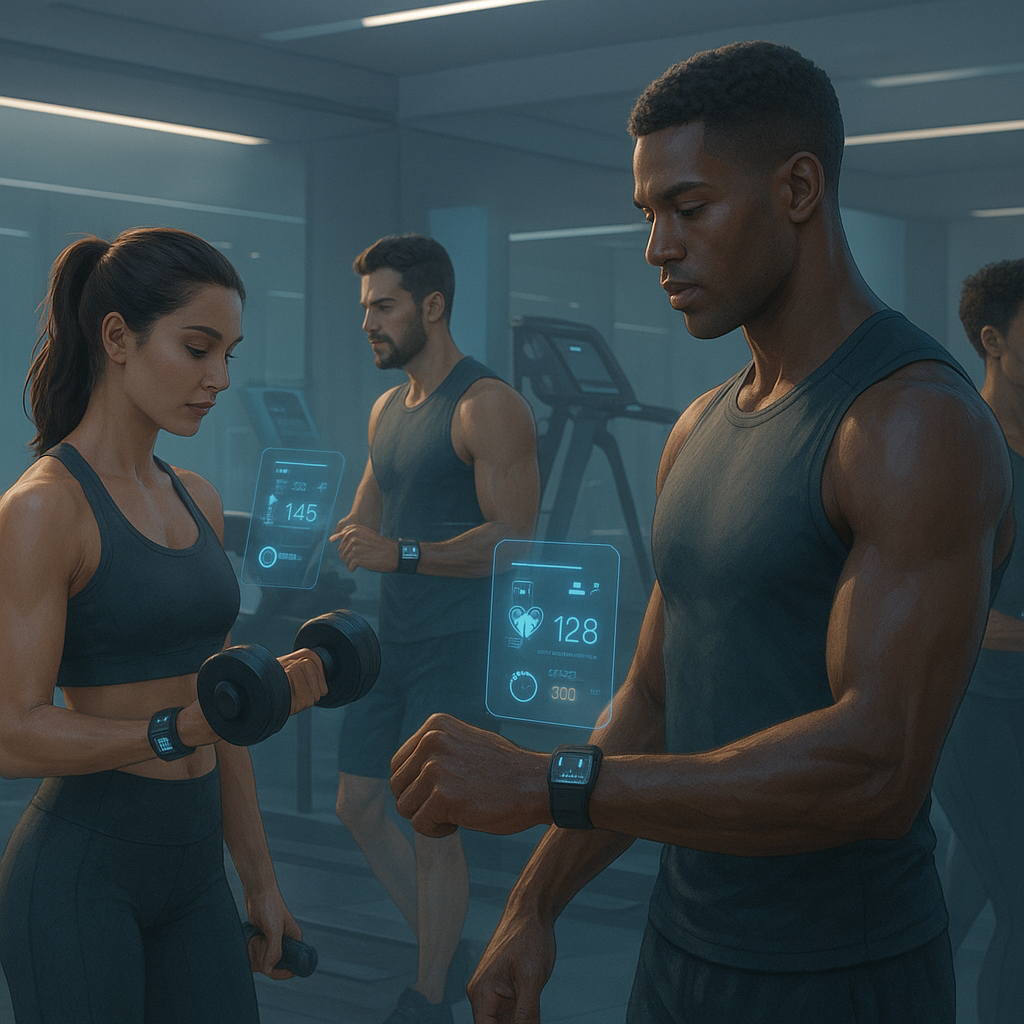
As we look forward, the future of AI in nutrition apps is poised for even more profound evolution. Advances in wearable tech and continuous biomarker monitoring will feed AI models with real-time data, enabling instant meal adjustments tailored to immediate physiological states.
Additionally, the integration of cultural and social dimensions into AI algorithms will deepen. Imagine AI that not only plans meals but also suggests local Catalan recipes adapted to your health profile or proposes festive menus suitable for communal celebrations. This would enrich the user experience, blending technology with tradition.
Ethical considerations will also gain prominence. Ensuring AI recommendations are equitable, transparent, and free from bias is critical to maintaining user trust. Industry leaders and regulators will need to collaborate, balancing innovation with safety and inclusivity.
For consumers, the key takeaway is to embrace AI meal planning as a supportive tool—one that complements, rather than replaces, professional advice. The Mediterranean lifestyle teaches us about harmony, and in 2026, AI offers a harmonious blend of data, science, and culture to nourish us better.
- Seek apps that integrate multidisciplinary expertise and allow user feedback for continuous improvement.
- Focus on apps with transparent algorithms and customizable settings to match evolving health goals.
- Remember to pair AI recommendations with personalized medical and nutritional consultation, especially for chronic conditions.
The path ahead is as exciting as the vibrant streets of La Mercè festival. With AI as a trusted partner, meal planning evolves from a mundane task into a joyful, personalized celebration of nourishment and wellness.





























Sign in to leave a comment.