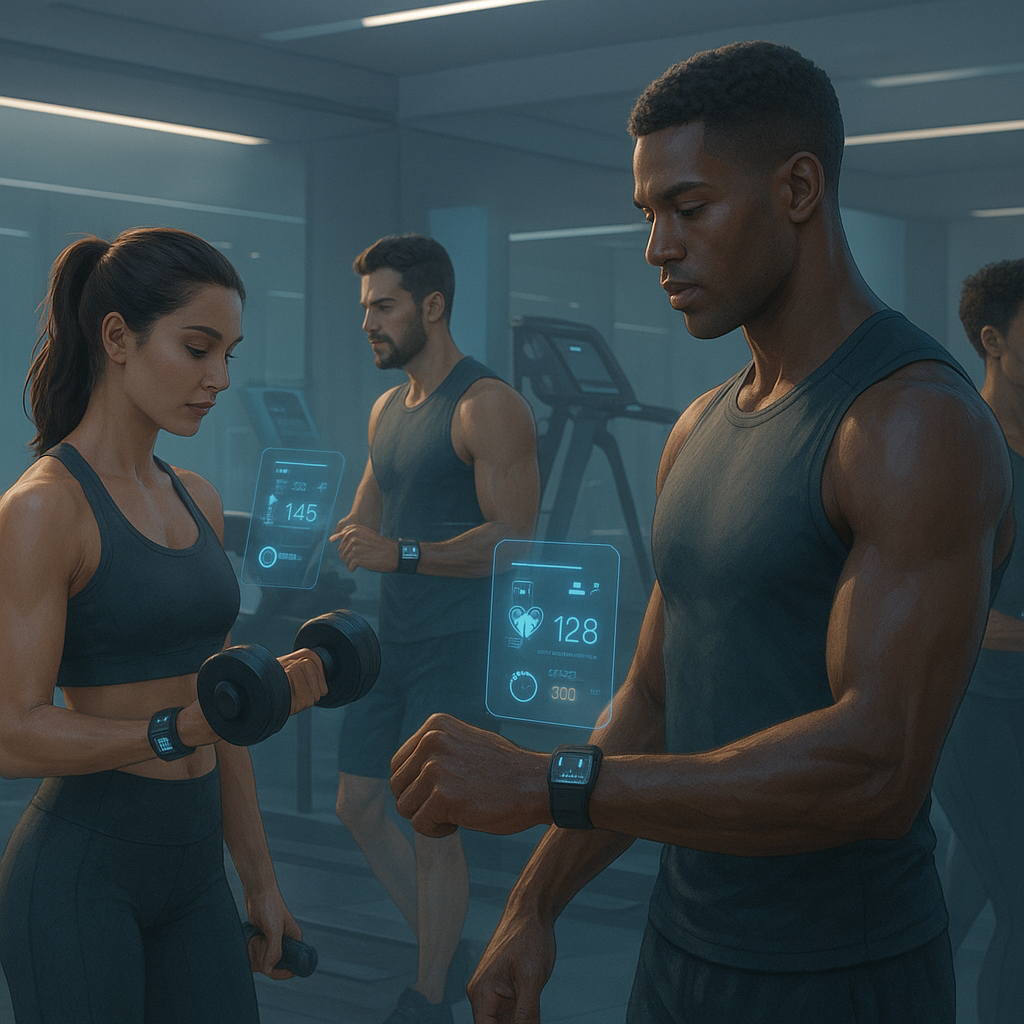

Tracking the Pulse of Progress: A New Era in Workout Performance
Imagine standing at the edge of a running track, your wrist glowing softly with data streaming in real time. Every heartbeat, every calorie burned, every nuanced shift in exertion is measured with precision. This scene is no longer futuristic but commonplace in 2026, thanks to the evolution of fitness trackers. Once simple step counters, these devices have transformed into sophisticated performance enhancers that empower athletes and casual fitness enthusiasts alike to optimize their workouts with unprecedented accuracy.
Recent studies reveal that users of advanced fitness trackers experience up to a 20% improvement in workout efficiency and adherence, driven largely by data-driven motivation and personalized insights. This article explores how fitness trackers have evolved into indispensable tools that improve workout performance by combining biometric monitoring, artificial intelligence, and seamless integration into daily life.
“Fitness trackers have transitioned from passive data collectors to active workout coaches, reshaping how users engage with their health,” says Dr. Elena Ramirez, a leading expert in sports science.
From Pedometers to AI-Powered Coaches: The Journey So Far
The journey of fitness trackers began in the early 2000s with rudimentary pedometers that counted steps. Over the past two decades, technological advancements in sensors, wireless connectivity, and data analytics have revolutionized these devices. By 2026, fitness trackers are no longer mere accessories but comprehensive wearable computers capable of monitoring heart rate variability, blood oxygen levels, sleep patterns, and even muscle fatigue.
The integration of AI algorithms has been a pivotal milestone. These algorithms analyze historical workout data to personalize training regimens, predict injury risks, and optimize recovery times. Early adopters like Fitbit and Garmin laid the groundwork, but the current leaders include Apple Watch Series 10, WHOOP 5.0, and Oura Pro, all of which leverage machine learning to enhance user engagement and performance.
Industry reports from MSN indicate that the wearables market has grown exponentially, with over 400 million active users worldwide in 2025, a threefold increase since 2016. This growth underscores the widespread acceptance of fitness trackers as vital health tools.
Data-Driven Insights: The Core of Enhanced Performance
At the heart of fitness trackers’ effectiveness is their ability to provide actionable, data-driven insights. Unlike generic workout plans, modern trackers tailor recommendations by analyzing multifaceted biometric data points collected continuously during exercise and rest.
Key metrics tracked include:
- Heart Rate Zones: Real-time monitoring enables users to train in optimal zones for fat burn, endurance, or peak performance, helping prevent overtraining.
- VO2 Max Estimation: This measures aerobic capacity, allowing users to track cardiovascular improvements over time.
- Recovery Scores: By analyzing heart rate variability and sleep quality, trackers suggest ideal rest periods.
- Motion and Form Analysis: Some advanced devices use gyroscopes and accelerometers to detect improper form that could lead to injury.
According to a 2025 study published in the Journal of Sports Science & Medicine, athletes using fitness trackers reported a 15% increase in training adherence and a 12% reduction in injury rates compared to control groups. These statistics highlight the tangible benefits of data-informed exercise.
“The precision of biometric feedback transforms training from guesswork into a science-backed process,” explains Dr. Michael Chen, a sports physiologist specializing in wearable technology.
The Latest Innovations in Fitness Trackers of 2026
In 2026, fitness trackers incorporate several groundbreaking features that further enhance workout performance. One major advancement is the integration of continuous glucose monitoring (CGM) technology. Companies like Dexcom and Fitbit have partnered to embed CGM sensors, allowing athletes to monitor blood sugar fluctuations in real time, optimizing nutrition and energy management during workouts.
Another leap forward is the use of AI-driven adaptive coaching. Devices now assess not only physical metrics but also mental states by analyzing physiological stress markers and sleep patterns. This holistic approach enables personalized suggestions such as adjusting workout intensity or recommending mindfulness exercises to improve focus and recovery.
Wearables have also expanded their ecosystem compatibility, seamlessly syncing with smart gym equipment and mobile apps that track intra-workout supplements and hydration, as detailed in our Intra Workout Supplements Guide. This connectivity allows users to receive comprehensive feedback on how supplements and hydration levels impact performance in real time.
- Enhanced biometric sensors: Improved accuracy in heart rate, oxygen saturation, and muscle oxygen sensors.
- Real-time coaching: AI algorithms provide instant corrective feedback on form and pacing.
- Seamless integration: Syncing with fitness center equipment and nutrition tracking apps enhances holistic health management.
Expert Perspectives and Industry Impact
The fitness industry has embraced fitness trackers not only as consumer gadgets but as essential tools for trainers, physiotherapists, and sports scientists. Leading athletic organizations employ wearables to monitor athletes’ workload and recovery, minimizing injury risks while maximizing performance gains.
Experts emphasize that the real power lies in the behavioral changes induced by trackers. The immediate feedback loop increases motivation and accountability, fostering consistent training habits. Moreover, social sharing features encourage community support, which studies show improves adherence by up to 30%.
Industry leaders also recognize challenges, such as data privacy concerns and the digital divide limiting access for some populations. Nevertheless, the trajectory points toward more inclusive and secure platforms.
“Fitness trackers represent a paradigm shift from reactive to proactive health management,” notes Jane Foster, CEO of a leading wearable tech firm.
For readers interested in optimizing their fitness routine, our article on the Best 5 Day Workout Routine complements the use of trackers by offering structured training plans tailored to different goals and fitness levels.
What to Watch: Future Trends and Takeaways
Looking ahead, fitness trackers will continue evolving with advancements in biosensing technologies and AI. Emerging trends to monitor include:
- Non-invasive metabolic tracking: Enabling users to measure fat oxidation and energy expenditure with clinical precision.
- Emotional state monitoring: Incorporating mood and stress analytics to tailor workout and recovery recommendations.
- Expanded medical applications: Integration with telemedicine for chronic disease management and rehabilitation.
To fully leverage fitness trackers, users should focus on consistent usage, setting realistic goals, and engaging with the data beyond surface-level metrics. Combining wearable insights with proper nutrition, hydration, and recovery strategies is key to sustained performance improvements.
“The future of fitness is personalized, data-driven, and connected,” concludes Dr. Ramirez. “Those who harness these tools will redefine their physical limits.”
As fitness trackers become more sophisticated and accessible, their role in enhancing workout performance is undeniably profound. For further exploration of how technology intersects with health and wellness, our coverage on AI Search Performance Trackers offers insights into related digital performance optimization trends.
































Sign in to leave a comment.