

On a packed Barcelona metro, it is easy to spot the modern ritual: one person scrolling a meditation prompt, another logging a mood score, someone else chatting with an AI companion after midnight because the human world is asleep. Mental health support has moved into the palm of the hand, and the shift is not cosmetic. According to the World Health Organization, mental health conditions remain one of the leading causes of disability worldwide, while many countries still face long waits, clinician shortages, and uneven access to care. That gap has become the runway for AI-powered mental health apps, a category that now blends chatbots, journaling tools, mood prediction, guided cognitive behavioral therapy exercises, crisis routing, and wearable-linked stress detection.
Yet the central question is not whether these apps are popular. It is whether they are good. That answer is more layered than the glossy app-store screenshots suggest. Some products offer structured support that can genuinely help users build coping habits, track symptoms, and bridge the lonely hours between therapy sessions. Others overpromise, blur the line between wellness and treatment, or rely on language models that sound warm but may still hallucinate, miss risk signals, or generate advice that feels polished while being clinically thin.
As I have followed this sector, I keep thinking of Gaudí’s Sagrada Família: beautiful, ambitious, full of organic curves, but only stable because every bold element depends on hidden structural logic. AI mental health apps are similar. The interface may feel comforting, even magical, but the real test lies underneath: evidence, privacy, clinician oversight, escalation protocols, and transparency. Readers who want a broader framing can compare this analysis with AI-Powered Mental Health Apps Review: Benefits, Risks, Reality and Complete Guide to AI-Powered Mental Health Apps Review, both of which map the wider debate. Here, I want to get more specific: what these apps do well, where they still fail, and how to judge them with clear eyes in 2026.
AI can widen access to emotional support, but access is not the same thing as care. The distinction matters more than any product demo.
How the category evolved from meditation timers to conversational care
A decade ago, most mental wellness apps were simple and narrow. They offered breathing exercises, sleep sounds, gratitude journals, or mindfulness sessions recorded by human coaches. Their promise was modest: reduce stress, improve focus, sleep a little better. The AI layer changed the commercial story because it made apps feel responsive rather than static. Instead of pressing play on a meditation track, users could describe panic before a meeting, grief after a breakup, or spiraling thoughts at 2 a.m. The app could answer back instantly.
Three developments drove that shift. First, natural language processing improved enough to support more fluid dialogue. Second, smartphones and wearables generated a river of behavioral data, from sleep patterns to activity levels and heart rate variability. Third, the pandemic years normalized remote care and accelerated investor interest in digital mental health. By the early 2020s, products such as Wysa, Woebot, Youper, and a growing field of AI companions had trained consumers to expect around-the-clock emotional interaction, not just content libraries.
However, the market split into at least three distinct camps, and consumers often confuse them. One camp focuses on wellness support: stress relief, journaling, habit building, and self-reflection. Another positions itself as a therapy adjunct, using structured CBT-style prompts, symptom tracking, and clinician dashboards. A third, far more controversial camp offers open-ended emotional companionship, sometimes encouraging intense attachment between user and bot. Those categories carry very different risk profiles, but app stores rarely explain the distinction clearly.
Recent coverage has also widened the lens beyond adults. Education systems are now confronting these tools directly. Education Week reported in Mental Health Apps for Students Are Growing. Here’s What Schools Need to Know that schools are increasingly assessing student mental health apps with a sharper eye on privacy, safety, and evidence. That is significant because young users are among the most enthusiastic adopters, but also among the most vulnerable to poor guidance, oversharing, and false reassurance.
The result is a category that looks unified from the outside but is actually architected like a Catalan festival parade: bright, kinetic, and full of distinct moving parts. Reviewing it well means separating soothing design from measurable support.
What the best AI mental health apps actually do well
When these tools work, they usually work for practical reasons rather than futuristic ones. The strongest products reduce friction around behaviors that clinicians have long considered useful: noticing patterns, naming emotions, practicing coping strategies, and maintaining continuity between hard moments. AI is valuable here because it can personalize prompts, summarize trends, and respond instantly in language that feels less sterile than a checklist.
Users consistently report a few advantages. Privacy, or at least the feeling of privacy, can lower the threshold for honesty. A person who would never tell a friend, partner, or primary care doctor that they are overwhelmed may type it into a chatbot. There is also convenience. Human therapists cannot be available at every hour, and many regions still have months-long waiting lists. A decent app can offer immediate grounding exercises, reflective questions, or journaling prompts that interrupt a spiral before it deepens.
The most credible apps tend to share several features:
- Structured therapeutic frameworks, often drawing from CBT, DBT-informed skills, mindfulness, or behavioral activation rather than free-form advice alone.
- Mood and symptom tracking that helps users connect sleep, stress, social contact, and routines with emotional states over time.
- Crisis escalation language that clearly directs users to emergency services, hotlines, or human support when self-harm or acute distress appears.
- Boundaries on claims, stating that the app is not a therapist, not a diagnostic tool, and not a substitute for emergency care.
- Human oversight options, such as access to coaches, clinicians, or reviewed care pathways for higher-risk cases.
This is where several established names have built their reputations. Wysa has long emphasized guided conversations and clinically informed exercises. Woebot became well known for bringing CBT-style interactions into a chatbot format. Youper has focused on emotional tracking and conversational support. Headspace and Calm, while not defined solely by AI, have integrated more personalization and adaptive recommendations around stress and sleep. None of these products is perfect, but the better ones understand that the goal is not to imitate a wise best friend. It is to support healthy behaviors consistently and safely.
There is also a subtle but important benefit for therapy itself. Some clinicians say app-based tracking can make sessions more precise. Instead of spending the first fifteen minutes reconstructing the week from memory, patients can arrive with mood logs, sleep summaries, and records of triggers. Readers interested in that bridge between software and care pathways may also find useful context in Rethinking AI-Powered Mental Health Apps Review, which examines how these tools fit beside, rather than instead of, professional treatment.
The strongest apps are not trying to be therapists with better battery life. They are trying to be disciplined support systems that make proven habits easier to repeat.
Where the risks remain sharp: privacy, bias, false empathy, and crisis failure
The weaknesses of AI-powered mental health apps are not abstract. They are operational, ethical, and sometimes deeply personal. Start with privacy. Mental health data is among the most sensitive information a person can generate, yet many users still do not know how their entries, voice notes, metadata, and behavioral patterns are stored, shared, or used to train models. Regulators have pushed digital health companies toward clearer disclosures, but privacy policies remain long, legalistic, and difficult to compare. If an app monetizes engagement, the temptation to collect more than is necessary never disappears.
Then there is the problem of false empathy. Large language models are remarkably good at sounding understanding. That can be comforting, but comfort is not the same thing as competence. A chatbot may mirror the user’s feelings beautifully while still missing bipolar symptoms, trauma complexity, medication issues, or escalating self-harm risk. The danger is subtle: users may trust the app more because it sounds emotionally fluent. That is exactly when overreliance can creep in.
Bias is another unresolved fault line. AI systems reflect the data and assumptions used to build them. If models are trained on narrow linguistic, cultural, or demographic patterns, they may misunderstand slang, code-switching, grief rituals, family structures, or symptoms expressed differently across cultures. For multilingual users and migrants, that matters enormously. A mental health app that performs well for an English-speaking professional in California may be much less reliable for a teenager in Madrid, a shift worker in Manila, or an older adult in rural Italy.
The risk checklist for consumers should be blunt:
- Does the app explain what happens to your data in plain language?
- Does it say whether conversations are reviewed by humans or used for model improvement?
- Does it identify when AI is generating responses rather than a licensed clinician?
- Does it offer clear crisis instructions instead of vague reassurance?
- Does it avoid diagnosing you after a short chat?
- Does it publish any evidence, clinical partnerships, or safety reviews?
Schools and youth settings have become a proving ground for these concerns. Education Week’s 2026 reporting highlighted how districts are weighing not only student demand, but also parental consent, data governance, and the challenge of making sure an app does not replace school counselors where more direct intervention is needed. That reporting mirrors a broader lesson from digital health: when a tool enters a high-trust environment, the burden of proof rises.
One more caution deserves emphasis. Open-ended AI companions can intensify emotional dependence. If a product is designed to maximize time spent talking, the line between support and attachment can blur fast. That may be commercially attractive. It is not automatically healthy.
How to review an app like an expert, not an app-store tourist
Most consumer reviews of mental health apps focus on surface experience: clean design, pleasant voice, nice reminders, maybe a free trial. Those details matter, but they do not answer the serious questions. A proper review should examine whether the app is built like a trustworthy health tool or marketed like a mood-scented subscription service. The distinction is everything.
I use five lenses. First is clinical grounding. Does the app reference evidence-based methods such as CBT, mindfulness, behavioral activation, or DBT-informed skills? Better still, does it explain how those methods appear in the product? Second is risk management. If a user mentions self-harm, abuse, or severe symptoms, what happens next? Third is data governance. Can users delete their data? Is consent meaningful? Fourth is transparency. Are limitations stated clearly? Fifth is user fit. A student under exam pressure, a parent with postpartum anxiety, and a person with chronic depression do not need the same digital support.
A useful scoring framework looks like this:
- Safety: crisis messaging, escalation pathways, age appropriateness, moderation of harmful outputs.
- Evidence: published studies, clinician involvement, outcome tracking, realistic claims.
- Usability: interface clarity, accessibility, language support, consistency of responses.
- Privacy: data minimization, deletion options, understandable policy, sharing restrictions.
- Value: free features, subscription cost, whether premium tiers unlock meaningful care or just cosmetic extras.
Cost deserves more scrutiny than it gets. Many apps use a freemium model: a few check-ins for free, then a monthly or annual subscription for deeper features. That can be fair if the premium tier funds real clinical design, human coaching, or strong privacy controls. It is less defensible when the paywall mainly unlocks more chat time with a generic model. Consumers should ask a simple question: what am I paying for beyond soothing language?
Another smart move is to compare multiple perspectives before committing. WriteUpCafe’s AI-Powered Mental Health Apps: A Critical Review of Technology and Impact and AI-Powered Mental Health Apps in 2026: A Comprehensive Review are useful companion reads because they frame both market trends and user expectations. Cross-reading matters. A polished app can feel wonderful for three days and still be a poor long-term fit if it lacks depth, safeguards, or clear boundaries.
My practical advice is Mediterranean in spirit: choose tools that support rhythm, not obsession. The best apps help you notice patterns, breathe, sleep, and reach out to humans when needed. They should fit into life like a well-designed plaza, inviting return without trapping you inside.
What changed in 2026: schools, regulation, and a more skeptical market
The tone around AI mental health apps in 2026 is noticeably more mature than it was just a few years ago. The hype has not vanished, but the easy optimism has cooled. Buyers now ask harder questions, and they should. Employers, schools, insurers, and health systems are under pressure to justify why they recommend a given app, what outcomes they expect, and how user data is handled. That shift is healthy.
One major development is the expansion of youth-focused deployment. Education Week’s May 2026 article documented how student mental health apps are spreading in school settings, while administrators weigh evidence, privacy, and whether app-based support can coexist responsibly with counselors and psychologists. This matters because school adoption can rapidly scale a product from niche tool to daily infrastructure. Once that happens, weak safeguards become a public issue, not just a consumer complaint.
Another change is market discipline. Investors and enterprise buyers have become less enchanted by broad promises and more interested in measurable retention, clinical outcomes, and regulatory resilience. Digital health companies across sectors have faced a tougher funding climate since the post-pandemic boom cooled. In mental health, that has favored products that can show either a credible wellness niche or a serious integration into care systems. The middle ground, where an app claims therapeutic impact without evidence or governance, is becoming harder to defend.
Regulatory scrutiny has also sharpened globally, even if rules still vary by jurisdiction. Authorities are paying closer attention to health claims, data practices, and the use of AI in sensitive decision-making. Not every mental wellness app qualifies as a regulated medical device, but once a company edges toward diagnosis, treatment recommendations, or risk scoring, the compliance stakes rise quickly. That pressure is pushing better companies to clarify what they are and what they are not.
Finally, users themselves are more literate. After years of experimenting with chatbots across work, search, and companionship, people have a more intuitive grasp of AI’s strengths and blind spots. They know a bot can be fast, articulate, and still wrong. That cultural learning may be the most important 2026 development of all.
Who should use these apps, who should be careful, and what to watch next
So, who benefits most from AI-powered mental health apps? In my reporting and review work, the best fit is usually someone with mild to moderate stress, anxiety, low mood, sleep disruption, or a desire to build emotional self-awareness. These users often appreciate daily check-ins, thought reframing prompts, meditation suggestions, and habit tracking. People already in therapy may also benefit when an app helps them notice triggers between sessions or practice skills they are learning with a clinician.
Who should be more cautious? Anyone with active suicidal thoughts, psychosis, severe depression, mania, complex trauma, eating disorders requiring close monitoring, or substance use crises should not rely on an AI app as primary support. The same applies to users who are vulnerable to emotional dependency on digital companions. An app can be a bridge, not a lifeboat.
The most sensible way to use these tools is as part of a layered support system:
- Use the app for daily reflection, habit support, and symptom tracking.
- Keep one or two trusted humans in the loop, especially if your mood worsens.
- Bring app-generated patterns to a therapist or doctor when possible.
- Turn off features that nudge compulsive engagement rather than healthy use.
- Review privacy settings before sharing intimate details.
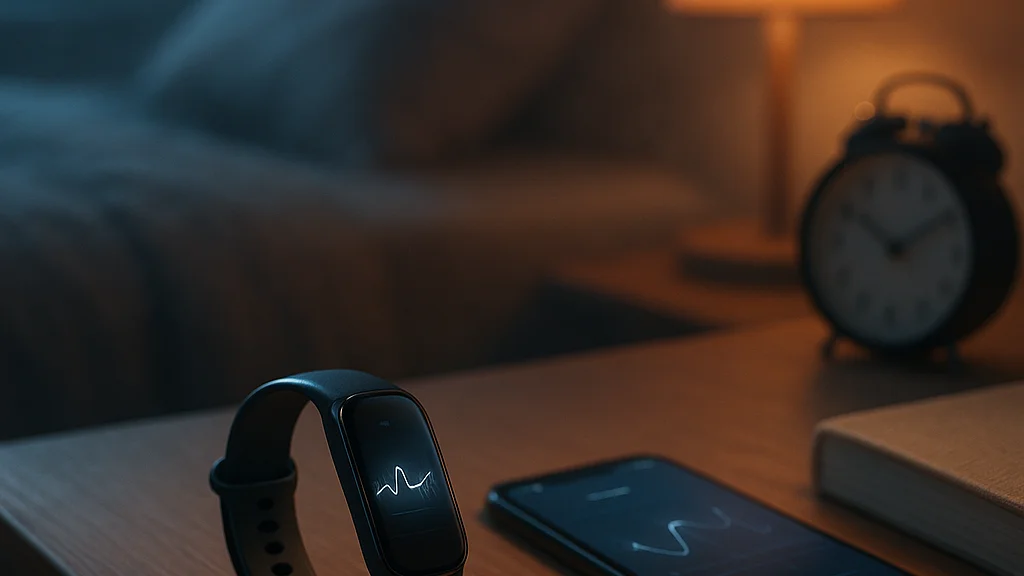
Looking ahead, three trends deserve close attention. First, multimodal sensing will grow. Apps are increasingly combining text input with wearable data, voice cues, and behavioral signals to infer stress or mood changes. That may improve personalization, but it also raises the privacy stakes dramatically. Second, human-in-the-loop models are likely to expand, especially for employers, schools, and health systems that want AI efficiency without abandoning clinical oversight. Third, we will see more specialization. Instead of one chatbot for everyone, expect products tailored to students, perinatal mental health, chronic illness, neurodivergent users, and older adults.
If the sector matures well, it could become something genuinely useful: not a digital therapist fantasy, but a reliable layer of everyday support woven into broader care. Think of it like the mosaic surfaces in Park Güell. Each tile is small, imperfect on its own, but arranged carefully it creates something coherent and sustaining. That is the right ambition for AI mental health apps. Not miracle, not replacement, not spectacle. Just thoughtful design, evidence, and humane boundaries.
The final verdict is clear. AI-powered mental health apps can help, sometimes meaningfully, when they are transparent, evidence-informed, and used for the right purpose. They can also mislead, oversimplify, or create a false sense of safety when marketing outruns clinical reality. Review them with curiosity, yes, but also with the discipline this subject deserves. Mental health is too important for softer standards.






























Sign in to leave a comment.