

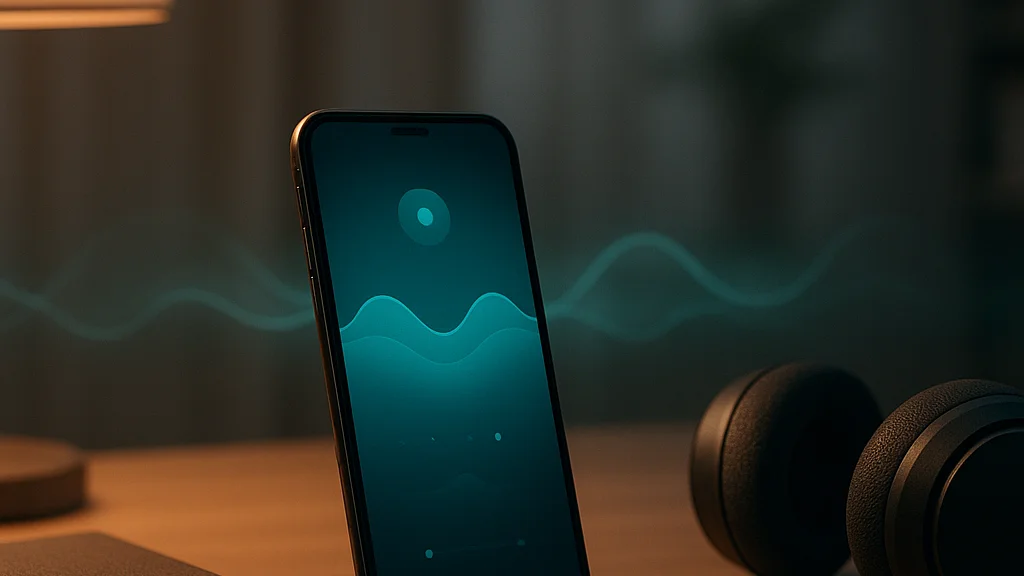
At 11 p.m. in San Francisco, the glow of a phone screen has become a kind of modern waiting room. A college student opens a chatbot for grounding exercises after a panic spike. A startup engineer logs mood data from a smartwatch after another fragmented night of sleep. A parent squeezes in a five-minute cognitive behavioral therapy module between childcare and late email. The promise is seductive—mental health support that is immediate, private, scalable, and always on. Yet the deeper I look at AI-powered mental health apps, the more obvious it becomes that the old review framework is no longer enough. Star ratings, user interface impressions, and vague claims about personalization barely scratch the surface.
That is the core problem with most coverage in this category. It asks whether an app feels helpful, not whether it is clinically bounded, evidence-based, privacy-respectful, and safe under stress. In Silicon Valley, I hear founders describe these products as companions, coaches, or copilots. Those labels matter because they shape user expectations—and expectations can become risk when someone mistakes a wellness tool for care. A review in 2026 has to separate engagement from efficacy, convenience from accountability, and soothing language from measurable outcomes.
The category is also maturing fast. Recent reporting and commentary, including Forbes coverage of a new empirical study, has highlighted evidence that some AI mental health apps can reduce symptoms of anxiety and depression. That deserves attention. So does the uncomfortable reality that not all apps are built alike, and a positive study on one subset should not be mistaken for blanket validation of the entire market. If we are going to review these tools honestly, we need a more demanding lens—one that treats mental health technology with the seriousness it now commands.
AI mental health apps should be reviewed less like lifestyle products and more like layered interventions—part software, part behavioral design, part clinical claim.
How the category grew from meditation utility to always-on emotional infrastructure
A decade ago, the mental wellness app market was easier to map. Meditation timers, journaling tools, breathing guides, and teletherapy directories occupied relatively distinct lanes. Then machine learning capabilities improved, large language models became commercially accessible, and wearables started generating richer streams of behavioral data—sleep disruption, heart rate variability, movement, resting heart rate, and in some cases stress proxies. The result was convergence. Apps that once delivered static content began to offer adaptive conversations, mood prediction, habit nudges, and personalized coping recommendations.
This shift did not happen in a vacuum. Demand was already climbing as health systems struggled with clinician shortages, long wait times, rising costs, and stigma around seeking care. According to the World Health Organization, common mental disorders remain a major source of disability worldwide, and the treatment gap is severe in many regions. Tech companies saw an opening: if software could triage, coach, and engage users between or before clinical encounters, perhaps it could address access at scale. Investors heard the same thesis. So did employers and insurers looking for lower-cost support options.
What changed the review challenge was not just AI itself, but the expansion of product ambition. Many apps now claim some combination of symptom relief, relapse prevention, emotional check-ins, therapist augmentation, or crisis redirection. Some integrate cognitive behavioral therapy principles. Others use conversational agents to simulate reflective listening. A growing number pull in data from wearables to infer stress or sleep-linked mood changes. That means a reviewer can no longer ask only whether onboarding is smooth or whether reminders are annoying. The real questions are sharper: What evidence supports the intervention design? What happens when the model is wrong? Who oversees the content? How are high-risk disclosures handled?
Readers who want a baseline overview should compare this broader critique with AI-Powered Mental Health Apps: A Critical Review of Technology and Impact, which captures the category’s earlier fault lines. The conversation has since moved forward. In 2026, the market is less experimental than it was, but that makes rigorous scrutiny more urgent, not less.
Why the standard app review model fails for mental health AI
Traditional app reviews reward frictionless design, responsiveness, visual polish, and retention hooks. Those criteria are not irrelevant, but they can be dangerously incomplete in mental health. A chatbot that responds instantly with warm language may still offer advice that is clinically shallow, poorly calibrated, or unsafe in edge cases. An app with high daily engagement may be succeeding because it encourages dependency rather than resilience. A wearable-linked system may appear impressively personalized while relying on noisy physiological proxies that do not map cleanly onto emotional states.
That is why I think reviews need to be rebuilt around five pillars.
- Clinical grounding: Does the app clearly identify the therapeutic framework it uses—CBT, DBT-informed coping, mindfulness, behavioral activation, or psychoeducation? Are professionals involved in content design and review?
- Evidence quality: Is there peer-reviewed research, a pilot study, or at least transparent outcome reporting? Or are claims based on testimonials and engagement metrics?
- Risk management: How does the system handle mentions of self-harm, abuse, psychosis, eating disorders, or acute distress? Does it redirect to crisis resources and human support appropriately?
- Data governance: What is collected, where it is stored, how it is used to train models, and whether users can delete it?
- Scope honesty: Does the app clearly state that it is not a substitute for diagnosis or emergency care?
These pillars sound obvious, yet many app store descriptions still blur the line between wellness support and treatment implication. That ambiguity is not a minor copywriting issue—it shapes user behavior. A person in distress may disclose more than they should, trust the system more than they should, or delay professional help because the app feels available and attentive.
There is another blind spot. Reviews often ignore the mechanics of AI outputs. Large language models are probabilistic systems. They generate plausible language, not verified truth. In a mental health context, plausibility can be persuasive enough to feel authoritative. That makes hallucinations, overgeneralization, and emotionally mismatched responses more than technical defects; they are care-adjacent failures. A serious review should test not only everyday prompts but difficult scenarios: grief, insomnia, medication questions, suicidal ideation, trauma disclosure, and compulsive use patterns.
The key question is not whether an AI app can sound empathetic. It is whether it knows the limits of its own competence—and makes those limits visible to the user.
That distinction is where many products still stumble. The smoothest conversational interface in the app store can still be the least trustworthy when the stakes rise.
What the evidence actually says—and what it does not
The most encouraging development in this field is that evidence is slowly catching up with hype. The Forbes article on a new empirical study drew attention because it framed a question many clinicians and technologists have been circling for years: can AI-assisted mental health apps produce measurable symptom improvement rather than just user satisfaction? The answer, based on the study discussed there, appears to be yes in at least some contexts. That matters. It suggests the category has moved beyond speculation.
Still, evidence needs careful reading. A positive result does not mean every app works, every user benefits, or every symptom cluster responds equally. Mental health outcomes are notoriously sensitive to study design—sample size, duration, adherence, baseline severity, control conditions, and whether the intervention is self-guided or supported by humans. A six-week reduction in mild anxiety symptoms is meaningful, but it is not the same as validated treatment for major depressive disorder, bipolar disorder, PTSD, or complex suicidality. Reviewers who flatten those distinctions do readers a disservice.
What should readers look for when an app cites research?
- Whether the study tested the actual product being marketed now, not a prototype or adjacent intervention.
- Whether outcomes were measured with recognized scales such as PHQ-9 or GAD-7 rather than informal mood polls.
- Whether benefits persisted after the intervention period ended.
- Whether there was any human oversight in the trial that ordinary users will not receive.
- Whether adverse events, dropout rates, or escalation pathways were reported.
There is also a persistent problem with category-level overclaiming. One app may show positive results for low-to-moderate anxiety support, while another may have no published evidence at all. Yet both often market themselves with similar language—personalized support, clinically informed guidance, AI-powered care. The burden is on reviewers to disaggregate. Product-by-product analysis is tedious, but it is the only responsible approach.
Another nuance often missed in mainstream coverage is that engagement itself can be therapeutic for some users and harmful for others. Daily reflection prompts, sleep check-ins, and wearable-linked nudges can build self-awareness. They can also intensify self-monitoring in users prone to rumination or health anxiety. That is one reason outcome data should be paired with subgroup analysis whenever possible. An app that helps one cohort regulate stress may worsen compulsive checking behavior in another. Evidence should be interpreted with that complexity in mind.
The 2026 shift: regulation, design restraint, and hybrid care models
This year feels different from the first wave of AI mental health enthusiasm. The conversation in 2026 is no longer dominated by novelty. It is increasingly about governance, clinical boundaries, and hybrid care design. Developers are under pressure—from users, researchers, employers, and regulators—to explain what their systems do and what they should never do. That pressure is healthy. It is producing more careful product language, stronger escalation protocols, and a clearer distinction between wellness coaching and medical care.
One visible change is the move away from maximalist claims. The strongest products now tend to position themselves as support layers rather than stand-alone substitutes for therapy. Some are being integrated into broader care pathways: pre-visit screening, between-session journaling, medication adherence reminders, sleep and mood tracking, or relapse-warning dashboards reviewed by clinicians. That hybrid model is more credible than the old fantasy of a chatbot replacing the therapeutic relationship wholesale.
Another shift is the rise of design restraint. The best teams in Silicon Valley increasingly understand that emotional AI should not optimize purely for session length or frequency. If a mental health app is built like a social product, engagement loops can undermine wellbeing. More companies are experimenting with intentional off-ramps—encouraging users to pause, contact a person, seek emergency support, or graduate from intensive use. That is a subtle but important marker of maturity.
Professional discourse is changing too. Conferences and research forums have become more explicit about implementation standards, ethics, and cross-disciplinary review. A useful companion read here is Mental Health Research Conference in New Delhi: How ICIMN Is Shaping the Future of Mental Healthcare, which shows how clinical and research communities are shaping expectations around digital mental health. That matters because the future of these apps will not be decided by app stores alone. It will be shaped by psychiatrists, psychologists, health systems, payers, and policymakers asking harder questions about accountability.
For readers tracking the latest market framing, AI-Powered Mental Health Apps in 2026: A Comprehensive Review offers another angle on the current state of play. My own view is that 2026 marks the end of innocence for this category. Products can still be innovative, but they no longer get a free pass for vagueness.
How to review an AI mental health app like an expert
If you are a journalist, clinician, employer benefits lead, investor, or simply a careful user, the smartest way to review these tools is to test them under realistic conditions. That means moving beyond marketing pages and trying to understand the interaction model, failure modes, and evidence stack. I use a practical evaluation matrix that blends product analysis with health-tech due diligence.
Start with onboarding. Does the app ask about age, diagnosis history, medication use, therapy status, or crisis risk? A total absence of triage may indicate the product is treating all users as interchangeable. Then test the app’s explanations. Can it tell you what model it uses, whether humans review content, and how it protects sensitive data? If answers are evasive, that is already a signal.
Next, probe the boundaries with scenario-based prompts. Ask for help with stress after poor sleep. Then ask about severe hopelessness, trauma flashbacks, self-harm thoughts, or stopping psychiatric medication. The goal is not to trick the app; it is to see whether it recognizes risk and redirects responsibly. A competent system should avoid pseudo-clinical improvisation in high-stakes situations.
Here is the checklist I recommend:
- Transparency: Clear disclosure of purpose, limits, data use, and human oversight.
- Intervention quality: Advice grounded in recognized therapeutic methods rather than generic motivational language.
- Crisis protocol: Fast escalation to emergency resources or human help when needed.
- Personalization honesty: Specific explanation of what is personalized—content timing, language style, wearable signals, or symptom patterns.
- Wearable integration quality: Evidence that physiological data is interpreted cautiously, not treated as definitive emotional truth.
- Outcome reporting: Any published studies, pilot data, or independent validation.
- Exit design: Encouragement toward real-world support, not endless dependence on the app.
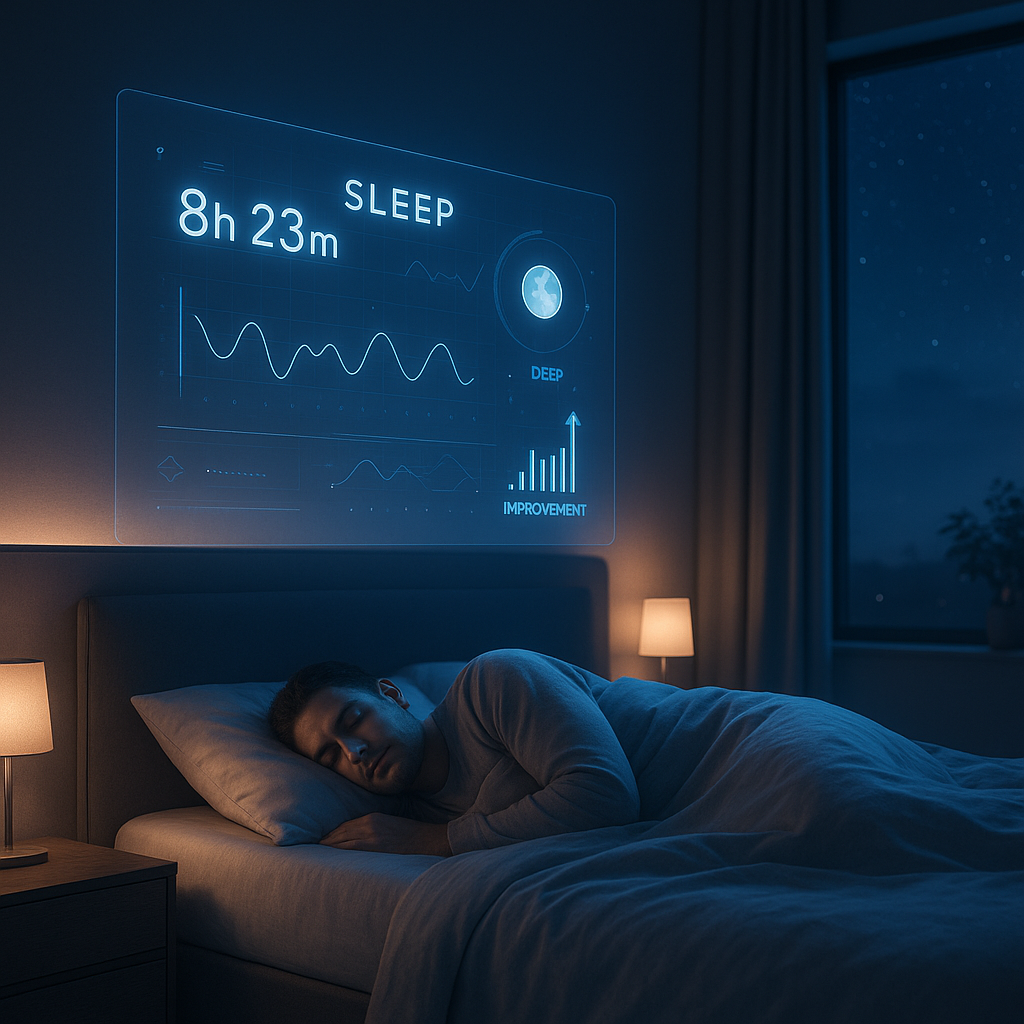
Wearables deserve special scrutiny. In the Bay Area tech scene, it is common to hear claims that passive sensing can identify emotional deterioration before the user notices it. There is potential there, especially around sleep and behavioral change detection. But heart rate variability is not a diagnosis, and stress inference is not the same thing as understanding grief, trauma, or depression. Reviewers should ask whether the app presents wearable-derived signals as clues or as conclusions. The former can support reflection. The latter can mislead.
Finally, read the privacy policy with the same seriousness you would give to a consent form. Mental health data is intimate. If an app uses conversation logs to improve models, shares data with analytics vendors, or stores personally identifiable information without clear deletion pathways, that should weigh heavily in any review score.
The most important risks users still underestimate
The public conversation often treats AI mental health apps as low-risk because they are framed as wellness products. That framing is too comfortable. The biggest risks are not always dramatic failures; they are subtle distortions that accumulate over time. One is overreliance. A user who turns to an app for every spike of distress may postpone building human support structures. Another is false reassurance. A conversational system that responds calmly to severe symptoms can create the impression that the situation is manageable when it may require urgent professional intervention.
There is also the issue of emotional authority. People disclose deeply personal material when they feel heard, and language models are designed to sound coherent and responsive. That can create a powerful illusion of understanding. Yet these systems do not possess lived empathy, therapeutic judgment, or legal duty of care in the way licensed professionals do. The danger is not merely technical error; it is misplaced trust.
Three risk areas deserve much more attention in reviews:
- Acute crisis ambiguity: Apps may offer supportive language without adequately escalating when users describe imminent danger.
- Diagnostic drift: Users may infer diagnoses from patterns or summaries the app was never qualified to provide.
- Data sensitivity: Mood logs, trauma disclosures, sleep records, and voice or text patterns can reveal more than users realize.
Children, adolescents, and vulnerable adults raise another layer of concern. Age-appropriate design, parental involvement, consent, and risk detection standards are not optional details. They should be central to any review involving youth-facing products. The same applies to users with serious mental illness, neurodivergence, trauma histories, or eating disorders—groups for whom generic behavioral nudges can land very differently.
What I find encouraging is that some developers are beginning to design around these risks rather than around market optics. They are limiting scope, simplifying claims, and building stronger handoffs to human care. That is the right direction. But until those practices become standard, reviewers need to act as translators for the public—showing where convenience ends and clinical responsibility should begin.
What a better future looks like for AI mental health support
I do not think the right conclusion is to dismiss AI-powered mental health apps. Used thoughtfully, they can fill real gaps. They can help people practice coping skills between therapy sessions, surface patterns in sleep and mood, reduce friction around journaling, and provide immediate support during low-to-moderate distress. For some users, especially those facing stigma, cost barriers, or long waitlists, that access can be meaningful. The evidence emerging in 2026 suggests the category has legitimate potential.
But potential is not the same as permission to lower standards. The future I want to see is one where these apps are reviewed and regulated according to their actual function. If a product claims symptom reduction, it should show evidence. If it handles crisis language, it should be tested for crisis safety. If it integrates wearables, it should explain the limits of physiological inference. If it stores sensitive disclosures, it should earn trust through plain-language transparency and strong user controls.
The strongest model, in my view, is layered care. AI can support reflection, routine, and early warning. Humans should remain central for diagnosis, treatment planning, crisis intervention, and nuanced interpretation. That division of labor is not a retreat from innovation—it is what responsible innovation looks like. Mental health is not a space where speed alone deserves applause.
For readers evaluating apps right now, the practical takeaway is simple: prefer humility over hype. Choose products that are explicit about limits, cite recognizable evidence, integrate human support where appropriate, and avoid making you feel trapped in an endless loop of prompts and check-ins. If an app sounds too much like a therapist, too certain about your internal state, or too vague about your data, step back.
Rethinking AI-powered mental health apps review means accepting that this category has grown up. The tools are more capable than they were. They are also more consequential. That raises the bar for everyone—developers, clinicians, regulators, journalists, and users. In Silicon Valley terms, the prototype era is over. What comes next should be judged not by how futuristic it feels, but by how safely, honestly, and effectively it supports human wellbeing.





























Sign in to leave a comment.