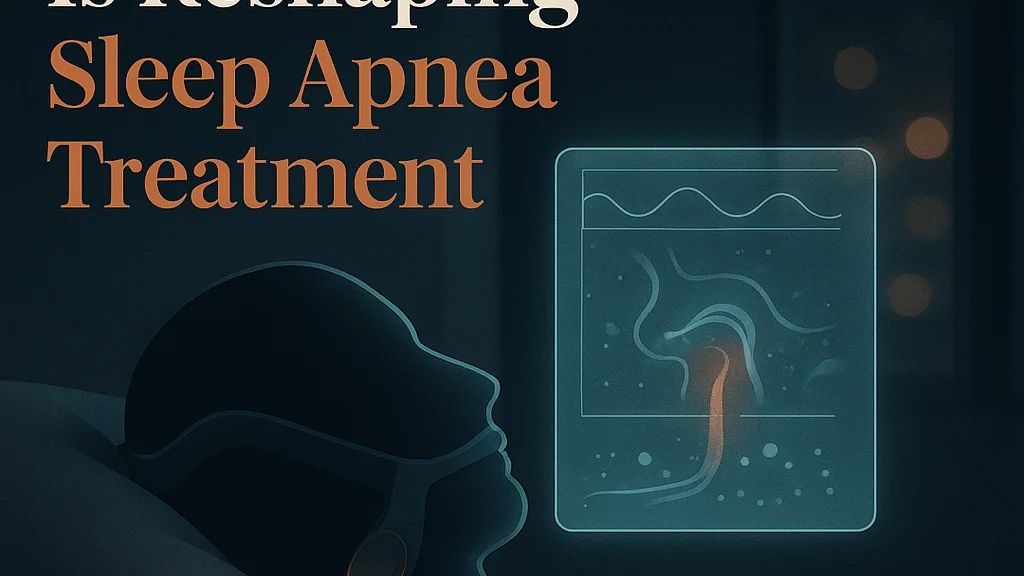

A disorder that hides in plain sight is finally meeting modern tech
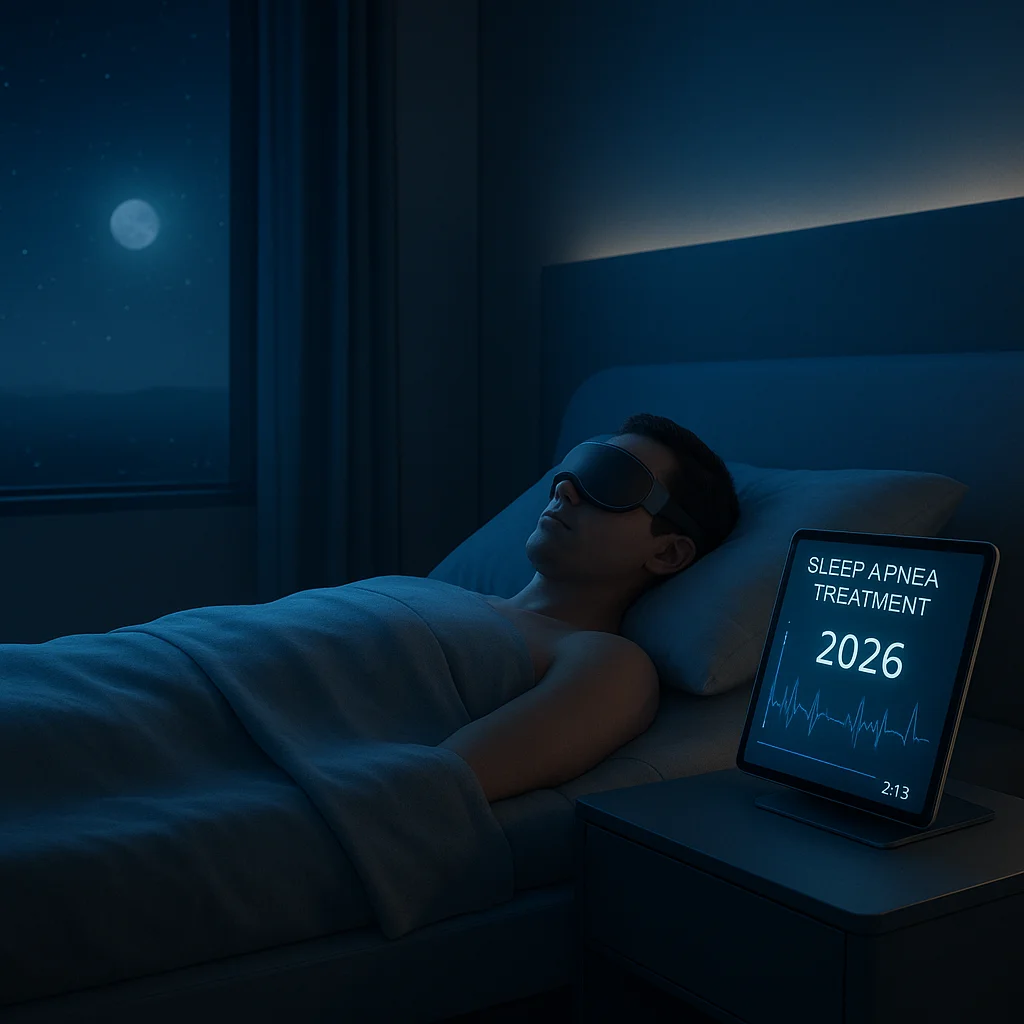
Sleep apnea used to be treated like a narrow respiratory problem—something solved, if at all, with a sleep lab referral and a continuous positive airway pressure machine. That framing no longer holds. In clinics across the United States, and especially in tech-forward care ecosystems from San Francisco to Boston, obstructive sleep apnea is increasingly being managed as a data-rich, highly personalized condition that sits at the intersection of cardiometabolic health, consumer electronics, remote monitoring, and behavioral design.
The scale of the problem explains why innovation is accelerating. Obstructive sleep apnea, or OSA, affects millions of adults, yet many remain undiagnosed because the traditional pathway has been inconvenient, expensive, and frankly intimidating. A patient snores, feels exhausted, maybe develops hypertension, and then faces a long chain of steps: specialist visit, overnight sleep study, device fitting, compliance challenges. Technology is compressing that chain. Home sleep testing, cloud-connected PAP devices, AI-assisted signal analysis, wearable sensors, and even drug-device combinations are moving treatment from a one-size-fits-all model to something much closer to precision medicine.
That shift is not theoretical. It is already changing diagnosis speed, adherence rates, and who can realistically access care. Recent reporting from Yale Environment 360 on the future of sleep apnea treatment highlights how the field is broadening beyond CPAP toward implants, personalized interventions, and more nuanced care pathways. Meanwhile, coverage from MSN on Zepbound and obstructive sleep apnea underscores another reality: treatment is no longer just about airflow—it is increasingly about weight, inflammation, metabolic disease, and long-term risk reduction.
From my vantage point in Health & Wellness Tech, the story is bigger than gadgets. This is about how digital systems are redefining what counts as treatment, who delivers it, and what successful therapy looks like. If you want a concise companion overview, WriteUpCafe has already explored the topic in Technology Is Reshaping Sleep Apnea Treatment with Innovation and Precision. The deeper question is why this transformation is happening now—and why it is likely to accelerate.
Sleep apnea treatment is shifting from a single-device category to a connected care ecosystem—diagnostics, therapy, monitoring, coaching, and cardiometabolic management now increasingly work together.
Why the old model struggled: diagnosis bottlenecks and adherence failures
For years, the dominant sleep apnea model had a glaring weakness: it asked patients to adapt to the system instead of adapting the system to patients. Overnight polysomnography in a sleep lab remains clinically valuable, but it has also been a bottleneck. Labs are expensive to run, specialists are unevenly distributed, and scheduling delays can stretch for weeks or months. That lag matters because untreated OSA is associated with daytime sleepiness, reduced cognitive performance, elevated crash risk, and a higher burden of hypertension and cardiovascular disease.
CPAP itself has also faced a perception problem. Clinically, it remains one of the most effective therapies for many patients with moderate to severe OSA. Practically, however, adherence has often been difficult. Masks can feel claustrophobic. Pressure settings may need adjustment. Dryness, leaks, noise, and disrupted bedtime routines can push patients away before benefits are fully realized. In Silicon Valley terms, the user experience was often poor even when the underlying clinical efficacy was strong.
That mismatch created a predictable pattern:
- Patients delayed testing because the process felt burdensome.
- Those who were diagnosed often received treatment with limited personalization.
- Providers had incomplete visibility into what happened after the machine was sent home.
- Comorbid issues—obesity, anxiety, insomnia, nasal obstruction, cardiovascular risk—were handled in separate silos.
Technology is reshaping treatment because it directly addresses each of those friction points. Home sleep apnea tests have expanded access. Connected devices transmit usage and efficacy data automatically. Software dashboards help clinicians identify leaks, residual events, and nonadherence earlier. Telehealth reduces follow-up drop-off. Consumer wearables have also changed patient expectations—people increasingly want longitudinal data, trend lines, and feedback loops rather than a one-time diagnosis.
Another factor is economic. Payers and health systems have stronger incentives to detect and manage sleep apnea before it contributes to more expensive downstream complications. Remote monitoring fits that goal because it can support population-level management without requiring every patient to return repeatedly for in-person visits.
WriteUpCafe’s What You Need to Know About Technology Reshaping Sleep Apnea Treatment captures the consumer-facing side of this evolution. From a clinical systems perspective, the deeper truth is simpler: the legacy pathway was too rigid, and digital health tools finally made it possible to rebuild it.
The breakthrough is not that CPAP stopped working. The breakthrough is that the care model around sleep apnea is becoming measurable, adaptive, and far more responsive to real-world behavior.
The technologies driving change: from home testing to connected therapy
The sleep apnea market is being transformed by a stack of technologies rather than a single invention. Some are medical-grade and provider-led. Others come from the consumer wellness space and are influencing patient behavior from the outside in. Together, they are making sleep apnea care faster, more personalized, and more iterative.
Start with diagnosis. Home sleep apnea testing has become central because it lowers the barrier to entry. Instead of spending a night in a lab with multiple sensors attached, many patients can now complete testing at home with compact devices that measure airflow, respiratory effort, oxygen saturation, and in some cases body position. These tests are not appropriate for every scenario—complex sleep disorders may still require full polysomnography—but for many suspected OSA cases they dramatically improve access.
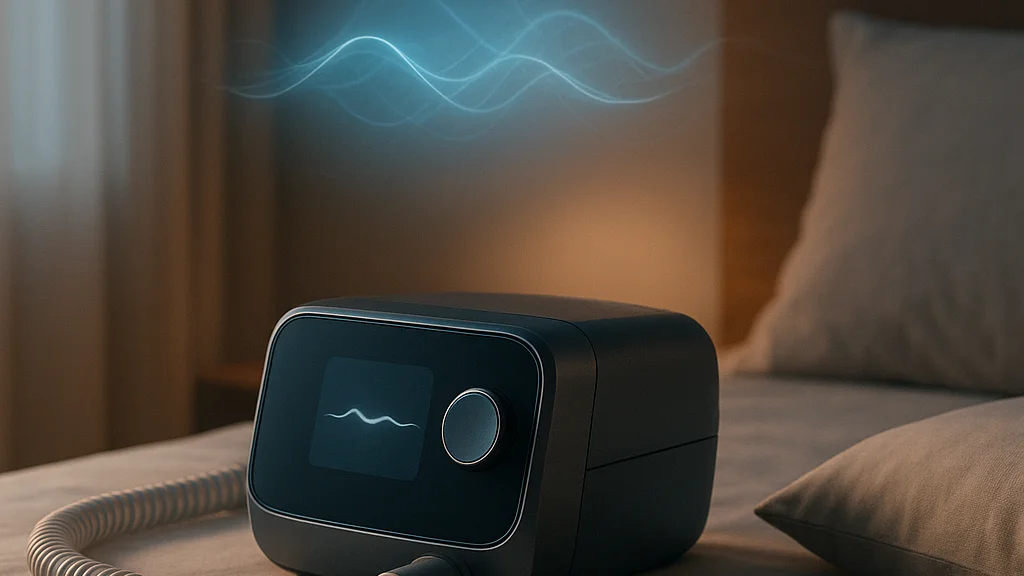
Then comes connected therapy. Modern PAP devices do far more than blow air. They log usage hours, mask leak, apnea-hypopnea indices, and pressure response data, then send that information to cloud platforms. Clinicians and durable medical equipment providers can intervene earlier when a patient is struggling. That matters because the first few weeks of therapy often determine long-term adherence.
Several layers now sit on top of the device itself:
- Auto-adjusting pressure algorithms that respond to changing airway resistance during sleep.
- Remote compliance monitoring used by clinicians and insurers to track real-world use.
- Digital coaching tools that send reminders, troubleshooting tips, and habit support.
- Mask-fit analytics that identify leaks and comfort issues before the patient gives up.
- Telehealth follow-up that reduces attrition after diagnosis.
Wearables add another dimension. Smartwatches and rings are not diagnostic replacements for formal sleep studies, but they are changing the conversation by surfacing patterns in heart rate variability, overnight oxygen trends, sleep fragmentation, and recovery metrics. Patients now come to appointments with months of sleep-related data. Clinicians may not base diagnosis solely on that information, yet it often helps identify who needs formal evaluation sooner.
There is also progress in non-PAP technologies. Hypoglossal nerve stimulation, positional therapy devices, digitally guided oral appliance workflows, and smartphone-enabled symptom tracking all widen the treatment menu. According to Yale’s May 2026 reporting, the future of sleep apnea care increasingly involves matching therapy to anatomy, severity, and comorbidity profile rather than defaulting every patient into the same pathway.
That is why the phrase “technology is reshaping sleep apnea treatment” is not marketing fluff. It describes a very real migration from episodic care to connected care—something I see echoed across health tech sectors, from glucose monitoring to mental health platforms.
Data, personalization, and the rise of precision sleep medicine
The most important shift may be conceptual. Sleep apnea is no longer being treated as a binary condition—have it or do not have it, use CPAP or do not. Technology is revealing that patients differ in anatomy, symptom burden, arousal threshold, body position sensitivity, weight trajectory, cardiovascular risk, and tolerance for specific therapies. Once those differences become measurable, treatment naturally becomes more individualized.
That is the essence of precision sleep medicine. A patient with severe obesity-related OSA, insulin resistance, and daytime fatigue may need a very different strategy from a lean patient whose events are strongly positional or linked to craniofacial structure. Another person may have OSA plus insomnia and anxiety, where adherence depends as much on behavioral support as on pressure settings.
Digital systems make this complexity manageable. Instead of relying on a single baseline study and a follow-up months later, clinicians can review ongoing therapy data, symptom reports, and in some cases wearable-derived trends. This does not replace clinical judgment—it enhances it. A patient whose residual events remain high despite good device use can be flagged quickly. Someone using PAP for short periods each night can be triaged for mask refitting, humidification changes, or alternative therapies. Over time, data helps separate nonresponders, partial responders, and patients whose problem may be broader than airway collapse alone.
Several categories of data are especially influential:
- Respiratory metrics such as apnea-hypopnea burden and flow limitation.
- Oxygenation trends including desaturation frequency and overnight nadirs.
- Behavioral adherence signals such as nightly duration and drop-off timing.
- Comorbidity indicators including weight change, blood pressure, and metabolic status.
- Patient-reported outcomes like daytime sleepiness, mood, and cognitive function.
This data-rich approach also explains why big health trends are colliding with sleep medicine. Weight management platforms, cardiometabolic clinics, and remote patient monitoring companies increasingly see sleep apnea as part of the same risk architecture. That is especially relevant after the emergence of GLP-1-based therapies in obesity care. MSN’s reporting on Zepbound becoming the first drug FDA-cleared specifically for obstructive sleep apnea drew attention to a long-brewing truth: for some patients, reducing body weight can materially reduce upper-airway obstruction and improve disease severity.
None of this means devices are disappearing. It means therapy selection is broadening. PAP remains central, but it is now one node in a larger system that includes metabolic treatment, behavioral support, digital engagement, and alternative interventions. WriteUpCafe’s How Technology Is Reshaping Sleep Apnea Treatment frames this consumer transition well. Clinically, the bigger development is that sleep medicine is becoming less siloed and more longitudinal.
What changed recently: the 2026 inflection point
The momentum in 2026 is not accidental. Several developments over the past two years have pushed sleep apnea treatment into a new phase. First, the normalization of remote care after the pandemic era permanently altered expectations. Patients now assume that at least part of their diagnosis, onboarding, education, and follow-up can happen digitally. Sleep medicine, which depends heavily on monitoring and iterative adjustment, is especially well suited to that model.
Second, cardiometabolic medicine has moved closer to sleep care. Obesity drugs, better understood inflammatory pathways, and stronger public awareness of the links between poor sleep, hypertension, and metabolic dysfunction have expanded the audience for apnea screening. When a patient enters a digital weight-loss program today, sleep quality and snoring are much more likely to be discussed than they were five years ago.
Third, device ecosystems have matured. Earlier connected health systems often generated data without producing meaningful clinical action. That is changing as dashboards improve and triage workflows become more refined. Providers are better able to identify who needs intervention now, who is stable, and who may be a candidate for a different modality altogether.
Several 2026 shifts stand out:
- Broader acceptance of home-first diagnostic pathways for many suspected OSA patients.
- Greater integration of sleep data into general wellness platforms, including wearables and employer health programs.
- Rising interest in non-CPAP options, including neurostimulation and oral-device workflows.
- More attention to obesity-linked OSA treatment after the regulatory and commercial momentum around Zepbound.
- Improved patient education interfaces that make therapy setup less intimidating.
Yale’s 2026 coverage emphasized that future treatment may become far more tailored to the biological drivers of each patient’s apnea. That is a meaningful departure from the old “CPAP first, everything else later” hierarchy. At the same time, no serious clinician is arguing that every patient should switch to the newest modality. The trend is toward better matching, not novelty for its own sake.
From a San Francisco health tech perspective, this resembles what happened in diabetes management. Continuous data, software layers, and user-centered design did not eliminate foundational therapies—they made them more usable and opened the door to more targeted interventions. Sleep apnea is now following a similar arc.
Where innovation is helping most: adherence, access, and overlooked patients
The real test of any medical technology is not whether it looks sophisticated in a product demo. It is whether more patients actually get diagnosed, start therapy, and stay on it long enough to improve outcomes. By that standard, the most important contributions of technology are showing up in three areas: access, adherence, and recognition of patients who previously slipped through the cracks.
Access improves when testing can happen at home and follow-up can happen by video. Rural patients, shift workers, caregivers, and people who simply cannot afford multiple in-person visits benefit disproportionately. This matters because sleep apnea has never been distributed evenly across the population. Undiagnosed disease is common among people who have limited specialist access or who dismiss snoring and fatigue as normal.
Adherence improves when therapy becomes less isolating. A connected device that quietly uploads data may sound mundane, but it changes the relationship between patient and provider. Instead of waiting for failure, clinicians can see patterns unfold. If usage drops after three nights, someone can intervene. If leak rates spike, a mask adjustment can be recommended. If the patient reports anxiety or panic with the device, coaching can begin before abandonment becomes permanent.
Technology is also helping identify subgroups that need different care pathways. Consider these examples:
- Patients with obesity-related OSA who may benefit from combined airway and weight-management strategies.
- Patients with positional apnea who may respond to targeted positional therapy rather than universal PAP escalation.
- Patients with insomnia symptoms whose sleep fragmentation may undermine PAP tolerance unless behavioral treatment is added.
- Patients using consumer wearables who notice repeated overnight oxygen dips and seek earlier evaluation.
The consumerization of sleep data has created some noise, but it has also generated useful awareness. People are more alert to the health significance of snoring, oxygen variation, and nonrestorative sleep than they were a decade ago. In health tech, awareness is often the first unlock. Once a condition becomes visible, the market starts building tools around it.
That visibility also has implications for mental health awareness. Chronic fatigue, poor sleep quality, and untreated apnea can amplify mood symptoms and cognitive strain. Better monitoring and faster intervention do not only improve respiratory metrics—they can improve quality of life in ways patients feel immediately during work, driving, exercise, and relationships.
The most powerful sleep technologies are often the least glamorous: systems that reduce friction, shorten time to diagnosis, and help patients stay with treatment long enough to feel the difference.
What to watch next: integrated therapies and smarter care pathways
The next chapter in sleep apnea treatment will likely be defined by integration. Not every breakthrough will come from a brand-new device. Many will come from tighter coordination among diagnostics, software, obesity care, cardiovascular monitoring, and patient engagement tools. That is why the category is attracting attention from both medtech and digital health players.
One major trend to watch is multimodal treatment. A patient may soon move through a pathway that combines home testing, wearable trend monitoring, PAP or oral appliance initiation, telehealth coaching, and metabolic management if obesity is a major driver. For some, neurostimulation or ENT intervention may be layered in later. The point is not complexity for complexity’s sake—it is sequencing the right tools for the right phenotype.
Another area to watch is AI-assisted interpretation. Used carefully, machine learning can help flag clinically meaningful patterns in adherence data, identify who is likely to disengage, and support workflow triage for sleep clinics under capacity pressure. The best implementations will remain clinician-supervised and transparent. Black-box scoring systems that patients cannot understand will face trust barriers.
There are also practical takeaways for readers evaluating this space now:
- If persistent snoring, daytime sleepiness, or observed breathing pauses are present, seek formal evaluation rather than relying solely on a smartwatch.
- If CPAP has failed before, ask whether the issue was the therapy itself or the onboarding experience, mask fit, or lack of follow-up.
- If weight is a major factor, discuss whether a combined cardiometabolic strategy may alter disease severity over time.
- If a home sleep test is offered, ask whether your symptoms or comorbidities make it appropriate versus a full lab study.
- If using connected therapy, review your data with a clinician instead of self-interpreting isolated nightly fluctuations.
For a broader snapshot of current consumer interest, WriteUpCafe’s Technology Is Reshaping Sleep Apnea Treatment in 2026 and Beginners Guide to How Technology Is Reshaping Sleep Apnea Treatment in 2026 show how quickly the conversation has expanded. My view is that the most durable winners in this market will not be companies selling a single miracle fix. They will be the ones that make diagnosis easier, therapy more tolerable, and long-term management more intelligent.
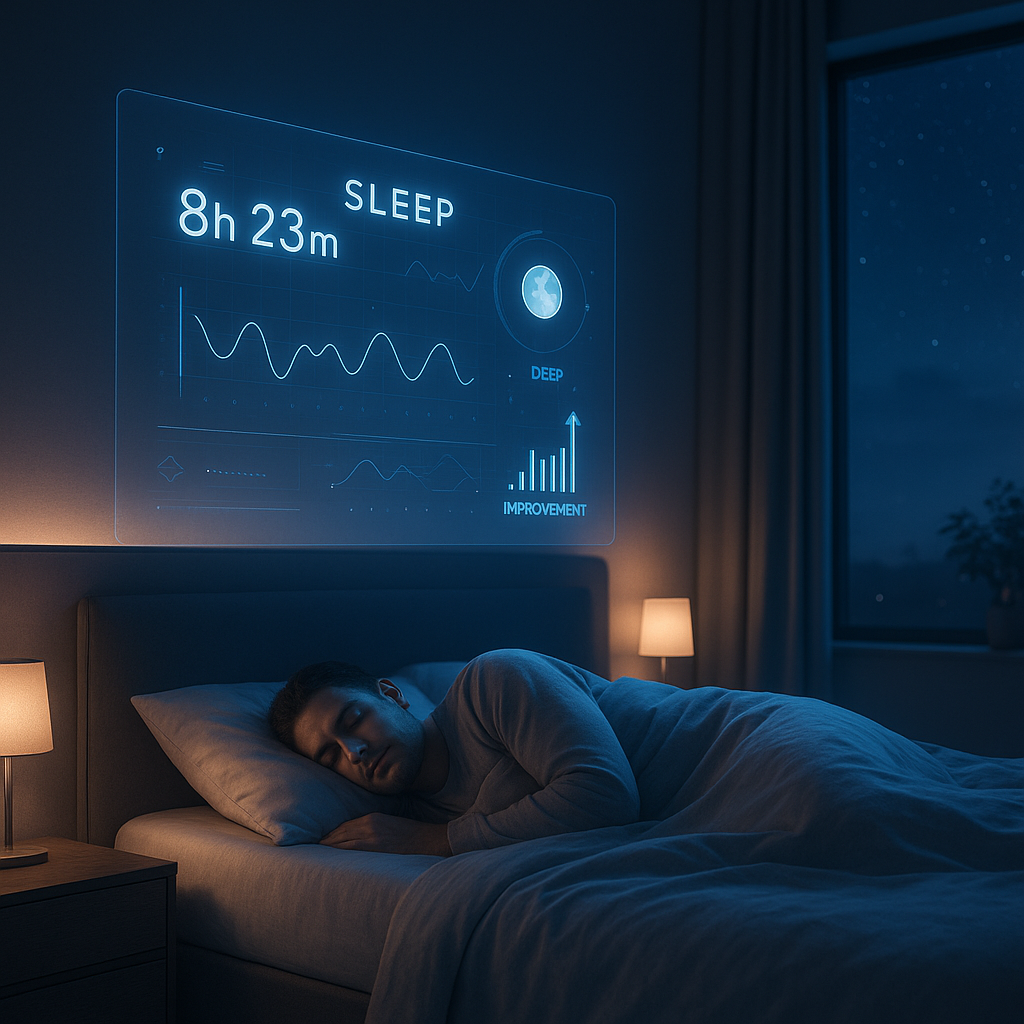
Sleep apnea treatment is being reshaped because medicine finally has the tools to treat it like the complex, chronic, highly individualized condition it is. That is a technical story, but it is also a human one. Better sleep changes everything—energy, blood pressure, concentration, recovery, and emotional resilience. When technology closes the gap between clinical capability and daily life, patients feel the benefit where it matters most: the next morning.



























Sign in to leave a comment.