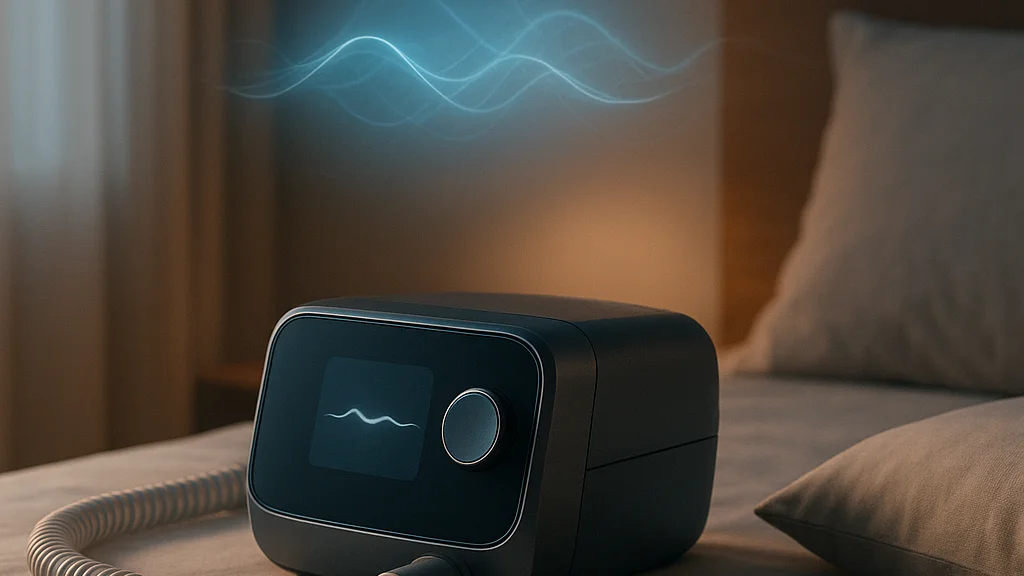

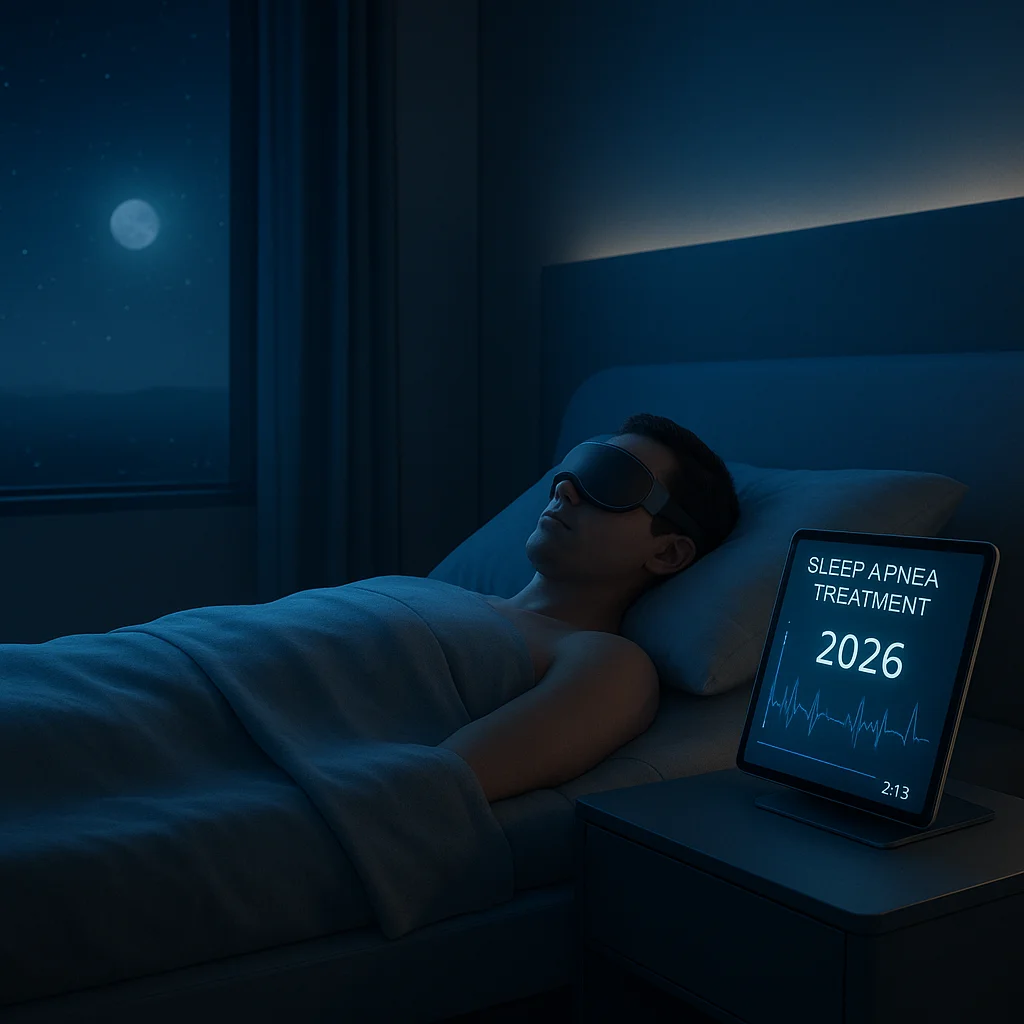
At 2 a.m., the most important health technology in a bedroom may not be a smartwatch or a smart speaker. It may be a machine quietly pushing air through a mask, a sensor tucked under a mattress, or an implanted stimulator timing tiny pulses to keep an airway open. Sleep apnea treatment used to be a blunt story—diagnose the disorder, prescribe CPAP, hope the patient adapts. That model is changing fast. In clinics across the United States, and especially in innovation-heavy regions like Silicon Valley, care is becoming more digital, more personalized, and more measurable.
That shift matters because obstructive sleep apnea is not a niche problem. It is linked to daytime sleepiness, impaired concentration, cardiovascular strain, metabolic dysfunction, and reduced quality of life. Yet the clinical challenge has never been diagnosis alone. It has been adherence. A therapy can be effective in a lab and still fail in a real bedroom if the patient cannot tolerate it. New technology is attacking that gap from multiple angles—better masks, smarter CPAP algorithms, home-based diagnostics, wearable tracking, telemonitoring, and alternatives such as nerve stimulation. The result is a treatment ecosystem that looks less like a single device category and more like a connected platform.
Recent reporting reflects that momentum. Yale Environment 360 described the field’s move beyond CPAP toward a broader future of sleep apnea treatment, while USA Today highlighted why modern CPAP remains, for many users, the practical secret to better sleep when devices are fitted and supported correctly. On WriteUpCafe, related analyses such as What You Need to Know About Technology Reshaping Sleep Apnea Treatment and Technology Is Reshaping Sleep Apnea Treatment with Innovation and Precision point to the same conclusion: the story is no longer just about pressure delivery. It is about data, design, and long-term behavior change.
Sleep apnea care is moving from a one-device prescription to a connected care pathway—screening, diagnosis, treatment selection, remote follow-up, and continuous optimization.
Why the old model struggled—even when the therapy worked
For decades, continuous positive airway pressure, or CPAP, earned its reputation for a simple reason: when used consistently, it works. By delivering pressurized air that prevents upper-airway collapse, CPAP can sharply reduce apneic events and improve oxygenation during sleep. But clinical efficacy and patient usability are not the same thing. Many patients report claustrophobia, skin irritation, dry mouth, air leaks, pressure discomfort, or the social awkwardness of sleeping with a mask and hose. Those barriers are not superficial. They directly shape whether treatment is sustained over months and years.
The older care pathway often amplified those problems. A patient might wait weeks for a sleep-lab study, receive a diagnosis, get a device, and then have only limited follow-up unless something went wrong. Troubleshooting could be fragmented among sleep physicians, durable medical equipment suppliers, and insurers. If the first mask fit poorly or the pressure felt intolerable, frustration set in quickly. That meant a therapy with strong physiological logic often underperformed in the real world.
Technology is changing that weak link. Today’s systems increasingly include cloud connectivity, usage dashboards, leak detection, event tracking, humidification control, and auto-adjusting pressure modes. These features are not cosmetic add-ons. They are part of a broader effort to reduce friction. A patient who once abandoned therapy after a few bad nights can now be identified remotely, coached earlier, and switched to a better-fitting interface before nonadherence becomes permanent.
There is also a cultural shift inside sleep medicine. Clinicians are paying more attention to patient experience, not just apnea-hypopnea indices. That is a major change. In the Bay Area, where consumer health technology has shaped expectations across categories, patients increasingly expect devices to be intuitive, connected, and personalized. Sleep medicine is catching up. For a broader primer on that transition, WriteUpCafe’s How Technology Is Reshaping Sleep Apnea Treatment maps the same movement from rigid treatment pathways to more adaptive care.
- Traditional bottlenecks: lab scheduling delays, limited follow-up, poor mask fit, and static pressure settings
- Modern upgrades: remote monitoring, auto-titration, digital coaching, and more ergonomic hardware
- Clinical implication: better odds that effective therapy is actually used long enough to improve outcomes
Diagnostics are leaving the lab and entering the connected home
One of the biggest transformations in sleep apnea treatment began before treatment itself—with diagnosis. Full polysomnography remains the most comprehensive tool for complex cases, but home sleep apnea testing has expanded access dramatically. That matters because untreated sleep apnea often persists not from denial alone, but from inconvenience. Many people delay testing because they do not want to spend a night in a lab, or they underestimate symptoms such as snoring, fragmented sleep, morning headaches, and daytime fatigue.
Home testing and digitally enabled screening tools lower that barrier. Patients can now complete evaluations in their own beds with fewer logistical hurdles, and clinicians can review data more quickly. The quality of consumer wearables still varies, and they are not substitutes for formal diagnosis, but they are influencing the front end of care. Smartwatches and rings increasingly flag irregular sleep patterns, oxygen trends, and physiological stress markers that prompt users to seek proper evaluation. In wellness-focused tech circles, that early signal is powerful. A person may first suspect a problem because a wearable shows repeated overnight disturbances or unexplained recovery deficits after exercise.
Recent media coverage has emphasized that broader toolkit. MSN’s overview of sleep apnea treatments and supportive remedies reflects how the public conversation has widened beyond a single machine. That widening is not about replacing evidence-based care with gadgets. It is about using technology to identify risk earlier, route patients faster, and match them to the right intervention.
The implications are especially important for populations that have historically been underdiagnosed, including women whose symptoms may present differently and younger adults who do not fit the classic stereotype. Telehealth has helped here as well. A patient can now move from symptom recognition to specialist consultation to home testing with far less delay than even a few years ago. That compressed timeline is one of the most consequential developments in 2026 because earlier diagnosis usually means less accumulated cardiovascular and cognitive strain.
When screening becomes easier, treatment starts earlier—and in sleep medicine, timing matters because years of untreated apnea can quietly erode heart, brain, and metabolic health.
CPAP is getting smarter, quieter, and far more personalized
CPAP is still central to sleep apnea treatment, but the device category has evolved significantly. The stereotype of a loud, inflexible machine with a cumbersome mask is increasingly outdated. Current systems are quieter, smaller, and more responsive. Auto-adjusting PAP devices can vary pressure throughout the night based on detected airflow patterns, reducing discomfort for users who do not need a high fixed pressure at all times. Integrated humidification and heated tubing address dryness and condensation issues. Mask design has diversified as well—nasal pillows, under-the-nose cushions, hybrid formats, and improved headgear materials allow more individualized fitting.
According to USA Today’s March 2026 coverage of CPAP machines, the “least-sexy solution” remains highly effective when patients receive proper setup, education, and support. That point deserves emphasis. The technology itself matters, but outcomes improve most when hardware and human coaching work together. Remote compliance platforms now allow providers to see nightly usage, residual events, leak rates, and pressure patterns. If a patient is struggling, intervention can happen before the therapy quietly fails.
This data layer also changes conversations with insurers and clinicians. Instead of relying on vague self-reports, care teams can use objective usage trends to guide adjustments. In practical terms, that may mean:
- switching mask types after leak data shows repeated seal failure,
- changing humidification settings when dryness drives wake-ups,
- reviewing pressure curves if exhalation feels uncomfortable, and
- identifying whether residual events suggest a need for further evaluation.
There is another subtle but important shift—consumer-grade design thinking. In Silicon Valley, device adoption often rises or falls on friction. Sleep medicine is absorbing that lesson. Better mobile apps, clearer setup workflows, quieter motors, and more travel-friendly form factors are not luxuries; they are adherence tools. A machine used consistently at home and on business trips is more valuable than a technically excellent device left in a closet.
For patients who want a more current overview of these improvements, WriteUpCafe’s Technology Is Reshaping Sleep Apnea Treatment in 2026 and Beginners Guide to How Technology Is Reshaping Sleep Apnea Treatment in 2026 are useful companion reads. The central takeaway is consistent: CPAP is not disappearing. It is being redesigned around the patient.
Beyond CPAP: implants, oral devices, and targeted alternatives
The most interesting change in the field may be the growing legitimacy of alternatives for patients who cannot tolerate PAP therapy. Not every airway collapses for the same anatomical or neuromuscular reason, so it makes sense that treatment should become more tailored. One of the most closely watched options is hypoglossal nerve stimulation, an implantable therapy that activates muscles controlling the tongue to help maintain airway patency during sleep. Yale Environment 360’s 2026 reporting on the future of treatment captures why this category has drawn so much attention: it offers a very different adherence profile for carefully selected patients.
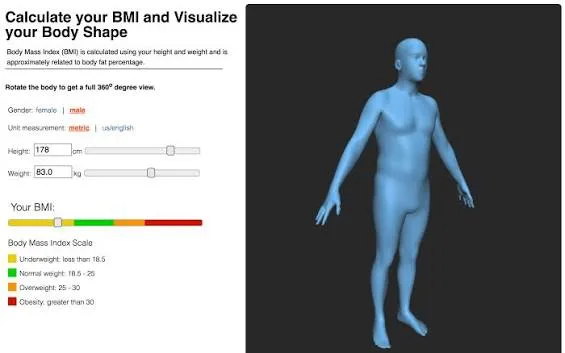
Implant-based therapy is not for everyone. It requires evaluation, procedural intervention, and anatomical suitability. But it reflects a larger principle—sleep apnea care is moving toward phenotyping rather than one-size-fits-all prescribing. Some patients may do well with mandibular advancement devices fitted by trained dental professionals, particularly in milder or anatomy-specific cases. Others may benefit from positional therapy technology if events occur mainly when sleeping supine. Weight management tools, including digital coaching and, in some cases, obesity treatment pathways supervised by physicians, can also alter disease severity because excess tissue around the airway is a major driver for many patients.
Local television health segments have also highlighted expanding options. Both News9 and News on 6 covered another treatment approach for sleep apnea and broader patient alternatives, reflecting a public appetite for choices beyond the default mask-and-hose image. That demand is rational. A treatment plan works best when it aligns with anatomy, severity, lifestyle, and the patient’s tolerance profile.
- CPAP/APAP: strongest evidence base for many patients, especially moderate to severe cases
- Oral appliances: useful for selected patients, often when anatomy and severity fit
- Nerve stimulation implants: promising for people who cannot use PAP and meet clinical criteria
- Positional and behavioral tools: increasingly enhanced by sensors, apps, and remote coaching
The practical message is not that newer always means better. It means matching the right technology to the right patient has become far more feasible than it once was.
The data layer: wearables, telemonitoring, and AI-assisted care
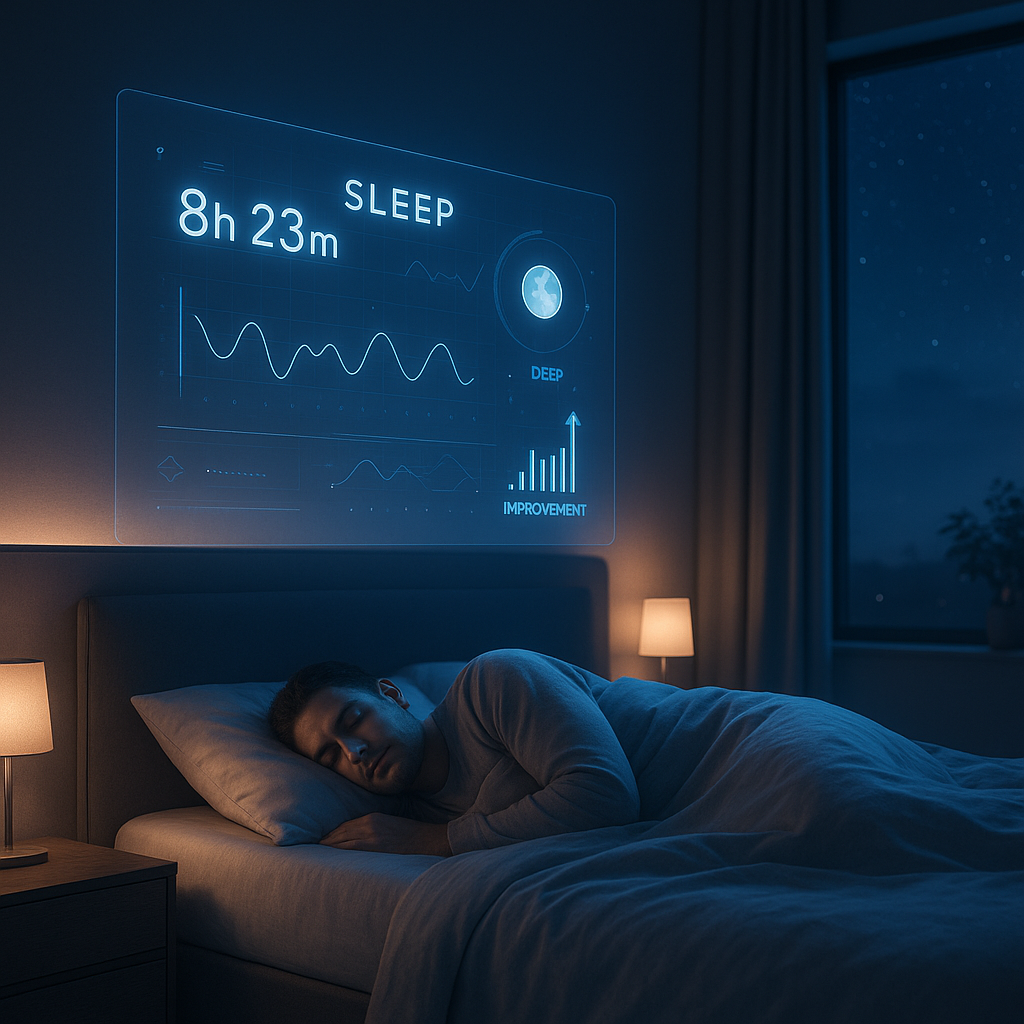
What makes 2026 different from 2016 is not merely the presence of more devices. It is the presence of a data layer connecting them. Wearables track sleep duration, heart rate variability, movement, and in some products overnight oxygen trends. CPAP systems upload usage and efficacy metrics. Telehealth platforms turn those streams into follow-up workflows. Increasingly, software helps clinicians identify who needs outreach first instead of waiting for a scheduled visit months later.
That matters because sleep apnea sits at the intersection of respiratory health, cardiovascular risk, and mental health awareness. Patients with poor sleep often report anxiety, irritability, low energy, and reduced cognitive sharpness. In my corner of health tech, that overlap is impossible to ignore. We have spent years talking about optimization, recovery, and burnout in the wearable era. Sleep apnea brings those conversations back to fundamentals: if breathing is unstable all night, no recovery score can paper over it.
Artificial intelligence is beginning to influence several parts of the pipeline. Algorithmic tools can support signal analysis in sleep studies, detect patterns in home testing, and flag adherence risks from device data. Used carefully, that can increase efficiency. Used carelessly, it can create false confidence. The right role for AI in sleep medicine is assistive, not autonomous. Clinicians still need to interpret symptoms, comorbidities, anatomy, and patient preferences. But the operational upside is real—faster triage, more targeted support, and less administrative drag.
Several trends define the current data-centric model:
- remote monitoring catches problems earlier than sporadic office visits,
- wearables increase symptom awareness before formal diagnosis,
- integrated apps improve patient education and habit formation, and
- analytics help personalize settings instead of relying on generic defaults.
There is a caution here. More data does not automatically mean better care. Consumer devices can generate anxiety if users over-interpret imperfect metrics. Privacy also matters. Sleep data can reveal sensitive information about health status and daily routines. As more platforms enter the market, governance, security, and clinical validation will determine which tools earn trust.
What has changed recently in 2026—and what clinicians are watching next
The most notable development in 2026 is not a single blockbuster device launch. It is the maturation of a multi-modal treatment market. CPAP remains foundational, but it now exists alongside more visible implant therapies, better home diagnostics, richer telemonitoring, and stronger public awareness. Mainstream outlets are covering sleep apnea with more nuance than before, which matters because awareness directly affects diagnosis rates. Patients are hearing that snoring is not merely annoying, daytime fatigue is not always normal, and treatment does not begin and end with one machine style.
Clinicians are also watching how obesity treatment trends may influence sleep apnea management. As weight loss interventions become more prominent, there is growing interest in how body-composition changes alter apnea severity and whether technology can track those improvements in near real time. That does not eliminate the need for direct airway therapy, but it may change long-term treatment strategies for some patients. At the same time, cardiovascular medicine continues to reinforce the stakes. Untreated sleep apnea is increasingly discussed not only as a sleep issue, but as part of a broader cardiometabolic risk profile.
Another 2026 shift is patient expectation. People now assume that health devices should sync, visualize trends, and support remote care. Sleep medicine can no longer operate as an isolated specialty with disconnected equipment and paper-heavy workflows. The winners in this space will be companies and clinics that blend clinical rigor with consumer-grade usability. That is a very Silicon Valley lesson—technology adoption is behavioral before it is technical.
For patients and providers, the near-term watch list is clear:
- more precise matching of therapy to airway anatomy and disease subtype,
- continued improvement in mask comfort and travel convenience,
- better validation of wearable-derived screening signals, and
- deeper integration between sleep platforms and broader cardiometabolic care.
The future of sleep apnea treatment will not be defined by replacing one device with another. It will be defined by reducing the distance between diagnosis, usable therapy, and sustained adherence. That is where the biggest health gains still lie.
What patients can do now to benefit from the technology shift
For all the innovation in this category, the most useful next step for many readers is practical. If you suspect sleep apnea—heavy snoring, witnessed pauses in breathing, waking unrefreshed, morning headaches, persistent daytime sleepiness—seek formal evaluation rather than relying only on consumer sleep scores. Wearables can raise suspicion; they cannot confirm a diagnosis. Once diagnosed, insist on fit and follow-up. A poorly fitted mask or confusing setup is not a minor inconvenience. It is often the difference between treatment success and abandonment.
Patients should also ask better questions than they did a decade ago. Is home testing appropriate? What device data will be monitored remotely? Are there alternative masks to trial? If CPAP fails, what is the pathway for oral appliance evaluation, positional therapy, or implant assessment? This is where modern care is genuinely better than the old model. There are more options, and the technology makes it easier to know whether those options are working.
Just as important, connect sleep apnea treatment to the rest of your health stack. If you track exercise readiness, blood pressure, glucose, or mood, unstable sleep should not be treated as an isolated problem. Restorative sleep influences mental resilience, metabolic control, and cognitive performance. In wellness tech circles, we often obsess over marginal gains. Sleep apnea treatment is not a marginal gain. For the right patient, it is foundational infrastructure.
The field still has unresolved issues—cost, access, insurance friction, and uneven digital literacy among patients. But the direction is unmistakable. Technology is making sleep apnea treatment more individualized, more continuous, and more humane. That is the real breakthrough. Not a futuristic promise, but a better chance that people will actually breathe, sleep, and function the way they are supposed to.


























Sign in to leave a comment.