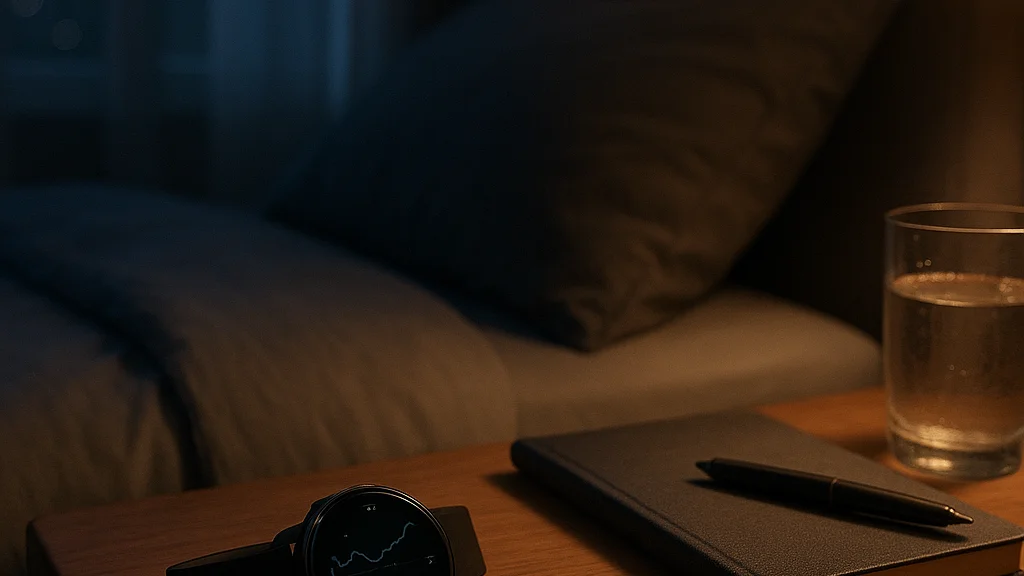

When sleep data becomes the problem
Walk through any Bay Area office in 2026 and you will see the same quiet ritual—people comparing readiness scores, overnight heart rate dips, REM estimates, and “sleep debt” notifications before they have even finished coffee. Sleep tracking has gone mainstream. Apple Watch, Oura Ring, Samsung Galaxy Watch, Fitbit devices, Garmin wearables, smart mattresses, bedside radar sensors, and app-connected alarm clocks now promise a quantified view of the most private third of human life. Yet the central mistake I keep seeing is brutally simple: people assume more sleep data automatically leads to better sleep.
That assumption is shaky. Consumer trackers are useful, but they are not miniature sleep labs. Clinical sleep measurement still relies on polysomnography, which combines brain waves, eye movement, muscle tone, breathing, oxygen saturation, and more. Most consumer devices estimate sleep stages indirectly through motion, heart rate, heart rate variability, skin temperature, and sometimes blood oxygen trends. That is powerful, but it is still inference. If you treat an estimate as a diagnosis, you can build bad habits around imperfect signals.
Stanford and other sleep researchers have long warned about “orthosomnia,” a term used to describe unhealthy preoccupation with perfect sleep metrics. The issue has only intensified as interfaces became slicker and algorithms more persuasive. A number on a dashboard can feel objective—even when it reflects noisy inputs, poor device fit, or a late-night firmware update.
Key insight: Sleep tracking works best as a trend tool, not a nightly verdict on your health, discipline, or worth.
That distinction matters because the same technology that helps one person identify a bedtime pattern can push another into anxiety, fragmented sleep, or overcorrection. For readers who want a broader foundation, WriteUpCafe has already explored the basics in Sleep Tracking Technology and Better Sleep Habits. Here, I want to focus on the mistakes—common, subtle, and increasingly expensive—and on the habits that actually move sleep quality in the right direction.
Mistake No. 1: Treating consumer sleep stages as precise medical truth
The most common misunderstanding is believing that a wearable can tell you, with clinical precision, how much light, deep, and REM sleep you got. It cannot—not in the way a sleep lab can. Consumer devices have improved significantly, especially for detecting whether you are asleep or awake, but stage classification remains less reliable than marketing suggests. Reviews and comparative testing routinely show decent performance for total sleep time and sleep-wake detection, yet wider variation for deep sleep and REM estimates.
This is not a failure of engineering so much as a limitation of the sensing environment. A ring or watch does not directly measure brain activity. It infers stages from physiological proxies. Those proxies are meaningful, but they are influenced by alcohol, illness, stress, room temperature, late exercise, medication, and simple sensor placement. If your watch is loose, worn on the wrong wrist setting, or low on battery, the estimate may drift further.
The practical danger comes when users make sweeping conclusions from a single night. One rough score becomes “I have a sleep disorder.” One low REM estimate becomes “My brain is not recovering.” One bad dashboard becomes “I need supplements, a new mattress, blackout curtains, and a $300 sunrise clock immediately.” That is how wellness tech turns into expensive confusion.
- Better use case: compare trends over two to four weeks rather than obsessing over one night.
- Better question: does the data line up with how alert, calm, and functional you feel during the day?
- Better threshold: seek medical evaluation for persistent symptoms—snoring, gasping, daytime sleepiness, insomnia—not just a disappointing app score.
According to the American Academy of Sleep Medicine, consumer sleep technology can support awareness, but it should not replace clinical evaluation when symptoms point to an actual disorder. That is the framing users need. A tracker is a flashlight, not a diagnosis engine.
Mistake No. 2: Wearing the device incorrectly—or choosing the wrong form factor
Hardware choice matters more than many buyers realize. In Silicon Valley product circles, sleep wearables are often discussed as if they are interchangeable. They are not. Watches, rings, under-mattress sensors, and bedside devices all make different tradeoffs in comfort, battery life, signal quality, and overnight behavior. If the device itself disrupts sleep, the tracking can become self-defeating.
A recent BGR comparison of smart rings and smartwatches highlighted a point many sleep clinicians and reviewers have made for years: rings are often more comfortable overnight, while watches may offer broader daytime functionality but can feel bulky in bed. That comfort gap matters because a restless user who removes a watch at 2 a.m. does not get meaningful data. The same applies to bands worn too tight, too loose, or over tattoos that can affect optical readings.
Apple Watch users face a separate tradeoff—battery management. If you charge the watch overnight, you lose sleep data. If you wear it overnight without adjusting charging routines, you may wake up to low battery and inconsistent tracking. An MSN piece on Apple Watch habits that reduce sleep tracking accuracy underscored practical issues such as inconsistent Sleep Focus settings and poor wear habits.
Common setup errors include:
- Wearing a watch loosely enough to let the optical sensor shift during the night.
- Using an incorrect personal profile—age, weight, dominant wrist, or resting heart rate assumptions.
- Ignoring software updates that improve algorithms.
- Switching devices frequently, then comparing scores as if they use the same methodology.
- Sleeping with a nearly depleted battery, which can truncate or corrupt data.
The better habit is to choose the least intrusive system you will actually use consistently for months. For some people that is a ring. For others it is a bedside device that avoids body-worn discomfort. Consistency beats gadget prestige every time.
Rule of thumb: The best sleep tracker is the one that collects stable data without making you think about it while you are trying to sleep.
Mistake No. 3: Chasing a score instead of fixing behavior
One of the stranger developments in wellness tech is how quickly a sleep score can become a moral score. People wake up, see 72 instead of 88, and begin the day already feeling behind. That emotional reaction is not trivial. It can shape stress, caffeine use, workout decisions, and bedtime expectations the following night. If you start to believe the number more than your body, you can create a feedback loop that worsens sleep.
This is why several newer products are trying to soften score obsession. USA Today recently reported on the Hatch Sleep Clock, describing a device positioned less as a judgment machine and more as a behavior-support system. The company’s framing is notable because it signals a broader 2026 shift in the market—from raw quantification toward coaching, environment design, and gentler nudges. You can read that coverage in USA Today’s report on the Hatch Sleep Clock. Yahoo Finance also covered the launch and emphasized the product’s “not give you a score” positioning in its introduction of the Hatch Sleep Clock.
That strategic pivot makes sense. The strongest evidence-backed sleep interventions are still behavioral: regular wake times, light exposure, reduced evening stimulation, moderated alcohol intake, and a cooler, darker sleep environment. A dashboard can reveal patterns, but it cannot substitute for habits.
When users over-focus on scores, they often miss the high-value basics:
- A consistent wake time stabilizes circadian rhythm better than an inconsistent bedtime chase.
- Morning outdoor light helps anchor the body clock and can improve nighttime sleep onset.
- Alcohol may shorten sleep latency for some people, but it often fragments the second half of the night.
- Late heavy meals, intense evening exercise, and excessive screen brightness can all distort both sleep and the device’s interpretation of it.
If you want a stronger framework for using data without becoming captive to it, WriteUpCafe’s Advanced Sleep Tracking Strategies for Better Sleep Habits is a useful companion read. The key is to let the technology point toward behavior change, not replace behavior change with endless monitoring.
Mistake No. 4: Ignoring what trackers measure poorly—especially breathing problems
Sleep trackers are often marketed with wellness language broad enough to imply comprehensive oversight. That can create a dangerous blind spot around conditions they are not equipped to catch reliably. Sleep apnea is the clearest example. Some wearables now estimate blood oxygen trends, detect snoring through paired phones, or flag possible breathing disturbances. Those features can be useful prompts. They are not definitive screening tools.
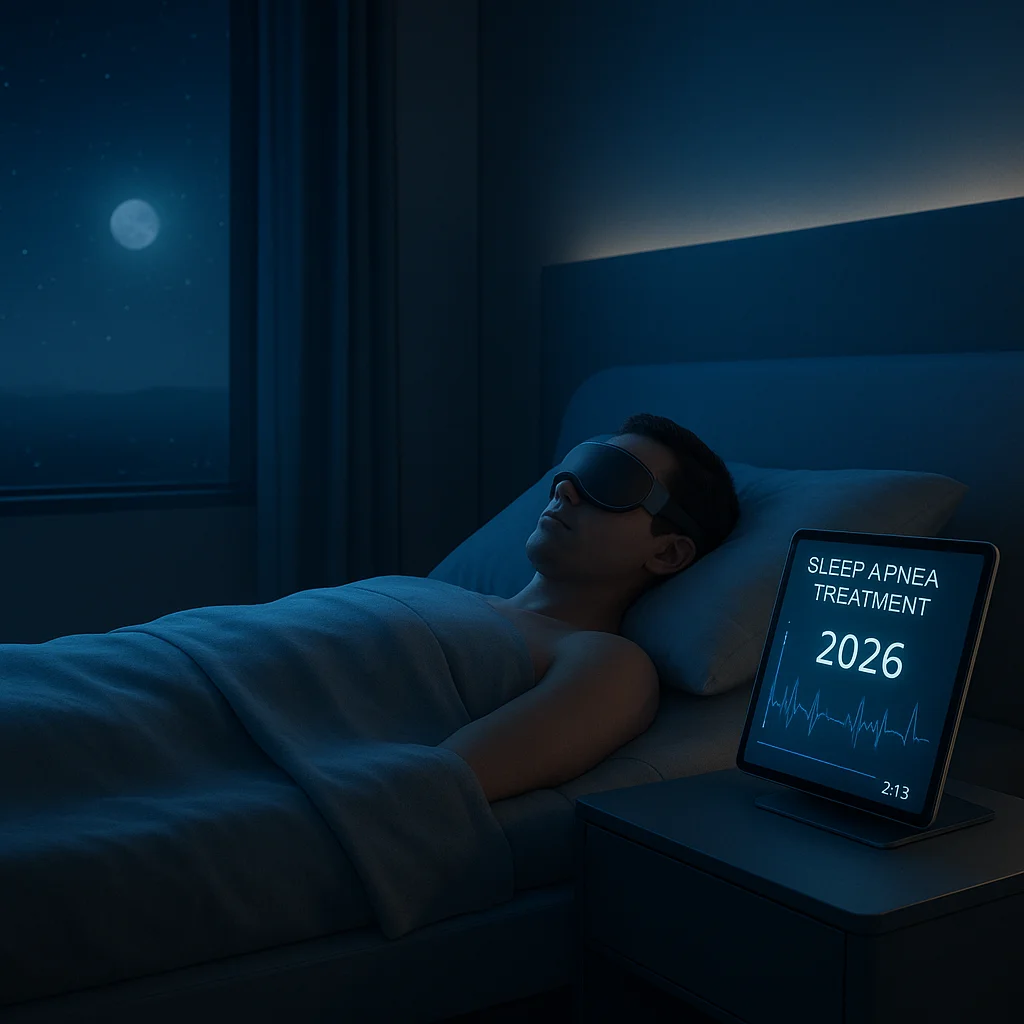
Obstructive sleep apnea remains common and underdiagnosed. Repeated breathing interruptions can raise cardiovascular risk, impair cognition, worsen mood, and leave users exhausted despite spending enough hours in bed. A wearable may hint that something is off—frequent awakenings, elevated overnight heart rate, low readiness, suspicious oxygen patterns—but it cannot confirm the disorder. Nor should a “good” sleep score reassure someone who snores heavily, wakes gasping, has morning headaches, or falls asleep unintentionally during the day.
The same caution applies to insomnia. A tracker can tell you when you were still and when your pulse changed; it cannot fully capture the subjective experience of lying awake, worrying, and sleeping lightly enough to feel unrested. Some users even become more distressed when tracker data seems to contradict their experience. That mismatch can intensify hypervigilance, which is already a core feature of chronic insomnia.
Better sleep technology use means knowing when to escalate beyond consumer tools. Seek professional evaluation if you notice:
- Loud chronic snoring or witnessed breathing pauses.
- Persistent daytime sleepiness despite adequate time in bed.
- Frequent nighttime choking, panic, or unexplained awakenings.
- Insomnia lasting weeks rather than a few bad nights.
- Restless legs symptoms, unusual movements, or dream enactment behaviors.
The healthiest relationship with sleep data is one that respects its limits. Use the device to spot patterns. Use clinicians to investigate symptoms. Mixing up those roles is one of the most consequential mistakes in this category.
What has changed in 2026: sleep tech is moving beyond the wrist
The sleep tech market in 2026 looks different from the first wave of step-counter-era wearables. The current trend is ambient, less invasive, and more ecosystem-driven. Instead of asking users to interpret endless charts, companies are trying to blend passive sensing with behavioral guidance—smart lighting, temperature cues, adaptive alarms, audio routines, and bedroom automation. The shift reflects a maturing understanding that sleep is not just a biometric event; it is an environment plus a routine.
The Milwaukee Journal Sentinel recently highlighted a range of 2026 sleep gadgets, from wearable trackers to bedside systems and environmental devices, in its roundup of sleep tech gadgets. That breadth matters. The category is no longer dominated by wrist wearables alone. Smart rings continue to gain traction because they are easier to tolerate overnight. Bedside clocks and non-contact sensors are also appealing to users who want fewer screens on the body.
Another notable shift is the design language around mental health. More companies are now careful not to trigger performance anxiety. That is a welcome development. In my own reporting and consulting conversations around wellness tech, I hear the same concern repeatedly: consumers want insight, but they do not want to be graded every morning. That tension is steering product design toward softer feedback loops—habit prompts, trend summaries, and contextual recommendations instead of nightly score maximalism.
Meanwhile, platform integration is getting tighter. Sleep data now feeds into recovery recommendations, training plans, menstrual health insights, stress dashboards, and even workplace wellness programs. That creates a new challenge: when one imperfect sleep estimate influences multiple downstream recommendations, small inaccuracies can cascade. A bad night reading may cause a device to lower your training target, push mindfulness prompts, or warn about recovery debt even if the underlying signal was noisy.
For a broader 2026 perspective, readers can compare this article with How Sleep Tracking Technology Shapes Better Sleep Habits in 2026. The big takeaway is that the market is getting smarter—but also more persuasive. Users need sharper judgment, not just better hardware.
The better habits that matter more than any wearable
If sleep tracking is only one tool, what should sit at the center? The answer is still old-school sleep hygiene, updated with modern circadian science. This is where technology can help if used with restraint. The best systems reinforce healthy routines rather than turning every night into a performance review.
Start with timing. Regularity is underrated because it looks boring on a dashboard, but it is foundational. Going to bed at wildly different times and sleeping in on weekends can create a social jet lag effect that no readiness score will solve. A steady wake time—within roughly the same 30 to 60 minute window—often produces more improvement than chasing an ideal bedtime that shifts constantly.
Light is the next lever. Morning sunlight exposure remains one of the most effective circadian anchors available, and it is free. Conversely, bright overhead light and stimulating screens close to bedtime can delay sleep onset in sensitive users. If you use tech at night, reduce brightness, limit emotionally activating content, and avoid turning the bed into a productivity zone.
Temperature and substance use also matter. Cooler bedrooms generally support sleep onset and continuity. Alcohol remains one of the most misunderstood sleep disruptors in consumer wellness culture—it may make some people sleepy, but it commonly worsens sleep architecture and increases nighttime awakenings. Caffeine timing matters too; for slower metabolizers, an afternoon coffee can still influence sleep hours later.
A practical routine looks like this:
- Wake at a consistent time, even after a poor night.
- Get outdoor light soon after waking when possible.
- Exercise regularly, but avoid very intense sessions too close to bedtime if they keep you wired.
- Keep the bedroom cool, dark, and quiet.
- Use the bed primarily for sleep and intimacy—not doomscrolling, email, or late-night work.
- Review sleep data weekly, not obsessively every morning.
These habits sound less futuristic than a polished app interface. They also work better. Technology is most valuable when it supports adherence to these basics, not when it distracts from them.
How to read your sleep data like an adult, not a hostage
The smartest users I know treat sleep dashboards the way experienced investors treat markets: they look for patterns, ignore daily noise, and avoid emotional overreaction. That mindset is especially important because sleep is inherently variable. Stressful deadlines, travel, menstrual cycle changes, illness, parenting, alcohol, room temperature, and training load all influence the night. Expecting a perfect score every morning is not realistic biology; it is software-conditioned perfectionism.
Here is a more disciplined way to interpret data. First, establish a baseline over at least two weeks. Second, compare the device’s trends with subjective markers—energy, mood, focus, workout tolerance, irritability, and afternoon sleepiness. Third, change one variable at a time. If you shift bedtime, stop alcohol, and buy a new pillow in the same week, you will not know what helped.
Use your tracker to answer grounded questions:
- Do I sleep better when I stop caffeine by noon instead of 3 p.m.?
- Does a consistent wake time improve my total sleep over two weeks?
- How much does alcohol affect my overnight heart rate and awakenings?
- Do travel days, late meetings, or heavy dinners show up clearly in my trends?
- Am I actually improving daytime function, or only improving a score?
This last question is the one that matters most. Sleep is not a hobby. It is a biological process that supports cognition, metabolic health, mood regulation, immune function, and long-term cardiovascular resilience. If your numbers look prettier but you feel worse, the system is not serving you.
Another useful test: If checking your sleep app makes you more anxious than informed, your tracking routine needs a reset.
That may mean hiding certain metrics, switching to weekly summaries, or even taking a break from tracking for a few weeks. Counterintuitive, yes—but sometimes the healthiest sleep tech decision is to use less of it.
A realistic way forward for sleep tech users
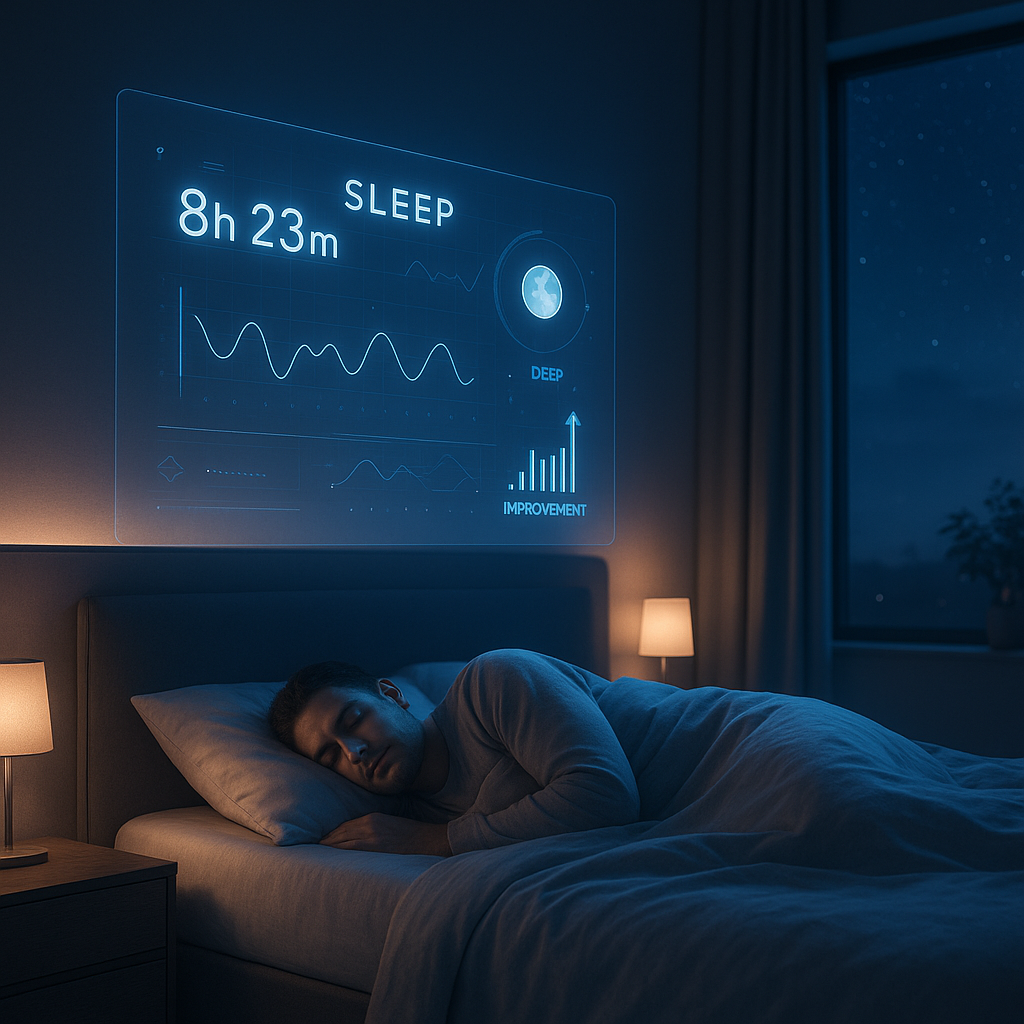
Sleep tracking is not hype. It can be genuinely helpful. It can reveal inconsistent schedules, show the physiological cost of alcohol, flag the impact of stress, and motivate healthier routines. It can also become a source of false certainty, compulsive checking, and misplaced trust. The difference comes down to expectations and behavior.
If you are buying or using sleep technology in 2026, think in layers. The first layer is comfort and consistency—can you wear or use it every night without disruption? The second is signal quality—does it capture enough stable data to show trends? The third is interpretation—are you using the information to test habits, or just collecting digital guilt? The fourth is escalation—do you know when symptoms require a clinician rather than another gadget?
That layered approach is where the industry should be heading. The most promising products are not the ones that promise omniscience. They are the ones that quietly help users sleep better while respecting uncertainty. In other words, the future of sleep tech may be less about surveillance and more about intelligent restraint.
If you want one final principle to keep from all this, make it simple: use technology to support your circadian biology, not to argue with it. Sleep improves when routines stabilize, light exposure aligns, stimulation drops, and anxiety eases. A wearable can illuminate those levers. It cannot pull them for you.
That is the central correction to the modern sleep-tracking mindset. Better data is useful. Better habits are decisive.



























Sign in to leave a comment.