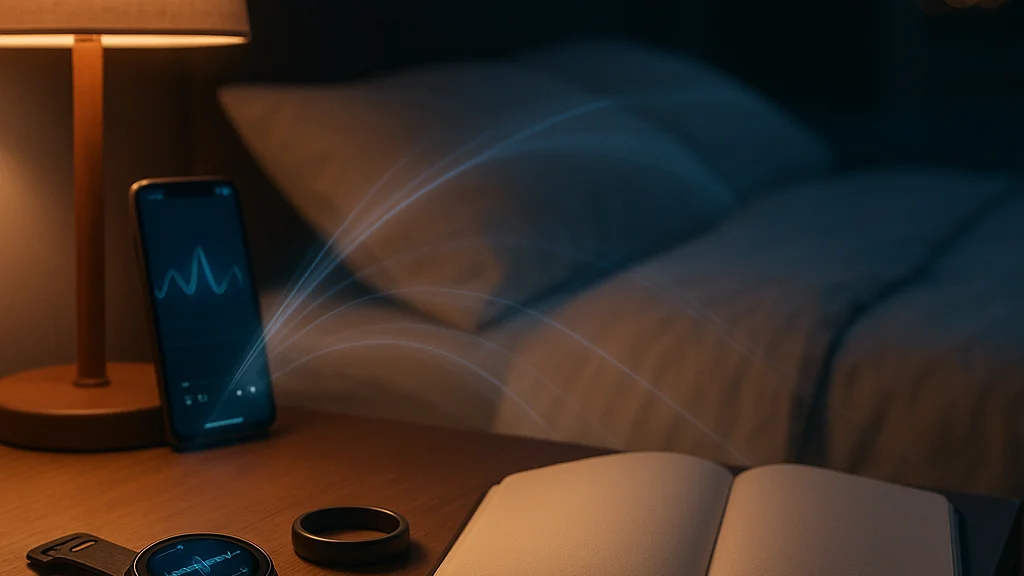

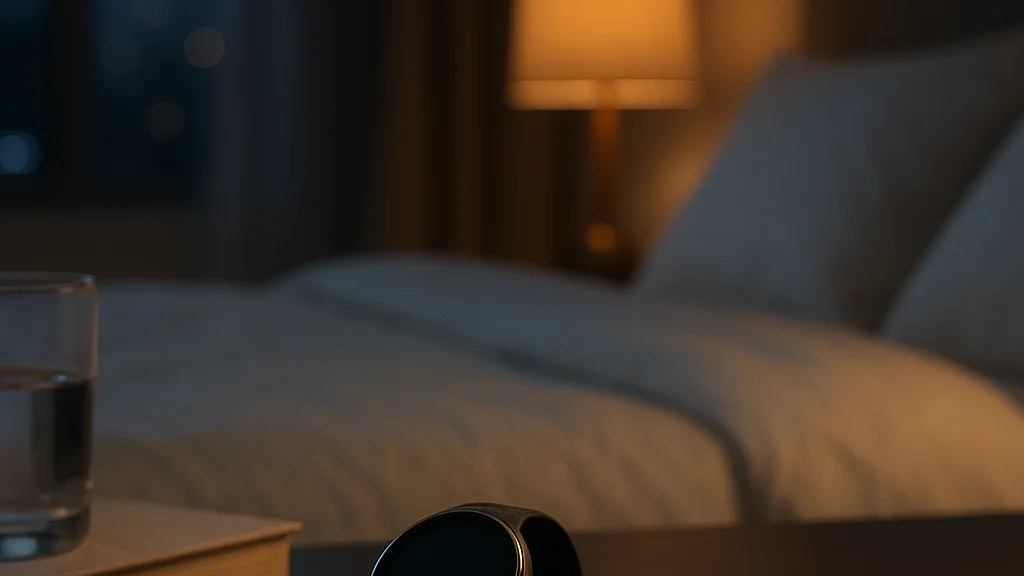
At 2:17 a.m., a wristband glows faintly in the dark while its wearer turns over for the fourth time. By morning, the app will convert those restless hours into neat labels; light sleep, deep sleep, REM, disturbances, readiness. The appeal is obvious. Sleep used to be one of the least visible parts of health; now it arrives as charts, scores, trend lines, and nudges. For millions of people, that visibility feels empowering. Yet the most important question is not whether your device can generate more data; it is whether the data helps you sleep better.
That distinction matters more in 2026 than it did even a few years ago. Sleep tracking has expanded from premium smartwatches to rings, bedside devices, smart mattresses, sunrise clocks, and increasingly sophisticated mobile ecosystems. Publications such as talkandroid.com’s review of sleep tech in 2026 and BGR’s roundup of leading wearables for sleep tracking reflect how crowded and mature the market has become. The conversation has shifted from novelty to utility; consumers want to know which signals are meaningful, which claims are marketing, and how to turn nightly metrics into healthier routines.
From Pune to Bengaluru, this trend has also met a distinctly Indian concern: many households are spending more on rest because they are sleeping worse, not better. A recent report carried by Hindustan Times on MSN highlighted experts urging people to fix the basics before chasing every new gadget. That advice is wise. Technology can support sleep; it cannot replace circadian rhythm, stress management, or a bedroom that is genuinely restful.
Sleep data is only useful when it changes behavior; otherwise, it becomes another source of anxiety.
The strongest sleep technology today works best as a mirror rather than a miracle. It can reveal patterns you would otherwise miss; late dinners, erratic bedtimes, alcohol-related fragmentation, overheating, or the subtle cost of doomscrolling. But the real gains come from habit change. Readers exploring related perspectives may also find value in Sleep Tracking Technology and Smarter Better Sleep Habits and Complete Guide to Sleep Tracking Tech and Better Sleep, both of which underline the same central truth: better sleep is built, not bought.
How sleep tracking became mainstream health technology
Sleep tracking did not begin as a polished wellness category. Early consumer devices relied heavily on movement; if you were still, they often assumed you were asleep. That was a useful starting point, but hardly a clinical portrait of the night. Over the past decade, the field improved by combining accelerometers with optical heart-rate sensors, heart-rate variability estimates, skin temperature, respiratory trends, blood oxygen readings on some devices, and environmental sensing. This fusion of signals allowed consumer products to move beyond rough duration counts toward more nuanced sleep staging and recovery insights.
What changed the market was not only better sensing but better storytelling. Device makers learned that people respond to understandable summaries; sleep score, readiness score, bedtime consistency, and recovery status. A chart is easier to act on than a raw stream of heart-rate variability values. Brands also started embedding coaching into the experience. Instead of merely announcing that sleep was poor, apps began suggesting earlier wind-down routines, reduced caffeine timing, or more consistent wake-up schedules.
Bedside products have become another important branch of the category. The Hatch ecosystem, for example, has attracted attention for making sleep support feel less clinical and more ambient. Coverage from AOL on the Hatch Sleep Clock and product reporting from TWICE show how the category is evolving toward a blend of light, sound, routine, and tracking rather than a single sensor strapped to the body.
India’s role in this shift is especially interesting. Urban professionals, students, and shift workers have embraced wearables quickly, but their sleep challenges are shaped by local realities; long commutes, late dinners, dense city noise, heat, family caregiving, and digital overwork. Ayurveda has long emphasized dinacharya, or daily rhythm, and the modern sleep-tech movement is, in some ways, rediscovering that old principle through sensors and apps. The idea is familiar even if the packaging is new: the body thrives on regularity.
- First generation: movement-based sleep estimation through basic actigraphy.
- Second generation: heart-rate and heart-rate variability added for richer pattern detection.
- Third generation: temperature, respiration, environmental monitoring, and AI-driven coaching.
- Current phase: integrated ecosystems combining wearables, bedside devices, alarms, and behavioral prompts.
The result is a category that now sits at the intersection of consumer electronics, preventive health, and digital therapeutics. That is why the stakes are higher. A sleep tracker is no longer just a gadget; for many users, it has become a daily health advisor.
What today’s devices actually measure; and where they still fall short
Most consumer sleep trackers estimate sleep by combining several indirect signals. Movement remains foundational; when your body becomes still for a sustained period, the device marks likely sleep onset. Optical sensors then add pulse data, which helps infer transitions between lighter and deeper stages. Some wearables incorporate skin temperature trends and breathing irregularities. Bedside devices and smart mattresses may track motion, snoring, room temperature, and ambient noise without requiring anything to be worn. Each method has strengths, but none should be mistaken for a full clinical sleep study.
That distinction is crucial because the gold standard for diagnosing sleep disorders remains polysomnography, usually performed in a lab or through validated home testing under medical supervision. Consumer devices can be directionally useful; they are not diagnostic instruments for insomnia, sleep apnea, or parasomnias. If a tracker shows repeated oxygen dips, loud snoring, fragmented sleep, or severe daytime fatigue alongside poor nightly readings, the right next step is a physician or sleep specialist, not endless app refreshing.
Still, today’s devices are far from trivial. They can be very good at identifying behavioral patterns over time. If your resting heart rate stays elevated after late-night alcohol, if your deep sleep appears shorter after heavy meals, or if your total sleep time improves when you maintain a fixed wake-up hour, that pattern recognition can be genuinely valuable. In practical terms, the best consumer devices answer trend questions better than absolute ones.
Consumer sleep trackers are most reliable as pattern detectors across weeks, not as judges of a single bad night.
Several limitations persist in 2026. Sleep stages can vary across brands because each company uses proprietary algorithms. Firmware updates sometimes change how nights are scored, making month-to-month comparisons less stable than users assume. Wrist-worn devices can misread still wakefulness as sleep; rings may fit differently with temperature shifts; mattress sensors can be influenced by bed partners, pets, or children. Even the most advanced systems can overstate precision.
- Best use case: identifying consistent bedtime, wake-time, and recovery patterns.
- Moderate use case: estimating sleep duration, disturbances, and physiological stress trends.
- Poor use case: self-diagnosing a medical sleep disorder from app scores alone.
- Common mistake: treating nightly stage percentages as exact rather than estimated.
For readers who want a broader scientific framing, Sleep Tracking Technology and the Science of Better Sleep offers a useful companion perspective. The core lesson is simple; sleep technology is informative when interpreted with humility.
From numbers to habits: the behavior changes that matter most
The most effective sleep tracker is not necessarily the one with the most sensors. It is the one that helps you change what happens in the two hours before bed and the first hour after waking. This is where many users stumble. They become fluent in data but inconsistent in routine. A sleep score can feel productive even when no actual behavior improves.
Better sleep habits are remarkably unglamorous. Regular wake times remain one of the strongest anchors of circadian health. Morning light exposure helps set the body clock. Evening light reduction, especially from bright overhead LEDs and prolonged phone use, supports melatonin timing. Heavy meals late at night, alcohol close to bedtime, and caffeine in the afternoon or evening can all degrade sleep quality even if total time in bed looks acceptable. Trackers often expose these effects more clearly than memory does.
In Indian households, there are additional opportunities that technology can reinforce rather than replace. A lighter dinner eaten earlier; a short post-meal walk; reduced exposure to noisy entertainment late at night; and calming routines such as gentle stretching, pranayama, or a warm bath can all improve readiness for sleep. Ayurveda’s emphasis on regularity, digestion, and calming the nervous system aligns surprisingly well with what modern wearables now flag as helpful patterns.
The key is to use metrics as prompts for experiments. If your app shows repeated sleep fragmentation, test one variable at a time for a week; earlier dinner, cooler room, no late caffeine, or a stricter screen curfew. Compare trends, not one-off nights. Smart alarms, sunrise lights, and bedtime reminders can support this process, especially for people whose schedules drift easily. The Hatch model of pairing light and routine with tracking is one example of how devices are moving toward behavior design rather than passive measurement alone.
- Keep wake time within a 30-minute window, even on weekends.
- Get outdoor light within the first hour after waking when possible.
- Stop caffeine at least 8 hours before planned bedtime if you are sensitive.
- Finish heavy meals 2 to 3 hours before sleep.
- Use your tracker to test one habit change at a time for 7 to 14 days.
- Review weekly trends; ignore the temptation to obsess over one poor score.
That last point deserves emphasis. A bad night is part of life. The danger begins when people chase perfect sleep so aggressively that they create new stress around bedtime. Experts increasingly refer to this as orthosomnia; the unhealthy pursuit of ideal sleep metrics. Technology should lower friction, not raise pressure.
What changed recently in 2026: smarter ecosystems, sharper questions
By 2026, sleep tech is no longer defined by a single device category. Wearables remain dominant, but the market has widened into ecosystems that connect rings, watches, bedside clocks, environmental sensors, and subscription-based coaching. Reporting from talkandroid.com captures this broader shift well; smart mattresses and non-contact systems are now serious alternatives for people who dislike wearing devices overnight. That matters because adherence is often overlooked. The best tracker on paper is useless if it ends up on a bedside table after three nights.
Another notable development is the rise of contextual sleep coaching. Instead of simply reporting “poor recovery,” newer platforms increasingly interpret the likely cause; late workout timing, elevated room temperature, travel-related circadian disruption, or alcohol-linked heart-rate elevation. Some systems now compare sleep against menstrual-cycle trends, shift-work schedules, or training loads, which makes the guidance more individualized. The direction of travel is clear; less raw data, more actionable context.
There is also more consumer awareness of the difference between wellness support and medical validation. This is healthy. As media coverage has matured, so has skepticism. The Hindustan Times report on MSN highlighted experts warning that people may be “losing sleep over sleep” by overinvesting in products while neglecting basics. That caution reflects a broader 2026 mood; consumers want usefulness, not techno-mysticism.
Pricing and segmentation have changed as well. Premium rings and advanced watches still occupy the top tier, but affordable trackers and subscription bundles have expanded access. Bedside solutions such as smart clocks, guided audio, and sunrise alarms have become attractive for families, older adults, and users who do not want biometric wearables. The Hatch Sleep Clock coverage from AOL and TWICE illustrates how this branch of the market is positioning itself; sleep support as an environment, not just a score.
Meanwhile, privacy questions have become harder to ignore. Sleep data can reveal stress, illness patterns, routines, and household behavior. As platforms gather more intimate biometric information, users should pay attention to how that data is stored, shared, and monetized. Sleep is deeply personal. The convenience of insight should not erase the value of consent.
Who benefits most from sleep tracking; and who should be cautious
Not every person needs a sleep tracker. Some people already sleep well, maintain stable routines, and feel rested during the day. For them, a device may add curiosity but not much practical benefit. Others, however, can gain a great deal. Shift workers, frequent travelers, athletes, new parents, peri-menopausal women, students under irregular academic pressure, and professionals juggling late-night screen exposure often struggle with patterns that are hard to see without data.
For athletes and regular exercisers, recovery metrics can help separate fatigue from laziness. If a tracker repeatedly shows elevated overnight heart rate and reduced sleep quality after intense evening training, moving workouts earlier may improve both performance and rest. For people with demanding jobs, seeing the cumulative effect of inconsistent bedtimes can be a powerful wake-up call. In that sense, sleep trackers are less about precision medicine and more about accountability.
There are also groups who should approach the category carefully. People prone to health anxiety may find nightly scoring destabilizing. Those with insomnia sometimes become hypervigilant, checking metrics immediately upon waking and feeling worse if the app reports poor sleep, even when they function adequately. This can create a feedback loop; more worry, more arousal, poorer sleep. For such users, a non-scoring bedside routine tool may be better than a deeply quantified wearable.
Parents should also be realistic about children and teens. Household sleep problems are often environmental and behavioral; erratic schedules, late homework, device use in bed, and overstimulation. A tracker may help older adolescents notice patterns, but no wearable can substitute for family rules around bedtime, light exposure, and school-night consistency.
The right sleep technology reduces guesswork; the wrong sleep technology increases self-surveillance.
If daytime sleepiness is severe, snoring is loud and persistent, witnessed breathing pauses occur, or morning headaches are frequent, medical evaluation matters more than consumer optimization. Technology can raise a flag; it should not become a detour away from care.
How to choose sleep tech that genuinely improves sleep
Choosing a device starts with honesty about your problem. If your main issue is irregular routine, a smart clock or app-led bedtime structure may help more than an expensive ring. If you want trend data tied to exercise and recovery, a wearable makes more sense. If you dislike anything on your wrist while sleeping, a mattress or bedside sensor may be the practical option. The wrong form factor is one of the main reasons promising devices go unused.
The next question is which metrics you will actually act on. Many consumers pay for advanced dashboards they never interpret. Focus on a few high-value signals; total sleep time, bedtime consistency, resting heart-rate trend, overnight disturbances, and perhaps temperature or respiration if those features are relevant to your health context. More data is not always more clarity.
Media roundups can help narrow options. BGR’s survey of notable sleep-tracking wearables is useful for understanding the current range of mainstream devices, from smartwatches to rings. Coverage of Hatch by AOL and TWICE is relevant for readers who prefer ambient sleep support over body-worn sensors. Internal explainers such as Sleep Tracking Technology for Better Sleep Habits and How Sleep Tracking Technology Shapes Better Sleep Habits in 2026 can also help frame the decision around use case rather than hype.
- Decide whether you need a wearable, bedside device, or environmental tool.
- Check battery life and comfort; overnight compliance matters more than feature count.
- Prefer platforms that present weekly and monthly trends clearly.
- Look for coaching that suggests specific behavior changes, not just scores.
- Review privacy settings and subscription costs before buying.
- Avoid products that imply medical certainty without proper validation.
One practical rule I often recommend is this; buy the least complicated technology that solves your actual problem. A sunrise clock for delayed wake times, a ring for recovery trends, or a mattress sensor for a non-wearable experience may each be right for different people. Precision is useful. Simplicity is often transformative.
The future of sleep health is not perfect tracking; it is wiser living
The future of sleep technology will almost certainly involve better algorithms, more passive sensing, and tighter integration with broader health platforms. Devices will get better at recognizing personal baselines rather than comparing everyone to generic norms. We are likely to see more context-aware coaching, stronger links between sleep and mental health monitoring, and more personalized recommendations around stress, exercise, and circadian timing. Those advances are welcome; but they should not distract from the oldest truth in sleep medicine.
Sleep is a behavior before it is a metric. The body needs darkness, regularity, safety, and enough time. It needs a nervous system that can downshift. It responds to morning light, stable meals, manageable stress, and an environment that is cool, quiet, and calm. Technology can illuminate these needs beautifully; it cannot negotiate with biology.
For readers building a realistic plan, the smartest approach is modest and disciplined. Track for trends. Change one habit at a time. Use the data to ask better questions rather than to issue harsh verdicts on yourself. If a device helps you notice that your best nights follow an earlier dinner, a screen curfew, and a consistent wake-up time, then it has done its job. If it leaves you tense, dependent, or confused, scale back.
There is a quiet wisdom here that both modern science and older Indian wellness traditions would recognize. Health improves when rhythm improves. Whether your guide is a ring, a sunrise clock, a breathing routine, or simply the discipline to put your phone away before bed, the destination is the same; a night that restores rather than merely passes.
That is why sleep tracking technology matters. Not because it can make sleep perfect, but because, used well, it can make our habits more honest. And honest habits are where better sleep begins.



























Sign in to leave a comment.