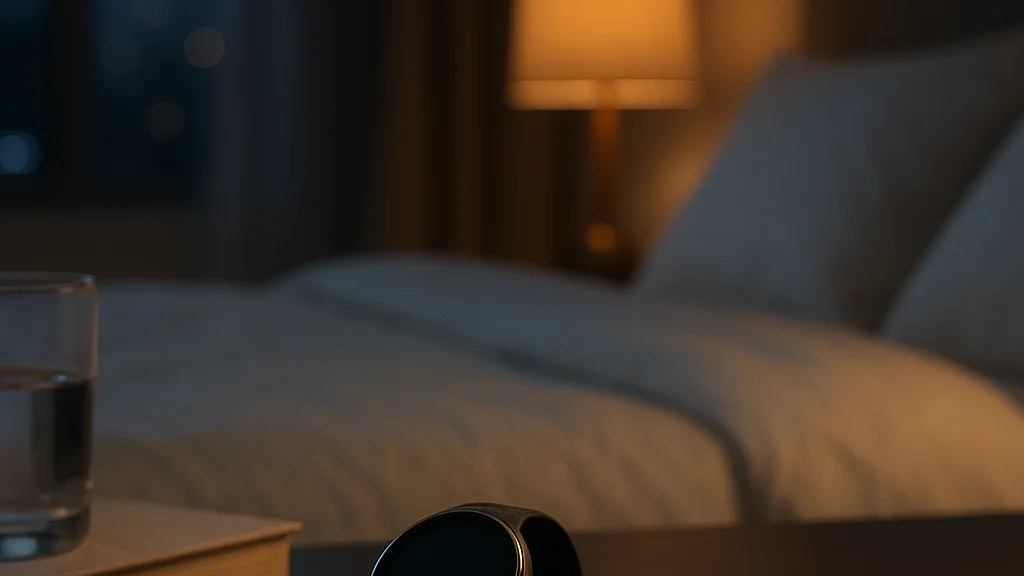

At 6:15 a.m., a wearable buzzes on a wrist in Baner, Pune. Its app reports seven hours and twenty-two minutes of sleep, a resting heart rate of 58, and a readiness score that looks reassuringly green. Yet the person wearing it wakes foggy, irritable, and unconvinced. That tension; between what the body feels and what the dashboard says; captures the promise and the problem of sleep tracking technology. We now have rings, watches, bedside radars, smart mattresses, and phone apps claiming to decode the night. Some do offer useful signals. None can replace lived experience, clinical evaluation, or disciplined sleep habits.
Sleep has become measurable in a way it was not a decade ago. Consumer devices estimate sleep duration, sleep stages, movement, skin temperature, blood oxygen trends, heart rate variability, and even snoring. According to the Centers for Disease Control and Prevention, insufficient sleep remains a public health concern, while the American Academy of Sleep Medicine has repeatedly emphasized that consumer devices are not diagnostic tools. That distinction matters. A tracker can help you spot patterns; it cannot, by itself, diagnose insomnia, sleep apnea, restless legs syndrome, narcolepsy, or circadian rhythm disorders.
The market has matured quickly. Smart rings have moved from niche curiosity to mainstream wellness gear; smartwatches now pair sleep data with training load and stress; non-wearable systems are appealing to people who dislike sleeping with hardware on the body. Coverage in Stuff, BGR, and USA Today shows how broad the category has become in 2026. Still, better sleep rarely comes from buying more gadgets. It comes from using the right tool, reading it correctly, and changing behavior with patience. For readers who want a practical foundation, WriteUpCafe has also explored this overlap in Sleep Tracking Technology and Smarter Better Sleep Habits and Sleep Tracking Technology and the Science of Better Sleep.
Sleep trackers are best understood as pattern detectors, not truth machines.
How sleep tracking technology actually works
Most consumer sleep trackers do not “see” sleep directly. Instead, they infer it from signals that are easier to measure. A smartwatch or ring uses accelerometers to detect movement; optical sensors estimate heart rate and heart rate variability by shining light into the skin; some devices measure skin temperature trends; others include pulse oximetry for blood oxygen estimates. Bedside systems and under-mattress sensors rely on motion, breathing patterns, and ballistocardiography, which captures tiny body movements associated with heartbeats and respiration. Smartphone-only apps usually depend on movement and sound; they are the least robust option for serious tracking because the phone’s position, mattress type, room acoustics, and bed partner can all distort readings.
Algorithms then classify these signals into wake, light sleep, deep sleep, and REM sleep. This is where marketing often outruns science. The gold standard for measuring sleep architecture remains polysomnography; the overnight test used in sleep labs that records brain waves, eye movements, muscle activity, breathing, and more. Consumer devices cannot match that level of precision because they do not record electroencephalography in routine home use. They can, however, be reasonably good at estimating total sleep time and identifying broad trends over many nights.
Wearables have strengths and weaknesses that are easy to miss. Rings are comfortable and often preferred for overnight use because they are light, discreet, and less likely to need charging at bedtime. Watches provide richer daytime context; exercise, stress, and recovery; but can be bulkier, more distracting, and easier to wear incorrectly. BGR’s comparison of smart rings and smartwatches notes that comfort and battery life often tilt users toward rings for sleep, while watches remain stronger all-day companions. Non-wearables appeal to older adults, light sleepers, and anyone who dislikes contact sensors, though they may struggle with co-sleepers, pets, or soft mattresses.
What matters most is consistency. A high-quality device worn loosely one night, tightly the next, charged at random, and paired with irregular routines will create noisy data. If you want the numbers to mean something, the conditions around measurement must be stable.
- Movement data helps estimate sleep onset, awakenings, and restlessness.
- Heart rate and heart rate variability can reflect recovery, alcohol intake, stress, illness, or overtraining.
- Skin temperature trends may flag menstrual cycle changes, illness, or room discomfort.
- Blood oxygen trends can be useful context, but they are not a diagnosis of sleep apnea.
- Audio features may capture snoring, coughing, or environmental noise, but privacy and accuracy vary.
What the data can tell you; and what it cannot
The most useful sleep metrics are often the least glamorous. Total sleep time, bedtime regularity, wake time consistency, sleep onset latency, and the number of long awakenings are usually more actionable than obsessing over whether deep sleep was 82 minutes or 96. Night-to-night stage estimates can swing for reasons that have little to do with your actual brain state. A late dinner, alcohol, a hot bedroom, a firmware update, or simply sleeping on your arm can alter the signal enough to change the graph.
Where trackers shine is trend analysis. If your resting heart rate climbs for three nights, your sleep duration falls below six hours, and your HRV drops after a stressful work sprint, that pattern deserves attention. If your sleep score improves every time you stop caffeine by 2 p.m. and dim lights after 9 p.m., that is useful feedback. This is especially relevant for shift workers, athletes, new parents, perimenopausal women, frequent travelers, and people recovering from illness; groups whose sleep can change for very different reasons.
The least useful interpretation is the one many apps quietly encourage: treating a composite score as a verdict on health. Scores compress complex physiology into a single number because numbers are sticky and shareable. But a score can mask important context. Someone with seven and a half hours of fragmented sleep may feel worse than someone with six hours of consolidated sleep. A person with chronic pain may have “acceptable” metrics but poor restoration. And somebody with untreated sleep apnea may see normal-looking totals while experiencing dangerous overnight breathing disruptions.
Clinical red flags deserve a doctor, not another wearable. Seek professional evaluation if you have loud habitual snoring, witnessed pauses in breathing, choking or gasping at night, unexplained morning headaches, severe daytime sleepiness, dream enactment, sudden muscle weakness, or insomnia lasting months. According to sleep medicine guidance, consumer trackers can support conversations with clinicians by showing patterns, but they should not delay formal assessment.
If a sleep device makes you more anxious than informed, the technology is no longer serving your health.
This concern has a name: orthosomnia. Medindia’s explainer on orthosomnia describes the paradox of becoming so fixated on “perfect” sleep data that sleep itself worsens. I see this often among high-performing professionals who optimize everything else and then carry that same intensity into the bedroom. Ayurveda, by contrast, has long treated sleep; nidra; as one pillar of health, alongside food and balanced energy. The lesson is not anti-tech. It is anti-compulsion.
Choosing the right tracker in 2026
The best sleep tracker is not the most expensive one; it is the one you will use consistently and interpret sensibly. In 2026, buyers broadly face four categories: smartwatches, smart rings, bedside or under-mattress systems, and app-based tools. Each serves a different kind of sleeper. Recent roundups in USA Today and Stuff show how crowded the market has become, with products now competing on comfort, battery life, ecosystem integration, and the quality of coaching rather than simple step counting.
Smartwatches remain the most versatile. They combine sleep estimates with exercise data, stress tracking, notifications, ECG or temperature features in some models, and daytime context. If you already train, walk, or manage a busy schedule through one device, a watch can provide a coherent picture. The trade-off is comfort. Many users remove watches overnight because of size, charging, or skin irritation. An MSN piece on Apple Watch sleep tracking habits points out practical issues that hurt accuracy; inconsistent fit, low battery routines, and settings that interrupt clean data capture. Those small habits matter more than brand loyalty.
Smart rings are now serious contenders. They are discreet, often more comfortable for overnight wear, and less visually intrusive in bed. For many women, especially those tracking cycle-linked temperature changes or simply preferring jewelry-like wearables, rings can feel more natural than a watch. Battery life is often better than watches, though app subscriptions and sizing can be drawbacks. BGR’s ring-versus-watch comparison is useful here; it frames comfort as not merely a lifestyle preference but an accuracy issue because a device left on the nightstand records nothing.
Non-wearables deserve more attention than they get. Older adults, people with sensory sensitivity, and those with skin conditions may prefer bedside radar or mattress sensors. These systems are convenient for long-term trend monitoring, though they can be confused by co-sleepers, children climbing into bed, or a pet that thinks your pillow is public property. Phone apps are best treated as entry-level experiments, not long-term measurement systems.
- Choose a form factor first; wrist, finger, bedside, or mattress.
- Check battery behavior; if it needs charging every evening, compliance will drop.
- Review ecosystem fit; data is more useful when it sits alongside activity, menstrual, or stress logs.
- Assess comfort honestly; one irritating strap can ruin adherence.
- Look for trend reporting; weekly and monthly views matter more than flashy nightly scores.
- Be skeptical of diagnostic claims; consumer wellness is not clinical sleep medicine.
If you want a broader primer before buying, WriteUpCafe’s Sleep Tracking Technology for Better Sleep Habits and How Sleep Tracking Technology Shapes Better Sleep Habits in 2026 offer useful companion reading.
The real drivers of better sleep habits
Technology can reveal patterns, but behavior changes the pattern. This is the point many consumers discover after the novelty phase. Better sleep usually comes from boring, repeatable habits; not from endlessly refreshing a dashboard. The good news is that a tracker can strengthen these habits when used as a mirror rather than a master. If your data repeatedly shows later sleep onset after heavy dinners, doomscrolling, or evening alcohol, you have a practical lever to pull.
The first lever is rhythm. Human sleep is governed by circadian timing, sleep pressure, and environmental cues. Going to bed at wildly different times confuses that system. A regular wake time is often more powerful than a rigid bedtime because it anchors morning light exposure, appetite, and energy patterns. In Pune’s climate, where warm evenings and bright screens can push bedtimes later, simple changes such as reducing overhead lighting, keeping the room cooler, and stepping into natural morning light can shift sleep quality more reliably than another subscription app.
The second lever is stimulation. Caffeine has a long half-life; even a late afternoon cup can affect sensitive sleepers. Alcohol may shorten sleep onset but often fragments the second half of the night and worsens snoring. Intense exercise close to bedtime affects people differently; some sleep well after it, others stay physiologically alert. This is where trackers help; not by issuing universal rules, but by showing your response over ten or twenty nights.
Then there is the bedroom itself. Noise, heat, poor bedding, and light pollution remain underappreciated sleep destroyers. Smart devices can identify some of these issues through temperature or sound logs, but old-fashioned environmental control still wins. A cool, dark, quiet room supports melatonin physiology. For many Indian households, where multigenerational living and urban noise are common, practical adjustments such as curtains, fans, white noise, and device-free wind-down routines can make a larger difference than premium hardware.
- Keep a stable wake time within roughly 30 minutes even on weekends.
- Get morning light soon after waking; outdoor light works best.
- Stop caffeine earlier; many people do better with a 2 p.m. cutoff.
- Limit alcohol close to bedtime; it often worsens overnight fragmentation.
- Reduce late heavy meals; reflux and body temperature can disrupt sleep.
- Create a wind-down ritual; reading, stretching, breathing, or a warm shower.
- Keep the bedroom cool, dark, and quiet; environment is physiology.
Ayurvedic routines can fit naturally here when used sensibly. A light evening meal, regular timing, calming herbal rituals approved by your physician when needed, gentle abhyanga, and less sensory overload at night all align with what modern sleep hygiene recommends. The overlap is striking: rhythm, moderation, and nervous-system downshifting.
What changed recently in 2026
The sleep tech category in 2026 looks different from the gadget boom of the early 2020s. First, comfort has become a central design battleground. Manufacturers have realized that sleep tracking fails if users remove devices before bed. That has pushed lighter rings, slimmer watch profiles, softer straps, and longer battery life. The consumer press has reflected this shift. Stuff’s recommendations focus less on novelty and more on what people can actually live with night after night.
Second, software has become more interpretive. Apps now try to connect sleep with recovery, stress, menstrual health, travel, and training load. This can be helpful when done carefully. It can also create false confidence. A readiness score that says “take it easy” may be useful for a recreational runner; it should not override symptoms such as chest pain, severe fatigue, or depression. Likewise, blood oxygen trends remain a screening clue at best. If snoring, obesity, hypertension, and daytime sleepiness are present, a clinician should evaluate for sleep apnea regardless of what the app says.
Third, the market has widened beyond wearables. USA Today’s 2026 shopping coverage highlights smart lamps, sound machines, and other sleep devices alongside trackers. That reflects a broader truth: sleep improvement is moving from pure measurement toward intervention. Light management, temperature control, sound masking, and guided relaxation are increasingly bundled into the same ecosystem. The risk is ecosystem lock-in; the benefit is that behavior prompts can become more timely and personalized.
Meanwhile, public understanding of sleep anxiety has improved. Orthosomnia is now discussed more openly in mainstream wellness circles. That is a healthy correction. People are beginning to recognize that a low sleep score after a stressful week should be an invitation to recover, not a reason to panic. Recent consumer advice, including the MSN piece on Apple Watch habits, has become more practical and less techno-utopian; focus on charging routines, fit, and consistency rather than mystical precision.
For clinicians and health-tech observers, 2026 is also notable because consumer data is becoming more longitudinal. Devices may now capture months or years of trends, which can help identify seasonal changes, travel disruption, perimenopausal sleep shifts, and stress cycles. Longitudinal data is valuable. It is not self-explanatory. The person still needs context.
A practical framework: how to use sleep data without becoming ruled by it
If you buy a tracker tonight, the smartest thing you can do tomorrow is not to change ten habits at once. Start by collecting a baseline for two weeks. Wear the device consistently, keep your wake time stable, and log only a few contextual variables: caffeine timing, alcohol, exercise, bedtime, late meals, and mood on waking. This creates a cleaner picture than jumping from one hack to another. Once you have a baseline, look for repeated associations rather than isolated bad nights.
Next, choose one intervention at a time. For example, move caffeine earlier for ten days. Or commit to a 45-minute screen-light reduction before bed. Or make your bedroom cooler. Then compare the trend, not just the next morning’s score. This is where many users go wrong. Sleep is noisy. A single great or terrible night proves very little. Ten to fourteen nights under similar conditions tell a more believable story.
Use morning symptoms as a co-equal metric. Ask three questions: How long did I sleep; how restored do I feel; and how sleepy am I by afternoon? If the tracker says you slept well but your body disagrees for weeks, trust the discrepancy enough to investigate. That could mean stress, depression, medication effects, iron deficiency, hormonal changes, pain, or a breathing disorder. Data should sharpen curiosity, not silence it.
There is also a social dimension. Couples often sleep differently, and one partner’s tracker can become the household truth. Avoid that trap. Shared beds, different chronotypes, children’s interruptions, and menopause-related sleep changes make comparison unhelpful. The aim is not to “win” sleep. The aim is to feel and function better.
The healthiest relationship with sleep data is observational, not obedient.
A final caution concerns privacy. Sleep data can reveal stress rhythms, illness patterns, reproductive health signals, and daily routines. Before committing to a device, review what is stored, what is shared, and whether a subscription is required to access your own history. Wellness technology is intimate technology. Treat it that way.
When to stop self-tracking and seek expert help
Some sleep problems are not lifestyle puzzles; they are medical conditions. If you snore loudly, stop breathing during sleep, wake with choking, or feel crushing daytime sleepiness despite adequate time in bed, you may need a formal sleep study. If you act out dreams, injure yourself in sleep, or have sudden irresistible sleep attacks, do not rely on a consumer device. If insomnia has persisted for months, cognitive behavioral therapy for insomnia remains the best-supported first-line treatment for many adults, and a clinician can help identify whether anxiety, depression, medications, reflux, chronic pain, or hormonal transitions are involved.
For women in perimenopause and menopause, sleep disruption is often multifactorial; vasomotor symptoms, mood changes, joint pain, and altered circadian timing can all contribute. A tracker may capture rising night wakings or temperature shifts, but it cannot determine the cause. The same applies to adolescents with delayed sleep phase, shift workers with circadian misalignment, and older adults whose medication burden affects sleep architecture.
This is where the most mature use of technology emerges. Bring your trends to a clinician. Show the bedtime variability, the recurrent awakenings, the weeks when symptoms worsened, and the lifestyle factors that seem linked. That is far more useful than presenting a single screenshot with a low score. Good medicine values patterns, context, and symptoms together.
Sleep tracking technology has earned a place in modern wellness; not as a judge, but as a witness. Used well, it can help you notice what your grandmother may have known intuitively: regularity matters, stimulation lingers, evening calm is medicinal, and the body keeps score. Used poorly, it can turn rest into another performance metric. The better path is measured and humane. Let the device collect clues. Let your habits do the healing. And let your own mornings remain the final report.

























Sign in to leave a comment.