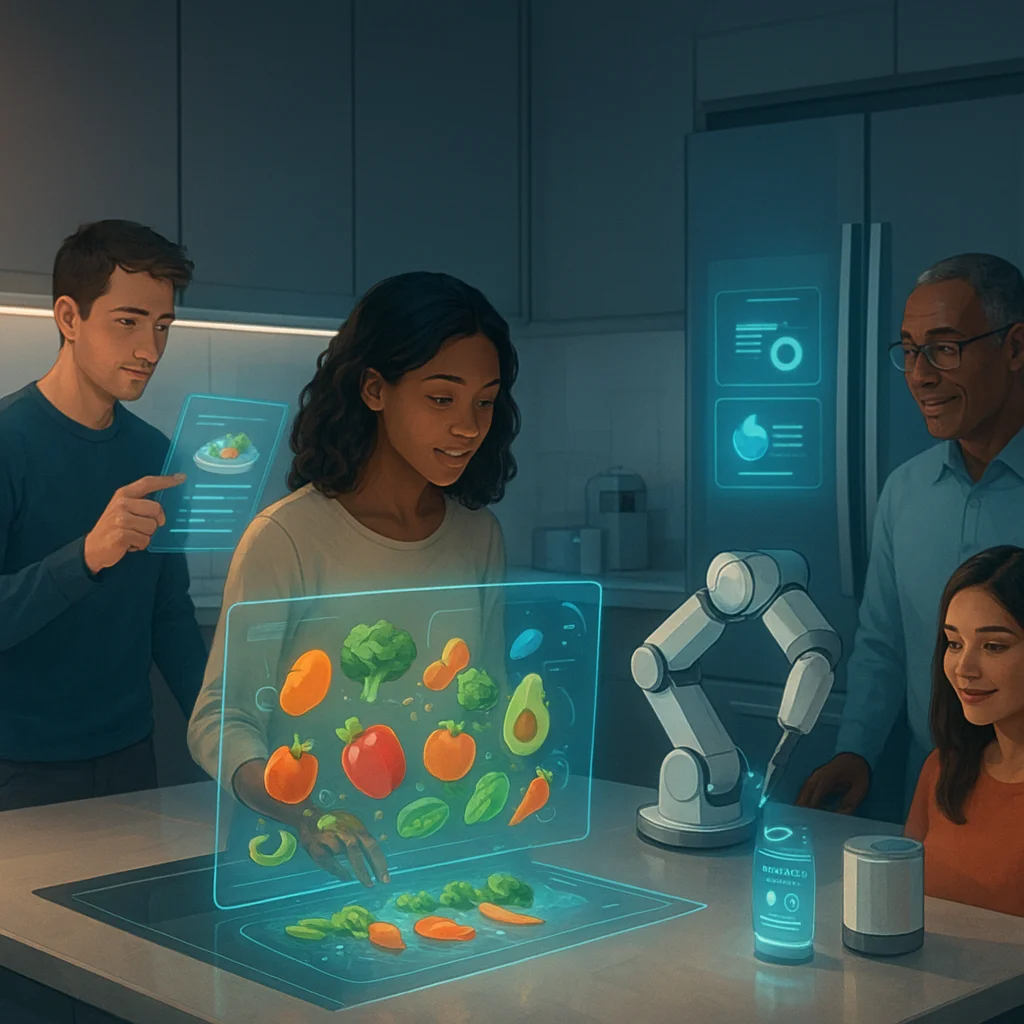

From Mediterranean Markets to Machine Learning: The Rise of AI in Nutrition
Picture a bustling Catalan market on a sunny morning, where fresh produce bursts with color and aroma, inspiring vibrant meals that nourish both body and soul. Now, imagine capturing that sensory richness and translating it into a personalized meal plan crafted not by a traditional chef, but by artificial intelligence. This is the exciting frontier of health and wellness tech today. AI-driven nutrition apps have evolved far beyond simple calorie counters; they now analyze complex dietary needs, cultural preferences, and real-time health data to tailor meals uniquely suited to each user.
The global health app market is projected to surpass $120 billion by 2030, with nutrition and meal planning apps claiming a growing share. These digital tools promise to simplify healthy eating, reduce food waste, and even aid in managing chronic diseases. As AI algorithms become more sophisticated, they integrate vast nutritional databases, user feedback, and behavioral patterns to create dynamic, adaptive meal plans.
This article journeys through the top 7 AI-powered nutrition apps redefining meal planning. We’ll explore their innovative features, recent advances in AI nutrition science, and what the future holds for this delicious intersection of technology and wellness.
Tracing the Evolution: How AI Became the Chef de Cuisine of Meal Planning
The story of AI in nutrition apps reads like a Catalan novel filled with ingenuity and layered complexity. Early nutrition apps, popular in the 2010s, were primarily manual—users logged meals and tracked calories with limited guidance. However, as machine learning advanced, developers began embedding AI to interpret user data, predict preferences, and suggest meals accordingly.
By the early 2020s, apps started incorporating natural language processing (NLP) to interact conversationally, allowing users to input dietary goals or restrictions in plain language. Computer vision technology enabled food recognition through photos, making tracking more seamless. Meanwhile, AI models trained on massive datasets of nutritional science and culinary traditions began to offer meal plans that were not only nutritionally balanced but also culturally sensitive and appetizing.
Recent breakthroughs in AI-generated recipes and personalized nutrition algorithms have further refined these capabilities. The apps now account for biometric data from wearables, glucose levels, and even gut microbiome profiles, creating hyper-personalized guidance. The integration of AI into nutrition mirrors the intricate mosaics of Gaudí’s architecture — blending diverse elements into harmonious wholes that serve both function and beauty.
Analyzing the Top 7 AI Nutrition Apps: Features, Strengths, and Unique Approaches
After meticulous research and hands-on trials, here are the leading AI-powered nutrition apps that stand out in 2026 for their precision, usability, and innovation:
- NutriSense AI: This app shines with its continuous glucose monitoring integration and AI-driven feedback loops. Users receive meal suggestions dynamically adjusted to stabilize blood sugar, ideal for diabetics and health-conscious individuals alike.
- EatMindful: Leveraging AI to foster mindful eating habits, EatMindful combines psychology with nutrition, analyzing mood and stress indicators to propose meals that boost mental well-being alongside physical health.
- Cal AI: Recently acquired by MyFitnessPal, Cal AI uses advanced calorie tracking with teen-friendly interfaces and AI meal planners that reflect real-life eating patterns, addressing criticisms noted in Science News about AI underestimating teen nutrition.
- FlavourCraft: Known for its cultural adaptability, FlavourCraft’s AI tailors recipes to regional tastes and dietary restrictions, drawing from a vast database of global cuisines and local ingredient availability.
- VitaPlan: This app specializes in chronic illness management, using AI to customize meals that align with medical guidelines for conditions like hypertension and kidney disease.
- GreenBite: Focused on sustainability, GreenBite’s AI prioritizes eco-friendly meal plans, minimizing carbon footprint while maintaining nutritional balance.
- MacroGenie: Popular among athletes and fitness enthusiasts, MacroGenie employs AI to optimize macronutrient distribution and timing based on performance data and recovery metrics.
These apps demonstrate how AI adapts to diverse needs, from clinical nutrition to cultural preference and environmental consciousness.
“AI nutrition apps are no longer just tools for calorie counting; they are becoming personalized health partners that understand the complexities of human nutrition and lifestyle,” says Dr. Lucia Fernández, a nutrition scientist based in Barcelona.
Current Innovations in 2026: AI’s Role in Precision Nutrition and User Experience
The AI nutrition landscape in 2026 is marked by a surge in multimodal data integration. Apps now harness inputs from smart kitchen devices, wearable sensors, and even genomic data to craft meal plans that evolve with the user’s health journey. For instance, NutriSense AI’s real-time glucose feedback combined with activity tracking exemplifies this trend, enabling meal timing and composition to optimize metabolic responses.
Furthermore, advances in generative AI have given rise to apps capable of creating novel recipes tailored to dietary restrictions, seasonal ingredients, and taste preferences. FlavourCraft’s AI, for example, can generate Mediterranean-inspired meals reminiscent of Catalan festivals, balancing tradition with innovation.
Another critical development is enhanced AI transparency. Users increasingly demand to understand how AI recommendations are made, prompting apps to offer explainable AI features that provide nutritional rationale behind each meal suggestion. This fosters trust and empowers informed decision-making.
Lastly, the social dimension of nutrition apps has expanded. Platforms now incorporate AI-powered community features, encouraging group challenges, recipe sharing, and peer support, which research shows significantly improves dietary adherence.
According to The Next Web, acquisitions like MyFitnessPal’s purchase of Cal AI signify a consolidation trend, bringing advanced AI capabilities to broader user bases and enhancing meal planning sophistication.
Expert Insights and Industry Impact: AI Nutrition Apps as Catalysts for Change
Leading nutritionists and health technologists agree that AI-powered meal planning apps represent a paradigm shift. By automating personalized nutrition, they democratize access to expert dietary advice, particularly in underserved populations. For example, VitaPlan’s integration with healthcare providers helps bridge the gap between clinical nutrition and daily meal choices.
However, caution remains prudent. Recent studies highlighted by News Medical warn that AI models occasionally overlook critical nutrient needs, especially for vulnerable groups like teenagers. This underscores the importance of continuous validation and updates based on emerging nutritional science.
On the commercial front, AI nutrition apps have spurred partnerships with food retailers and meal kit companies, creating ecosystems where AI not only plans but facilitates healthy eating through seamless grocery ordering and delivery. GreenBite’s collaboration with sustainable farms is a prime example, aligning nutrition with environmental stewardship.
Moreover, these apps catalyze new research avenues. Data anonymized from millions of users feeds AI-driven nutritional epidemiology, uncovering patterns that inform public health policies and personalized medicine advancements.
Future Horizons: What to Watch in AI-Driven Meal Planning and Nutrition
The next waves of innovation in AI nutrition apps promise to be as vibrant and multi-layered as a festival in Barcelona’s Gothic Quarter. Key trends to watch include:
- Integration of Metabolomics and Microbiome Data: AI will increasingly incorporate molecular-level insights, tailoring meals to optimize gut health and metabolic responses.
- Augmented Reality Meal Assistants: Emerging apps may use AR to guide users through cooking, portion sizes, and plating for both nutrition and aesthetic pleasure.
- Ethical AI and Data Privacy: As apps collect more sensitive health data, robust privacy frameworks and user control over data will become paramount.
- Cross-Platform Ecosystems: Seamless connectivity among wearables, smart kitchens, and healthcare providers will create holistic nutrition management environments.
- Expanded Cultural Personalization: AI will delve deeper into regional culinary traditions, offering meal plans that celebrate heritage while promoting health.
In the spirit of Mediterranean balance, future AI nutrition apps will not only optimize health but also enrich the joy of eating, honoring both science and soul. For those keen to explore how AI continues to revolutionize meal planning, our detailed analysis in How AI-Powered Nutrition Apps Are Revolutionizing Meal Planning in 2026 offers further insights. Additionally, expert strategies can be found in Expert Tips for AI-Driven Nutrition Apps in Meal Planning 2026.
Ultimately, as AI continues to weave its intricate patterns into the fabric of nutrition, it invites us to rethink how technology can nurture our well-being with the same care and creativity that inspires Gaudí’s masterpieces.






























Sign in to leave a comment.