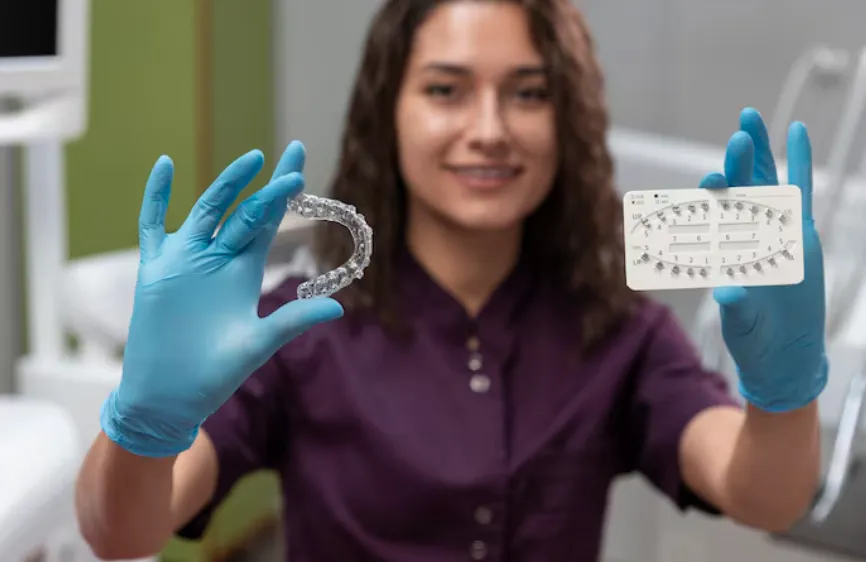

If you have ever looked at a child’s growing teeth and wondered whether “it will fix itself later,” you are not alone. Many parents think orthodontic care is only needed in the teenage years. However, Woodbridge early orthodontic treatment can make a big difference in how a child’s teeth and jaw grow.
The truth is, dental problems rarely appear suddenly. They slowly build up as a child grows. When we act early, we are not just straightening teeth, we are guiding jaw growth, improving bite function, and preventing issues that could become costly and more difficult later.
What Is Early Orthodontic Treatment?
Early orthodontic treatment refers to checking and fixing dental or jaw issues in children, usually between the ages of 6 and 10, while the mouth is still growing.
At this stage, an orthodontist can find problems like crowding, crossbite, or unusual jaw growth before they become serious. Think of it as “guided growth” rather than fixing the problem after it becomes permanent.
Common issues addressed early include:
- Teeth that are not aligned properly at an early stage
- Jaw size differences
- Thumb sucking or oral habits affecting alignment
- Bite problems such as underbite or crossbite
Why Timing Matters More Than Most People Think
Timing is very important in orthodontics. When a child is still growing, bones are soft and easier to guide. This means small steps can create long-term improvements.
If treatment is delayed, teeth and jaw structures become harder. At that stage, fixing the problem often requires longer treatment time, tooth removal, or even surgery in severe cases.
Early evaluation does not always mean immediate braces. Sometimes, it simply means watching growth and acting at the right time.
How Early Care Prevents Complex Dental Problems Later
This is where early orthodontic treatment shows its real value. It does more than improve looks. It reduces future dental problems in practical ways.
Here is how it helps:
- It guides jaw growth so both upper and lower jaws develop in balance
- It creates space for permanent teeth, reducing severe crowding
- It corrects bite issues early, improving chewing and speech
- It reduces the risk of trapped teeth that may need surgery later
- It lowers the chances of long-term gum and jaw stress due to poor alignment
When these issues are managed early, the child often avoids heavy orthodontic treatment in their teenage years.
The Hidden Benefits Beyond Straight Teeth
Many people think orthodontics is only about appearance. In reality, it is closely linked to oral health and even daily comfort.
Early intervention can:
- Improve breathing patterns in some children
- Reduce uneven wear on teeth
- Make oral cleaning easier, lowering cavity risk
- Boost confidence during school years
These are long-term benefits that often go unnoticed until problems become serious.
The Role of an Orthodontist in Early Assessment
An experienced orthodontist does not rush into treatment. Instead, they study growth patterns, tooth eruption timing, and jaw position carefully.
They use diagnostic tools like X-rays, bite checks, and clinical exams to decide whether treatment is needed right away or later. This expert decision is important because every child grows in a different way.
Regular monitoring makes sure that treatment happens at the right time, not too early and not too late.
In Closing:
Parents often wait for all permanent teeth to come in before seeking orthodontic advice, but that delay can sometimes allow small issues to become bigger problems.
Early orthodontic treatment is not about rushing into braces. It is about understanding growth, guiding development, and preventing unnecessary problems in the future. When done properly, it makes dental care simpler and supports long-term oral health.
The real value lies in the benefits of early orthodontic treatment in Vaughan, which include shorter treatment time later, better jaw alignment, improved oral health, and fewer complex procedures in the future.





























Sign in to leave a comment.