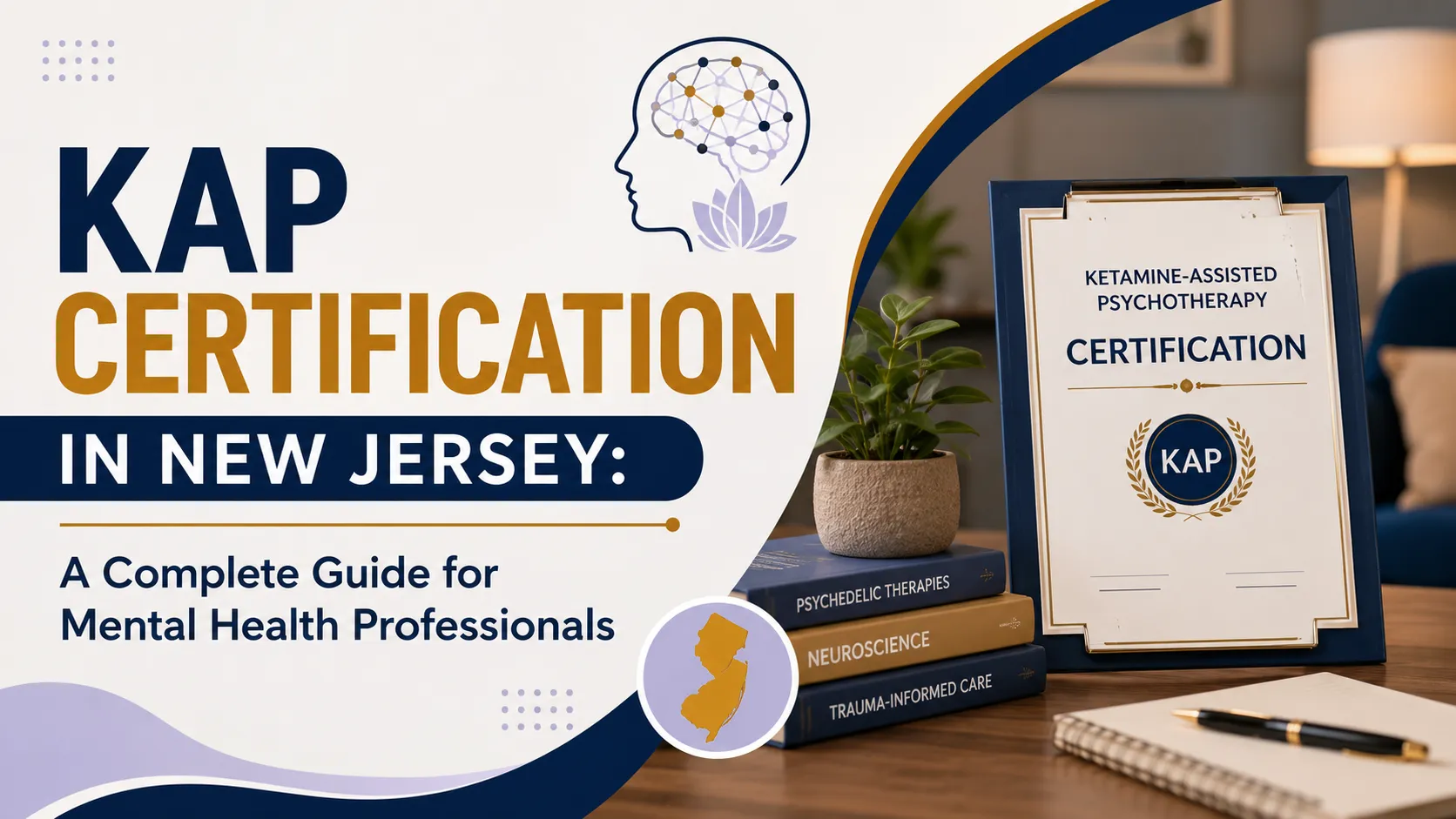

Mental health care is changing as more clinicians explore psychedelic-assisted treatments that combine medical oversight with structured psychotherapy. For licensed therapists who want to build these skills, pursuing KAP certification in New Jersey can provide a clear path toward learning safe, ethical, and evidence-informed clinical practices.
1. Why KAP certification in New Jersey matters
Interest in ketamine-assisted care has grown because many clients seek additional options for depression, trauma, anxiety, and related mental health concerns. As demand grows, therapists need structured education that covers preparation, treatment sessions, integration, ethics, and collaboration with medical providers.
Quality training helps clinicians understand how altered states may affect the therapeutic process. A therapist also learns how to prepare clients, create a supportive setting, recognize challenging emotional experiences, and guide meaningful integration after each session. These skills strengthen clinical confidence while supporting responsible care.
New Jersey offers a growing professional community for therapists interested in psychedelic-assisted work. Local training opportunities and peer consultation groups create valuable learning environments where clinicians can discuss practical questions, refine therapeutic techniques, and stay informed about developing standards.
2. What does KAP certification include?
Clinical foundations
Training usually begins with the clinical principles behind Ketamine-Assisted Psychotherapy. Therapists learn how ketamine fits within broader mental health treatment, appropriate client screening, informed consent, preparation sessions, integration work, and collaboration with prescribing medical professionals.
Programs also examine topics such as trauma-informed care, therapeutic presence, boundaries, documentation, and ethical decision-making. These areas help clinicians develop consistent practices across a variety of client presentations.
Experiential learning
Many certification pathways include supervised practice, observation, consultation, or experiential learning opportunities. Working alongside experienced practitioners gives therapists practical insight into pacing sessions, supporting emotional processing, and responding to unexpected clinical situations.
The The Ko-Op is one example of an organization that offers education and community support for therapists interested in developing KAP skills while learning from experienced professionals.
Continuing professional growth
Certification is only one stage of professional development. Many therapists continue participating in consultation groups, advanced workshops, and peer discussions to strengthen their clinical judgment over time. Ongoing education helps practitioners stay informed as psychedelic-assisted therapies continue to evolve.
3. How to choose a KAP certification program
Look for comprehensive training
A strong certification program covers more than ketamine administration. Therapists benefit from education that explores assessment, preparation sessions, therapeutic techniques, integration practices, ethics, cultural awareness, documentation, and collaboration with prescribers.
Programs with experienced faculty and structured supervision often provide a stronger learning experience because participants receive practical guidance alongside theoretical instruction.
Evaluate community support
Learning continues after formal coursework ends. Programs that offer consultation groups, alumni communities, or mentorship opportunities can provide valuable professional support when therapists begin working with clients.
The The Ko-Op has become part of the conversation among clinicians seeking education alongside ongoing peer collaboration, which many therapists value as they continue building experience.
Consider your professional goals
Different clinicians enter KAP training with different objectives. Some hope to integrate ketamine-assisted work into an existing psychotherapy practice, while others plan to develop specialized services focused on trauma, depression, or anxiety treatment. Choosing a program that aligns with your clinical direction helps create a stronger educational experience.
4. Preparing for clinical practice after certification
Completing training is only the beginning of practicing responsibly. Therapists should develop clear procedures for screening, informed consent, communication with prescribing clinicians, documentation, and follow-up care. A thoughtful workflow supports consistency while helping clients feel informed throughout treatment.
Professional collaboration remains an important part of Ketamine-Assisted Psychotherapy. Therapists and medical providers each contribute unique expertise, creating coordinated care that addresses both psychological and medical considerations throughout treatment.
Many clinicians also spend time refining their integration process. Integration sessions allow clients to explore emotional insights, behavioral changes, relationship patterns, and personal goals that emerge after ketamine sessions. These conversations often become an important part of long-term therapeutic progress.
5. Is KAP certification the right next step?
Interest in psychedelic-assisted therapy continues to expand, yet successful practice depends on thoughtful preparation. Certification helps therapists develop the clinical judgment needed to work within ethical guidelines while supporting clients through complex emotional experiences.
Mental health professionals who enjoy relational therapy, trauma-informed practice, and continued learning often find KAP training professionally rewarding. The education encourages careful reflection, collaboration, and ongoing skill development that extends well beyond certification itself.
A commitment to supervision, consultation, and lifelong learning strengthens confidence over time. Therapists who approach KAP with curiosity, preparation, and professional responsibility are well positioned to provide meaningful care as this field continues to develop.
Final thoughts
KAP certification in New Jersey offers licensed mental health professionals an opportunity to develop specialized clinical skills within a structured educational framework. Strong training emphasizes ethics, preparation, collaboration, integration, and continued professional growth, creating a solid foundation for responsible practice.
As psychedelic-assisted care continues to develop, thoughtful education becomes increasingly valuable for therapists who want to expand their clinical capabilities. Learning through established programs, engaging in supervision, and continuing education all contribute to better long-term practice. Exploring Ketamine-Assisted Psychotherapy resources can help clinicians stay informed as they continue building knowledge and experience.
Frequently asked questions
What is KAP certification in New Jersey?
KAP certification in New Jersey is specialized training that prepares licensed mental health professionals to incorporate ketamine-assisted psychotherapy into clinical practice. Programs generally include ethics, client preparation, integration techniques, clinical protocols, and collaboration with prescribing providers.
How does KAP certification differ from general psychotherapy training?
KAP certification adds education specific to ketamine-assisted treatment. Therapists learn how altered states influence psychotherapy, how to prepare clients, how to conduct integration sessions, and how to work within interdisciplinary care teams.
How much does KAP certification cost?
Costs vary depending on the training provider, program length, supervision requirements, and included learning experiences. Reviewing the complete curriculum helps clinicians understand the overall value of each program.
Is KAP certification worth pursuing?
For therapists who plan to include ketamine-assisted care in their practice, certification provides structured education, clinical guidance, and professional support. It also helps build confidence when working with clients in this specialized area.
What's the difference between ketamine therapy and Ketamine-Assisted Psychotherapy?
Ketamine therapy refers to medical treatment involving ketamine administration. Ketamine-Assisted Psychotherapy combines that medical component with structured psychotherapy, preparation sessions, therapeutic support during treatment when appropriate, and integration work afterward.






























Sign in to leave a comment.