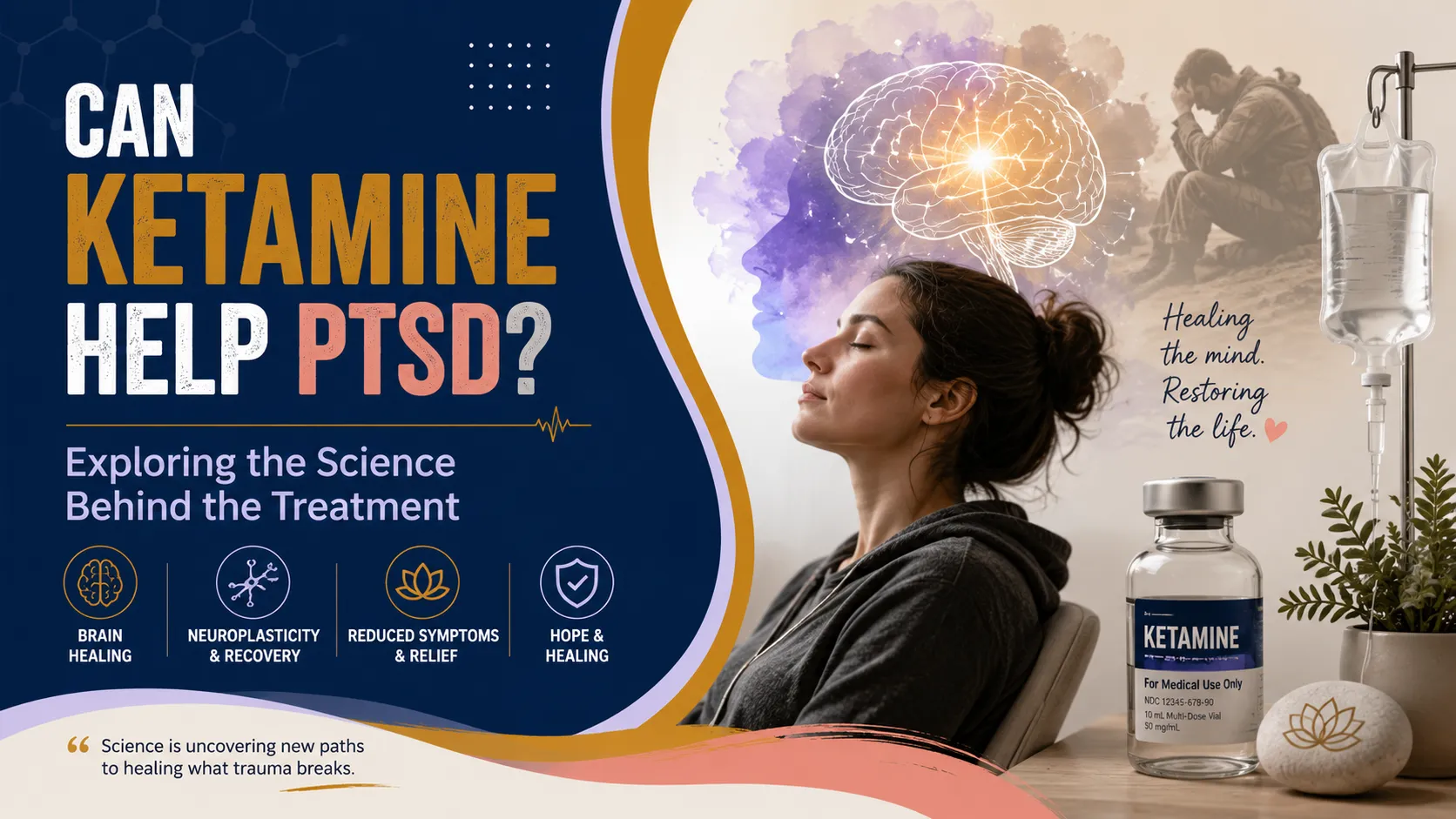

A loud sound. A familiar smell. A place that should feel safe. For someone living with post-traumatic stress disorder (PTSD), even ordinary moments can trigger overwhelming memories and emotions. PTSD is more than a lingering reaction to trauma, it can affect relationships, work, sleep, and overall quality of life. While traditional treatments such as psychotherapy and medication have helped many people, others continue to struggle with symptoms despite years of care. This growing need for effective alternatives has sparked interest in Ketamine for PTSD, a treatment that is gaining attention among researchers and mental health professionals alike.
Understanding PTSD and Why It Can Be Difficult to Treat
PTSD develops after experiencing or witnessing a traumatic event. Common symptoms include intrusive memories, flashbacks, hypervigilance, emotional numbness, anxiety, and avoidance behaviors. These symptoms can persist for months or even years, making recovery challenging.
Standard treatment approaches typically involve trauma-focused therapies such as Cognitive Processing Therapy (CPT) and Eye Movement Desensitization and Reprocessing (EMDR), often combined with antidepressant medications. While these treatments can be highly effective, they do not work for everyone. Some individuals experience only partial relief, while others find that symptoms return over time.
This treatment gap has encouraged scientists to investigate innovative approaches that target the brain in new ways.
What Is Ketamine?
Ketamine was originally developed as an anesthetic and has been used safely in medical settings for decades. Over the last two decades, researchers discovered that it may also have significant mental health benefits, particularly for depression, anxiety, and trauma-related disorders.
Unlike traditional antidepressants, which primarily affect serotonin levels and may take weeks to produce results, ketamine works through the brain's glutamate system. This difference in mechanism has led researchers to explore its potential for helping individuals who have not responded to conventional therapies.
How Ketamine Affects the Brain
One of the most fascinating aspects of ketamine is its impact on neuroplasticity—the brain's ability to form new neural connections and adapt to experiences.
Research suggests that ketamine increases the release of glutamate, which stimulates pathways involved in learning, memory, and emotional processing. This process may help the brain create healthier patterns of thinking and responding to traumatic memories.
Scientists have also observed that ketamine appears to influence brain regions commonly associated with PTSD, including:
- The amygdala, which processes fear and threat detection
- The hippocampus, which plays a role in memory formation
- The prefrontal cortex, which helps regulate emotions and decision-making
By affecting communication between these areas, ketamine may reduce the intensity of fear responses and improve emotional regulation.
What Does the Research Say?
Clinical studies examining ketamine's effects on PTSD have produced encouraging results.
Several trials have found that participants experienced significant reductions in symptoms such as intrusive thoughts, hyperarousal, and emotional distress after receiving ketamine treatment. In some cases, improvements were observed within hours or days rather than weeks.
Researchers believe that ketamine may temporarily create a "window of opportunity" in which the brain becomes more receptive to therapeutic work. During this period, patients may be better able to process traumatic memories, develop new perspectives, and engage more effectively in psychotherapy.
However, it is important to note that ketamine is not considered a cure for PTSD. While many individuals report meaningful symptom relief, results can vary depending on factors such as trauma history, treatment protocols, and overall mental health.
Why Psychotherapy Still Matters
Mental health experts increasingly emphasize that ketamine is most effective when integrated with psychotherapy rather than used as a standalone intervention.
The temporary changes in brain function and emotional flexibility created by ketamine can support deeper therapeutic exploration. This combination allows patients to work through trauma-related experiences while developing healthier coping strategies and long-term resilience.
Therapists who specialize in integrative approaches often guide clients through preparation, treatment, and post-session integration to help maximize therapeutic benefits.
Potential Risks and Considerations
Like any medical treatment, ketamine is not appropriate for everyone.
Possible side effects may include:
- Temporary increases in blood pressure
- Dizziness or nausea
- Dissociative experiences
- Changes in perception during treatment sessions
These effects are typically short-lived and occur under professional supervision. Individuals considering ketamine should undergo a comprehensive evaluation with qualified healthcare providers to determine whether it is a suitable option for their specific circumstances.
Looking Ahead
The growing body of research surrounding trauma treatment suggests that innovative therapies may play an important role in expanding mental health care options. While more long-term studies are needed, current findings indicate that ketamine may offer meaningful relief for some individuals who have not achieved desired outcomes through conventional methods alone.
For people navigating the challenges of trauma recovery, exploring different therapeutic approaches can be an important step toward healing. And if you're looking for something other than talk therapy, it may be worth learning more about integrative treatment models, including Ketamine for PTSD. For those seeking additional support, programs offering Ketamine-Assisted Psychotherapy in Philadelphia can provide a structured, therapeutic environment that combines medical treatment with guided psychological care, helping individuals explore new pathways toward recovery and emotional well-being.






























Sign in to leave a comment.