

A Moment in the Clinic, Reimagined
Imagine a patient, mid-sixties, seated in a dimly lit living room as rain taps gently against the windowpane. Instead of the usual clinical sterility, there’s a quiet warmth: a tablet rests on the coffee table, its screen glowing softly. The patient speaks with a physician hundreds of miles away, discussing symptoms, medication, and next steps. No traffic, no sterile waiting rooms, just a digital connection that shapes a new care narrative. This scene, once a rarity, now sketches a daily reality for millions. Telehealth platforms have woven themselves into the fabric of healthcare, transforming how patients and providers engage.
This shift is more than convenience; it’s a seismic realignment of patient care itself. According to Yahoo Finance, telehealth usage surged by over 40% globally between 2022 and 2025, driven by advances in technology and patient demand for accessible care. This digital leap has not only bridged geographic divides but also redefined the intimacy and immediacy of medical consultations.
“Telehealth is no longer an alternative; it’s becoming the frontline of patient engagement,” says Dr. Marissa Chen, a healthcare innovation strategist.
Tracing the Origins: How Telehealth Evolved to Today
The roots of telehealth stretch back decades, beginning with rudimentary telephone check-ins and sporadic video calls. Yet, it was the global COVID-19 pandemic that accelerated adoption exponentially. Lockdowns forced health systems to rethink care delivery overnight. The US Centers for Medicare & Medicaid Services (CMS) relaxed regulations, enabling broader telehealth reimbursements, a critical move that cemented telehealth’s foothold.
Post-2020, the industry moved from fragmented solutions to integrated platforms, combining video visits, remote patient monitoring, and AI-driven diagnostics. Early iterations struggled with technology limitations and patient trust, but successive innovations addressed these barriers. Today’s platforms incorporate end-to-end encrypted communication, seamless EHR integration, and AI triage bots to streamline workflows.
Historical data reveals a steady climb: from less than 1% of outpatient visits conducted via telehealth in 2019 to an estimated 30% by late 2025 in developed markets. This trajectory reflects both technological maturation and shifting patient expectations.
Inside the Platforms: Technology and Impact
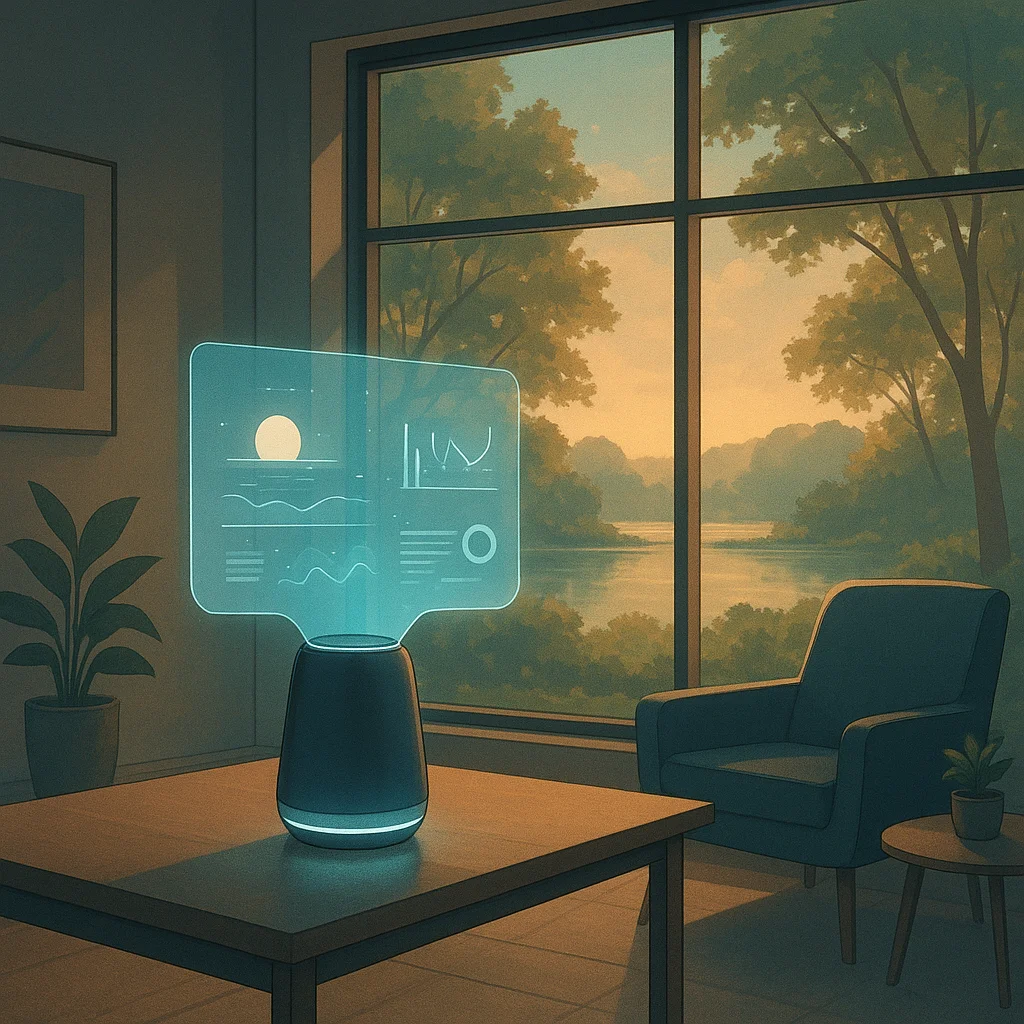
Telehealth platforms now operate as sophisticated ecosystems, blending multiple technologies that shape patient experiences and outcomes. Key components include:
- AI-Powered Diagnostics: Algorithms analyze symptoms, patient history, and biometric data to assist clinicians in decision-making. For example, dermatology telemedicine platforms use high-resolution imaging and AI to detect skin cancers with accuracy rivaling in-person exams, as reported by International Business Times.
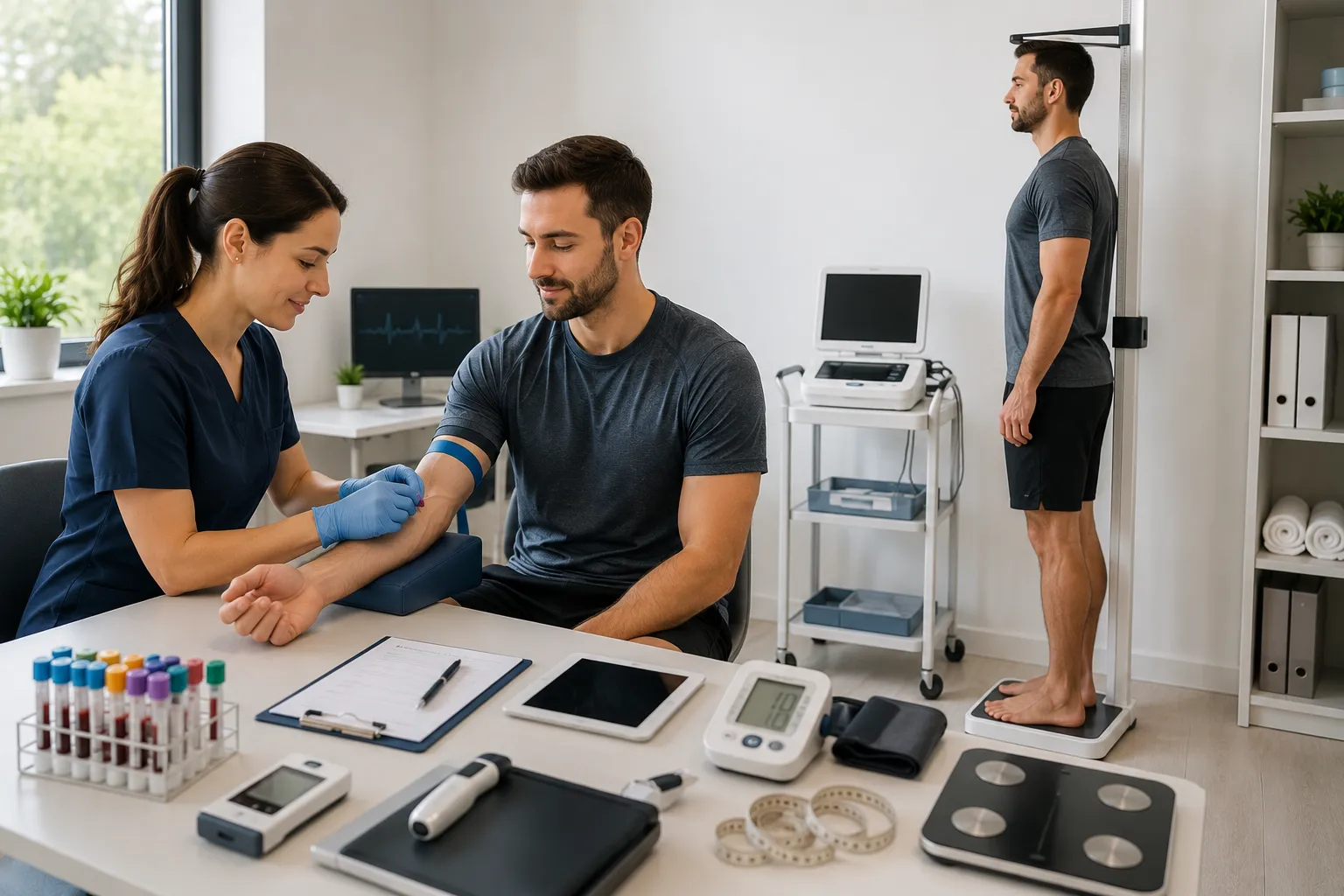
- Remote Patient Monitoring (RPM): Wearables and connected devices transmit vital signs in real time, enabling proactive intervention. This technology has notably reduced hospital readmission rates for chronic illnesses like heart failure and diabetes by up to 25%, according to a 2025 study published in the Journal of Telemedicine and Telecare.
- Integrated Care Coordination: Platforms unify patient data across providers, pharmacies, labs, and insurers, fostering continuity and reducing errors. This integration addresses one of healthcare’s perennial challenges: fragmentation.
Moreover, user-friendly interfaces and mobile-first designs ensure accessibility for diverse populations, including seniors and rural patients. These technological advances have not only improved clinical outcomes but also boosted patient satisfaction and adherence rates.
“Our platform’s ability to synthesize data from multiple sources and provide actionable insights transforms reactive care into a continuous care journey,” notes Raj Patel, CTO of a leading telehealth provider.
2026 Landscape: New Developments and Innovations
As of 2026, telehealth platforms have advanced beyond basic consultations into comprehensive health management hubs. Significant trends shaping the current landscape include:
- AI-Driven Personalization: Platforms now tailor care pathways dynamically, analyzing genetic, environmental, and lifestyle data to customize treatments.
- Virtual Reality (VR) and Augmented Reality (AR): VR therapies for mental health disorders and AR-assisted remote surgeries have entered clinical trials, promising immersive, hands-on remote care.
- Expanded Behavioral Health Services: Telepsychiatry and digital therapeutics have surged, addressing the global mental health crisis with scalable solutions.
- Global Telehealth Integration: Cross-border telemedicine is reducing disparities in care access, with regulatory frameworks evolving to facilitate international consultations.
Regulatory bodies are increasingly harmonizing standards to support these innovations while safeguarding patient privacy and data security. Telehealth platforms also emphasize interoperability, enabling seamless data exchange across disparate systems.
These developments demonstrate how telehealth is not a static tool but a dynamic platform expanding the horizons of what patient care can encompass.
Voices from the Field: Industry Experts and Patient Impact
Industry leaders emphasize telehealth’s role in democratizing healthcare access and enhancing quality. Dr. Anita Rai, Chief Medical Officer at a prominent telehealth platform, highlights, “We’re witnessing a paradigm shift where care is no longer confined to brick-and-mortar walls but follows the patient wherever they are.”
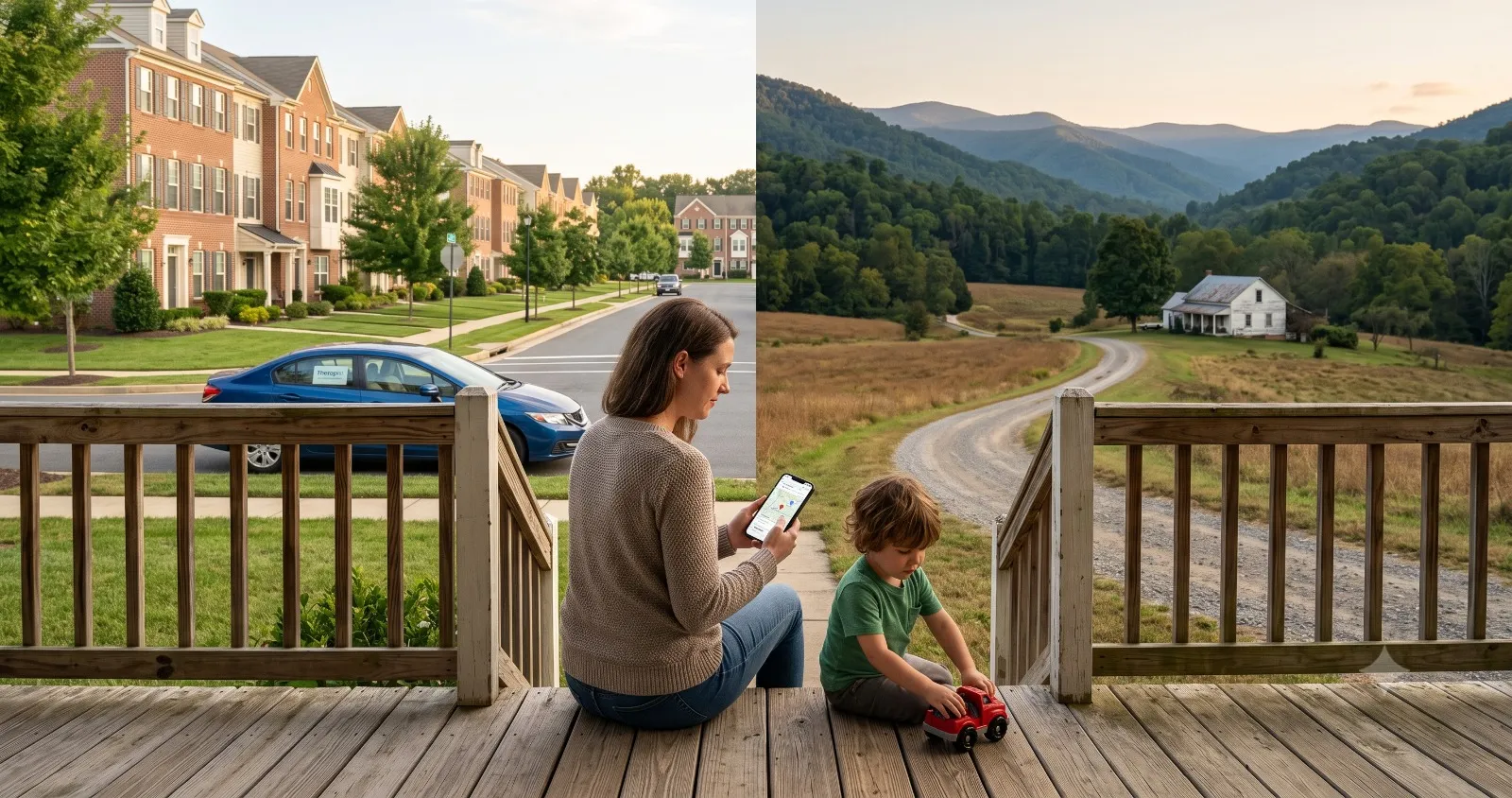
Patients echo this sentiment. A survey by the American Medical Association in early 2026 found that 78% of telehealth users felt their health outcomes improved due to increased accessibility and convenience. Notably, rural patients reported reduced travel burdens and quicker specialist consultations.
Yet, challenges remain. Experts caution about digital divides affecting underserved populations, cybersecurity risks, and the need for robust clinician training in virtual care etiquette and technology use.
Efforts to address these issues include targeted digital literacy programs and investment in broadband infrastructure, particularly in remote areas.
“Telehealth’s promise is immense, but equity must remain at its core,” warns Dr. Luis Hernandez, a public health policy researcher.
Looking Forward: What Lies Beyond the Horizon?
Telehealth’s trajectory suggests a future where patient care is increasingly personalized, preventative, and seamlessly integrated into daily life. Key areas to watch include:
- AI and Predictive Analytics: Enhanced algorithms will anticipate health crises before they manifest, enabling preventive interventions.
- Expanded Use of Biometric Sensors: Implantable and non-invasive sensors will provide continuous health data streams, fostering real-time adjustments to care.
- Hybrid Care Models: Combining virtual and in-person visits, these models will optimize resource allocation and patient preferences.
- Regulatory Evolution: Policies will continue to adapt, balancing innovation with patient safety and privacy.
For healthcare providers and patients alike, adapting to telehealth platforms means embracing new roles, skills, and expectations. The platforms themselves will evolve from tools to ecosystems, encompassing wellness, chronic disease management, behavioral health, and more.
As explored in the WriteUpCafe analysis of How Telehealth Platforms Are Transforming Patient Care in 2026, the integration of technology with empathetic care is setting a new standard for health outcomes and patient experience.
Ultimately, telehealth platforms are not just transforming patient care—they are redefining the very relationship between patient and provider, between illness and wellness, between technology and humanity.
For readers interested in exploring the broader implications of telehealth on home healthcare, the article How Telehealth Services Are Transforming Home Health Care in Alberta provides a detailed case study of regional adaptation and impact.





























Sign in to leave a comment.