
There is something that does not get talked about enough. Thousands of men quietly deal with erectile dysfunction every single day and most of them are told the same things. Check your testosterone. Try this medication. Lose some weight. And sometimes those things help a little. But the problem keeps coming back.
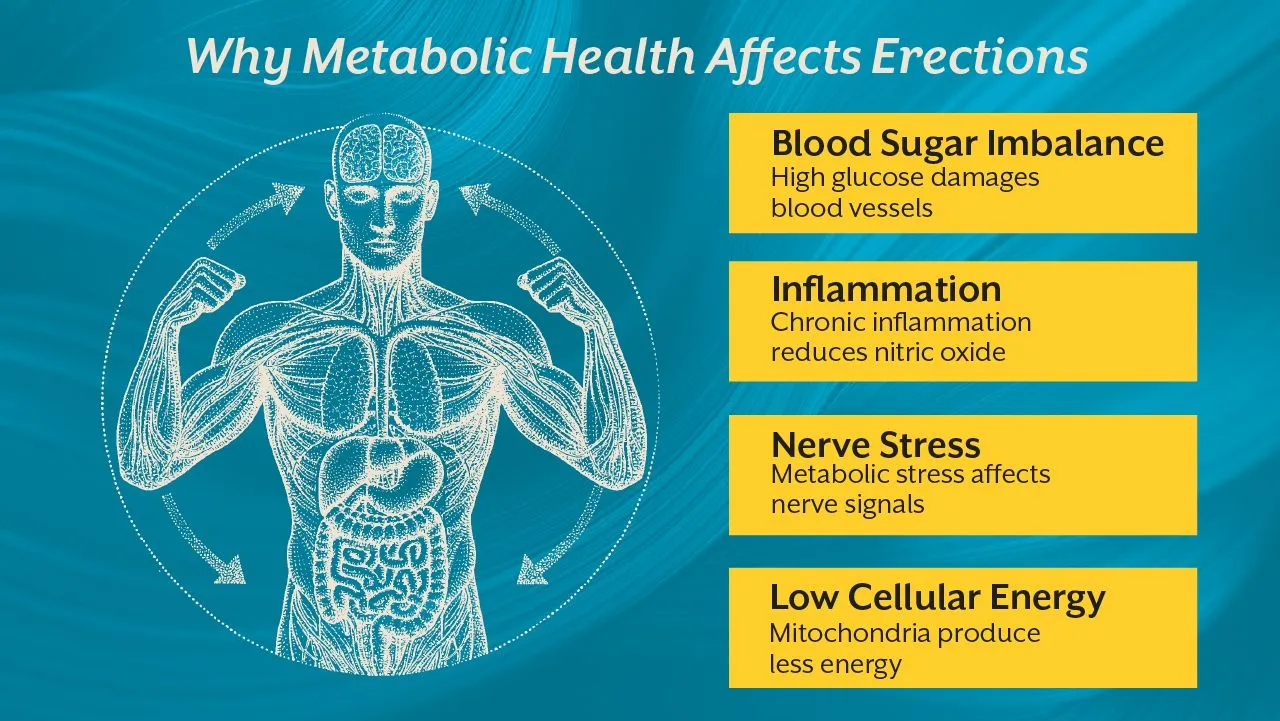
Why? Because the real starting point of erectile dysfunction in many men is not what anyone is looking at. It is happening inside the cells themselves. Specifically inside the tiny energy-producing parts of every cell in your body called mitochondria.
This is not some complicated theory. Once you understand it, it will completely change how you think about your own health. And it might also explain why the usual approaches have not worked as well as you hoped.
What Erectile Dysfunction Actually Is
Erectile dysfunction, or ED, means you regularly find it difficult to get or keep an erection that is firm enough for sex. It is more common than most men admit and it becomes more common with age. But age alone is not the cause. What is happening inside your body is.
To get an erection, three things need to work together perfectly. Your blood vessels need to open up and let blood flow in. Your nerves need to send the right signals. And your hormones need to be in the right range. Miss any one of these and things do not work.
What most people miss is that all three of these things depend on something even more basic. They depend on your cells having enough energy to do their job.
Meet Your Mitochondria
Every cell in your body has mitochondria. These are tiny structures that convert food and oxygen into usable energy. That energy is stored in a molecule called ATP. Think of ATP as the fuel that powers everything your body does, from moving your muscles to producing hormones to keeping your nerves firing.
When your mitochondria are working well, your cells have plenty of fuel. Your blood vessels respond quickly. Your nerves send clear signals. Your body makes hormones at the right levels.
When mitochondria start to struggle, cells run low on fuel. Things slow down. Systems that depend on that energy start to break down. And one of the first places this shows up in men is in sexual health.
Erectile dysfunction is not just a bedroom problem. For many men, it is an early sign that their overall cellular health and metabolism needs attention.
The Chain Reaction Inside Your Body
Here is how it all connects, step by step.
Blood Vessels Need Energy to Open Up
When you are sexually stimulated, your brain sends signals to the blood vessels in the penis. Those vessels need to relax and expand so blood can rush in. This process is controlled by a molecule called nitric oxide.
Nitric oxide is produced by the lining of your blood vessels, which is called the endothelium. The endothelium needs healthy, energised cells to do this properly. If mitochondrial function is poor, nitric oxide production drops. Blood vessels stay stiff. Blood flow stays restricted. No erection.
Oxidative Stress Damages the System
When mitochondria are under stress, they produce more harmful byproducts called reactive oxygen species. When these build up, you get oxidative stress. This damages the very cells that produce nitric oxide.
Think of it like rust forming on a pipe. The pipe can still carry water for a while but over time it gets worse and worse. Oxidative stress is the rust. Your blood vessels and nerves are the pipes.
Hormones Get Disrupted
Testosterone is not made magically. It is produced through a series of steps that happen inside the mitochondria of certain cells. When mitochondrial function goes down, testosterone production can go down with it.
This is why many men with ED also have lower testosterone levels. It is often not the starting point. It is a downstream result of poor cellular health.
Nerve Signals Slow Down
Your nervous system depends heavily on mitochondrial energy. Nerve cells are among the most energy-hungry cells in the body. When energy production drops, signals slow down, become weaker, and sometimes do not fire at all. This directly affects the nerve responses needed to trigger and maintain an erection.
The Metabolism Connection
Mitochondria do not just sit there. They respond to your lifestyle, your diet, your stress levels, and your overall metabolic health. When things are off, mitochondrial function suffers.
Insulin Resistance
Insulin resistance is one of the most common and most overlooked contributors to ED. When your cells stop responding properly to insulin, blood sugar stays higher than it should. This creates a low level inflammation throughout your body, damages blood vessel walls, and reduces mitochondrial efficiency.
Many men are walking around with insulin resistance for years before they are diagnosed with anything. During all of that time, their cellular health is slowly declining and ED may be one of the first visible signs.
Chronic Inflammation
Inflammation is not always obvious. You do not need to feel pain or swelling for it to be happening inside your body. Low grade inflammation disrupts how mitochondria work, increases oxidative stress, and gradually breaks down the systems involved in erectile function. Poor diet, disrupted sleep, chronic stress, and a sedentary lifestyle are all common triggers.
Diabetes and Blood Sugar
Men with diabetes are significantly more likely to experience ED than men without it. Chronically high blood sugar damages both blood vessels and nerves directly. It also impairs mitochondrial function, creating a triple hit on erectile health.
What is important to understand is that men often start noticing erectile changes years before they receive a formal diabetes diagnosis. The body sends signals early if you know what to look for.
What Nutrition Has to Do With It
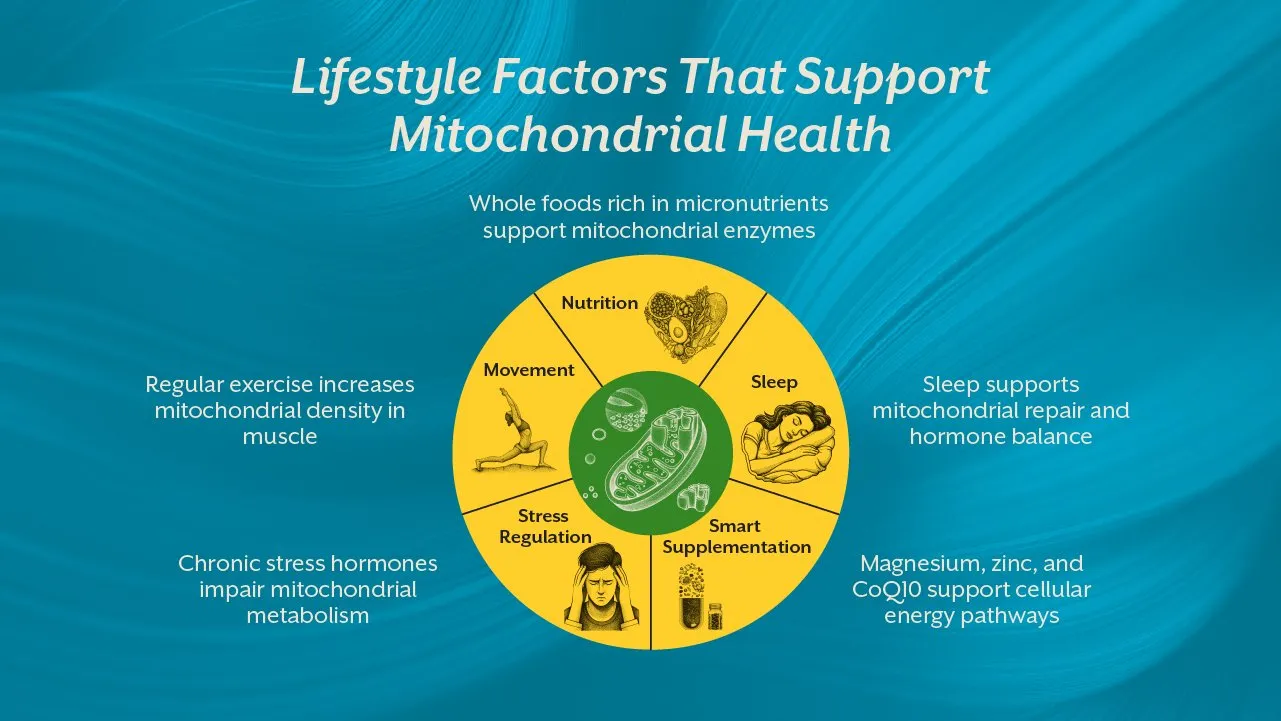
Food is information for your mitochondria. The wrong information leads to dysfunction. The right information helps them work well.
What Hurts Mitochondrial Health
- High sugar and ultra-processed foods that spike blood sugar and drive inflammation
- Refined vegetable oils that increase oxidative stress
- Alcohol in excess, which directly impairs mitochondrial function
- Nutrient-poor diets that leave your cells without the raw materials they need
What Supports Mitochondrial Health
- Whole foods rich in antioxidants like vegetables, berries, and nuts
- Adequate protein to support cellular repair and hormone production
- Magnesium, which is essential for energy production inside mitochondria
- Zinc, which supports testosterone production and blood vessel health
- CoQ10, a compound that plays a direct role in the energy production process
- Stable blood sugar through balanced meals throughout the day
Lifestyle Factors That Either Help or Hurt
Movement
Regular physical movement is one of the most powerful things you can do for mitochondrial health. When you exercise, your body actually builds new mitochondria. This is called mitochondrial biogenesis. More mitochondria means more energy production, better blood flow, and better insulin sensitivity. All of these directly benefit erectile health.
You do not need to become an athlete. Consistent moderate movement like walking, strength training, or cycling a few times a week makes a real difference.
Sleep
Testosterone is primarily produced during deep sleep. Mitochondria also carry out a lot of their repair work while you sleep. Poor or disrupted sleep cuts both of these short. Over time, sleep problems alone can contribute significantly to both hormonal issues and ED.
Stress
When you are under chronic stress, your body floods itself with cortisol. Cortisol disrupts testosterone production, raises blood sugar, increases inflammation, and directly impairs mitochondrial function. Many men who live in a constant high-pressure state find that their sexual health takes a hit long before any other symptoms appear.
Managing stress is not soft or optional advice. It is a genuine biological necessity for maintaining good metabolic and sexual health.
Why Medications Often Fall Short
Medications for ED work by temporarily improving blood flow. For many men, they provide real short-term relief. But they do not touch the underlying reason why blood flow is impaired in the first place.
If your mitochondria are struggling, if your blood vessels are inflamed, if your insulin resistance is getting worse every year, taking a pill occasionally does not change any of that. The same underlying conditions continue to worsen quietly.
This is not to say medications are wrong. For some men they are genuinely helpful. But if you want to actually improve the situation rather than just manage a symptom, the underlying metabolic environment needs attention.
The Root Cause Approach
At iThrive, we have worked with many men who came to us after years of being told their ED was just something to manage with pills. When we actually looked at their metabolic health, we almost always found multiple things that could be addressed.
Insulin resistance. Nutrient deficiencies. Poor sleep patterns. High stress. Inflammation markers that nobody had looked at. All of these things stack on top of each other. And when you start to address them one by one, the body responds.
If you want to understand the full picture of your own metabolic health, visiting the iThrive homepage gives you a clear picture of how the Alive programme approaches deep metabolic assessment and recovery.
The goal is not just to restore erectile function. The goal is to improve the cellular and metabolic environment that makes everything work better. Better energy levels. Clearer thinking. Better weight management. All of these tend to improve together because they all come from the same root.
What You Can Do Starting Now
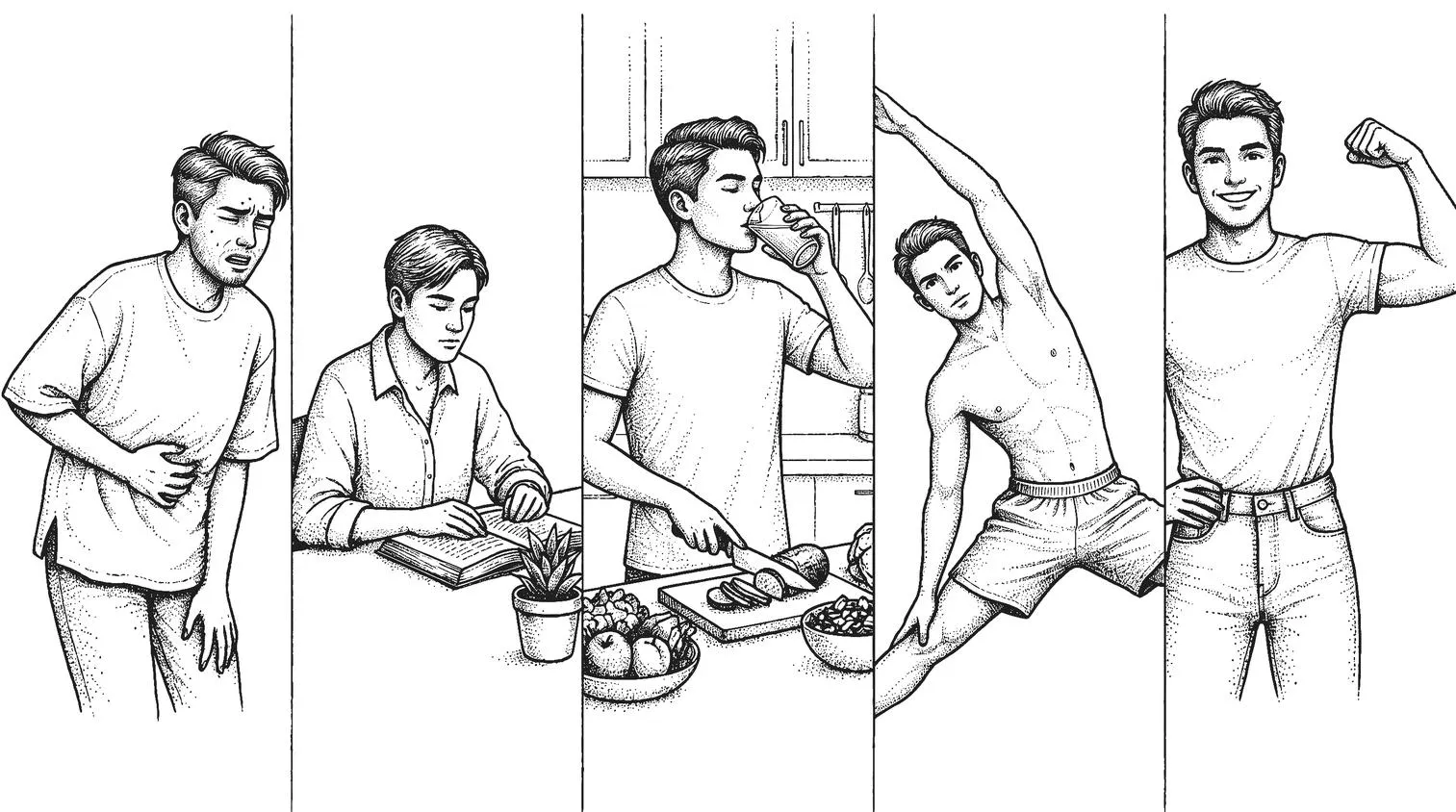
You do not need to overhaul everything at once. Small consistent changes in the right direction add up significantly over time.
- Start eating in a way that keeps your blood sugar stable throughout the day
- Get at least 7 to 8 hours of quality sleep every night
- Move your body regularly, even if that just means walking more for now
- Reduce processed foods, excess alcohol, and high-stress situations where possible
- Consider checking your key metabolic markers including fasting insulin, not just fasting glucose
- Look into targeted nutrients like magnesium, zinc, and CoQ10 that support cellular energy
These are not complicated steps. But they work with your biology rather than against it. And over time, that makes a real difference.
If you are looking for a structured way to do this properly, the iThrive Alive programme is built around exactly this kind of root cause metabolic recovery for men and women dealing with chronic health issues.
Questions People Actually Ask About ED and Cellular Health
Q: Can mitochondria really cause erectile dysfunction?
Yes, and it is more direct than most people realise. Mitochondria control energy production in cells. Blood vessels, nerve cells, and hormone-producing cells all depend on that energy. When mitochondrial efficiency drops, all three systems needed for an erection begin to struggle at the same time.
Q: How do I know if my mitochondria are struggling?
You may notice constant fatigue even after rest, difficulty concentrating, slow recovery after exercise, weight gain especially around the middle, and reduced sexual drive or performance. These are not definitive tests but they are signs worth paying attention to. Proper metabolic testing gives a clearer picture.
Q: Is ED always related to low testosterone?
Not always. Testosterone is one piece of the puzzle but many men with ED have testosterone levels that are technically normal. The real issue is often poor blood flow, nerve signalling, or cellular energy. Testosterone can be a downstream result of poor mitochondrial health rather than the root cause itself.
Q: Can I reverse ED through lifestyle changes alone?
It depends on how long the underlying issues have been present and how severe they are. Many men do experience meaningful improvement when they address insulin resistance, improve their nutrition, start exercising regularly, and sort out their sleep. For some, this is enough. Others need additional targeted support. The key is finding out what your specific issues are rather than guessing.
Q: Does stress really affect erectile function that directly?
Absolutely. Chronic stress raises cortisol, which suppresses testosterone, raises blood sugar, increases inflammation, and directly disrupts mitochondrial function. It is not just a mental or emotional issue. It has a very real and measurable physical impact on the systems involved in erectile health.
Q: What foods are best for improving ED?
Focus on foods that reduce inflammation and support cellular energy. Think vegetables, berries, nuts, seeds, eggs, lean proteins, oily fish, and whole grains. Reduce sugar, refined oils, and ultra-processed foods. Specific nutrients like magnesium, zinc, and CoQ10 are particularly important for the mitochondrial and vascular pathways involved in erectile function.
Q: How long does it take to see improvement?
This varies a lot. Some men notice improvements in energy and performance within a few weeks of making consistent dietary and lifestyle changes. Full metabolic recovery for longstanding issues can take three to six months of dedicated effort. Real change is possible and it does not require a prescription.
Key Takeaway
Erectile dysfunction is rarely just about sex. For many men it is the body's earliest visible sign that something deeper in the metabolic and cellular environment is not working properly.
When mitochondria struggle, blood flow drops, nerve signals weaken, and hormone production slows. These are not separate problems. They are all connected to the same root. And the good news is that root can be addressed.
If you want to actually get to the bottom of what is going on rather than patch it temporarily, booking a root cause analysis is the most direct way to start. You get a proper look at what your metabolic health actually looks like and a clear plan based on that.
Your body has been trying to tell you something. This might be the moment you start listening.























Sign in to leave a comment.