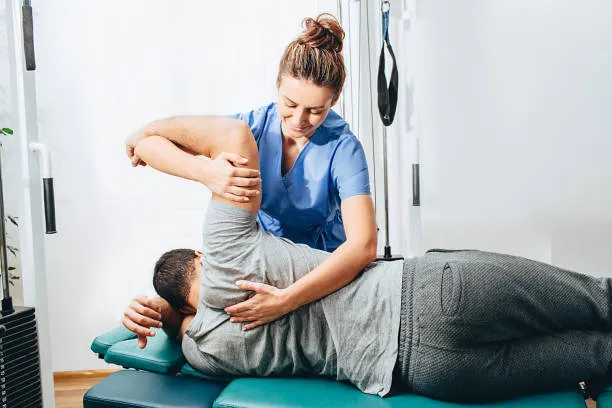

Chronic knee pain is one of the most common reasons people either stop doing the things they love or resign themselves to a lifetime of medication management. Neither outcome is inevitable. The knee is a well-understood joint with well-documented pain drivers — and most of them respond directly to the right physiotherapy approach. Working with a skilled physiotherapist in Noida Sector 41 gives you access to targeted, evidence-based strategies that address the actual source of chronic knee pain rather than just dulling the symptom.
This article covers the expert physiotherapy strategies that genuinely make a difference — not generic advice about "staying active," but specific, actionable guidance grounded in clinical practice.
Understanding What's Actually Driving Your Chronic Knee Pain
Before any treatment strategy makes sense, you need a clear picture of what's producing the pain. Chronic knee pain isn't a single condition — it's a symptom with multiple possible drivers.
The Most Common Sources
Patellofemoral pain syndrome (PFPS) — pain around or behind the kneecap, typically worse with stairs, squatting, or prolonged sitting. Usually driven by quadriceps weakness, hip abductor weakness, and poor patellar tracking mechanics.
Knee osteoarthritis — gradual cartilage degradation producing pain, stiffness, and swelling, particularly with loading and first thing in the morning. Far more manageable with physiotherapy than most patients are led to believe.
Patellar tendinopathy — pain at the patellar tendon just below the kneecap, typically worse with jumping, running, and loading activities. Responds well to specific progressive loading programs.
IT band syndrome — lateral knee pain, typically in runners and cyclists, driven by hip strength deficits and training load management issues.
Pes anserine bursitis — medial knee pain, particularly common in people with knee OA or flat foot mechanics.
Each of these requires a different management approach. This is why self-treating chronic knee pain without proper assessment often produces limited results — you're applying generic strategies to a problem that has a specific driver.
The Assessment That Changes Everything
What a Thorough Knee Assessment Involves
A comprehensive knee assessment by a physiotherapist in Noida Sector 41 goes well beyond looking at the knee itself. The knee is a middle joint in a chain — problems in the hip above and the foot and ankle below directly influence what happens at the knee.
A quality assessment examines:
- Knee range of motion and end-feel
- Quadriceps and hamstring strength (both absolute and symmetry between sides)
- Hip abductor and external rotator strength — consistently weak in most chronic knee pain presentations
- Single-leg squat mechanics — how the knee tracks over the foot under load
- Foot pronation and its effect on knee valgus mechanics
- Patellar mobility and tracking
- Presence and degree of joint swelling
From this picture, the physiotherapist identifies which specific factors are driving the pain — and which strategies will address those factors most directly.
Expert Tip 1 — Strengthen the Hip, Not Just the Knee
This is the single most important thing most people with chronic knee pain aren't doing.
The hip abductors — gluteus medius in particular — control the position of the femur (thigh bone) during weight-bearing activities. When they're weak, the femur internally rotates and adducts during walking, running, and squatting. This increases the valgus stress on the knee and alters the mechanics of virtually every knee structure.
Weak hip abductors are found in the majority of patellofemoral pain presentations, in most IT band syndrome cases, and are a significant contributing factor in knee osteoarthritis symptom severity.
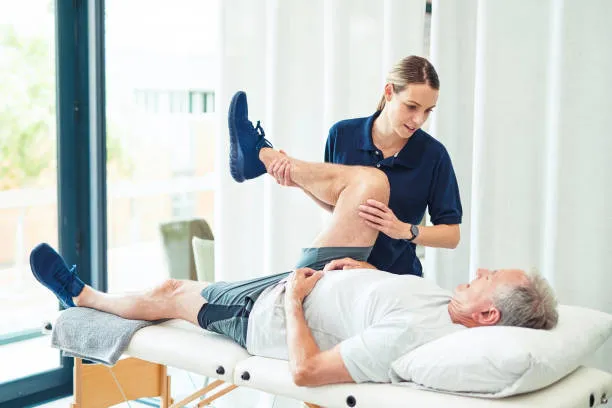
Effective Hip Strengthening Exercises
Side-lying hip abduction — lying on your side with your hips stacked, lifting the top leg to about 30 degrees while keeping the hip from rolling backward. Progression: add a resistance band above the knees.
Clamshells — lying on your side with hips and knees bent at 45 degrees, rotating the top knee upward while keeping feet together. The movement should come from the hip, not from rolling the pelvis.
Single-leg stance progressions — simply standing on one leg builds hip abductor demand. Progress by adding small perturbations, or standing on a slightly unstable surface.
These exercises feel almost too simple. They aren't. Performed consistently three to four times per week over eight to twelve weeks, they produce measurable improvements in hip strength and significant reductions in knee pain in the majority of PFPS and IT band cases.
Expert Tip 2 — Load the Knee Properly Instead of Avoiding It
Chronic knee pain often produces a cycle of avoidance — it hurts, so you do less, so the supporting structures weaken further, so it hurts more. Breaking this cycle requires loading the knee appropriately rather than protecting it from all load.
The key word is appropriately. There's a therapeutic loading window — enough to stimulate adaptation and rebuild tissue capacity, not so much that it creates a flare.
The Knee Extension Mistake
Many people perform full-range open-chain knee extensions (the leg extension machine) thinking they're strengthening the knee. For patellofemoral pain specifically, this exercise often aggravates symptoms because of the high patellofemoral joint stress in the terminal range.
Closed-chain exercises — squats, leg press, step-ups — distribute load more naturally across the joint and are better tolerated for most chronic knee pain presentations.
Pain Monitoring During Exercise
The useful clinical rule: exercise-related pain during loading should stay at or below a 4 out of 10 on a pain scale, and should return to baseline levels within twenty-four hours of exercise. If pain spikes above that threshold or takes more than a day to settle, the load was too high.
This guideline lets you continue progressive loading — which is necessary for recovery — without repeatedly exceeding tissue capacity.
Expert Tip 3 — Address Quadriceps Weakness Specifically
The quadriceps are the primary load-bearing muscles of the knee. Weakness here — which develops quickly after injury, post-surgically, and in long-standing knee OA — leaves the joint without its primary muscular protection.
Research on knee osteoarthritis is clear: quadriceps strength is one of the strongest predictors of both symptom severity and rate of progression. Patients with stronger quads have less pain and slower joint deterioration than those with weaker quads, independent of radiological severity.
Building Quad Strength Safely
Terminal knee extensions — standing with a resistance band behind the knee, performing the last 30 degrees of knee extension from slight bend to full extension. Targets the VMO (vastus medialis oblique) that is commonly inhibited in knee pain presentations.
Wall sits — isometric hold in a partial squat position, typically 30–60 seconds per set. Effective for building quad endurance and for pain modulation in OA (isometric contractions have a well-documented analgesic effect at the joint).
Step-ups — a functional, closed-chain quad strengthening exercise that also challenges balance and hip control simultaneously. Start with a low step height and progress as strength improves.
The progression from isometric to isotonic to more demanding functional loading should follow the pain monitoring principles described above.
Physiotherapy Centre in Noida — Managing Swelling and Inflammation Naturally
Persistent swelling in the knee is a pain driver in its own right — it inhibits quadriceps function and creates a mechanical discomfort with movement that limits rehabilitation. Managing it actively rather than passively is important.
Ice Versus Heat
For an actively swollen, warm knee — ice for fifteen to twenty minutes after activity reduces post-exercise inflammatory response and swelling. Not before exercise, and not on a knee that isn't acutely inflamed.
For a stiff, chronic knee without active swelling — heat before activity improves tissue extensibility and reduces the mechanical stiffness that limits movement. Many people with knee OA find a warm pack before morning activity makes the first hour considerably more comfortable.
Elevation and Compression
Elevating the leg above heart level when resting — particularly after activity that has produced increased swelling — promotes venous and lymphatic drainage and reduces fluid accumulation. A compression sleeve worn during activity helps control swelling and also provides proprioceptive feedback that many people find reduces discomfort during loading.
The Role of Manual Therapy at a Physiotherapy Centre in Noida
Skilled manual therapy from a physiotherapist at a quality physiotherapy centre in Noida addresses swelling management alongside tissue and joint work. Soft tissue techniques that promote lymphatic drainage, joint mobilization that restores normal joint mechanics, and patellar mobilization that addresses patellar tracking are all hands-on interventions that complement the active exercise component.
Expert Tip 4 — Fix Foot Mechanics If They're Contributing
Excessive foot pronation — flat feet, or feet that roll significantly inward during weight-bearing — increases knee valgus stress. Over the course of thousands of steps per day, this mechanical loading pattern contributes meaningfully to chronic knee pain, particularly at the medial compartment and patellofemoral joint.
A physiotherapist with competence in lower limb biomechanics assesses foot mechanics as part of the knee assessment and determines whether:
- Foot strengthening exercises (short foot exercises, single-leg calf raises) can address the pronation
- Footwear changes are contributing to the problem
- Orthotics are warranted to modify the loading pattern
This isn't relevant for every knee pain presentation. But for patients with flat feet and medial knee pain, or with PFPS and significant knee valgus during functional movement, addressing foot mechanics is often the missing piece.
Expert Tip 5 — Manage Activity Load Intelligently
Chronic knee pain rarely requires complete rest. It does require intelligent load management — matching activity demand to the knee's current capacity, and progressively increasing that capacity over time.
The Concept of Load Capacity
Every tissue has a load capacity — the amount of stress it can absorb before it becomes symptomatic. Chronic pain often develops when habitual loading consistently exceeds current capacity, without adequate recovery time for the tissue to adapt upward.
The solution isn't to reduce load indefinitely — that reduces capacity further. It's to find the level of loading that produces adaptation without exceeding the threshold that generates symptoms, and then progressively increase that level.
This is a clinical skill. Finding that window for a specific patient with a specific knee condition requires assessment and ongoing monitoring. It's one of the core things the best physiotherapist in Noida does for patients with chronic knee pain — not just prescribing generic exercises, but managing the loading progression with clinical precision.
Expert Tip 6 — Weight Management as a Clinical Variable
This needs to be said directly because it's clinically significant and often avoided in polite conversation.
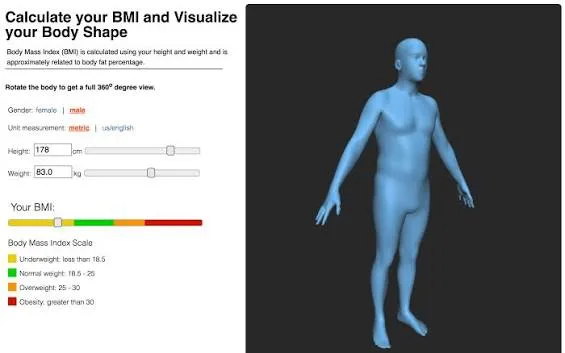
Each kilogram of body weight adds approximately three to four kilograms of force across the knee joint during walking, and seven to ten kilograms during stair climbing. Over thousands of steps per day, the cumulative difference between carrying ten kilograms more or less than your optimal weight is enormous.
Research on knee OA consistently shows that weight loss — even modest reductions of five to ten percent of body weight — produces clinically meaningful reductions in pain and improvements in function, independent of any other intervention.
A physiotherapist discussing chronic knee pain management honestly will raise this if it's relevant. It's not about blame — it's about giving patients complete information about the factors that influence their outcome.
What MotionRX Does Differently for Chronic Knee Pain
MotionRX approaches chronic knee pain as a clinical problem that deserves a genuine clinical answer — not a generic exercise sheet and a follow-up appointment in six weeks.
Every patient receives a thorough assessment that looks at the whole kinetic chain, a clear explanation of what's driving their specific pain presentation, and a structured progressive program with defined goals and honest timelines.
The combination of hands-on manual therapy, targeted exercise prescription, load management guidance, and patient education that MotionRX provides is consistently what produces lasting results — not just temporary relief, but genuine functional improvement that holds up over months and years.
When to Seek Professional Assessment
Self-management strategies are valuable and genuinely effective for many people with chronic knee pain. But they work best when they're targeted at the right problem — and identifying the right problem requires professional assessment.
If your knee pain has been present for more than six to eight weeks, if it's limiting your activities, if it's getting worse despite self-management, or if it's associated with significant swelling, locking, or giving way — book a formal assessment with the best physiotherapist in Noida you can access.
The assessment itself is often clarifying even if you then manage much of the rehabilitation independently. Knowing exactly what you're treating, why it's happening, and which specific strategies address your situation is worth more than any generic advice.
Conclusion
Chronic knee pain responds to the right physiotherapy approach — consistently, and often dramatically. The strategies outlined here aren't theoretical — they're what clinical evidence and experienced practitioners have found to work across thousands of patients with the most common chronic knee pain presentations.
The key is specificity. Generic advice produces generic results. A targeted program built around your actual knee, your actual movement patterns, and your actual strength deficits — developed with a skilled physiotherapist in Noida Sector 41 — produces the kind of improvement that changes how you live.

























Sign in to leave a comment.