

On a warm evening in Barcelona, when the city glows the way Gaudí intended and people spill from clinics, pharmacies, and cafés with equal urgency, healthcare feels most human when it is close, responsive, and woven into daily life. That is exactly why telehealth has moved beyond the novelty stage. It is no longer just a video call replacing a waiting room. The strongest platforms now resemble living care networks: triage, scheduling, remote monitoring, digital therapeutics, clinical documentation, pharmacy coordination, and follow-up all stitched together into a single patient journey. The future of telehealth platforms transforming patient care will be shaped less by flashy apps and more by how seamlessly they fit into real routines, from a parent checking a child’s rash at 10 p.m. to a cardiology team tracking blood pressure trends in near real time.
The momentum is measurable. During the pandemic, telehealth adoption surged out of necessity; in the years since, the market has settled into something more durable. McKinsey has repeatedly reported that patient and clinician interest remains well above pre-2020 levels, while major health systems and insurers continue to invest in virtual-first pathways. In the United States, Medicare reimbursement changes, state licensing debates, and health-system platform upgrades have all influenced the pace of adoption. In Europe and parts of Asia, policymakers are refining regulations so telemedicine can expand without compromising privacy, quality, or continuity of care. According to Reuters and other major outlets covering healthcare technology, the sector’s next phase is about integration, not improvisation.
That shift matters because fragmented care is expensive, tiring, and often unsafe. A telehealth platform that cannot connect with electronic health records, lab systems, wearables, and in-person clinicians simply adds another layer of friction. By contrast, platforms that support hybrid care can shorten time to diagnosis, improve chronic disease management, and widen access for rural patients, older adults, and busy workers. If you want a useful baseline on how this transition has unfolded, WriteUpCafe’s How Telehealth Platforms Are Redefining Patient Care Delivery captures the earlier wave well. The question now is sharper: what will separate the telehealth winners from the digital dead ends?
Telehealth’s future is not virtual care versus in-person care. It is coordinated care, delivered through the right channel at the right moment.
From emergency workaround to core care infrastructure
To understand where telehealth is going, it helps to remember how quickly it changed roles. In 2020 and 2021, the technology was often a stopgap. Hospitals and clinics needed a safe way to maintain access, so video visits became the headline feature. Yet by 2024 and 2025, health systems had learned a harder lesson: video alone does not transform care. It merely digitizes one encounter. The real value appears when telehealth platforms become operational infrastructure, connecting intake, risk scoring, clinician workflows, e-prescribing, billing, and post-visit follow-up.
That is why the language around the sector has evolved. A useful example appears in Forbes’ discussion of the integrated care platform, which argues that healthcare organizations are moving beyond isolated telehealth tools toward systems that unify patient engagement and clinical operations. The distinction is important. A standalone video vendor can help with convenience. An integrated platform can support population health, reduce no-shows, automate follow-ups, and bring remote monitoring data into the care plan. That is a very different proposition for a chief medical officer, a payer, or a public health authority.
Electronic health record giants have seen the opening. Epic, for example, has continued to expand virtual care capabilities inside broader clinical workflows. A recent MSN report on Epic telehealth tools highlighted how embedded telehealth features can improve patient communication, scheduling, and continuity. The strategic message is clear: virtual care is becoming a native feature of healthcare delivery, not an accessory bolted on the side.
Patients are also more discerning now. They expect telehealth to handle more than urgent care coughs and medication refills. They want specialist access, asynchronous messaging, digital intake, transparent pricing, language support, and easy transitions to imaging, labs, or in-person exams when needed. In other words, they want the digital equivalent of a well-designed Mediterranean plaza, where everything connects naturally rather than forcing people down confusing alleys. That expectation is pushing vendors to compete on interoperability, clinical quality, and user experience all at once.
What the best telehealth platforms are actually doing better
The next generation of telehealth platforms is being defined by capability stacks, not by a single feature. The strongest systems combine synchronous care, asynchronous care, remote patient monitoring, AI-assisted documentation, and data integration into a coherent clinical service. This is where transformation becomes visible in patient outcomes and provider efficiency.
Consider dermatology, one of telemedicine’s most practical use cases. High-resolution images, structured questionnaires, and rapid specialist review make it ideal for hybrid workflows. International Business Times’ report on teledermatology shows how virtual dermatology is improving access and speeding decision-making for conditions that might otherwise wait weeks for an appointment. The significance goes beyond skin care. It demonstrates a broader principle: when a specialty can use visual data, standardized triage, and asynchronous review, telehealth can reduce unnecessary in-person visits without lowering quality.
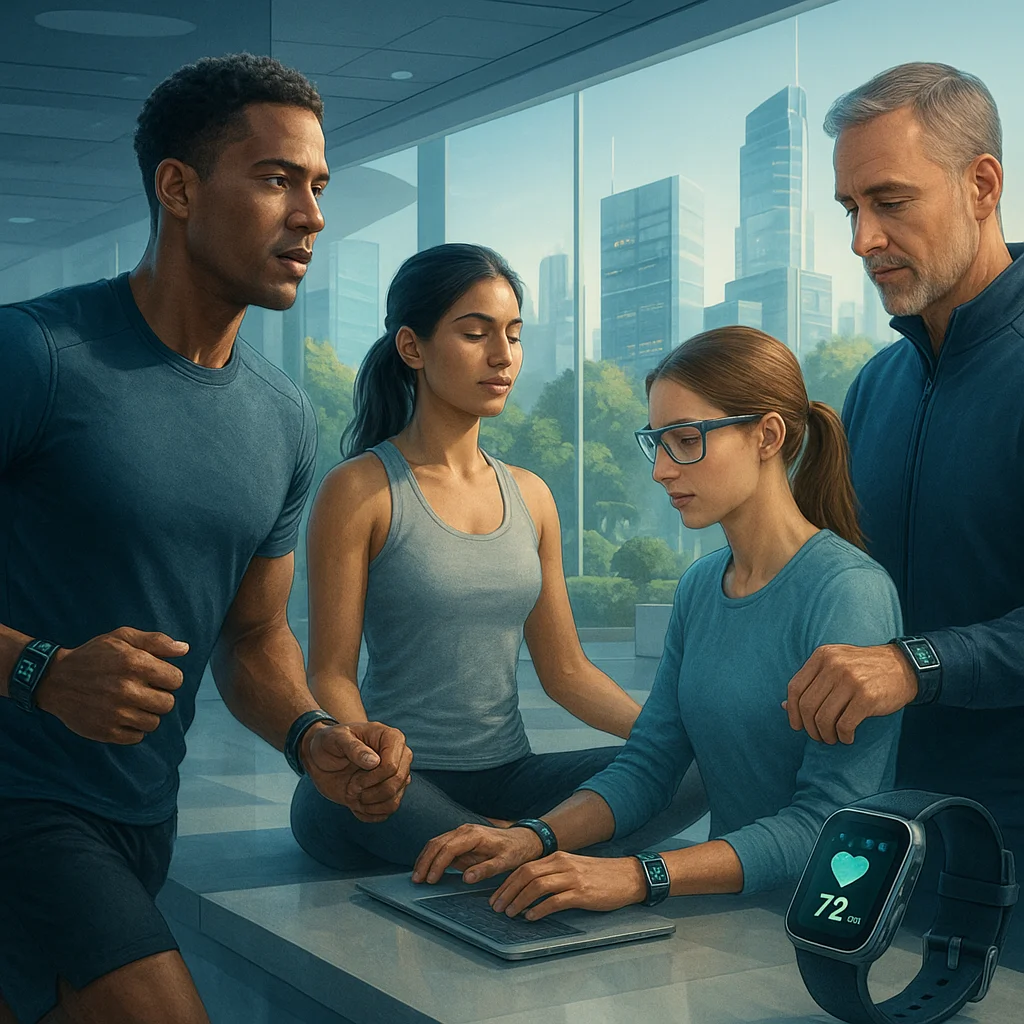
Remote monitoring is another major frontier. Connected blood pressure cuffs, glucometers, pulse oximeters, ECG patches, sleep trackers, and smart scales are giving clinicians a richer picture than a single office visit ever could. Rather than seeing a patient’s condition as a snapshot, providers can work with a moving timeline. That is particularly valuable in hypertension, diabetes, heart failure, COPD, and behavioral health, where trends matter more than isolated readings. IBTimes UK, in its piece on hybrid models and wearables, argues that continuous health monitoring is becoming central to telehealth’s future, and that assessment feels right. The telehealth visit is increasingly the visible tip of a much larger data iceberg.
- Asynchronous triage reduces clinician bottlenecks by routing routine cases before a live appointment is needed.
- Remote patient monitoring helps detect deterioration earlier, especially in chronic disease management.
- Integrated e-prescribing and pharmacy coordination shorten the gap between diagnosis and treatment.
- AI-supported clinical documentation can reduce administrative burden and return attention to the patient.
- Multilingual patient interfaces widen access in diverse communities and cross-border care settings.
The operational gains are not trivial. Health systems have long struggled with clinician burnout driven by documentation overload, inbox volume, and fragmented communication. Telehealth platforms that automate intake, summarize histories, and structure follow-up can save time if implemented carefully. Yet the caveat matters: poor automation can create new burdens, especially if clinicians must verify low-quality AI outputs or reconcile data from multiple devices. The future belongs to platforms that reduce work rather than merely digitize it.
A telehealth platform becomes transformative when it turns scattered encounters into one continuous care story.
Patients notice these differences quickly. A smooth digital intake, fast specialist response, and clear next step can feel liberating. A platform that loses records, duplicates forms, or fails to hand off to an in-person clinician feels like bad architecture, all sharp angles and no flow. The lesson is simple and hard at once: good telehealth is not just technologically advanced. It is thoughtfully designed.
Why hybrid care is becoming the dominant model in 2026
By mid-2026, the strongest consensus in healthcare is that hybrid care will define the next decade. Not every condition should be managed remotely, and not every patient wants a screen-first experience. But many episodes of care benefit from a blended pathway: digital triage, virtual follow-up, remote monitoring, and targeted in-person visits only when touch, imaging, procedures, or complex diagnostics are required. This model protects convenience without sacrificing clinical rigor.
The logic is clinical as much as financial. A patient with newly elevated blood pressure may start with a virtual visit, receive a home cuff, upload readings for two weeks, and then come in only if medication titration or examination is needed. A post-operative patient might use telehealth for wound review and symptom checks while returning on site for imaging or suture removal. In behavioral health, a patient may alternate between virtual therapy sessions and occasional in-person reviews depending on risk, preference, and therapeutic goals. These pathways are more flexible and often more humane.
Recent regulatory discussions reflect this reality. A 2026 report from Asiae described debates over subordinate regulations intended to improve patient convenience while maintaining safety. That tension appears across markets. Policymakers want broader access, but they also want clear standards for prescribing, identity verification, medical liability, data protection, and emergency escalation. The quality of regulation will shape whether telehealth matures gracefully or grows unevenly.
Health systems are adapting their operating models too. Rather than asking each department to improvise virtual care, many are building centralized virtual care teams, remote nurse navigators, and digital command centers. Specialty care is following. Cardiology, dermatology, endocrinology, psychiatry, and women’s health are all expanding hybrid service lines. For readers tracking the sector’s recent evolution, WriteUpCafe’s How Telehealth Platforms Are Transforming Patient Care in 2026 offers a helpful companion view of this year’s shifts.
- Hybrid care lowers travel and waiting time for patients, especially in rural or mobility-limited populations.
- It allows providers to reserve physical appointments for cases that truly need hands-on evaluation.
- It supports better chronic care by combining continuous data with periodic clinician review.
- It gives health systems a path to scale access without building equivalent physical capacity.
- It aligns with patient preference, which increasingly favors choice rather than one default care channel.
There is a cultural dimension here as well. Healthcare works best when it fits the rhythms of real life. In Mediterranean cities, one sees how routines, family support, and neighborhood proximity shape wellbeing. Telehealth succeeds when it respects those rhythms, meeting people where they are without abandoning the relational core of medicine.
The business, policy, and equity pressures shaping the next phase
Telehealth’s future will not be determined by technology alone. Reimbursement, licensing, competition law, cybersecurity, and health equity will all influence what scales. This is where many optimistic forecasts meet harder ground. A platform can be elegant, but if payment policy is inconsistent or cross-border practice rules are restrictive, adoption slows. Likewise, if broadband gaps or digital literacy barriers remain unresolved, telehealth can deepen disparities even while promising broader access.
Reimbursement remains central. In the United States, public and private payers have gradually clarified coverage for virtual services, but uncertainty still affects investment decisions. Health systems want durable payment models for remote monitoring, asynchronous care, and virtual specialty consults. Temporary measures create hesitation; stable rules encourage redesign. Europe presents a more fragmented picture, with national health systems and regulators moving at different speeds. Some countries have embraced digital front doors more rapidly, while others remain cautious around reimbursement and prescribing.
Cybersecurity is another decisive issue. Telehealth platforms handle deeply sensitive data: symptoms, images, medication histories, mental health notes, and biometric streams from connected devices. Healthcare organizations have already faced rising ransomware threats and vendor risk concerns. The future platform must therefore be secure by design, with strong authentication, encryption, audit trails, and resilient downtime procedures. Patients will only trust systems that feel both convenient and safe.
Equity cannot be an afterthought. Telehealth can dramatically improve access for remote communities, immunocompromised patients, carers, and people with time-poor jobs. Yet the same model can exclude those without reliable internet, private space, digital confidence, or accessible interfaces. The most thoughtful platforms are addressing this with multilingual support, low-bandwidth options, audio fallback, caregiver access controls, and simpler onboarding. Industry analysts have increasingly emphasized that telehealth should be measured not just by visit volume but by who is actually being served.
Another pressure comes from consolidation. Major EHR vendors, insurers, retail health players, and specialist telehealth companies are all trying to own the patient relationship. Some will build vertically integrated ecosystems; others will position themselves as interoperable layers inside existing clinical environments. Forbes’ integrated care platform argument captures this strategic direction well. The likely outcome is not one universal winner, but a market split between broad enterprise platforms and specialty-focused leaders with deep clinical workflows.
For readers interested in the strategic debate around redesigning virtual care itself, WriteUpCafe’s Rethinking Telehealth Platforms Transforming Patient Care is worth exploring alongside this analysis. The strongest takeaway is that telehealth is now a systems question, not a gadget question.
Real-world use cases show where telehealth creates the most value
The future becomes clearer when we look at specific use cases rather than abstract promises. Telehealth tends to create the most value where access is constrained, monitoring matters, and care pathways can be standardized without becoming rigid. Chronic disease management sits at the top of that list. Hypertension is a classic example because blood pressure varies across settings, and home readings often tell a more accurate story than a rushed clinic measurement. A telehealth platform that combines home devices, medication review, coaching, and clinician oversight can improve adherence and spot warning signs earlier.
Behavioral health remains another powerful domain. Virtual therapy and psychiatry have expanded access for patients who might otherwise delay care due to stigma, distance, or scheduling constraints. The best platforms now include secure messaging, symptom tracking, crisis protocols, and coordination with primary care. This matters because mental health rarely exists in a silo. Sleep, pain, metabolic health, and social stressors often overlap, and digital platforms can help clinicians see those connections more clearly.
Women’s health is also evolving quickly. Fertility support, postpartum follow-up, menopause management, and pelvic health coaching are increasingly offered through hybrid digital pathways. These services work particularly well when education, symptom logs, wearables, and specialist review are integrated. Patients gain continuity instead of bouncing between disconnected appointments. In pediatrics, telehealth can help parents get fast guidance for common concerns while reducing unnecessary emergency visits, provided escalation pathways are clear.
Specialist telemedicine is broadening too. Teledermatology, highlighted by International Business Times, shows how image-based specialties can thrive digitally. Cardiology is using remote monitoring more aggressively. Endocrinology benefits from glucose data and lifestyle tracking. Post-acute care teams are using virtual check-ins to reduce readmissions. Even rehabilitation has found a digital rhythm through guided exercise sessions, recovery tracking, and home-based coaching.
- Highest-value telehealth categories: chronic disease management, mental health, dermatology, women’s health, post-acute follow-up, and medication management.
- Conditions that still often require in-person care: acute abdominal pain, trauma, complex neurological symptoms, emergency cardiac complaints, and procedures requiring physical examination or intervention.
- Best hybrid candidates: hypertension, diabetes, heart failure follow-up, anxiety and depression, sleep disorders, skin conditions, and recovery after surgery.
The pattern is elegant, almost like the layered logic of a Catalan festival route: some moments call for broad public flow, others for intimate, precise attention. Telehealth works best when platforms know the difference and route patients accordingly.
What to watch next: AI, continuous monitoring, and patient-owned care journeys
Looking ahead, three forces will shape telehealth more than any others: ambient AI, continuous monitoring, and stronger patient control over the care journey. Each promises major gains, but only if implemented with restraint and clinical discipline.
Ambient AI is already changing documentation. Instead of forcing clinicians to type through visits, some platforms now generate structured notes from conversations, summarize histories, suggest coding elements, and draft follow-up instructions. Used well, this can reduce burnout and improve consistency. Used poorly, it can introduce errors or flatten nuance. Expect health systems in 2026 and beyond to demand evidence that AI tools save time without compromising safety. The winning products will be transparent, auditable, and easy for clinicians to correct.
Continuous monitoring will further blur the line between visit-based care and ongoing care. Wearables and connected devices are becoming more clinically relevant, especially when paired with validated workflows and reimbursement support. IBTimes UK’s focus on wearables and continuous health monitoring captures the direction precisely. The challenge is not data scarcity; it is signal quality. Platforms must learn when to alert, when to reassure, and when to escalate. Too many notifications create noise. Too few create risk.
Patient control is the third frontier. The future platform will not simply summon patients into institutional workflows. It will let them choose channels, share data selectively, involve family or carers, access records, and understand next steps clearly. That may sound obvious, but healthcare has historically been poor at making care journeys legible. Telehealth can improve that by turning opaque processes into guided pathways.
The most trusted telehealth platforms of the next decade will feel less like software and more like a reliable care companion with clinical depth behind it.
So what should healthcare leaders, clinicians, and patients watch now? First, whether telehealth platforms can prove measurable outcomes beyond convenience. Second, whether hybrid care models become standard in reimbursement and regulation. Third, whether platform design serves the broad population, not just the digitally fluent. If those pieces align, telehealth will not replace traditional medicine. It will make medicine more continuous, more responsive, and often more compassionate. Like the best streets in Barcelona, it will connect people rather than merely move them along.
The future of telehealth platforms transforming patient care is therefore not a distant concept. It is already unfolding in scheduling systems, remote monitoring dashboards, specialist workflows, and patient expectations. The organizations that thrive will be the ones that understand a simple truth: healthcare technology succeeds when it feels less like technology and more like care.






























Sign in to leave a comment.