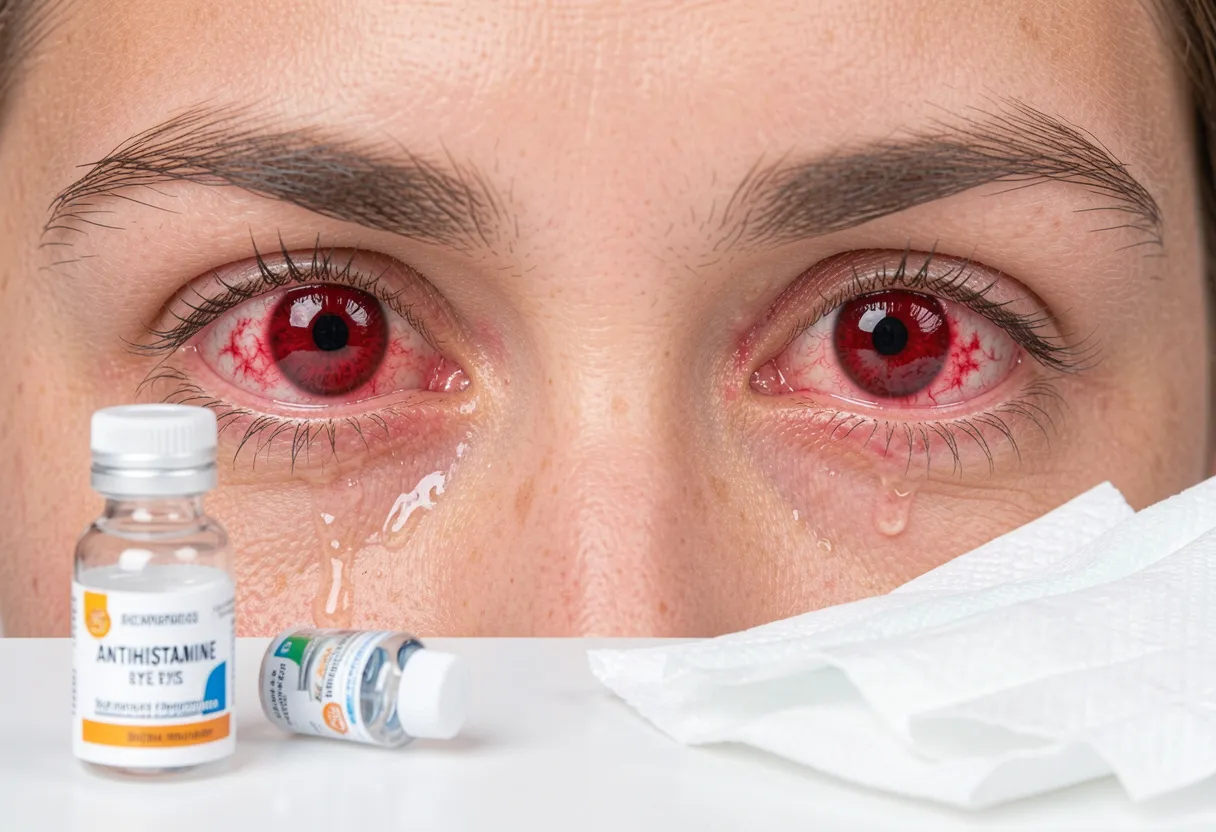

Itchy, watery, and irritated eyes are common complaints, especially during allergy season. While many people dismiss these symptoms as a minor inconvenience, eye allergies can significantly impact daily activities, work performance, and overall quality of life.
Whether your symptoms occur seasonally or throughout the year, understanding the causes of eye allergies can help you find effective relief and protect your eye health.
What Are Eye Allergies?
Eye allergies, medically known as allergic conjunctivitis, occur when the eyes react to allergens in the environment. The conjunctiva, a thin membrane covering the white part of the eye and inner eyelids, becomes inflamed when exposed to substances that trigger an allergic response.
When allergens come into contact with the eyes, the body's immune system releases histamines. These chemicals cause redness, itching, swelling, and excessive tearing.
Unlike eye infections, eye allergies are not contagious and cannot spread from person to person.
What Causes Eye Allergies?
Eye allergies develop when the immune system overreacts to harmless substances. Common triggers include both outdoor and indoor allergens.
Outdoor Allergens
Outdoor allergy triggers often include:
- Tree pollen
- Grass pollen
- Weed pollen
- Mold spores
Symptoms frequently worsen during spring, summer, and fall when pollen counts are elevated.
Indoor Allergens
Many people experience allergy symptoms year-round because of indoor allergens such as:
- Dust mites
- Pet dander
- Mold growth
- Household dust
Indoor allergens can be particularly troublesome because exposure occurs daily.
Environmental Irritants
While not true allergens, certain irritants can worsen symptoms, including:
- Cigarette smoke
- Air pollution
- Strong perfumes
- Cleaning products
- Chemical fumes
Reducing exposure to these irritants may help decrease eye discomfort.
Common Symptoms of Eye Allergies
Eye allergy symptoms can range from mild irritation to significant discomfort.
Typical symptoms include:
Persistent Itching
Itching is often the hallmark symptom of eye allergies. The urge to rub the eyes can become overwhelming, especially during peak allergy seasons.
Redness
Inflammation causes blood vessels in the eyes to enlarge, resulting in noticeable redness.
Excessive Tearing
The eyes may produce additional tears in response to irritation caused by allergens.
Swollen Eyelids
Inflammation can lead to puffiness around the eyes, particularly after waking up.
Burning Sensation
Many patients describe a stinging or burning feeling that worsens throughout the day.
Light Sensitivity
Bright lights may become uncomfortable when allergy symptoms are severe.
Who Is Most at Risk for Eye Allergies?
Although anyone can develop eye allergies, certain factors may increase the likelihood of experiencing symptoms.
Risk factors include:
- Family history of allergies
- Seasonal allergies
- Asthma
- Eczema
- Contact lens use
- Frequent outdoor exposure
Individuals who already suffer from hay fever often experience eye allergy symptoms alongside nasal congestion and sneezing.
How Eye Allergies Impact Everyday Activities
Many people underestimate the effects of eye allergies on their daily routines.
Symptoms may interfere with:
Computer Use
Dryness and irritation can make screen time uncomfortable and reduce productivity.
Driving
Watery eyes and blurry vision may affect visibility and concentration.
Reading
Persistent itching and tearing can make it difficult to focus on text for extended periods.
Contact Lens Wear
Allergens trapped beneath contact lenses can significantly increase discomfort.
When symptoms become chronic, they can affect sleep quality, work performance, and overall well-being.
Effective Ways to Manage Eye Allergies
Fortunately, several treatment options can help reduce symptoms and improve comfort.
Limit Exposure to Allergens
One of the best ways to control eye allergies is to reduce contact with known triggers.
Helpful steps include:
- Keeping windows closed during high-pollen days
- Using air conditioning when possible
- Changing clothes after spending time outdoors
- Washing hands frequently
- Showering before bedtime
Use Lubricating Eye Drops
Artificial tears help flush allergens from the eyes while providing soothing moisture.
Apply Cool Compresses
A cold compress can reduce swelling and provide temporary relief from itching and irritation.
Consider Allergy Eye Drops
Prescription and over-the-counter allergy eye drops may help reduce inflammation and control symptoms.
Improve Indoor Air Quality
Using HEPA filters and maintaining a clean home environment can help minimize exposure to airborne allergens.
Preventing Eye Allergy Flare-Ups
Preventive care is often the most effective strategy for long-term symptom management.
To reduce flare-ups:
- Monitor local pollen forecasts
- Wear sunglasses outdoors
- Avoid rubbing your eyes
- Replace air filters regularly
- Wash bedding weekly
- Keep pets out of sleeping areas
These simple habits can significantly improve comfort during allergy season.
When Should You Schedule an Eye Exam?
Although eye allergies are common, persistent symptoms should never be ignored.
Schedule an eye examination if you experience:
- Ongoing redness
- Severe itching
- Vision changes
- Eye pain
- Swelling that does not improve
- Symptoms that interfere with daily activities
An eye doctor can determine whether allergies are causing your symptoms or if another eye condition requires treatment.
Eye Allergies vs. Dry Eye Syndrome
Eye allergies and dry eye syndrome share several symptoms, including redness and irritation. However, the two conditions require different treatment approaches.
Eye allergies typically cause:
- Intense itching
- Excessive tearing
- Seasonal flare-ups
Dry eye syndrome often causes:
- Burning sensations
- Grittiness
- Fluctuating vision
- Symptoms that worsen with screen use
A comprehensive eye examination can help distinguish between the two conditions.
Conclusion
Eye allergies are a common condition that can cause itching, redness, tearing, and discomfort throughout the year. While allergens such as pollen, dust mites, pet dander, and mold are common triggers, effective treatments are available to help control symptoms and improve quality of life.
If eye allergies are affecting your comfort or vision, scheduling a comprehensive eye examination can help identify triggers, rule out other eye conditions, and create a personalized treatment plan. With proper care and prevention strategies, you can enjoy healthier eyes and clearer vision throughout every season.

























Sign in to leave a comment.