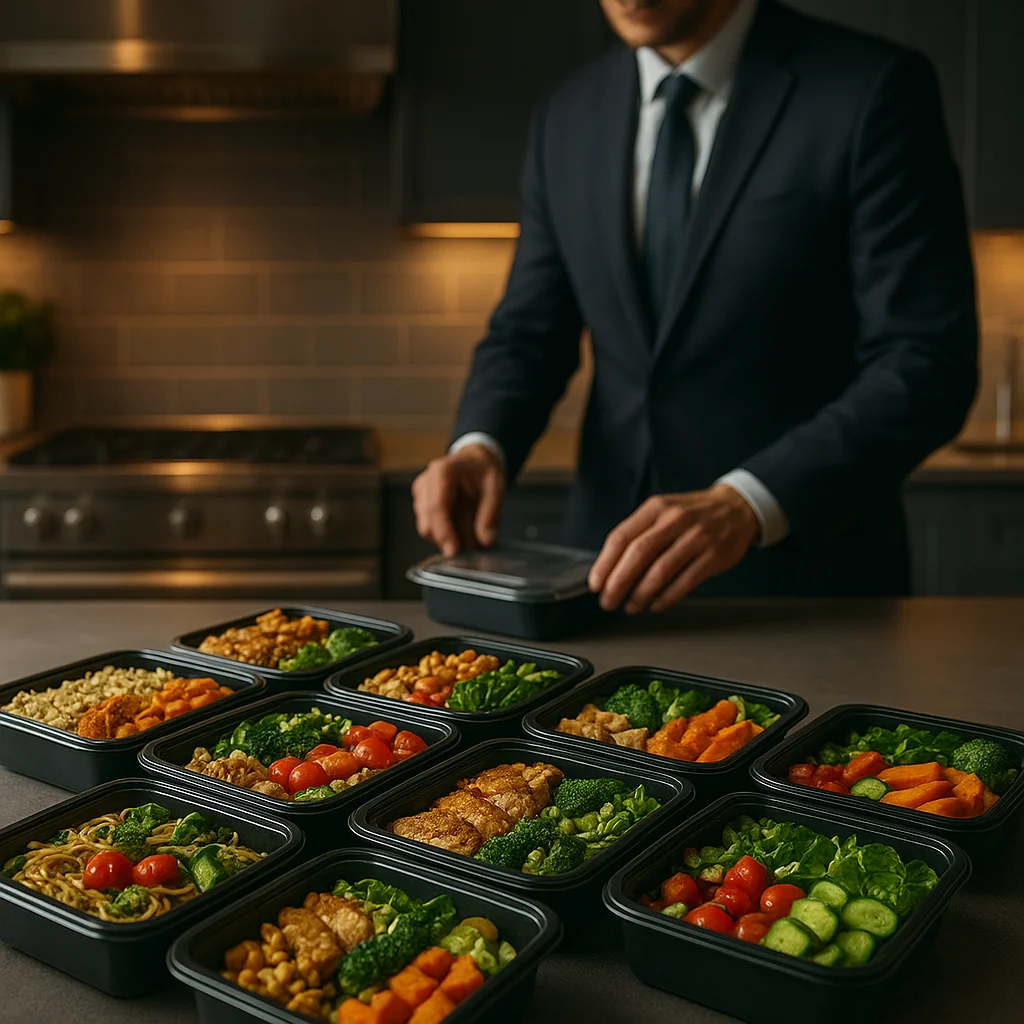

Mastering Meal Prep: A Crucial Habit for the Time-Strapped Professional
Imagine arriving home after a demanding 10-hour workday, weary yet still needing to nourish yourself without the luxury of time or energy. This scene is all too familiar for many busy professionals worldwide, who juggle demanding careers, personal obligations, and social commitments. According to a 2025 Gallup poll, over 65% of employed adults report feeling they do not have enough time to prepare healthy meals regularly. This has driven a surge in interest around meal prepping as a practical solution to the perennial problem of balancing nutrition with hectic schedules.
Meal prepping—planning, preparing, and portioning meals in advance—has evolved into a strategic practice rather than a simple convenience. It addresses not only time management but also health optimization and cost efficiency. Yet, despite its growing popularity, many professionals struggle to implement effective meal prep strategies that align with their unique lifestyles. This article unpacks proven approaches, supported by up-to-date data, to help busy professionals harness meal prep as a tool for improved well-being and productivity.
"Meal prepping transforms the daily question of 'What’s for dinner?' into a streamlined routine, freeing cognitive resources for more pressing tasks," explains nutritionist Dr. Anya Velasquez in a recent conference talk.
Tracing the Roots: How Meal Prep Became Essential for Professionals
The concept of preparing meals ahead of time dates back centuries, rooted in cultural practices of batch cooking and communal food sharing. However, its modern incarnation as a lifestyle tool for busy professionals gained prominence in the early 21st century, fueled by urbanization, longer work hours, and the rise of desk-bound occupations.
Historically, meal prep was predominantly a household task often delegated to homemakers. The shift in workforce demographics, with more dual-income households and single professionals, has redefined cooking’s role in daily life. By the 2010s, the digital age accelerated this trend with a proliferation of meal prep blogs, apps, and social media communities dedicated to sharing recipes and techniques that optimize time and health.
Research from the Harvard T.H. Chan School of Public Health highlights that meal prepping correlates with greater dietary quality and reduced consumption of ultra-processed foods. This is critical given the increasing prevalence of lifestyle diseases linked to poor diet among working adults. Additionally, the economic downturns and inflation spikes of the early 2020s pushed many to seek cost-saving measures, with meal prep offering a tangible way to control food expenses.
Technology also played a vital role. The introduction of smart kitchen appliances, meal planning apps, and subscription-based ingredient delivery services has made meal prep more accessible and less daunting for novices. These innovations resonate particularly well with the time-sensitive professional demographic.
Core Strategies: Data-Driven Approaches to Optimized Meal Prep
Effective meal prepping requires a blend of planning, execution, and flexibility. Industry reports from 2026 indicate that professionals who adopt structured meal prep routines report a 35% reduction in midweek unhealthy snacking and a 20% increase in fruit and vegetable intake, according to a survey by the National Nutrition Council.
Here are foundational strategies to consider:
- Batch Cooking with Balanced Macronutrients: Preparing large quantities of protein, complex carbs, and vegetables at once allows for diverse meal combinations throughout the week. For example, roasting chicken breasts, steaming quinoa, and sautéing mixed vegetables can be portioned into different meals with varied sauces or spices.
- Utilizing Multi-Functional Appliances: Slow cookers, instant pots, and air fryers save time and enhance flavor complexity without constant supervision.
- Investing in Quality Storage Solutions: Airtight, microwave-safe containers extend freshness and simplify reheating. A recent review by Mercury News highlights meal prep bags that maintain temperature and prevent spills, tailored for professionals commuting with their meals.
- Incorporating Seasonal and Local Ingredients: This not only reduces costs but increases nutrient density and flavor, aligning with sustainability trends.
- Setting Realistic Time Blocks for Prep: Allocating 1–2 hours on weekends or designated evenings reduces burnout and integrates seamlessly into busy calendars.
Moreover, customizing meal prep to dietary preferences—such as vegetarian, keto, or intermittent fasting protocols—further enhances adherence and health outcomes. Tracking meal satisfaction and energy levels can refine future prep cycles.
"Consistency trumps complexity in meal prep. Simple, repeatable routines lead to sustained benefits," notes dietitian Rachel Meyer in a 2026 webinar.
2026 Trends Shaping Meal Prep Practices
The meal prep landscape in 2026 reflects broader societal shifts toward health consciousness, environmental responsibility, and technological integration. A few notable developments include:
- Smart Kitchen Integration: Voice-activated devices now assist in timing, recipe adjustments, and inventory management. AI-driven meal planning apps generate shopping lists based on dietary goals and ingredient availability.
- Personalized Nutrition: Services leveraging genetic and microbiome data offer tailored meal prep recommendations, enhancing metabolic health and energy balance.
- Zero-Waste Cooking: Meal prep now emphasizes minimizing food waste by repurposing leftovers creatively and utilizing entire produce parts.
- Corporate Wellness Programs: Many employers incorporate meal prep education and incentives into wellness benefits, recognizing its impact on employee productivity and absenteeism.
Additionally, the COVID-19 pandemic’s lasting impact has normalized home cooking and meal planning as essential skills, with many professionals continuing remote or hybrid work arrangements that facilitate flexible meal prep schedules.
These trends intersect with rising inflation, making meal prepping not just a health strategy but a financial imperative. As reported by The Canberra Times, meal prepping can significantly reduce monthly food expenditures while improving diet quality.
Expert Opinions and Industry Impact on Professional Meal Prep
Leading voices in nutrition and workplace wellness emphasize meal prepping as transformative. Dr. Elena Soto, a workplace health consultant, argues that meal prep reduces decision fatigue, a cognitive drain increasingly recognized as detrimental to performance. She states, "When employees arrive at work nourished with balanced meals, their focus and resilience improve measurably."
From an industry perspective, food delivery and meal kit companies have adapted by offering 'prep-friendly' products designed for batch cooking and easy storage. This hybrid approach caters to professionals who seek convenience without sacrificing control over ingredients.
Furthermore, nutrition apps have expanded features to sync with work calendars and grocery deliveries, streamlining the entire meal prep cycle. This integration reflects a growing ecosystem aimed at supporting busy professionals holistically.
These developments have prompted corporate partnerships with nutritionists and chefs to provide workshops and digital content, fostering a culture where meal prep is part of a comprehensive wellness strategy rather than a chore.
"Meal prep is no longer just a kitchen task; it’s a strategic pillar of workplace health programs," asserts wellness strategist Mark Huang at a recent industry summit.
Looking Ahead: What Busy Professionals Should Watch For
As meal prep continues evolving, professionals should anticipate several key trends and innovations:
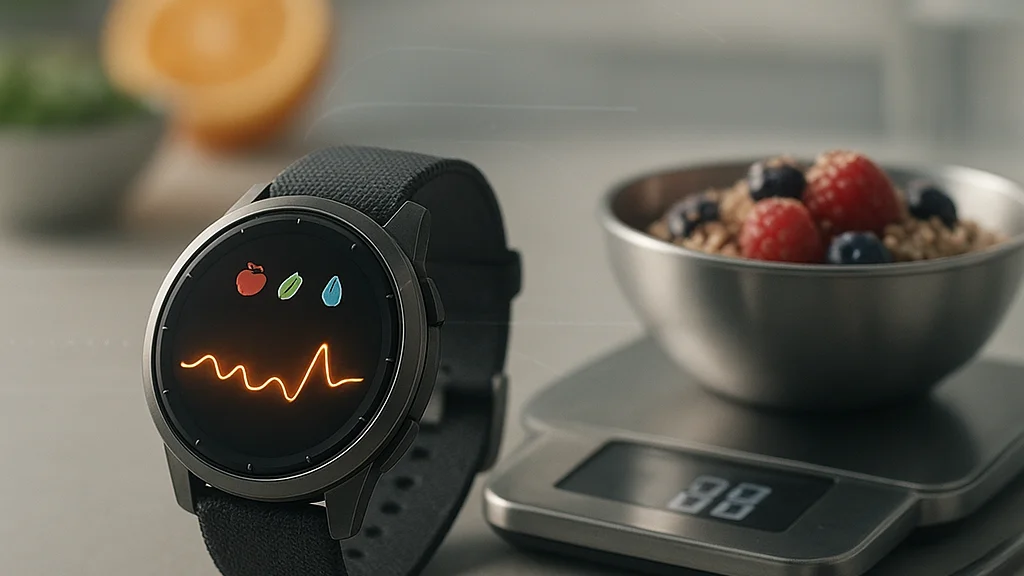
- Enhanced Personalization: Expect more precise meal plans based on continuous health monitoring, integrating wearable tech data with dietary recommendations.
- Community and Social Engagement: Virtual groups and challenges promoting meal prepping will gain traction, fostering accountability and shared learning.
- Eco-Conscious Packaging: Sustainable, reusable containers designed specifically for meal prep will become mainstream, addressing environmental concerns.
- Hybrid Solutions: Combining meal prep with partial meal delivery services will offer flexible options balancing time and customization.
Professionals should also remain mindful of common pitfalls highlighted in WriteUpCafe’s Common Meal Prep Mistakes Busy Professionals Make in 2026, such as overcomplicating recipes or neglecting food safety practices.
For those looking to refine their approach, the article Top Meal Prep Strategies for Busy Professionals 2026 offers practical tips aligned with current trends and scientific insights. Embracing flexibility, simplicity, and consistency emerges as the best recipe for long-term success.
Ultimately, meal prepping is more than a routine—it is a deliberate investment in health, time management, and financial prudence. As Dr. Velasquez highlights, "The benefits ripple beyond the plate, enhancing quality of life in tangible ways."






























Sign in to leave a comment.