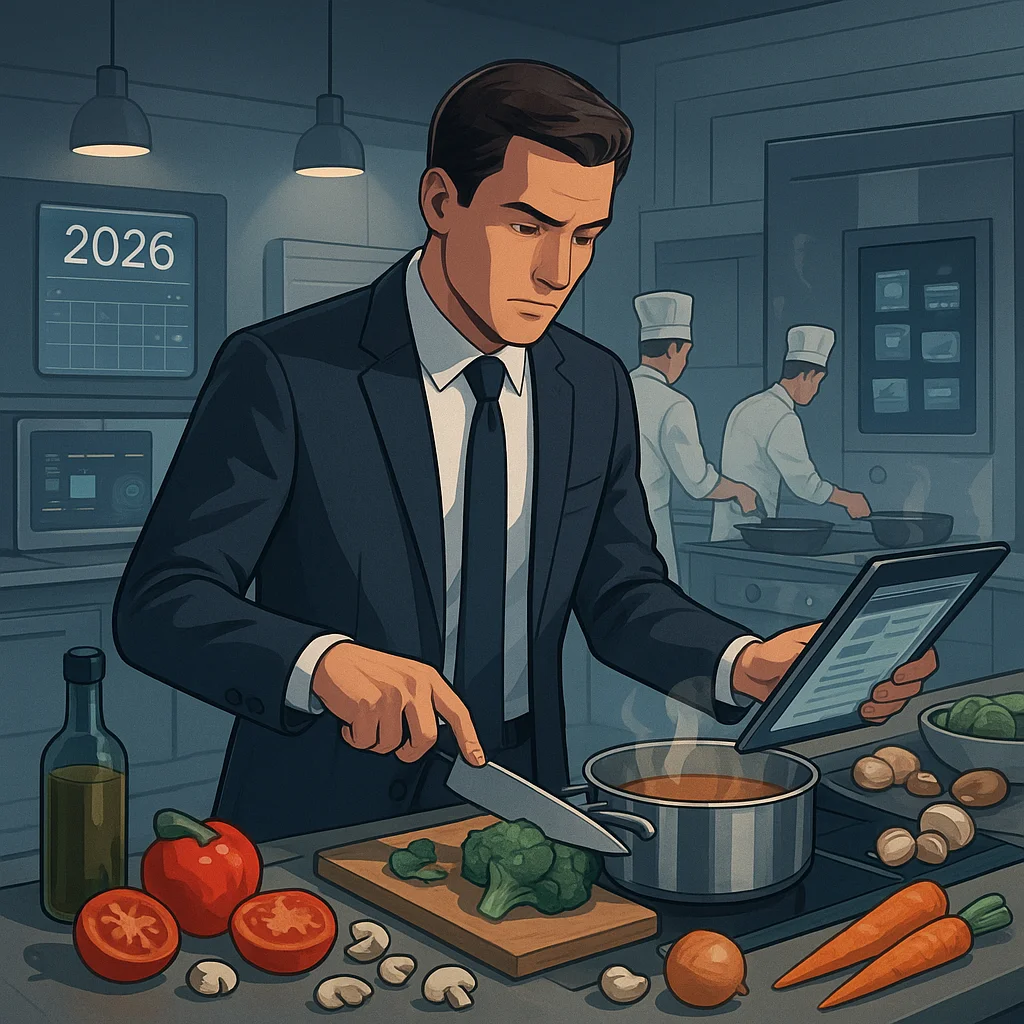

When Meal Prep Goes Sideways: A Typical Busy Professional’s Monday Morning
Imagine this: It’s Monday at 7:30 AM, and Ana, a 29-year-old marketing exec from Bogotá, is scrambling to find her prepped lunch in a sea of mismatched containers, some leaking, others barely thawed. She’s already running late, coffee half-drunk, and think, “Why did I even bother meal prepping?” 😖🍱 Sound familiar? According to a 2025 survey by Statista, over 60% of busy professionals who attempt meal prepping abandon it within two months, citing frustration and wasted time as primary reasons. Meal prepping, while a brilliant idea for saving time and eating healthier, often fails because of common missteps many don’t realize they’re making.
Meal prep isn’t just about cooking in bulk; it’s a whole strategy that involves planning, shopping, cooking, storing, and timing. When one part falters, the whole system collapses, leading to wasted food, lost hours, and the dreaded grab-for-fast-food fallback. In this deep dive, I’ll unpack the most frequent meal prep mistakes busy professionals make in 2026, backed by data, expert insights, and real-world examples. Plus, I’ll sprinkle in some tips to turn your meal prep from chaos to charm ✨🍲.
Tracing the Rise of Meal Prep: How Did We Get Here?
Meal prepping surged in popularity in the early 2020s, fueled by the twin forces of hectic lifestyles and growing health consciousness. By 2023, the global meal prep market was valued at over $9 billion, with North America and Latin America showing rapid adoption according to market research firm Euromonitor. The idea was simple: cook once, eat many times, save money, and avoid unhealthy choices during the workweek.
However, the rapid adoption also led to a flood of “how-to” guides, apps, and containers, many promising effortless meal prep. Yet, many busy professionals found themselves overwhelmed by the paradox of choice and the realities of unpredictable schedules. Meal prep became a new kind of chore, not a relief. The pandemic years accelerated home cooking but also intensified work-from-home fatigue, making sustained meal prep challenging.
Meanwhile, technology stepped in. Smart refrigerators, AI-driven meal planners, and apps syncing with grocery deliveries emerged to support meal prep strategies. Still, these tools can’t fix fundamental errors in the process. The journey from the initial excitement around meal prep to the 2026 landscape is as much about learning what not to do as what to do.
Top Mistakes Busy Professionals Make in Meal Prep: Data-Driven Breakdown
Drawing from nutritionist Dr. Lina Morales’ 2026 study on meal prep habits and insights from MSN’s recent culinary report, here are the top mistakes busy professionals repeatedly make:
- Poor Planning and Overambition: Trying to prep too many meals at once leads to burnout and food waste. Nearly 45% of respondents in Dr. Morales’ survey admitted to preparing more food than they could eat, resulting in spoilage.
- Ignoring Food Safety: Improper storage and reheating cause food to spoil faster. The CDC reports a 15% rise in foodborne illnesses linked to home-stored meals in the past two years.
- Lack of Variety: Eating the same meals causes boredom, increasing the temptation to order out. Yahoo Style Canada highlights monotony as a top reason people abandon meal prep.
- Neglecting Nutritional Balance: Overemphasis on protein or carbohydrates without enough vegetables or healthy fats leaves meals unbalanced, affecting energy and wellbeing.
- Inadequate Container Choices: Using non-airtight or non-microwavable containers leads to mess and inconvenience, discouraging consistent use.
These mistakes aren’t just annoying; they directly impact the sustainability of meal prep as a lifestyle. Let’s explore each mistake more deeply.
Poor Planning and Overambition
Many professionals start meal prepping with grand plans to cook every meal for the week. But this often leads to excessive cooking sessions lasting hours, sapping precious weekend time. Ana’s story is common: she preps 21 meals on Sunday, only to feel overwhelmed by the sheer volume. Then, unpredictable meetings and social events cause meals to be skipped or wasted.
Dr. Morales advises scaling back: focus on prepping three to four meals per week and supplement with quick recipes or healthy takeout. It’s about setting realistic goals that fit your lifestyle, not forcing a perfect routine.
Food Safety Slip-ups
Foodborne illness can be a silent culprit undermining meal prep success. Storing cooked food at incorrect temperatures or leaving meals too long before reheating reduces freshness and safety. The CDC’s increased reports highlight this growing concern.
Experts recommend refrigerating meals within two hours of cooking, using airtight containers, and consuming prepped meals within four days. Freezing extra portions extends shelf life but requires proper thawing methods to avoid bacteria growth. These steps may seem tedious but are vital for health and meal prep longevity.
Monotony Kills Motivation
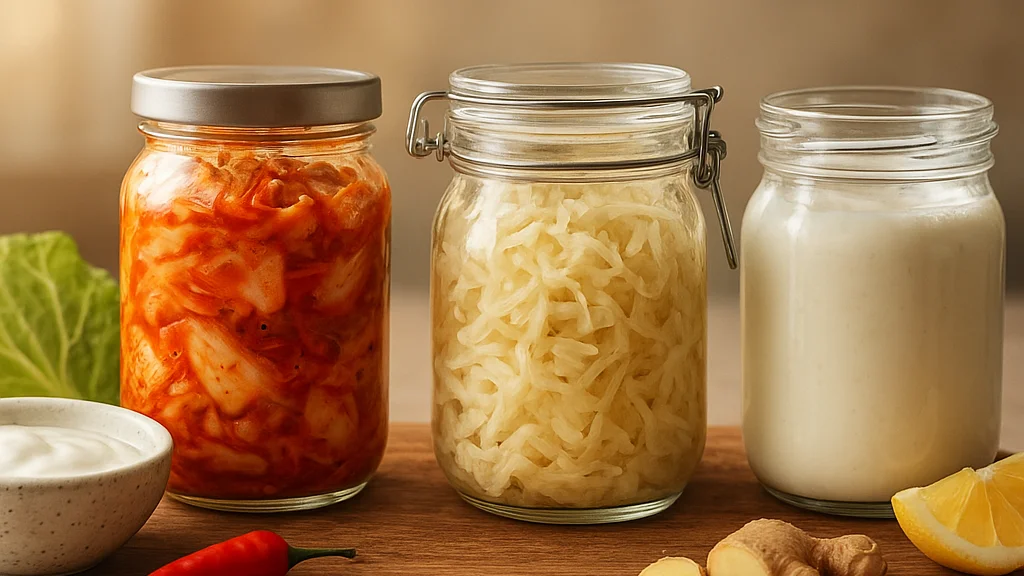
One of the hardest parts about meal prep is sticking to it when every day’s lunch looks and tastes the same. This boredom often triggers cravings for fast food or snacks. Yahoo Style Canada’s 2026 article details how varying flavors, spices, and ingredients can help maintain enthusiasm.
Mixing cuisines, incorporating seasonal vegetables, and experimenting with sauces can keep meals exciting. Also, prepping components rather than full meals allows for mix-and-match flexibility. This strategy aligns with what I often recommend in Top Meal Prep Strategies for Busy Professionals 2026.
Missing Nutritional Balance
Another trap is focusing too much on convenience foods that are high in carbs or protein but low in greens and healthy fats. This imbalance can cause energy crashes and reduce overall health benefits. According to nutritionist guidance in MSN’s 2026 meal prep report, balanced meals should include:
- A lean protein source (chicken, tofu, fish)
- Complex carbohydrates (quinoa, brown rice, sweet potatoes)
- Plenty of vegetables
- Healthy fats (avocado, nuts, seeds)
Ignoring one or more of these groups undermines the purpose of meal prepping for health. It’s a mistake easy to make when prioritizing speed over nutrition.
Inadequate Containers: The Silent Saboteur
Finally, container choice matters more than many realize. Non-airtight lids cause spills; plastic that isn’t microwave-safe limits reheating options; and bulky containers make fridge storage tricky. This inconvenience often leads to inconsistent use or wasted food.
In 2026, smarter container options are available, such as stackable modular sets with silicone seals and BPA-free materials. Investing in the right containers can elevate meal prep from a hassle to a pleasure.
2026 Meal Prep Innovations Changing the Game
Technology and food trends in 2026 have brought fresh energy to meal prepping. AI-powered apps now provide personalized meal plans based on dietary preferences, work schedules, and local grocery deals. Smart kitchen appliances remind you when to start cooking and suggest portion sizes to reduce waste.
One standout is the rise of smart fridges with freshness sensors that track how long meals have been stored and alert users when something is nearing spoilage. This innovation helps prevent the common mistake of forgetting or wasting prepared food.
Moreover, plant-based meal kits and single-serve packaging cater to professionals seeking quick, healthy options without bulk cooking. The trend toward sustainable packaging also supports environmental goals.
These developments help correct previous pitfalls by making meal prep more adaptable, less time-consuming, and aligned with evolving lifestyles.
Expert Insights: What Industry Leaders Say About Meal Prep Pitfalls
“Meal prep is a fantastic tool, but only if it fits your life, not the other way around. Overcommitting or ignoring food safety can turn it from helpful to harmful,” says Dr. Lina Morales, a leading nutritionist in Bogotá.
She emphasizes incremental changes: start small, choose diverse recipes, and prioritize safe food handling. Similarly, Chef Marco Rojas, a culinary expert specializing in healthy cooking, points out,
“The right containers and storage methods save your meal prep from disaster. It’s not glamorous, but it’s critical. Invest in quality and learn how your fridge works.”
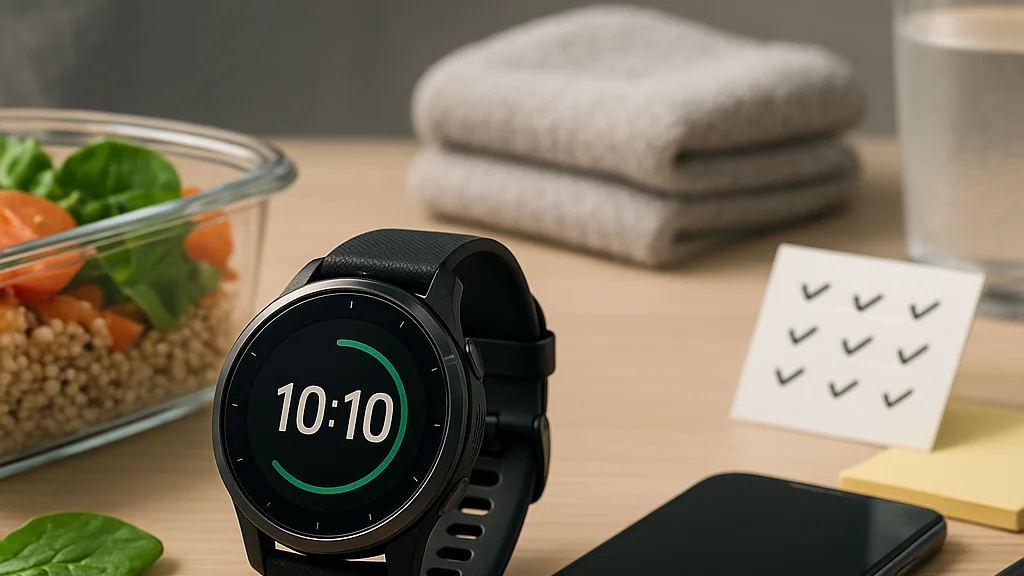
Both experts highlight the importance of thoughtful preparation beyond just cooking, which is echoed in the practical advice found in Beginners Guide to New Garmin Training Features (2026): Nutrition Tracking, Lifestyle Logging, and More, where tech meets nutrition in daily life.
Looking Ahead: How to Make Meal Prep Work for You in 2026 and Beyond
As we embrace smarter tools and evolving culinary trends, meal prep remains a vital strategy for busy lives—but only if done right. Here are key takeaways and future-facing tips to avoid common mistakes:
- Start Small and Scale Gradually: Prep a few meals per week, then increase as you find your rhythm.
- Embrace Variety: Rotate cuisines, flavors, and ingredients to keep meals exciting.
- Prioritize Food Safety: Use airtight containers, refrigerate promptly, and consume meals within safe time frames.
- Invest in Quality Containers: Choose stackable, microwave-safe, and leak-proof options.
- Leverage Technology: Utilize AI meal planners, freshness sensors, and nutrition trackers to optimize prep.
Meal prepping isn’t a one-size-fits-all solution. It requires patience, experimentation, and flexibility. But when done thoughtfully, it offers busy professionals a delicious way to reclaim time and health. So, channel your inner K-pop idol’s dedication, grab those colorful containers, and prep with purpose! 💃🥗✨



























Sign in to leave a comment.