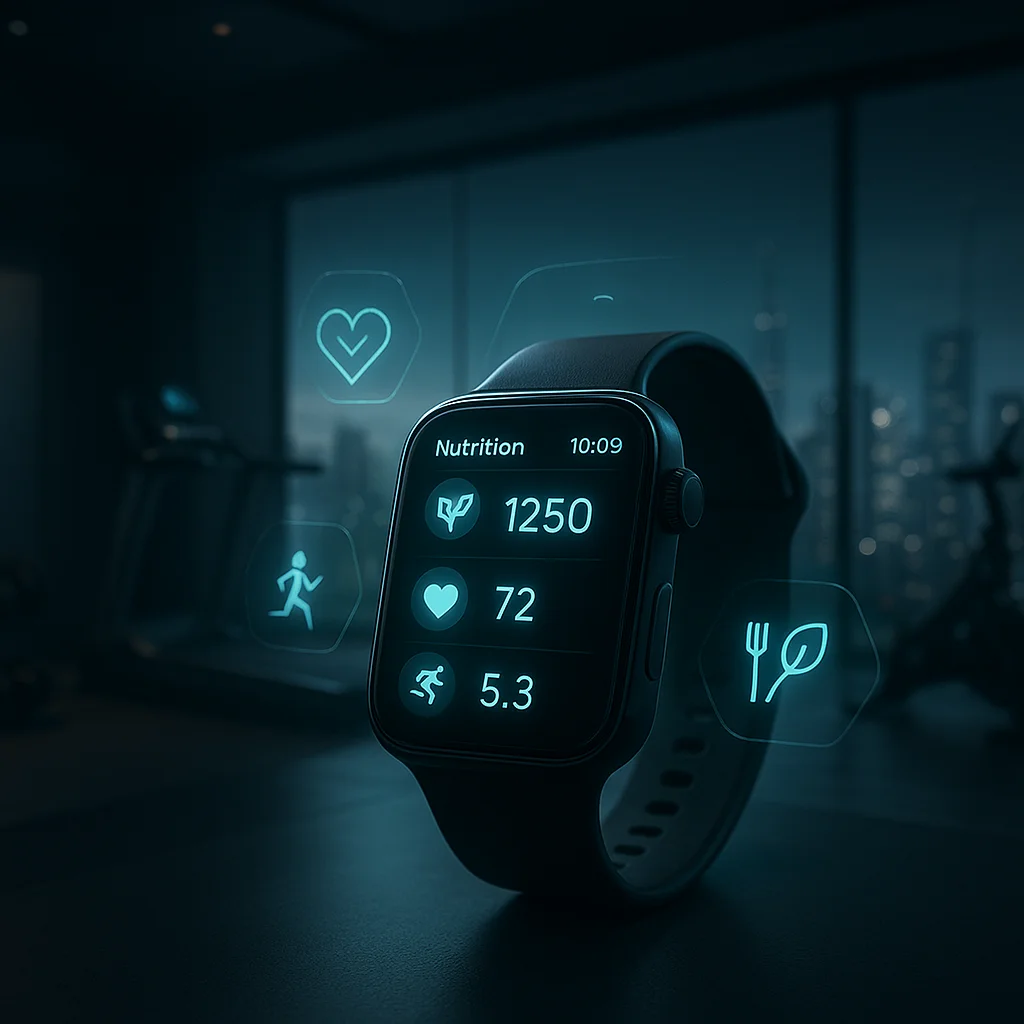

Tracking More Than Steps: Garmin’s 2026 Leap Into Nutrition and Lifestyle
When Garmin unveiled its 2026 lineup of training features, it marked a significant shift from pure exercise metrics to a broader health ecosystem. The new additions—nutrition tracking, lifestyle logging, and enhanced training insights—aim to provide a more holistic view of fitness and wellness. Imagine a runner not just monitoring pace and heart rate but also their daily micronutrient intake and sleep quality, all through a single device. This integration aligns with growing consumer demand for comprehensive health data, where nutrition and lifestyle choices directly inform training and recovery.
According to Wired’s in-depth review, Garmin's new software update represents its most ambitious attempt yet to merge wearable tech with daily health management. The company’s vast user base—estimated at over 30 million active Garmin Connect users in 2026—now gains tools once confined to specialized apps or nutritionists. This article breaks down these features for beginners, explaining their functions, benefits, and practical use cases.
“Garmin’s move into nutrition and lifestyle tracking is about closing the gap between data and actionable insights,” says fitness technology analyst Sarah Kim. “It’s the evolution of wearables as personal health coaches.”
From GPS Watches to Lifestyle Hubs: The Evolution Behind Garmin’s Expansion
Garmin’s roots lie in GPS-enabled sports watches, dominating cycling, running, and outdoor navigation markets for over two decades. In the early 2020s, its focus was strictly on performance metrics—heart rate variability, VO2 max, power output, and recovery times. However, consumer expectations shifted as athletes and casual users alike sought more than raw data. The rise of AI-driven health platforms and smart nutrition apps put pressure on Garmin to innovate beyond sensors and metrics.
By 2024, Garmin began experimenting with limited food logging and stress management features, but these were rudimentary compared to competitors like Fitbit and Apple Watch. The 2026 update reflects the culmination of extensive R&D, partnerships with nutrition databases, and AI integration for personalized recommendations. Garmin's approach leverages its existing ecosystem—Garmin Connect and Garmin Coach—melding training plans with lifestyle insights.
Industry estimates suggest that wearable device users who engage with nutrition tracking increased by 35% between 2023 and 2025, influencing Garmin’s product roadmap. Furthermore, user feedback highlighted a desire for seamless data integration to avoid juggling multiple apps. This context sets the stage for the comprehensive features introduced in 2026, which prioritize accuracy, ease of use, and actionable guidance.
Dissecting Garmin’s New Features: What Beginners Need to Know
The 2026 Garmin software update introduces three core pillars: Nutrition Tracking, Lifestyle Logging, and Enhanced Training Analytics. Each serves distinct but interconnected purposes.
Nutrition Tracking
Garmin’s nutrition module integrates a robust food database with barcode scanning and AI-driven meal recognition via the paired smartphone camera. Users can log meals manually or with image input, receiving detailed macro- and micronutrient breakdowns. The system cross-references logged food against daily goals, which adapt based on training intensity and personal targets.
Key capabilities include:
- Automated Macronutrient Balancing: Real-time adjustments based on workout load.
- Micronutrient Insights: Tracking vitamins, minerals, and hydration status.
- Meal Timing Recommendations: Optimizing nutrient intake relative to training sessions.
Lifestyle Logging
This feature captures non-exercise parameters influencing performance and wellness. Users can log sleep quality, stress levels, mood, and hydration manually or via compatible sensors. Garmin now supports mood tagging with emoji-based input and offers reminders to log lifestyle factors consistently.
Lifestyle data syncs with training analytics to provide context for performance fluctuations, aiding recovery strategies and injury prevention.
Enhanced Training Analytics
Building on its legacy metrics, Garmin now incorporates nutrition and lifestyle data to refine recovery scores, fatigue predictions, and training load recommendations. The device uses machine learning to tailor advice, such as suggesting rest days if nutrition or sleep patterns are suboptimal.
“The integration of nutrition and lifestyle data transforms training insights from reactive to predictive,” notes Garmin product lead Michael Torres. “Our users get smarter guidance, not just numbers.”
2026 Updates in Action: Comparing Garmin’s Features to Competitors
Garmin’s 2026 upgrade places it firmly in competition with Fitbit and Apple Watch, both of which have advanced nutrition and lifestyle tools. Fitbit’s AI Health Coach, for example, now includes mood logging and cycle tracking, as reported by MSN. Meanwhile, Apple’s ecosystem offers food tracking through third-party apps but lacks Garmin’s direct integration with training metrics.
However, Garmin’s user interface and data depth received mixed reviews. Android Authority’s analysis pointed out early inconsistencies in food recognition and a steep learning curve for beginners. Garmin has since issued software patches improving accuracy and usability.
Below is a comparison of key features across major platforms in 2026:
| Feature | Garmin 2026 | Fitbit (2026) | Apple Watch (2026) |
|---|---|---|---|
| Nutrition Tracking | Integrated meal logging, AI image recognition, micronutrients | Food logging, AI health coach, cycle/mood tracking | Third-party app dependent, basic macros |
| Lifestyle Logging | Sleep, mood, hydration, stress, linked to training | Cycle, mood, stress, sleep | Sleep, mindfulness, third-party mood apps |
| Training Analytics | Adaptive recovery, fatigue prediction, nutrition integration | Recovery scores, coaching tips | VO2 max, activity rings, external coaching apps |
Expert Perspectives and Industry Implications
Experts emphasize Garmin’s 2026 features as a meaningful step toward integrated health monitoring. Dr. Lisa Bernal, a sports nutritionist, highlights the importance of nutrition data for training optimization. “Athletes often overlook nutrition’s impact on recovery and performance. Garmin’s system can help translate complex nutritional science into daily actionable advice.”
Fitness coaches also see value in consolidated data streams. Coach Jordan Meyer explains, “Having sleep, nutrition, and training data in one platform allows for more precise periodization and injury risk management.”
From an industry perspective, Garmin’s expansion reflects broader trends toward comprehensive health ecosystems. Wearable devices are no longer single-purpose gadgets but central hubs for health management, influencing insurance models, telehealth, and personalized medicine.
“The future of wearables lies in ecosystem integration—health, nutrition, lifestyle, and medical data working together,” predicts analyst Sarah Kim. “Garmin’s 2026 update is a clear signpost on that path.”
Looking Ahead: What Beginners Should Watch and How to Get Started
For newcomers, Garmin’s expanded features offer both opportunity and complexity. The best approach is incremental adoption—starting with basic nutrition logging, then layering lifestyle inputs, and finally leveraging enhanced training analytics. Garmin provides tutorials and community forums to ease this process.
Key tips for beginners:
- Set clear training and nutrition goals within Garmin Connect.
- Use the barcode scanner and meal recognition tools to simplify food logging.
- Log lifestyle factors like sleep and mood daily for contextual insights.
- Review training suggestions regularly and adjust based on personal feedback.
As these features evolve, watch for improvements in AI accuracy, deeper integration with medical devices, and personalized coaching. Garmin’s roadmap suggests upcoming collaboration with dietitians and sports scientists to refine recommendations.
You might enjoy exploring related insights on WriteUpCafe, such as our detailed coverage of New Garmin Training Features (2026): Nutrition Tracking, Lifestyle Logging, and More and broader trends in wearable tech and health tracking.




























Sign in to leave a comment.