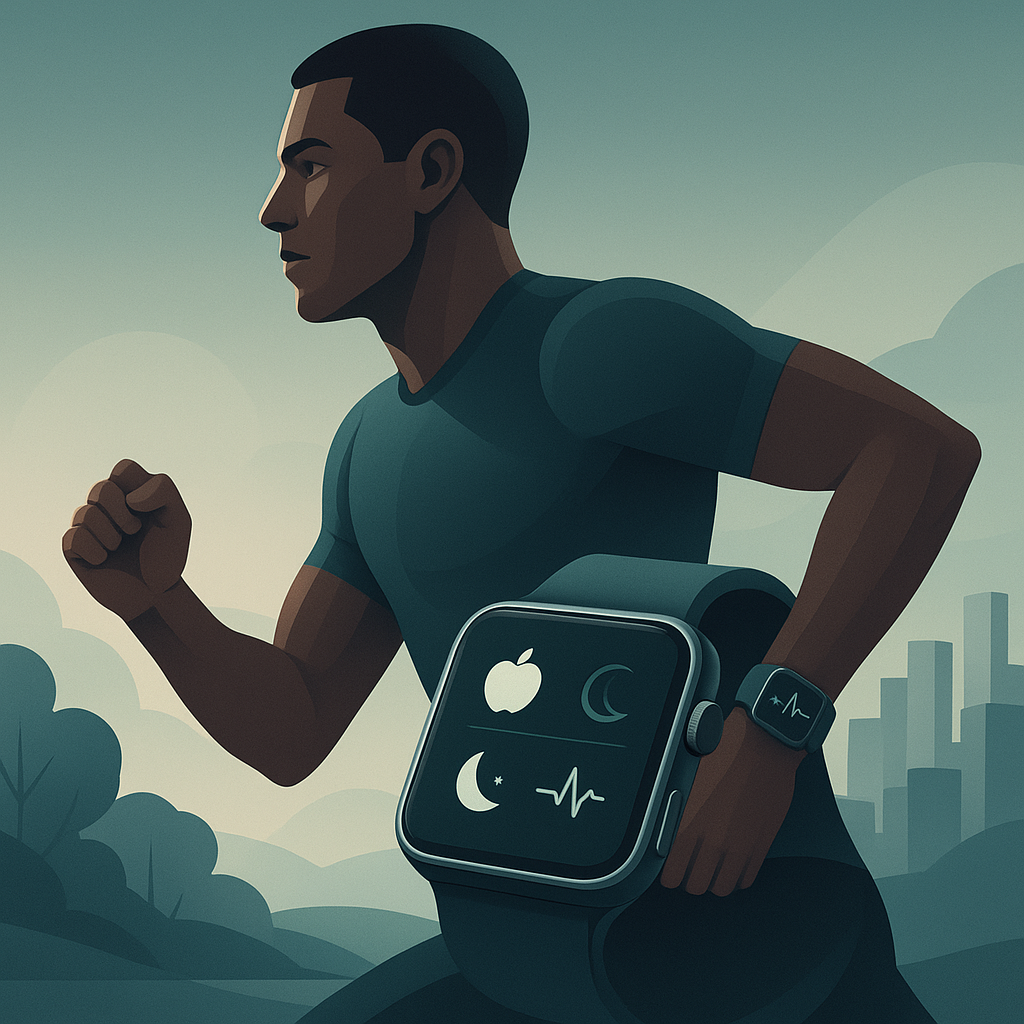

Introduction to Garmin's 2026 Training Feature Update
Garmin, a global leader in GPS technology and wearable devices, has once again revolutionized the fitness and wellness landscape with its 2026 software update. This latest iteration focuses heavily on holistic health by integrating advanced nutrition tracking, lifestyle logging, and enhanced training analytics into its popular Garmin Connect ecosystem. These innovations are designed not only to help athletes and fitness enthusiasts optimize their workouts but also to empower users to make informed decisions about their overall health and lifestyle.
In this comprehensive article, we will delve into the new Garmin training features for 2026, examine how they work, their benefits, and how they compare to other players in the market. We will also explore the broader context of nutrition and lifestyle tracking technology, including insights from related articles and expert opinions.
Garmin's Enhanced Nutrition Tracking: A Game Changer
One of the most anticipated features in Garmin's 2026 update is the integration of nutrition tracking directly within the Garmin Connect app and compatible devices. This feature allows users to log food intake with unprecedented detail, from macronutrients to micronutrients, and sync this data seamlessly with their training and recovery metrics.
How It Works
The nutrition tracker leverages an extensive food database, barcode scanning, and AI-driven portion estimation to simplify the logging process. Users can either manually input meals, scan packaging barcodes, or use the AI assistant to recognize meals based on photos taken through the Garmin app. The system then breaks down the nutritional content into calories, proteins, fats, carbohydrates, vitamins, and minerals.
Moreover, Garmin's new feature automatically cross-references nutrition data with training load and recovery status. For example, after an intense workout, the app might suggest increased protein intake or recommend hydration strategies based on sweat loss estimates.
Benefits to Users
- Personalized Nutrition Guidance: By correlating nutrition with training performance and recovery, Garmin provides tailored recommendations to optimize results.
- Comprehensive Wellness Monitoring: Users can track not only their workouts but also how diet affects energy levels, sleep quality, and mood.
- Improved User Engagement: The intuitive interface and AI assistance lower the barrier to consistent nutrition logging, a challenge many fitness apps face.
Despite these advances, some early reviews, such as one from Android Authority, note that the feature still has room for refinement, including more food options for diverse diets and regional foods, as well as better integration with third-party nutrition apps.
Lifestyle Logging: Beyond Workouts and Nutrition
Garmin’s vision for 2026 extends beyond fitness and diet by introducing lifestyle logging capabilities. This feature enables users to record elements such as stress levels, hydration, sleep quality, medication intake, and even mood fluctuations.
Comprehensive Lifestyle Integration
By incorporating these varied data points, Garmin Connect+ becomes a centralized hub for holistic health management. Users can input lifestyle information manually or allow compatible Garmin wearables to detect and log data automatically. For instance, stress can be estimated through heart rate variability and galvanic skin response sensors, while hydration status can be tracked via bioimpedance measurements.
How Lifestyle Data Enhances Training
Understanding the interplay between lifestyle factors and physical performance is critical. Garmin’s new analytics engine uses lifestyle data to adjust training recommendations dynamically. For example, if a user logs poor sleep quality or high stress, the system may suggest lighter training days or additional recovery activities like yoga or meditation.
This integrative approach helps prevent overtraining, reduce injury risk, and promote sustainable fitness progress.
Advanced Training Analytics and Adaptive Workouts
Alongside nutrition and lifestyle logging, Garmin’s 2026 update introduces enhanced training analytics powered by machine learning algorithms. These advancements provide deeper insights into user performance and recovery, enabling truly adaptive workout planning.
Key Analytical Features
- Fatigue and Performance Forecasting: Predicts user fatigue levels based on training load, sleep, nutrition, and lifestyle factors.
- Adaptive Training Plans: Automatically adjusts workouts in real time to match the user’s current physical and mental state.
- Recovery Optimization: Suggests targeted recovery strategies including rest days, stretching routines, and nutrition plans.
- Multi-Sport Support: Offers individualized insights for triathletes and multi-sport athletes by tracking and balancing demands from different disciplines.
These features empower users to train smarter, minimize injury risks, and maximize performance gains.
Compatibility and Device Support
Garmin’s 2026 features are integrated into the latest Garmin Connect+ platform, accessible via updated mobile apps and compatible with a wide range of Garmin wearables. Devices from the Fenix, Forerunner, and Venu series support most new functionalities, with some advanced lifestyle sensors available exclusively on flagship models.
Additionally, Garmin has enhanced its API to allow third-party developers to create complementary apps and services that leverage the new nutrition and lifestyle data, fostering a broader ecosystem.
Comparing Garmin’s 2026 Features with Market Trends
Nutrition and lifestyle tracking are rapidly expanding areas within fitness technology. Garmin’s approach, which integrates these elements directly within its training ecosystem, aligns with broader market trends emphasizing holistic health.
For example, specialized nutrition apps have historically focused on diet logging and meal planning, often requiring users to switch between multiple platforms. Garmin’s integrated solution, by contrast, consolidates these functions, simplifying the user experience.
To understand the competitive landscape better, consider the insights from the article Top 10 Diet and Nutrition App Development Companies Dominating the Nutrition Tech Market, which highlights how nutrition-focused companies are innovating with AI and biometric integration. Garmin’s move into this space marks a significant expansion of its product capabilities, potentially challenging dedicated nutrition apps by offering an all-in-one platform.
Real-World Impact: User and Expert Perspectives
Since its launch, Garmin’s 2026 update has garnered mixed but largely positive feedback. Athletes appreciate the depth of data and the convenience of having nutrition and lifestyle insights alongside training metrics.
“The integration of nutrition and lifestyle data with my workout stats has transformed how I plan my days,” says a seasoned triathlete. “I can see how my diet affects recovery and adjust accordingly.”
However, some users note challenges with the initial learning curve and occasional inaccuracies in food recognition or lifestyle sensor readings. Garmin has committed to rolling out continuous updates to address these concerns.
Industry experts view these developments as part of a broader shift toward personalized health technology. The fusion of biometric data with nutrition and lifestyle tracking is expected to drive future innovation in wearable fitness devices.
How Garmin’s Nutrition Tracking Compares to Other Wearables
When evaluating Garmin’s nutrition tracking against other wearables, it’s important to consider both hardware and software capabilities. While some competitors provide basic calorie counting or hydration alerts, Garmin’s AI-driven meal recognition and detailed nutrient breakdowns stand out as advanced features.
The challenge remains in data accuracy and food database comprehensiveness. As highlighted by Android Authority’s review, Garmin’s system is promising but still evolving to fully meet user expectations in diverse dietary contexts.
Integrating Garmin with Other Health Technologies
Garmin’s openness to third-party integrations enhances its utility. Users can sync data with popular platforms such as MyFitnessPal, Strava, and Apple Health. This interoperability allows users to maintain comprehensive health records and leverage specialized apps for meal planning or medical tracking.
For users requiring specialized nutrition advice, combining Garmin’s tracking with expert consultations or apps designed by leading diet and nutrition developers can be beneficial. This is echoed in the approaches described in the Ultimate Guide to Nutrition on GLP-1 Medications, which emphasizes the importance of protein monitoring for certain users — a parameter Garmin tracks meticulously.
Tips for Maximizing Garmin’s New Features
- Consistent Logging: To reap the full benefits, users should commit to logging meals and lifestyle factors regularly.
- Use AI Assistance: Utilize Garmin’s AI meal recognition to save time and improve accuracy.
- Customize Notifications: Set up personalized alerts for hydration, nutrient intake, and recovery recommendations.
- Explore Third-Party Apps: Integrate Garmin data with other apps for enhanced meal planning or medical monitoring.
- Stay Updated: Keep devices and the Garmin Connect app updated to benefit from ongoing improvements and new features.
Future Prospects: Where Garmin Is Headed
Looking ahead, Garmin plans to expand lifestyle and nutrition features further. Upcoming updates are expected to include:
- Deeper AI-Driven Insights: More sophisticated predictive analytics for health and performance optimization.
- Expanded Food Database: Inclusion of cultural and regional foods for global users.
- Enhanced Social Features: Community challenges and sharing of nutrition and lifestyle achievements.
- Medical Integration: Collaboration with healthcare providers for clinical nutrition and lifestyle monitoring.
These innovations will likely cement Garmin’s position as a comprehensive health and fitness platform.
Conclusion
Garmin’s 2026 training feature update marks a significant leap in wearable technology by integrating detailed nutrition tracking, lifestyle logging, and advanced training analytics into a unified ecosystem. By addressing the multifaceted nature of health and performance, Garmin is empowering users to take holistic control of their wellness journeys.
While some challenges remain — particularly in food database breadth and sensor accuracy — the overall impact is transformative. Users benefit from personalized insights that link diet, lifestyle, and training in ways previously unavailable in a single platform.
As the fitness tech landscape evolves, Garmin’s integrated approach aligns with emerging trends emphasizing holistic health, data-driven personalization, and seamless user experiences. For those serious about optimizing their health and performance, exploring these new Garmin features is a compelling proposition.
For readers interested in exploring the broader nutrition technology market, the Top 10 Diet and Nutrition App Development Companies Dominating the Nutrition Tech Market article provides excellent insights into the leading innovators in this space. Additionally, if you want to understand how nutrition tracking can impact specific health conditions, the Ultimate Guide to Nutrition on GLP-1 Medications offers valuable guidance on the importance of protein and diet management.
In sum, Garmin’s 2026 update reflects the future of wearable health technology: integrated, intelligent, and user-centric.






























Sign in to leave a comment.